
90-P (Nature Aquarium)
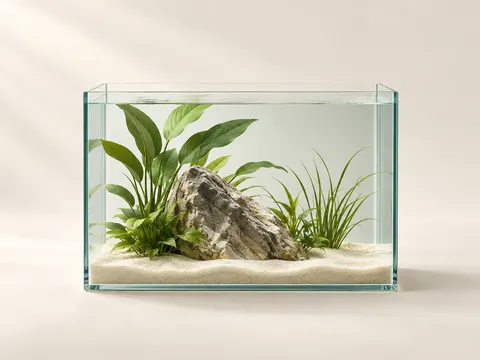
A premium 3-foot rimless tank. Offers massive depth and length for advanced Dutch-style planting and larger community schooling fish.
Similar Tanks & Sizes
A premium 3-foot rimless tank. Offers massive depth and length for advanced Dutch-style planting and larger community schooling fish. With a capacity of 182 litres (48 gallons) and dimensions of 90 x 45 x 45, this rimless tank is compatible with 428 species in our database — giving you plenty of options for a thriving community setup.
Stocking Tips
- 💡Larger tanks are more forgiving, but always add fish gradually — introduce 2–3 species at a time to let the biological filter adapt.
- 💡Mix species from different swim zones (top, middle, bottom) to make use of the full water column.
What This Tank Size Is Realistically Good For
The 90-P (Nature Aquarium) starts to reward planning at the community level rather than the single-species level. Its biggest advantage is flexibility: you can support larger groups, clearer swim-zone separation, and more stable water conditions, but only if the stocking plan stays intentional instead of turning the extra volume into an excuse for clutter.
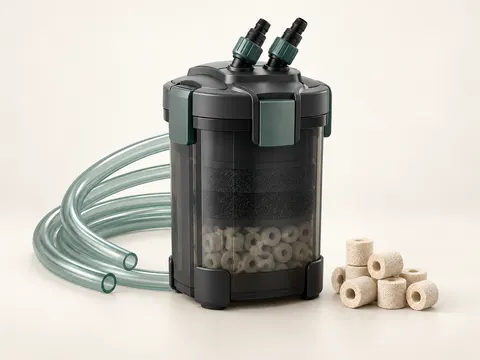
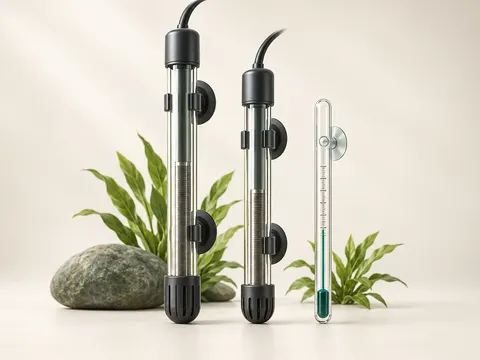
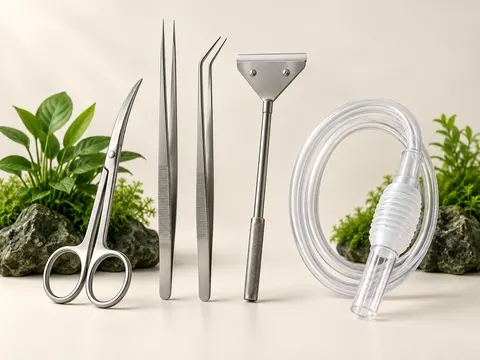
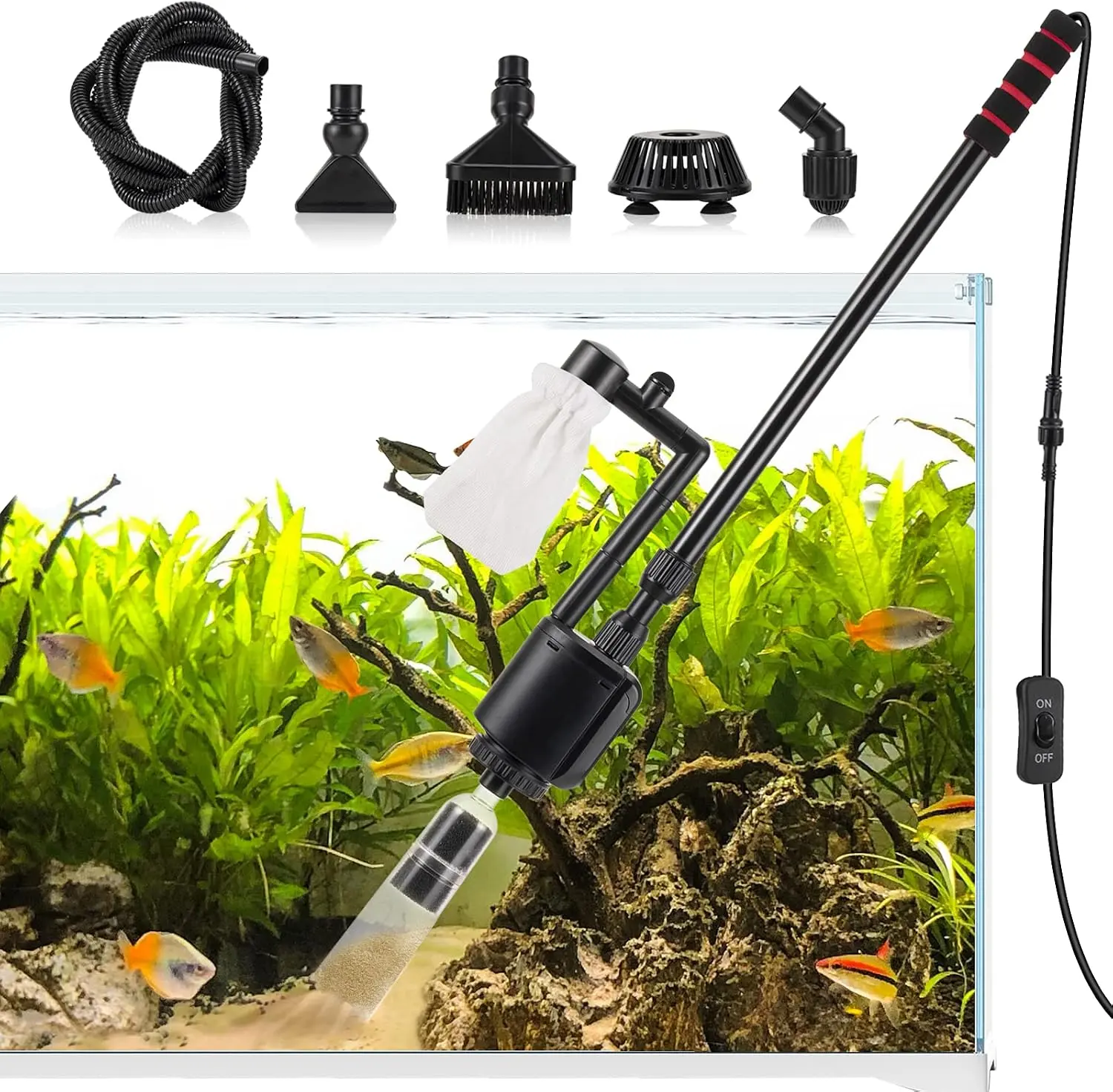
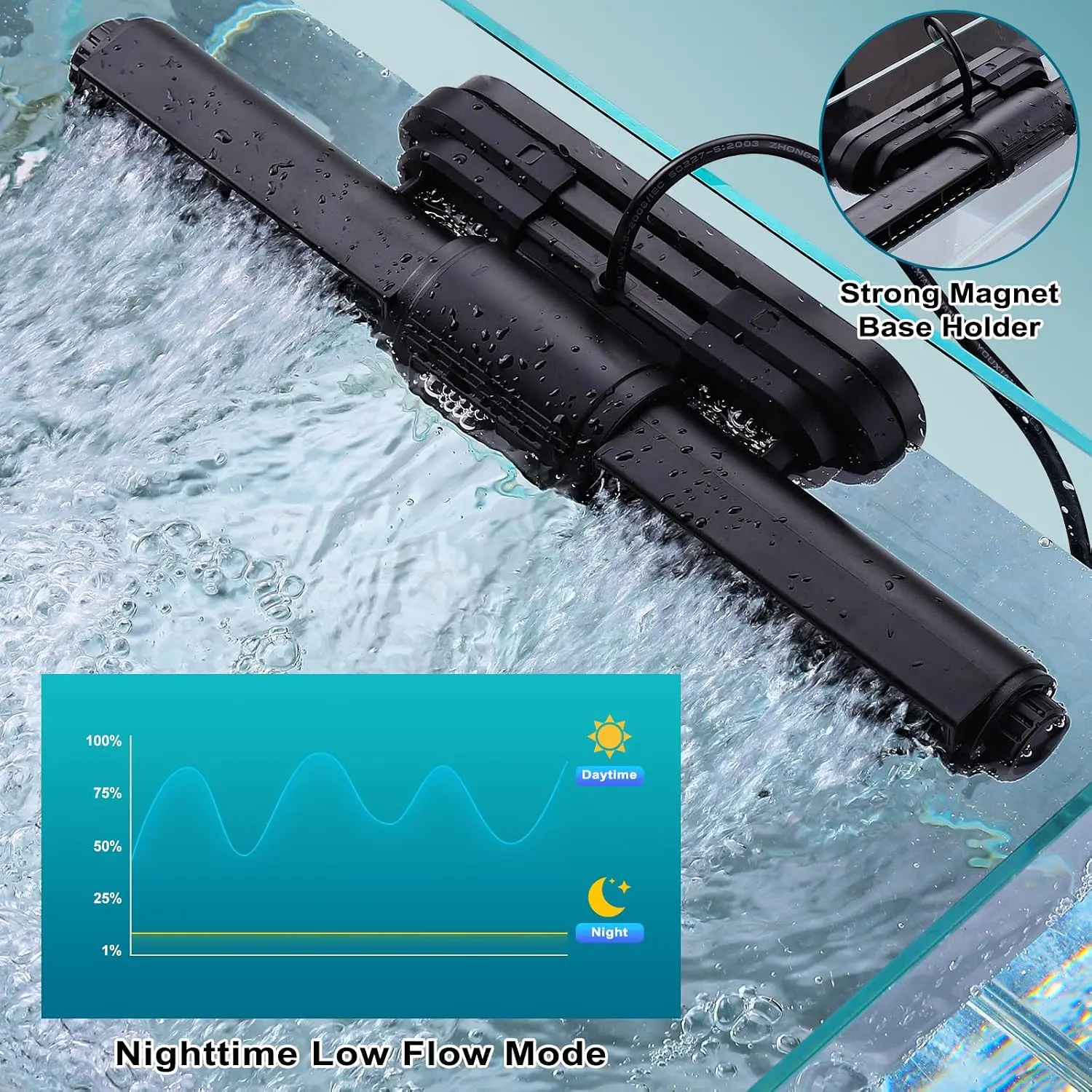
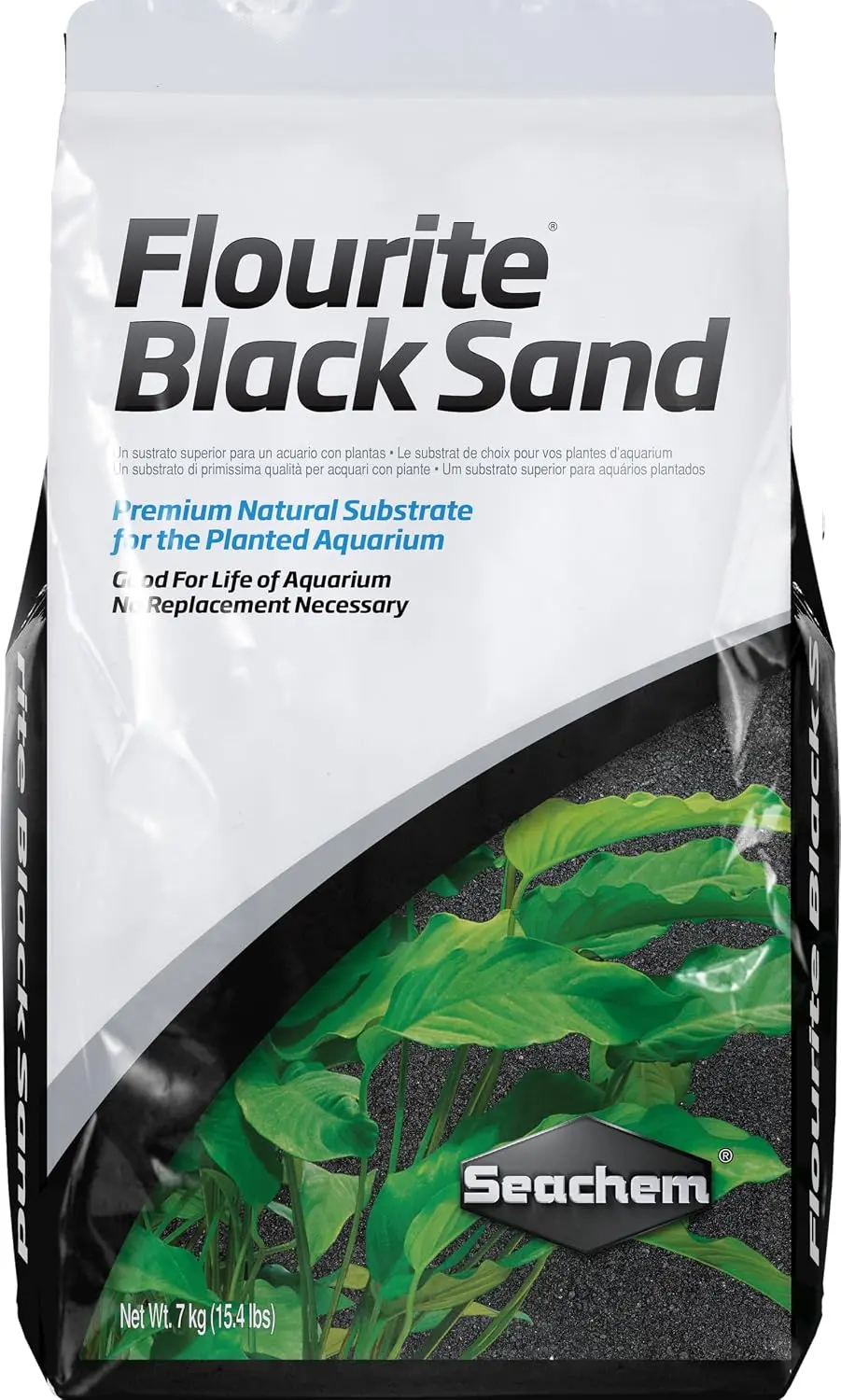
Supplies for 90-P (Nature Aquarium)
We may earn from qualifying purchases
Stocking Recipes
Pre-built species combinations that work well together in this tank.
Peaceful Community
- Apistogramma Mamoré×1Centerpiece
- Chili Rasbora×6Schooling
- African Pipefish×1Bottom Dweller
Bold & Beautiful
- Arrowhead Puffer×1Centerpiece
- Dwarf Molly×6Schooling
- African Butterfly Cichlid×1Bottom Dweller
Nano-Friendly Mix
- Nana Rasbora×6Schooling
- Purple Zebra Shrimp×5Bottom Dweller
Gentle Giants
- Chanchito×1Centerpiece
- Chequered Rainbowfish×6Schooling
- Peacock Eel×1Bottom Dweller
Low Maintenance Setup
- Chili Rasbora×6Schooling
- Yellow Shrimp×6Bottom Dweller
Schooling Showcase
- Chili Rasbora×6Schooling
- Agassiz Cory×6Bottom Dweller
Commonly Mis-Stocked
These fish are frequently added to this tank but may outgrow it or cause problems. Proceed with caution.
Kabia rainbowfish requires at least 100cm of swimming length, which is 11% longer than this tank's 90cm.
African Clawed Frog fits this tank now but grows rapidly — monitor closely and be prepared to upgrade.
American Grass Shrimp fits this tank now but grows rapidly — monitor closely and be prepared to upgrade.
Apple Snail fits this tank now but grows rapidly — monitor closely and be prepared to upgrade.
Aurora Yellow Mbuna requires at least 100cm of swimming length, which is 11% longer than this tank's 90cm.
Australian Smelt fits this tank now but grows rapidly — monitor closely and be prepared to upgrade.
Black Marble Hoplo fits this tank now but grows rapidly — monitor closely and be prepared to upgrade.
Bladder Snail (Pest Snail) fits this tank now but grows rapidly — monitor closely and be prepared to upgrade.
Blue Pearl Shrimp fits this tank now but grows rapidly — monitor closely and be prepared to upgrade.
Buenos Aires Tetra fits this tank now but grows rapidly — monitor closely and be prepared to upgrade.
Butterfly Peacock Cichlid needs at least 208L, which is 14% more than this tank's 182L capacity.
Cherry Shrimp fits this tank now but grows rapidly — monitor closely and be prepared to upgrade.
Show 47 more warnings
Centerpiece Fish
Bold, eye-catching species that serve as the focal point of your tank. Typically kept singly or in pairs.
Abei Puffer
Pao abei
A highly intelligent, interactive, and aggressive freshwater pufferfish native to the Mekong basin. They feature an earthy base color speckled with bright orange or pale spots. As true ambush predators and molluscivores, they require hard-shelled foods like snails and crustaceans to naturally file down their ever-growing teeth. Due to their extreme territoriality and formidable bite, they are widely considered a 'wet pet' and must be kept strictly alone.
Aequidens sp. Atabapo
Aequidens sp. Atabapo
A rare, undescribed species of Acara native to the blackwater Rio Atabapo in South America. They are characterized by small spots on the head and a typical robust, deep Aequidens body. Like other Acaras, they are moderately aggressive (especially when breeding) and thrive in very soft, warm, acidic water with sandy substrates and leaf litter.
African Butterfly Fish
Pantodon buchholzi
A fascinating, prehistoric-looking surface dweller native to the slow-moving waters of West Africa. They are strictly top-dwelling ambush predators with a completely flat back and upturned mouth designed to hunt insects and small fish. A tight-fitting lid is absolutely mandatory as they are exceptional jumpers capable of gliding above the water.
African Clawed Frog
Xenopus laevis
A fully aquatic, highly active amphibian. DO NOT confuse with the peaceful, nano-sized African Dwarf Frog. The African Clawed Frog grows much larger and will voraciously eat any fish or invertebrate that fits in its mouth. They lack teeth and tongues, using their clawed, webbed hands to shovel food into their mouths. They require a tight-fitting lid (they are notorious escape artists) and prefer cooler water, low flow, and smooth substrate to protect their sensitive skin.
African Jewel Cichlid
Hemichromis bimaculatus
A strikingly beautiful but notoriously aggressive West African riverine cichlid. Unlike the alkaline-loving Rift Lake cichlids (e.g., Mbuna), Jewel Cichlids prefer neutral, softer water parameters. They are renowned for their brilliant red breeding dress and iridescent blue spots, but also for their extreme territoriality, especially when forming pairs and spawning. They are avid diggers and will uproot most plants.
Agassiz's Dwarf Cichlid
Apistogramma agassizii
A stunning South American dwarf cichlid known for its distinct spade-shaped tail and brilliant color morphs. They are bottom-dwelling micro-predators that sift sand for food. While generally peaceful in community tanks, they are highly territorial when breeding. They thrive in soft, acidic blackwater conditions.
Show 141 more centerpiece fish
Schooling Fish
Active swimmers best kept in groups. They bring movement and colour to the mid and upper levels of your tank.
Ajamaru Rainbowfish
Melanotaenia ajamaruensis
A highly active, schooling rainbowfish endemic to the Ayamaru Lakes in West Papua, Indonesia. Currently listed as Critically Endangered in the wild. It is closely related to Boeseman's Rainbowfish but possesses a notably more slender body and more prominent reddish-brown horizontal striping. They thrive in hard, alkaline water with dense vegetation and require significant horizontal swimming space.
Australian Smelt
Retropinna semoni
A slender, silvery schooling fish native to Australia. They are pelagic and found in huge numbers in the wild across freshwater rivers, billabongs, and brackish estuaries. Known for their distinct cucumber-like odor when handled. In the aquarium, they are highly sensitive to handling and require mature, stable water with plenty of open swimming space. Best kept in single-species setups or with very peaceful, temperate tank mates.
Beckford's Pencilfish
Nannostomus beckfordi
A peaceful, slender schooling fish native to the sluggish rivers and swamps of South America. They are famous for the males' harmless but spectacular lateral sparring displays. They require heavily planted aquariums with gentle flow and make excellent tank mates for other peaceful, soft-water species. A tight-fitting lid is essential as they are known to be proficient jumpers.
Black Neon Tetra
Hyphessobrycon herbertaxelrodi
A peaceful, active schooling fish native to the Paraguay basin. Known for its striking contrast of a dark black lateral stripe underneath a glowing iridescent white/green-gold stripe. Excellent for community aquariums, particularly in planted setups or blackwater biotope tanks with subdued lighting.
Black Phantom Tetra
Hyphessobrycon megalopterus
A peaceful, deep-bodied schooling tetra native to the Guaporé and Paraguay river basins. They are named for the distinct 'phantom' black patch behind their gills. They thrive in heavily planted tanks with subdued lighting (often achieved via floating plants or blackwater conditions). Males engage in spectacular but harmless 'mock battles' where they flare their fins at each other.
Black-Banded Rainbowfish
Melanotaenia nigrans
The Black-Banded Rainbowfish is a lively, peaceful schooling fish native to northern Australia. Recognized as the first scientifically described species in its genus, they are prized for their dark mid-lateral stripe and energetic swimming behavior. They are highly adaptable, occurring in freshwater streams and occasionally brackish estuaries in the wild.
Show 105 more schooling fish
Bottom Dwellers
Species that inhabit the lower reaches of the aquarium, helping keep the substrate clean and adding activity to the tank floor.
Adolfo Cory
Corydoras adolfoi
Adolfo's Corydoras is a highly sought-after, peaceful schooling catfish native to the blackwater habitats of the Rio Negro basin. They are easily identified by their bright orange nape and distinct black eye stripe. Like all corydoras, they require soft sand substrate to protect their delicate sensory barbels as they constantly sift the bottom for food.
African Butterfly Cichlid
Anomalochromis thomasi
A peaceful, colorful dwarf cichlid from West Africa. Unlike many cichlids, it is plant-safe and generally suitable for community tanks. It is famous in the hobby as an efficient biological control for pest snails.
African Dwarf Frog
Hymenochirus boettgeri
A fully aquatic amphibian that is peaceful and highly entertaining. They possess lungs and must regularly dart to the surface to breathe air, so tank height should ideally be under 40cm (15 inches). Due to their poor eyesight, they hunt by smell and tactile vibration, making them slow feeders that can easily starve if housed with fast, aggressive fish. They are social creatures that thrive in small groups.
African Pipefish
Enneacampus ansorgii
The African Pipefish is a fascinating, needle-thin relative of the seahorse native to West African streams. They are considered an expert-level oddball because they are very weak swimmers and almost exclusively require tiny live foods (like baby brine shrimp, daphnia, or micro-fauna). They are highly peaceful but will easily starve if housed with fast-moving community fish that outcompete them for food.
Agassiz Cory
Corydoras agassizii
A peaceful, bottom-dwelling armored catfish native to the Amazon River basin. They are easily identified by their silvery body with dark spots and a distinct black mask over their eyes. Like all Corydoras, they are highly social and must be kept in groups. A soft sand substrate is absolutely essential to protect their delicate sensory barbels as they forage.
Amano Shrimp
Caridina multidentata
A highly popular, industrious freshwater shrimp renowned for its unmatched algae-eating abilities. Popularized by aquascaper Takashi Amano, they are significantly larger and hardier than most dwarf shrimp (like Cherry Shrimp). They are notorious food-thieves during feeding time and excellent escape artists, requiring a tight-fitting lid. Their larvae require saltwater to develop, so they will not overpopulate in a freshwater aquarium.
Show 150 more bottom dwellers
Other Compatible Species
Additional species that are compatible with this tank size but don't fall neatly into the categories above.
Amazon Leaf Fish
Monocirrhus polyacanthus
A master of camouflage that perfectly mimics a dead leaf drifting in the water. This species is an extreme ambush predator with a protruding jaw that can swallow prey up to 75% of its own size. It is a 'specialist' species because nearly all specimens require live food (small fish/shrimp) and refuse dry or frozen foods. Requires acidic, blackwater conditions and zero flow.
Balloon Molly
Poecilia latipinna hybrid
A selectively bred morphological variant characterized by a shortened spine and a rounded, balloon-like belly. Due to their altered anatomy, they are poorer swimmers than standard mollies and are prone to digestive and swim bladder issues. Like all mollies, they thrive in hard, alkaline water, appreciate algae in their diet, and are highly tolerant of brackish conditions.
Betta Imbellis
Betta imbellis
Known as the 'Peaceful Betta', Betta imbellis is a wild species closely related to Betta splendens. Unlike their highly aggressive domestic cousins, they can often be kept in pairs or carefully managed groups. They are native to blackwater swamps and require calm, tannin-stained water with plenty of cover. They are exceptionally prone to jumping.
Endler's Livebearer
Poecilia wingei
A tiny, vibrant, and highly active livebearer closely related to the Guppy. Males display intense, neon colors and patterns, while females are larger and plainly colored. They are prolific breeders and require hard, alkaline water to thrive.
Guppy
Poecilia reticulata
One of the most iconic and widely kept aquarium fish. Renowned for their incredible colors, hardiness, and prolific breeding. As livebearers, they give birth to fully formed, free-swimming fry. Males constantly pursue females for mating; therefore, a ratio of at least 2 females per male is strongly recommended to disperse stress.
Honey Gourami
Trichogaster chuna
The smallest and most peaceful member of the Trichogaster genus. Ideally suited for planted nano aquariums. Unlike the aggressive Dwarf Gourami (*T. lalius*), Honey Gouramis are timid and gentle. True Honey Gouramis rarely exceed 5cm. Note: Many bright red fish sold as 'Red Honey' or 'Red Robin' are actually Thick-lipped Gouramis (*T. labiosa*), which grow larger.
Frequently Asked Questions — 90-P (Nature Aquarium)
How many fish can I put in a 90-P (Nature Aquarium)?
The 90-P (Nature Aquarium) (182 L / 48 gal) is compatible with 428 species in our database. The actual number of individual fish depends on the species mix — use the stocking recipes above as a starting point and aim to keep the total bioload below 85% of capacity.
What is the best centrepiece fish for a 90-P (Nature Aquarium)?
Popular centrepiece options for this tank include Abei Puffer, Aequidens sp. Atabapo, African Butterfly Fish. A centrepiece fish should be the focal point of your aquarium — choose one with colours and behaviour that complement your other species.
What schooling fish work in a 90-P (Nature Aquarium)?
Great schooling options include Ajamaru Rainbowfish, Australian Smelt, Beckford's Pencilfish. Schooling fish should be kept in groups of at least 6 to encourage natural behaviour and reduce stress.
What bottom dwellers suit a 90-P (Nature Aquarium)?
Suitable bottom dwellers include Adolfo Cory, African Butterfly Cichlid, African Dwarf Frog. These species occupy the lower zone of your tank, helping to keep the substrate tidy and adding activity to an often-overlooked area.
What temperature should a 90-P (Nature Aquarium) be?
The ideal temperature depends on the species you keep. Most tropical freshwater fish thrive between 24–27°C (75–80°F). Check each species' requirements and aim for the overlapping range that suits all your inhabitants.
Tank equipment picks
We may earn from qualifying purchases

Guidarium Editorial Desk
Reviewed against Guidarium care, stocking, and compatibility standards. Read the editorial policy.
- Last reviewed
- May 11, 2026
- Last updated
- May 11, 2026
- Issues or corrections?
- Contact the editorial team