
Bumblebee Goby (Brackish)
Brachygobius xanthozonus
A miniature, bottom-dwelling goby famous for its striking black and yellow stripes. While they are often sold as freshwater fish and can survive in it temporarily, they are highly susceptible to fungal infections in fresh water and truly require a brackish setup (SG 1.002-1.005) to thrive long-term. They are notoriously picky eaters, often ignoring flakes in favor of live or frozen foods (like bloodworms or brine shrimp).
Bumblebee Goby (Brackish) At a Glance
Bumblebee Goby (Brackish) Tank Requirements
Will Bumblebee Goby (Brackish) fit in your tank?
Care guides tell you what Bumblebee Goby (Brackish) needs, the next question is whether your tank can safely provide it. Test Bumblebee Goby (Brackish) against your tank size, maintenance needs, and the fish you already keep before you buy.
Bumblebee Goby (Brackish) Water Parameters
Bumblebee Goby (Brackish) Temperament & Compatibility
Bumblebee Goby (Brackish) Varieties
Each variety inherits the species defaults above. Only differences are highlighted.
Standard
The standard form found in the aquarium trade. Best kept in species-only brackish setups or with very peaceful, similarly-sized brackish tank mates. Males will establish tiny territories in empty snail shells or crevices and fiercely defend them from other males.
Same care requirements as the base species
Also known as: Wild Type
Bumblebee Goby (Brackish) Care Guide Summary
The Bumblebee Goby (Brackish), scientifically known as Brachygobius xanthozonus, belongs to the Gobies & Gudgeons family group. Adults reach a maximum size of approximately 4.5 cm and have a depressed body shape with a slow growth rate. Classified as mostly peaceful, this species primarily occupies the bottom zone of the aquarium and produces a low level of biological waste.
To thrive, the Bumblebee Goby (Brackish) requires a brackish required aquarium with a minimum volume of 38 litres and a tank length of at least 45 cm. Water temperature should be maintained between 24°C and 28°C, with a pH range of 7–8.5 and a general hardness of 10–25 dGH. A low water flow is preferred.
Due to its specialist needs, the Bumblebee Goby (Brackish) is best suited for fishkeepers who can provide a carefully planned setup. The Bumblebee Goby (Brackish) is typically available in one standard form.
Bumblebee Goby (Brackish) Habitat Setup
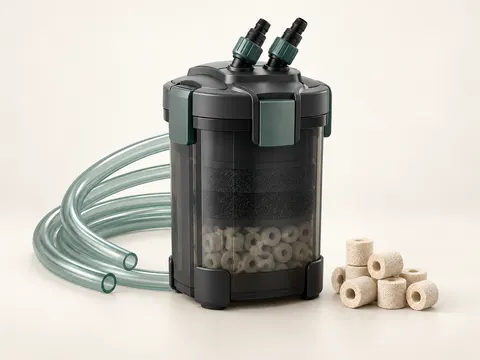
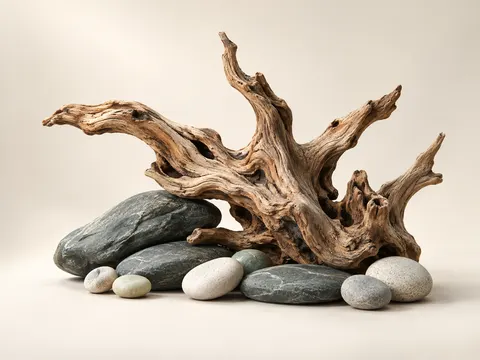
When setting up an aquarium for the Bumblebee Goby (Brackish), a low water flow best suits their natural preferences. Because this species occupies the bottom zone, the aquarium layout should prioritise sufficient floor space with hiding spots among rocks, wood, or dense planting. Useful additions include a sand substrate to accommodate their sifting behaviour, smooth gravel or rounded substrate to protect their sensitive barbels, and shells for breeding and shelter.
Supplies for Bumblebee Goby (Brackish)
We may earn from qualifying purchases


Bumblebee Goby (Brackish) Compatibility Notes
Classified as mostly peaceful, the Bumblebee Goby (Brackish) is a social species that requires the company of its own kind to thrive. When choosing tankmates, ornamental shrimp are not safe companions, conspecific aggression can be intense, especially in smaller tanks, and territorial behaviour may cause issues if hiding spots or floor space are limited. Selecting tankmates that favour different water layers from the bottom zone can help reduce competition and territorial overlap.
Who Bumblebee Goby (Brackish) Is Actually For
Bumblebee Goby (Brackish) is best for a fishkeeper who wants a species that can settle into a calmer community setup and can provide a keeper who can commit to a proper group of at least 5. It makes the most sense for a hobbyist who will actually build around its needs, especially sand.
The most common mistake is treating Bumblebee Goby (Brackish) like any other community fish and skipping the soft sand it needs to forage safely. Another frequent problem is underestimating its social needs. A token pair or trio often behaves very differently from a real group.
Bumblebee Goby (Brackish) Recommended Tank Sizes
Standard aquarium sizes that meet the minimum volume and length requirements for Bumblebee Goby (Brackish).
10 Gallon Standard
15 Gallon Standard
20 Gallon High
20 Gallon Long
29 Gallon Standard
30 Gallon Breeder
Show 22 more tank sizes
Frequently Asked Questions About Bumblebee Goby (Brackish)
How big does Bumblebee Goby (Brackish) get?
Bumblebee Goby (Brackish) (Brachygobius xanthozonus) typically reaches a maximum adult size of approximately 4.5 cm. They have a depressed body shape and a slow growth rate.
What tank size does Bumblebee Goby (Brackish) need?
A minimum aquarium volume of 38 litres and a tank length of at least 45 cm are recommended for Bumblebee Goby (Brackish). This ensures enough swimming space and helps maintain stable water conditions.
What water parameters does Bumblebee Goby (Brackish) need?
Bumblebee Goby (Brackish) thrives in brackish required conditions with a temperature range of 24–28°C, a pH between 7 and 8.5, and a general hardness of 10–25 dGH. A low water flow is preferred.
Is Bumblebee Goby (Brackish) peaceful or aggressive?
Bumblebee Goby (Brackish) is classified as mostly peaceful with an aggression score of 4 out of 10. They are generally well-suited to peaceful community tanks.
Can Bumblebee Goby (Brackish) live alone?
No, Bumblebee Goby (Brackish) should be kept in groups of at least 5 to reduce stress and encourage natural behaviour.
Is Bumblebee Goby (Brackish) safe with shrimp?
No. Bumblebee Goby (Brackish) is known to eat ornamental shrimp and is not recommended for shrimp tanks. Even larger shrimp species like Amano Shrimp may be at risk.
Does Bumblebee Goby (Brackish) have any special tank requirements?
Yes. Bumblebee Goby (Brackish) benefits from sand (sifters), shells (breeding/hiding), and smooth gravel (sensitive barbels) in the aquarium. These features help replicate their natural habitat and promote overall health and well-being.
Useful setup supplies
We may earn from qualifying purchases



Guidarium Editorial Desk
Reviewed against Guidarium care, stocking, and compatibility standards. Read the editorial policy.
- Last reviewed
- April 28, 2026
- Last updated
- April 28, 2026
- Issues or corrections?
- Contact the editorial team
Top Tank Mates for Bumblebee Goby (Brackish)
These fish are strong compatibility matches for Bumblebee Goby (Brackish) based on water preferences, temperament, adult size, and tank behavior.
Indian Glassfish
Parambassis ranga
Ideal Tank MatesBlack-Banded Rainbowfish
Melanotaenia nigrans
Ideal Tank MatesBalloon Molly
Poecilia latipinna hybrid
Ideal Tank MatesCelebes Rainbowfish
Marosatherina ladigesi
Ideal Tank MatesWrestling Halfbeak
Dermogenys pusilla
Ideal Tank MatesSwordtail
Xiphophorus hellerii
Ideal Tank MatesPlants That Suit Bumblebee Goby (Brackish)
These plants pair well with Bumblebee Goby (Brackish) based on shared water preferences, layout fit, and how likely they are to hold up in the same aquarium.
Dwarf Hairgrass
Eleocharis parvula
Dwarf Sagittaria
Sagittaria subulata
Italian Val
Vallisneria spiralis
Java Fern
Leptochilus pteropus
Java Moss
Taxiphyllum barbieri
Jungle Val
Vallisneria americana
Fish Similar to Bumblebee Goby (Brackish)
Banded Archerfish (Brackish)
Toxotes jaculatrix
Famous for their ability to shoot down insects with a precise jet of water. As surface-dwelling predators native to mangrove estuaries, they require hard, brackish water to thrive long-term. They have a high prey drive and will eat any fish small enough to fit in their mouths. A tight-fitting lid is absolutely mandatory as they are exceptional jumpers.
Figure 8 Puffer (Brackish)
Dichotomyctere ocellatus
A small, highly intelligent, and interactive pufferfish known for the distinctive figure-eight pattern on its back. While often sold as freshwater fish, they strictly require a low-end brackish environment (Specific Gravity 1.005-1.008) for long-term health and a full lifespan. They are aggressive fin-nippers and strict carnivores that require hard-shelled foods (like snails) to keep their continuously growing teeth trimmed.
Neon Blue Goby
Stiphodon atropurpureus
A stunning, specialized freshwater goby native to fast-flowing hill streams in Asia. Males display brilliant neon blue metallic coloration, while females are striped. They are specialized biofilm grazers ('Aufwuchs' eaters) and require mature tanks with established algae/biofilm stones. They are obligate stream dwellers requiring high oxygen and strong flow.
Scarlet Badis
Dario dario
One of the smallest known aquarium fish, resembling a tiny jewel. Males display brilliant vertical red and iridescent blue stripes. While beautiful, they are known for being extremely picky eaters, often refusing dry foods and requiring live or frozen micro-foods (Daphnia, Baby Brine Shrimp). Males act like tiny Cichlids and will stake out territories.
Bumblebee Catfish (South American)
Microglanis iheringi
The South American Bumblebee Catfish is a small, nocturnal bottom-dweller known for its striking yellow and dark brown bands. Highly secretive during the day, it requires plenty of caves, crevices, and driftwood for hiding. While completely peaceful towards larger tank mates, it is a strictly opportunistic predator with a surprisingly large mouth—any fish, fry, or shrimp small enough to swallow will be eaten at night.
Bumblebee Cichlid
Pseudotropheus crabro
A robust and highly aggressive Mbuna from Lake Malawi. They are famous for their rapid color changes; while females and juveniles boast striking yellow and black 'bumblebee' bars, dominant males turn almost completely pitch black. In the wild, they are opportunistic feeders that clean parasites from large catfish and steal their eggs.