
Balloon Molly
Poecilia latipinna hybrid
A selectively bred morphological variant characterized by a shortened spine and a rounded, balloon-like belly. Due to their altered anatomy, they are poorer swimmers than standard mollies and are prone to digestive and swim bladder issues. Like all mollies, they thrive in hard, alkaline water, appreciate algae in their diet, and are highly tolerant of brackish conditions.
Balloon Molly At a Glance
Balloon Molly Tank Requirements
Will Balloon Molly fit in your tank?
Care guides tell you what Balloon Molly needs, the next question is whether your tank can safely provide it. Test Balloon Molly against your tank size, maintenance needs, and the fish you already keep before you buy.
Balloon Molly Water Parameters
Balloon Molly Temperament & Compatibility
Balloon Molly Varieties
Each variety inherits the species defaults above. Only differences are highlighted.
Male
Males possess a modified anal fin called a gonopodium. They relentlessly pursue females to mate. It is highly recommended to keep a ratio of at least 2-3 females per male to disperse harassment.
Differs in 2 traits from base species
Also known as: Male Molly
Female
Females are generally larger and more robust. When housed with males, they will be almost constantly pregnant, dropping live fry every 3-4 weeks. Provide dense plants for fry survival.
Differs in 2 traits from base species
Also known as: Female Molly
Balloon Molly Care Guide Summary
The Balloon Molly, scientifically known as Poecilia latipinna hybrid, belongs to the Livebearers family group. Adults reach a maximum size of approximately 7 cm and have a globular body shape with a moderate growth rate. Classified as mostly peaceful, this species primarily occupies the surface and mid-level zones of the aquarium and produces a high level of biological waste.
To thrive, the Balloon Molly requires a brackish tolerant aquarium with a minimum volume of 75 litres and a tank length of at least 60 cm. Water temperature should be maintained between 24°C and 28°C, with a pH range of 7–8.5 and a general hardness of 12–25 dGH. A low water flow is preferred.
The Balloon Molly is a rewarding species to keep, provided its core environmental needs are met. This species is available in 2 varieties: Male and Female. Each may differ slightly in size, temperament, or care needs, so it is worth checking the specific requirements of the variety you plan to keep.
Balloon Molly Habitat Setup
When setting up an aquarium for the Balloon Molly, a low water flow best suits their natural preferences. Because this species occupies the surface and mid-level zones, the aquarium layout should prioritise adequate surface area with floating cover to make them feel secure near the waterline and open swimming space in the centre of the tank for free movement. Useful additions include an established tank with natural algae growth, as they depend on it as a primary food source and dense planting to provide cover, break sightlines, and reduce stress.
Supplies for Balloon Molly
We may earn from qualifying purchases

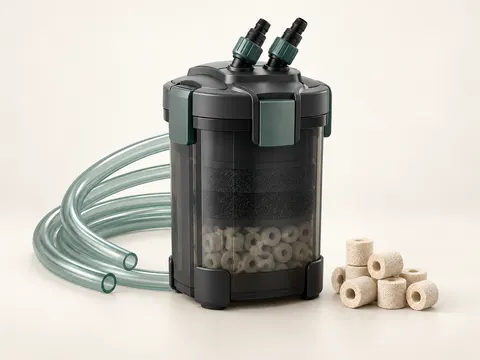


Balloon Molly Compatibility Notes
Classified as mostly peaceful, the Balloon Molly is a social species that requires the company of its own kind to thrive. When choosing tankmates, their energetic swimming style may stress more sedentary or timid species. Selecting tankmates that favour different water layers from the surface and mid-level zones can help reduce competition and territorial overlap.
Who Balloon Molly Is Actually For
Balloon Molly is best for a fishkeeper who wants a species that can settle into a calmer community setup and can provide a keeper who can commit to a proper group of at least 3. It makes the most sense for a hobbyist who will actually build around its needs, especially established algae.
The most common mistake is buying Balloon Molly for looks first and only later discovering how its adult size, behavior, or bioload changes the whole tank plan. Another frequent problem is underestimating its social needs. A token pair or trio often behaves very differently from a real group.
Balloon Molly Recommended Tank Sizes
Standard aquarium sizes that meet the minimum volume and length requirements for Balloon Molly.
20 Gallon High
20 Gallon Long
29 Gallon Standard
30 Gallon Breeder
36 Gallon Bowfront
40 Gallon Breeder
Show 17 more tank sizes
Frequently Asked Questions About Balloon Molly
How big does Balloon Molly get?
Balloon Molly (Poecilia latipinna hybrid) typically reaches a maximum adult size of approximately 7 cm. They have a globular body shape and a moderate growth rate.
What tank size does Balloon Molly need?
A minimum aquarium volume of 75 litres and a tank length of at least 60 cm are recommended for Balloon Molly. This ensures enough swimming space and helps maintain stable water conditions.
What water parameters does Balloon Molly need?
Balloon Molly thrives in brackish tolerant conditions with a temperature range of 24–28°C, a pH between 7 and 8.5, and a general hardness of 12–25 dGH. A low water flow is preferred.
Is Balloon Molly peaceful or aggressive?
Balloon Molly is classified as mostly peaceful with an aggression score of 3 out of 10. They are generally well-suited to peaceful community tanks.
Can Balloon Molly live alone?
No, Balloon Molly should be kept in groups of at least 3 to reduce stress and encourage natural behaviour.
Does Balloon Molly have any special tank requirements?
Yes. Balloon Molly benefits from established algae (otocinclus) and plants - densely covered in the aquarium. These features help replicate their natural habitat and promote overall health and well-being.
Useful setup supplies
We may earn from qualifying purchases




Guidarium Editorial Desk
Reviewed against Guidarium care, stocking, and compatibility standards. Read the editorial policy.
- Last reviewed
- April 29, 2026
- Last updated
- April 29, 2026
- Issues or corrections?
- Contact the editorial team
Top Tank Mates for Balloon Molly
These fish are strong compatibility matches for Balloon Molly based on water preferences, temperament, adult size, and tank behavior.
Xenotilapia ochrogenys
Xenotilapia ochrogenys
Ideal Tank MatesTandanus Catfish
Tandanus tandanus
Ideal Tank MatesPetricola Catfish
Synodontis petricola
Ideal Tank MatesSchwartz's Cory
Corydoras schwartzi
Ideal Tank MatesLeopard Cory
Corydoras leopardus
Ideal Tank MatesGold Laser Cory
Corydoras sp. 'CW010'
Ideal Tank MatesPlants That Suit Balloon Molly
These plants pair well with Balloon Molly based on shared water preferences, layout fit, and how likely they are to hold up in the same aquarium.
Amazon Frogbit
Limnobium laevigatum
Asian Watergrass
Hygroryza aristata
Asian Watermoss
Salvinia cucullata
Beckett's Water Trumpet
Cryptocoryne beckettii
Broad-leaved Crypt
Cryptocoryne pontederiifolia
Carolina Fanwort
Cabomba caroliniana
Fish Similar to Balloon Molly
Molly (Sailfin/Black/Dalmatian)
Poecilia sphenops
Mollies are active, hardy livebearers native to the Americas. They are famous for their ability to adapt to fresh, brackish, and even full marine water. They are voracious eaters (including algae) and produce a high bioload for their size. Note: 'Molly' covers several species; the Short-finned (*P. sphenops*) and the much larger Sailfin (*P. latipinna* and *P. velifera*).
Sailfin Molly
Poecilia latipinna
A large, highly active livebearer famous for the male's spectacular, sail-like dorsal fin. They are strictly hard-water fish and are prone to the 'shimmies' or secondary infections in soft, acidic water. They are excellent algae grazers and prolific breeders. Males relentlessly pursue females, so a minimum ratio of 1 male to 2 females is required to prevent exhaustion.
Dwarf Molly
Poecilia chica
The Dwarf Molly is a rare and peaceful livebearer native to Mexico. It is the smallest member of the True Mollies. They thrive in strictly freshwater environments without the need for added salt, provided the water is hard and alkaline. They are active, constantly grazing on algae, and should be kept in groups with a higher ratio of females to males to reduce reproductive harassment.
African Lungfish
Protopterus annectens
An ancient, fascinating oddball fish capable of surviving droughts by aestivating in mud cocoons. It is an obligate air-breather with a powerful bite. Highly predatory and completely intolerant of tank mates, it should be kept strictly solitary. Requires a heavy, secure lid as they are notorious and powerful escape artists.
Colombian Shark Catfish (Brackish)
Ariopsis seemanni
A highly active, shark-like catfish that undergoes a dramatic physiological change during its life. While often sold as freshwater fish, juveniles require brackish water and adults MUST be transitioned to high-brackish or full marine conditions to survive and prevent disease. They are predatory and will eat any fish small enough to fit in their mouths. Caution: Their dorsal and pectoral spines are venomous.
Asian Upside Down Catfish
Mystus leucophasis
A fascinating but highly aggressive bagrid catfish from Myanmar that spends almost its entire life swimming inverted. Unlike the peaceful African Synodontis upside-down catfish, the Asian variety grows large, is fiercely territorial, and will predate on smaller tank mates. They require ample driftwood or caves to rest underneath during the day.