
Spotted Headstander
Chilodus punctatus
A unique, peaceful South American characin known for swimming at a distinct 45-degree, head-down angle. They are highly social, somewhat skittish shoaling fish that thrive in mature, densely planted aquariums. They actively graze on algae and biofilm across surfaces and leaves, though they do not eat ornamental plants. They require stable water parameters and should only be added to mature tanks.
Spotted Headstander At a Glance
Spotted Headstander Tank Requirements
Will Spotted Headstander fit in your tank?
Care guides tell you what Spotted Headstander needs, the next question is whether your tank can safely provide it. Test Spotted Headstander against your tank size, maintenance needs, and the fish you already keep before you buy.
Spotted Headstander Water Parameters
Spotted Headstander Temperament & Compatibility
Spotted Headstander Varieties
Each variety inherits the species defaults above. Only differences are highlighted.
Standard
The standard form found in the aquarium trade. Must be kept in groups of at least 5 to reduce their natural timidity. They are safe with peaceful community fish but may prey on very small dwarf shrimp.
Same care requirements as the base species
Also known as: Checkered Headstander, Wild Type
Spotted Headstander Care Guide Summary
The Spotted Headstander, scientifically known as Chilodus punctatus, belongs to the Characins family group. Adults reach a maximum size of approximately 7.5 cm and have a fusiform body shape with a moderate growth rate. Classified as peaceful, this species primarily occupies the mid-level and bottom zones of the aquarium and produces a low level of biological waste.
To thrive, the Spotted Headstander requires a freshwater only aquarium with a minimum volume of 110 litres and a tank length of at least 80 cm. Water temperature should be maintained between 24°C and 28°C, with a pH range of 5.5–7.5 and a general hardness of 1–15 dGH. A low water flow is preferred.
Due to its specialist needs, the Spotted Headstander is best suited for fishkeepers who can provide a carefully planned setup. The Spotted Headstander is typically available in one standard form.
Spotted Headstander Habitat Setup
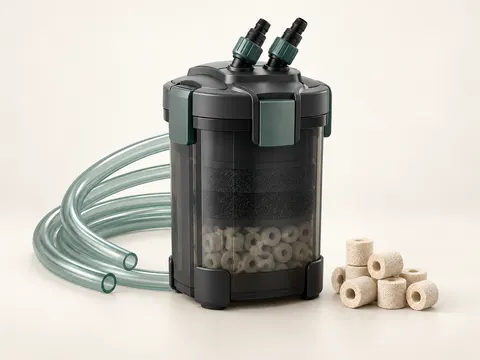
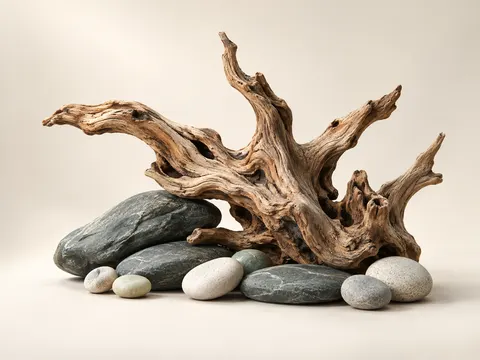
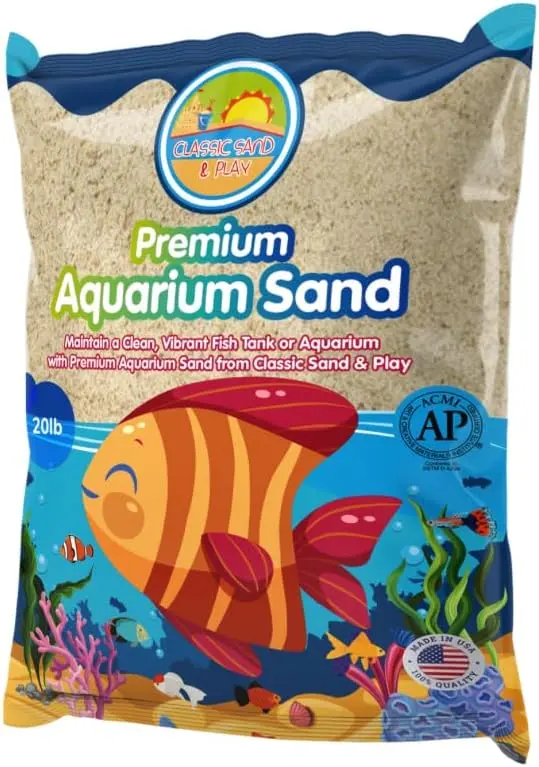
When setting up an aquarium for the Spotted Headstander, a low water flow best suits their natural preferences. Because this species occupies the mid-level and bottom zones, the aquarium layout should prioritise open swimming space in the centre of the tank for free movement and sufficient floor space with hiding spots among rocks, wood, or dense planting. Useful additions include a sand substrate to accommodate their sifting behaviour, driftwood, which can serve as both a hiding place and a dietary supplement, an established tank with natural algae growth, as they depend on it as a primary food source, and dense planting to provide cover, break sightlines, and reduce stress.
Supplies for Spotted Headstander
We may earn from qualifying purchases


Spotted Headstander Compatibility Notes
Classified as peaceful, the Spotted Headstander is a social species that requires the company of its own kind to thrive. When choosing tankmates, ornamental shrimp are not safe companions and boisterous or fast-moving tankmates may cause this species undue stress. Selecting tankmates that favour different water layers from the mid-level and bottom zones can help reduce competition and territorial overlap.
Who Spotted Headstander Is Actually For
Spotted Headstander is best for a fishkeeper who wants a species that can settle into a calmer community setup and can provide a keeper who can commit to a proper group of at least 5. It makes the most sense for a hobbyist who will actually build around its needs, especially plants.
The most common mistake is treating Spotted Headstander like any other community fish and skipping the soft sand it needs to forage safely. Another frequent problem is underestimating its social needs. A token pair or trio often behaves very differently from a real group.
Spotted Headstander Recommended Tank Sizes
Standard aquarium sizes that meet the minimum volume and length requirements for Spotted Headstander.
30 Gallon Breeder
40 Gallon Breeder
55 Gallon Standard
60 Gallon Breeder
75 Gallon Standard
90 Gallon Standard
Show 12 more tank sizes
Frequently Asked Questions About Spotted Headstander
How big does Spotted Headstander get?
Spotted Headstander (Chilodus punctatus) typically reaches a maximum adult size of approximately 7.5 cm. They have a fusiform body shape and a moderate growth rate.
What tank size does Spotted Headstander need?
A minimum aquarium volume of 110 litres and a tank length of at least 80 cm are recommended for Spotted Headstander. This ensures enough swimming space and helps maintain stable water conditions.
What water parameters does Spotted Headstander need?
Spotted Headstander thrives in freshwater only conditions with a temperature range of 24–28°C, a pH between 5.5 and 7.5, and a general hardness of 1–15 dGH. A low water flow is preferred.
Is Spotted Headstander peaceful or aggressive?
Spotted Headstander is classified as peaceful with an aggression score of 2 out of 10. They are generally well-suited to peaceful community tanks.
Can Spotted Headstander live alone?
No, Spotted Headstander should be kept in groups of at least 5 to reduce stress and encourage natural behaviour.
Is Spotted Headstander safe with shrimp?
No. Spotted Headstander is known to eat ornamental shrimp and is not recommended for shrimp tanks. Even larger shrimp species like Amano Shrimp may be at risk.
Does Spotted Headstander have any special tank requirements?
Yes. Spotted Headstander benefits from plants - densely covered, established algae (otocinclus), sand (sifters), and driftwood (digestion/hiding) in the aquarium. These features help replicate their natural habitat and promote overall health and well-being.
Useful setup supplies
We may earn from qualifying purchases



Guidarium Editorial Desk
Reviewed against Guidarium care, stocking, and compatibility standards. Read the editorial policy.
- Last reviewed
- May 11, 2026
- Last updated
- May 11, 2026
- Issues or corrections?
- Contact the editorial team
Top Tank Mates for Spotted Headstander
These fish are strong compatibility matches for Spotted Headstander based on water preferences, temperament, adult size, and tank behavior.
Marbled Hatchetfish
Carnegiella strigata
Ideal Tank MatesTrapdoor Snail
Cipangopaludina chinensis
Ideal Tank MatesTiger Pleco (L002)
Panaqolus sp. L002
Ideal Tank MatesTandanus Catfish
Tandanus tandanus
Ideal Tank MatesStarlight Bristlenose Pleco (L183)
Ancistrus dolichopterus
Ideal Tank MatesSpotted Raphael Catfish
Agamyxis pectinifrons
Ideal Tank MatesPlants That Suit Spotted Headstander
These plants pair well with Spotted Headstander based on shared water preferences, layout fit, and how likely they are to hold up in the same aquarium.
Amazon Frogbit
Limnobium laevigatum
Asian Watergrass
Hygroryza aristata
Asian Watermoss
Salvinia cucullata
Beckett's Water Trumpet
Cryptocoryne beckettii
Broad-leaved Crypt
Cryptocoryne pontederiifolia
Carolina Fanwort
Cabomba caroliniana
Fish Similar to Spotted Headstander
Freshwater Barracuda
Ctenolucius hujeta
The Freshwater Barracuda, or Hujeta Pike Characin, is an elongated, torpedo-shaped ambush predator. It primarily inhabits the upper water levels. Though peaceful with fish too large to swallow, it is a highly efficient piscivore and will readily consume smaller tank mates like Tetras or Guppies. Known to be skittish and prone to fatal jumping, a tight-fitting lid is strictly required.
Head and Tail Light Tetra
Hemigrammus ocellifer
A peaceful, schooling characin named for the reflective copper/gold spots on its head and the base of its tail. These 'lights' evolved to help the school stay together in the dark, tannin-stained waters of the Amazon basin. They are hardy, active, and make excellent community fish for planted aquariums.
Penguin Tetra
Thayeria boehlkei
An active schooling characin instantly recognizable by its bold black horizontal stripe that extends down into the lower half of the tail fin, and its unique, oblique (head-up) swimming posture. They are hardy and do well in community tanks, but must be kept in groups to prevent stress and fin-nipping behavior towards tank mates.
Marbled Hatchetfish
Carnegiella strigata
A uniquely shaped, peaceful surface-dwelling characin famous for its deep, keeled belly and incredible jumping ability. In the wild, they can leap from the water and 'fly' short distances using their powerful pectoral fins to catch insects or escape predators. A tight-fitting lid with absolutely no gaps is mandatory. They require floating plants to feel secure and must be kept in schools.
Frogmouth Catfish
Chaca chaca
An incredibly bizarre ambush predator native to South Asia. With a massive, flat head and cryptic coloration, they perfectly mimic a dead leaf or piece of wood. They are entirely sedentary, moving only to gulp down prey that wanders too close to their cavernous mouths. Because they can easily consume fish up to half their own length, tank mates must be chosen with extreme caution.
Pink Tailed Chalceus
Chalceus macrolepidotus
A large, incredibly active, and fast-swimming characin from South America known for its shimmering silver body and striking pink tail. They are primarily surface dwellers and are notorious jumpers, so a tight-fitting lid is absolutely mandatory. While generally peaceful with larger tankmates, they are predatory and will consume small fish. They must be kept either singly or in a shoal of 6+; small groups often result in severe squabbling.