
Marbled Hatchetfish
Carnegiella strigata
A uniquely shaped, peaceful surface-dwelling characin famous for its deep, keeled belly and incredible jumping ability. In the wild, they can leap from the water and 'fly' short distances using their powerful pectoral fins to catch insects or escape predators. A tight-fitting lid with absolutely no gaps is mandatory. They require floating plants to feel secure and must be kept in schools.
Marbled Hatchetfish At a Glance
Marbled Hatchetfish Tank Requirements
Will Marbled Hatchetfish fit in your tank?
Care guides tell you what Marbled Hatchetfish needs, the next question is whether your tank can safely provide it. Test Marbled Hatchetfish against your tank size, maintenance needs, and the fish you already keep before you buy.
Marbled Hatchetfish Water Parameters
Marbled Hatchetfish Temperament & Compatibility
Marbled Hatchetfish Varieties
Each variety inherits the species defaults above. Only differences are highlighted.
Standard
The standard Marbled Hatchetfish form. Due to their strict surface-dwelling nature and upward-facing mouths, they are easily outcompeted for sinking food and require floating flakes or freeze-dried insects (like bloodworms or daphnia). Best kept in a species-only top layer to avoid stress.
Same care requirements as the base species
Also known as: Wild Type, Common Hatchetfish
Marbled Hatchetfish Care Guide Summary
The Marbled Hatchetfish, scientifically known as Carnegiella strigata, belongs to the Characins family group. Adults reach a maximum size of approximately 4 cm and have a compressed body shape with a moderate growth rate. Classified as peaceful, this species primarily occupies the surface zone of the aquarium and produces a low level of biological waste.
To thrive, the Marbled Hatchetfish requires a freshwater only aquarium with a minimum volume of 60 litres and a tank length of at least 60 cm. Water temperature should be maintained between 24°C and 28°C, with a pH range of 5.5–7.5 and a general hardness of 1–12 dGH. A low water flow is preferred.
The Marbled Hatchetfish is a rewarding species to keep, provided its core environmental needs are met. The Marbled Hatchetfish is typically available in one standard form.
Marbled Hatchetfish Habitat Setup
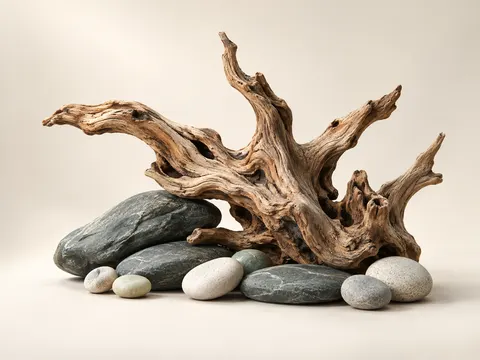
When setting up an aquarium for the Marbled Hatchetfish, a low water flow best suits their natural preferences. Because this species occupies the surface zone, the aquarium layout should prioritise adequate surface area with floating cover to make them feel secure near the waterline. Useful additions include leaf litter or blackwater tannins to replicate their natural soft-water habitat and floating plants to diffuse overhead light and create shaded areas. Keepers should note that a tight-fitting lid is essential, as this species is a known jumper.
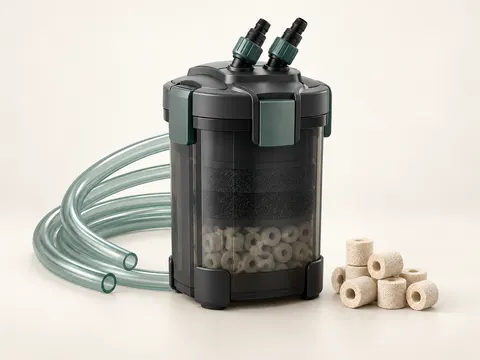
Supplies for Marbled Hatchetfish
We may earn from qualifying purchases


Marbled Hatchetfish Compatibility Notes
Classified as peaceful, the Marbled Hatchetfish is a schooling species that feels most secure in a sizeable group, where natural shoaling behaviour reduces stress and brings out their best colours. When choosing tankmates, boisterous or fast-moving tankmates may cause this species undue stress. Selecting tankmates that favour different water layers from the surface zone can help reduce competition and territorial overlap.
Who Marbled Hatchetfish Is Actually For
Marbled Hatchetfish is best for a fishkeeper who wants a species that can settle into a calmer community setup and can provide a keeper who can commit to a proper group of at least 6. It makes the most sense for a hobbyist who will actually build around its needs, especially plants.
The most common mistake is buying Marbled Hatchetfish for looks first and only later discovering how its adult size, behavior, or bioload changes the whole tank plan. Another frequent problem is underestimating its social needs. A token pair or trio often behaves very differently from a real group.
Marbled Hatchetfish Recommended Tank Sizes
Standard aquarium sizes that meet the minimum volume and length requirements for Marbled Hatchetfish.
20 Gallon High
20 Gallon Long
29 Gallon Standard
30 Gallon Breeder
36 Gallon Bowfront
40 Gallon Breeder
Show 19 more tank sizes
Frequently Asked Questions About Marbled Hatchetfish
How big does Marbled Hatchetfish get?
Marbled Hatchetfish (Carnegiella strigata) typically reaches a maximum adult size of approximately 4 cm. They have a compressed body shape and a moderate growth rate.
What tank size does Marbled Hatchetfish need?
A minimum aquarium volume of 60 litres and a tank length of at least 60 cm are recommended for Marbled Hatchetfish. This ensures enough swimming space and helps maintain stable water conditions.
What water parameters does Marbled Hatchetfish need?
Marbled Hatchetfish thrives in freshwater only conditions with a temperature range of 24–28°C, a pH between 5.5 and 7.5, and a general hardness of 1–12 dGH. A low water flow is preferred.
Is Marbled Hatchetfish peaceful or aggressive?
Marbled Hatchetfish is classified as peaceful with an aggression score of 1 out of 10. They are generally well-suited to peaceful community tanks.
How many Marbled Hatchetfish should be kept together?
Marbled Hatchetfish is a schooling species and should be kept in groups of at least 6. Larger groups help distribute aggression and encourage natural schooling behaviour.
Does Marbled Hatchetfish have any special tank requirements?
Yes. Marbled Hatchetfish benefits from plants - floating and leaf litter/blackwater in the aquarium. These features help replicate their natural habitat and promote overall health and well-being.
Does Marbled Hatchetfish need a lid on the tank?
Yes. Marbled Hatchetfish is a known jumper, and a tight-fitting lid or cover is essential to prevent escape. Even a small gap can be enough for a determined fish to leap out.
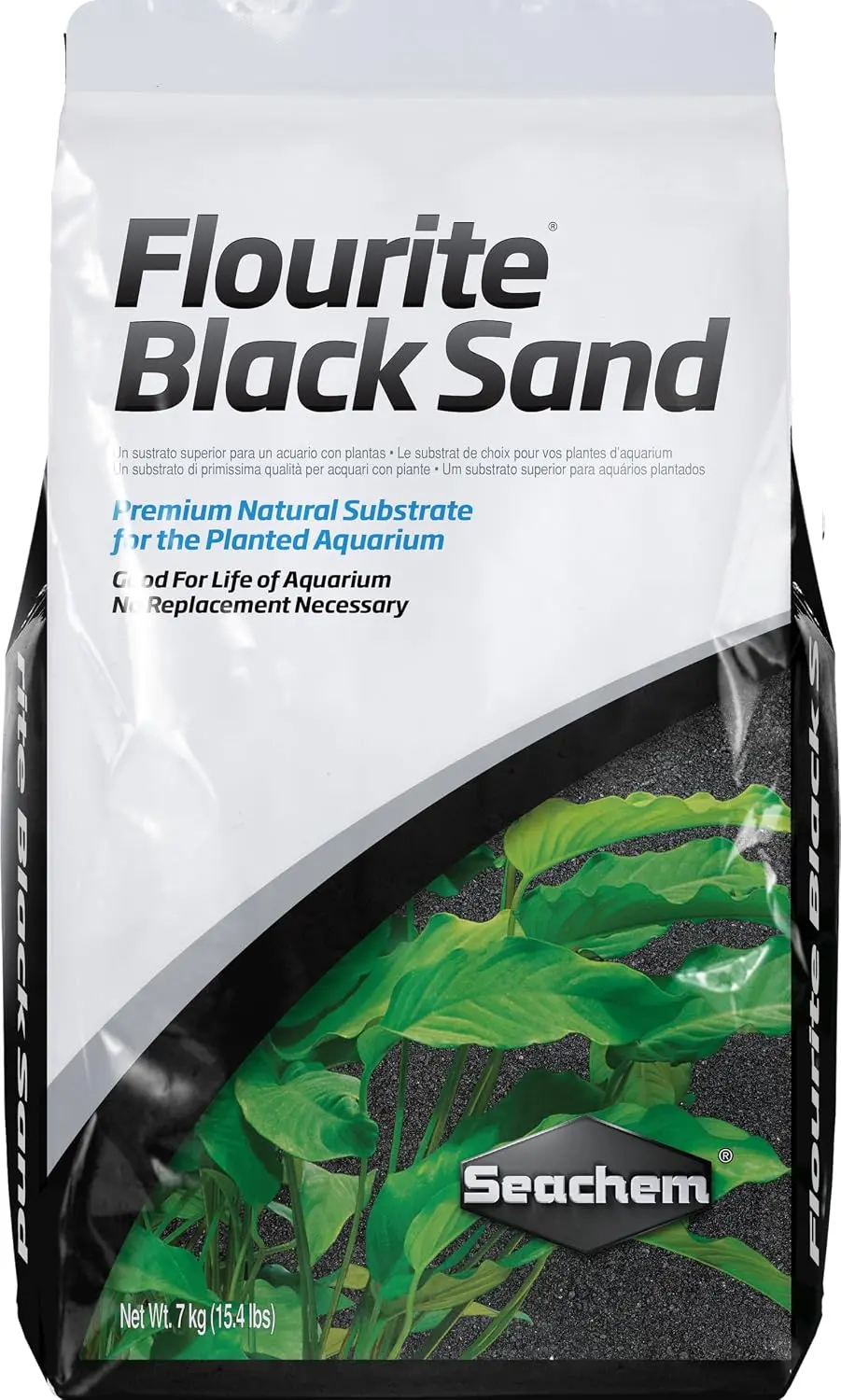
Useful setup supplies
We may earn from qualifying purchases


Guidarium Editorial Desk
Reviewed against Guidarium care, stocking, and compatibility standards. Read the editorial policy.
- Last reviewed
- April 28, 2026
- Last updated
- April 28, 2026
- Issues or corrections?
- Contact the editorial team
Top Tank Mates for Marbled Hatchetfish
These fish are strong compatibility matches for Marbled Hatchetfish based on water preferences, temperament, adult size, and tank behavior.
Trapdoor Snail
Cipangopaludina chinensis
Ideal Tank MatesSnowball Shrimp
Neocaridina cf. zhangjiajiensis var. white
Ideal Tank MatesSpotted Headstander
Chilodus punctatus
Ideal Tank MatesZebra Oto
Otocinclus cocama
Ideal Tank MatesUpside Down Catfish
Synodontis nigriventris
Ideal Tank MatesTwig Catfish
Farlowella vittata
Ideal Tank MatesPlants That Suit Marbled Hatchetfish
These plants pair well with Marbled Hatchetfish based on shared water preferences, layout fit, and how likely they are to hold up in the same aquarium.
Amazon Frogbit
Limnobium laevigatum
Asian Watergrass
Hygroryza aristata
Asian Watermoss
Salvinia cucullata
Carolina Mosquito Fern
Azolla caroliniana
Common Duckweed
Lemna minor
Crystalwort
Riccia fluitans
Fish Similar to Marbled Hatchetfish
Silver Hatchetfish
Gasteropelecus sternicla
A uniquely shaped characin with a deep, keeled belly adapted for surface dwelling. Known as 'flying fish', they possess powerful pectoral fins used to leap from the water to catch insects or escape predators. A tight-fitting lid with absolutely no gaps is mandatory. They are peaceful schooling fish that require open surface swimming space and floating plants to feel secure.
Platinum Hatchet
Thoracocharax stellatus
The Platinum Hatchetfish is a distinctive, deep-chested surface dweller known for its extraordinary jumping ability. They are obligate top-level swimmers that require a strictly sealed, tight-fitting lid to prevent escape. Floating plants are highly recommended to help them feel secure and minimize skittishness. They must be kept in schools to thrive.
Penguin Tetra
Thayeria boehlkei
An active schooling characin instantly recognizable by its bold black horizontal stripe that extends down into the lower half of the tail fin, and its unique, oblique (head-up) swimming posture. They are hardy and do well in community tanks, but must be kept in groups to prevent stress and fin-nipping behavior towards tank mates.
Freshwater Barracuda
Ctenolucius hujeta
The Freshwater Barracuda, or Hujeta Pike Characin, is an elongated, torpedo-shaped ambush predator. It primarily inhabits the upper water levels. Though peaceful with fish too large to swallow, it is a highly efficient piscivore and will readily consume smaller tank mates like Tetras or Guppies. Known to be skittish and prone to fatal jumping, a tight-fitting lid is strictly required.
Spotted Headstander
Chilodus punctatus
A unique, peaceful South American characin known for swimming at a distinct 45-degree, head-down angle. They are highly social, somewhat skittish shoaling fish that thrive in mature, densely planted aquariums. They actively graze on algae and biofilm across surfaces and leaves, though they do not eat ornamental plants. They require stable water parameters and should only be added to mature tanks.
Glass Bloodfin Tetra
Prionobrama filigera
A highly active, schooling characin characterized by its translucent body and striking blood-red anal fin. They are peaceful but exceptionally fast-moving, requiring plenty of open horizontal swimming space in the upper levels of the aquarium. They are known to be skilled jumpers, making a tight-fitting lid mandatory.