
Mosquitofish (Gambusia)
Gambusia affinis
An extremely hardy livebearer historically introduced worldwide for mosquito control. In the aquarium, they are notorious fin-nippers and highly aggressive towards other small fish. They are best kept in species-only setups or indoor/outdoor ponds. Males are significantly smaller than females.
Mosquitofish (Gambusia) At a Glance
Mosquitofish (Gambusia) Tank Requirements
Will Mosquitofish (Gambusia) fit in your tank?
Care guides tell you what Mosquitofish (Gambusia) needs, the next question is whether your tank can safely provide it. Test Mosquitofish (Gambusia) against your tank size, maintenance needs, and the fish you already keep before you buy.
Mosquitofish (Gambusia) Water Parameters
Mosquitofish (Gambusia) Temperament & Compatibility
Mosquitofish (Gambusia) Varieties
Each variety inherits the species defaults above. Only differences are highlighted.
Female (Standard)
Females are significantly larger and bulkier than males, featuring a gravid spot when pregnant. Like other livebearers, they can store sperm and give birth to multiple batches of fry.
Differs in 1 trait from base species
Also known as: Female Gambusia, Standard
Male
Males are much smaller, leaner, and possess a modified anal fin (gonopodium) for reproduction. They relentlessly pursue females, so keeping a ratio of 1 male to 2-3 females is recommended.
Differs in 2 traits from base species
Also known as: Male Gambusia
Mosquitofish (Gambusia) Care Guide Summary
The Mosquitofish (Gambusia), scientifically known as Gambusia affinis, belongs to the Livebearers family group. Adults reach a maximum size of approximately 7 cm and have a fusiform body shape with a fast growth rate. Classified as aggressive, this species primarily occupies the surface and mid-level zones of the aquarium and produces a high level of biological waste.
To thrive, the Mosquitofish (Gambusia) requires a brackish tolerant aquarium with a minimum volume of 38 litres and a tank length of at least 45 cm. Water temperature should be maintained between 12°C and 30°C, with a pH range of 6–8.5 and a general hardness of 5–25 dGH. A moderate water flow is preferred.
Due to its specialist needs, the Mosquitofish (Gambusia) is best suited for fishkeepers who can provide a carefully planned setup. This species is available in 2 varieties: Female (Standard) and Male. Each may differ slightly in size, temperament, or care needs, so it is worth checking the specific requirements of the variety you plan to keep.
Mosquitofish (Gambusia) Habitat Setup
When setting up an aquarium for the Mosquitofish (Gambusia), a moderate water flow best suits their natural preferences. Because this species occupies the surface and mid-level zones, the aquarium layout should prioritise adequate surface area with floating cover to make them feel secure near the waterline and open swimming space in the centre of the tank for free movement. Useful additions include dense planting to provide cover, break sightlines, and reduce stress.
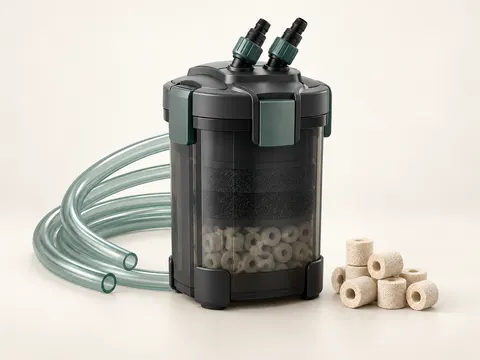
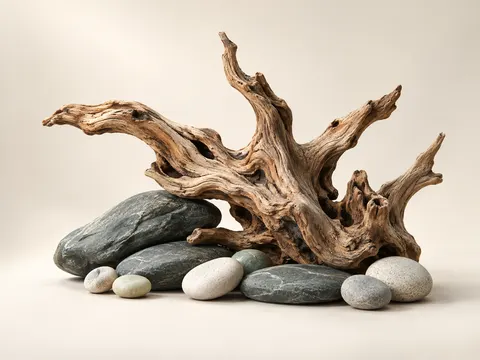
Supplies for Mosquitofish (Gambusia)
We may earn from qualifying purchases


Mosquitofish (Gambusia) Compatibility Notes
Classified as aggressive, the Mosquitofish (Gambusia) is a social species that requires the company of its own kind to thrive. When choosing tankmates, avoid housing with slow-moving or long-finned species that may become targets for fin nipping and their energetic swimming style may stress more sedentary or timid species. Selecting tankmates that favour different water layers from the surface and mid-level zones can help reduce competition and territorial overlap.
Who Mosquitofish (Gambusia) Is Actually For
Mosquitofish (Gambusia) is best for a fishkeeper who expects a species with attitude and plans the tank around that behavior and can provide a keeper who can commit to a proper group of at least 3. It makes the most sense for a hobbyist who will actually build around its needs, especially plants.
The most common mistake is buying Mosquitofish (Gambusia) for looks first and only later discovering how its adult size, behavior, or bioload changes the whole tank plan. Another frequent problem is underestimating its social needs. A token pair or trio often behaves very differently from a real group.
Mosquitofish (Gambusia) Recommended Tank Sizes
Standard aquarium sizes that meet the minimum volume and length requirements for Mosquitofish (Gambusia).
10 Gallon Standard
15 Gallon Standard
20 Gallon High
20 Gallon Long
29 Gallon Standard
30 Gallon Breeder
Show 22 more tank sizes
Frequently Asked Questions About Mosquitofish (Gambusia)
How big does Mosquitofish (Gambusia) get?
Mosquitofish (Gambusia) (Gambusia affinis) typically reaches a maximum adult size of approximately 7 cm. They have a fusiform body shape and a fast growth rate.
What tank size does Mosquitofish (Gambusia) need?
A minimum aquarium volume of 38 litres and a tank length of at least 45 cm are recommended for Mosquitofish (Gambusia). This ensures enough swimming space and helps maintain stable water conditions.
What water parameters does Mosquitofish (Gambusia) need?
Mosquitofish (Gambusia) thrives in brackish tolerant conditions with a temperature range of 12–30°C, a pH between 6 and 8.5, and a general hardness of 5–25 dGH. A moderate water flow is preferred.
Is Mosquitofish (Gambusia) peaceful or aggressive?
Mosquitofish (Gambusia) is classified as aggressive with an aggression score of 7 out of 10. Careful tankmate selection is essential to avoid conflict.
Can Mosquitofish (Gambusia) live alone?
No, Mosquitofish (Gambusia) should be kept in groups of at least 3 to reduce stress and encourage natural behaviour.
Does Mosquitofish (Gambusia) have any special tank requirements?
Yes. Mosquitofish (Gambusia) benefits from plants - densely covered in the aquarium. These features help replicate their natural habitat and promote overall health and well-being.
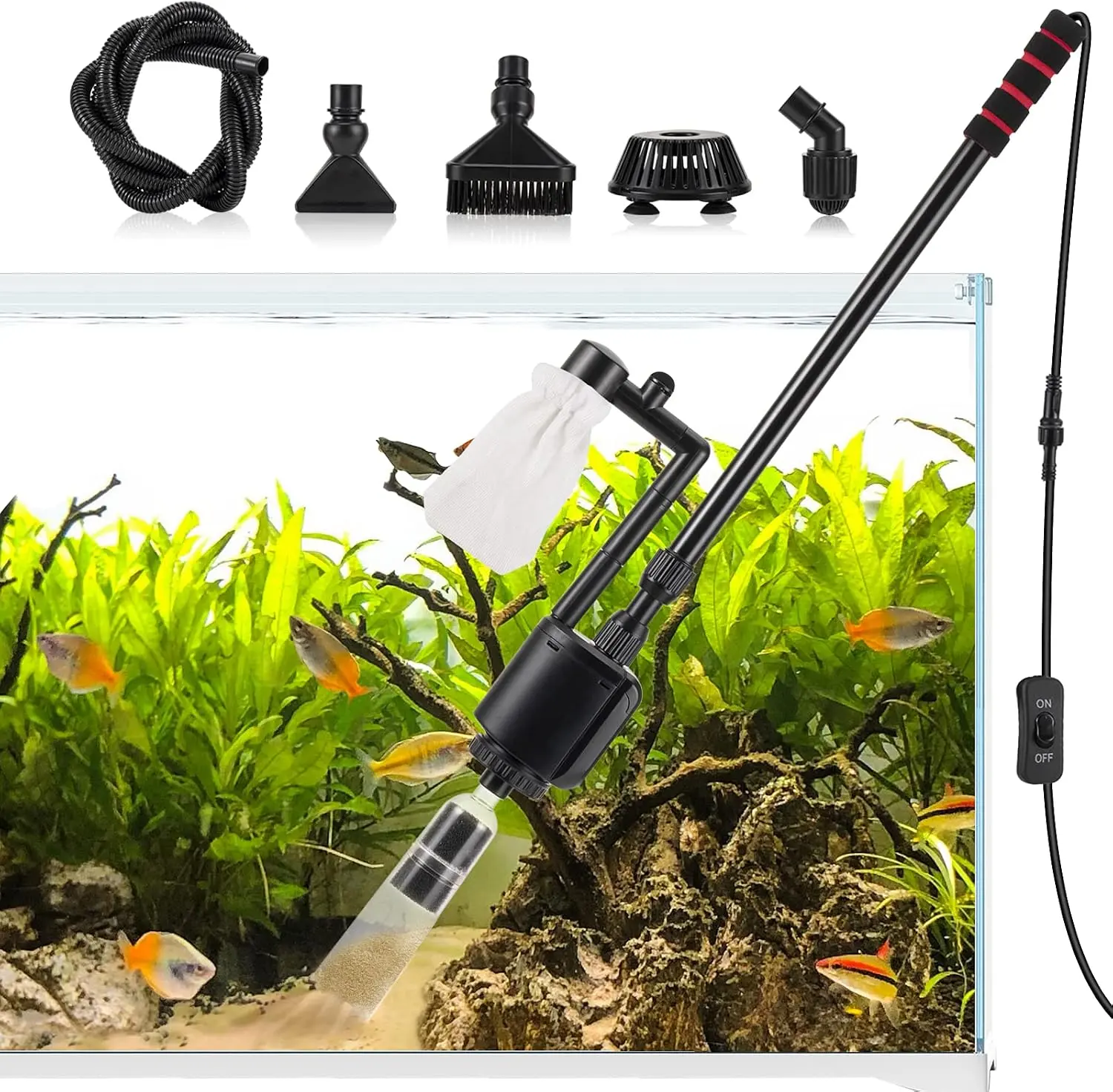
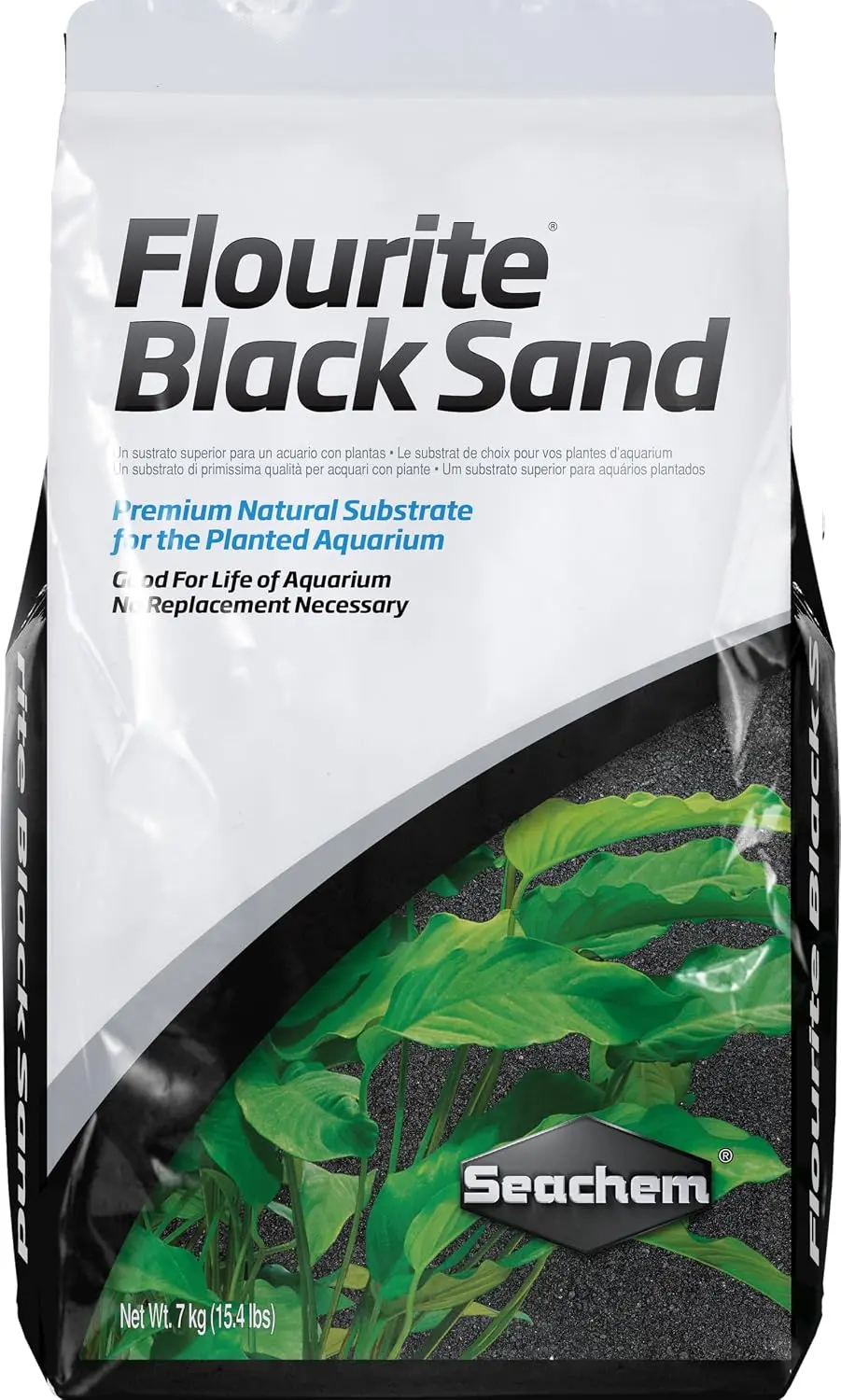
Useful setup supplies
We may earn from qualifying purchases

Guidarium Editorial Desk
Reviewed against Guidarium care, stocking, and compatibility standards. Read the editorial policy.
- Last reviewed
- April 28, 2026
- Last updated
- April 28, 2026
- Issues or corrections?
- Contact the editorial team
Plants That Suit Mosquitofish (Gambusia)
These plants pair well with Mosquitofish (Gambusia) based on shared water preferences, layout fit, and how likely they are to hold up in the same aquarium.
Afzel's Anubias
Anubias afzelii
Amazon Sword
Echinodorus amazonicus
Anubias Barteri
Anubias barteri
Balansae
Cryptocoryne crispatula
Broadleaf Crinum
Crinum natans
Broadleaf Sagittaria
Sagittaria latifolia
Fish Similar to Mosquitofish (Gambusia)
Dusky Millions Fish
Phalloceros caudimaculatus
A highly adaptable, sub-tropical livebearer native to South America. Known for its hardiness, it thrives in unheated aquariums and can tolerate mildly brackish water. Unlike many common livebearers, they are voracious algae grazers and may damage soft-leaved plants. Males relentlessly pursue females to mate, so keeping a ratio of at least 2-3 females per male is strongly advised.
Least Killifish (Heterandria)
Heterandria formosa
Despite its common name, the Least Killifish is actually one of the smallest livebearing fish in the world, belonging to the Poeciliidae family, not the killifish family. Native to the southeastern United States, they are incredibly peaceful and perfect for nano tanks. Unlike most livebearers, they exhibit 'superfoetation', meaning females drop 1-2 fry every few days rather than a large single brood.
Bumblebee Goby (Brackish)
Brachygobius xanthozonus
A miniature, bottom-dwelling goby famous for its striking black and yellow stripes. While they are often sold as freshwater fish and can survive in it temporarily, they are highly susceptible to fungal infections in fresh water and truly require a brackish setup (SG 1.002-1.005) to thrive long-term. They are notoriously picky eaters, often ignoring flakes in favor of live or frozen foods (like bloodworms or brine shrimp).
Zebra Danio
Danio rerio
One of the most robust and active aquarium fish available. Native to South Asia, they are a model organism in science due to their genetics. They are extremely active top-level swimmers that must be kept in schools to prevent stress and fin-nipping. They prefer cooler, oxygen-rich water with a current.
Bristlenose Pleco
Ancistrus cf. cirrhosus
A highly popular, hardy, and relatively small suckermouth catfish. Excellent algae eaters that stay much smaller than Common Plecos, making them suitable for standard aquariums. They require dietary wood (driftwood) to aid in digestion and plenty of hiding caves.
Reedfish (Ropefish)
Erpetoichthys calabaricus
An ancient, eel-like species from West Africa closely related to Bichirs. They are famous for their snake-like appearance and gentle nature. Unlike Bichirs, Ropefish are social and prefer to be kept in groups. They are nocturnal hunters using smell to find food. WARNING: They are legendary escape artists; a tight-fitting lid without even the smallest gap is 100% mandatory.