
Wrestling Halfbeak
Dermogenys pusilla
A unique, surface-dwelling livebearer known for its elongated, pike-like lower jaw. Males are famous for 'wrestling' by locking jaws to establish dominance. They are strictly top-dwellers and excellent jumpers, requiring a tight-fitting lid to prevent escapes and snout injuries. They prefer hard, alkaline water and thrive in both freshwater and slightly brackish conditions.
Wrestling Halfbeak At a Glance
Wrestling Halfbeak Tank Requirements
Will Wrestling Halfbeak fit in your tank?
Care guides tell you what Wrestling Halfbeak needs, the next question is whether your tank can safely provide it. Test Wrestling Halfbeak against your tank size, maintenance needs, and the fish you already keep before you buy.
Wrestling Halfbeak Water Parameters
Wrestling Halfbeak Temperament & Compatibility
Wrestling Halfbeak Varieties
Each variety inherits the species defaults above. Only differences are highlighted.
Female
Females are significantly larger than males (up to 7cm) and lack red/yellow coloration on their fins. They are generally peaceful and should outnumber males (e.g., a 2:1 or 3:1 ratio) to minimize harassment from constant breeding attempts.
Differs in 2 traits from base species
Also known as: Standard, Female Halfbeak
Male
Males are much smaller (around 4cm), more colorful, and highly territorial. They frequently lock their delicate jaws to 'wrestle' for dominance. It is best to keep only one male per tank unless the tank is large enough (90cm+) to disperse aggression and establish distinct territories.
Differs in 3 traits from base species
Also known as: Wrestling Male, Silver
Wrestling Halfbeak Care Guide Summary
The Wrestling Halfbeak, scientifically known as Dermogenys pusilla, belongs to the Livebearers family group. Adults reach a maximum size of approximately 7 cm and have a fusiform body shape with a moderate growth rate. Classified as mostly peaceful, this species primarily occupies the surface zone of the aquarium and produces a low level of biological waste.
To thrive, the Wrestling Halfbeak requires a brackish tolerant aquarium with a minimum volume of 55 litres and a tank length of at least 60 cm. Water temperature should be maintained between 24°C and 28°C, with a pH range of 7–8.5 and a general hardness of 10–20 dGH. A moderate water flow is preferred.
The Wrestling Halfbeak is a rewarding species to keep, provided its core environmental needs are met. This species is available in 2 varieties: Female and Male. Each may differ slightly in size, temperament, or care needs, so it is worth checking the specific requirements of the variety you plan to keep.
Wrestling Halfbeak Habitat Setup
When setting up an aquarium for the Wrestling Halfbeak, a moderate water flow best suits their natural preferences. Because this species occupies the surface zone, the aquarium layout should prioritise adequate surface area with floating cover to make them feel secure near the waterline. Useful additions include floating plants to diffuse overhead light and create shaded areas. Keepers should note that a tight-fitting lid is essential, as this species is a known jumper.
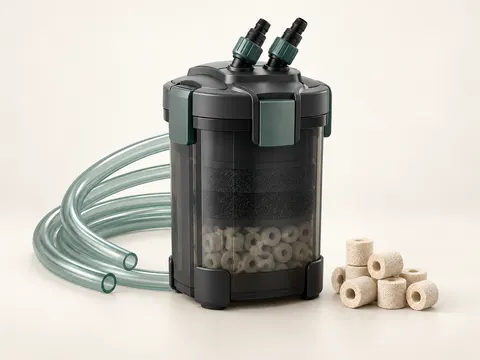
Supplies for Wrestling Halfbeak
We may earn from qualifying purchases



Wrestling Halfbeak Compatibility Notes
Classified as mostly peaceful, the Wrestling Halfbeak is a social species that requires the company of its own kind to thrive. When choosing tankmates, conspecific aggression can be intense, especially in smaller tanks and their energetic swimming style may stress more sedentary or timid species. Selecting tankmates that favour different water layers from the surface zone can help reduce competition and territorial overlap.
Who Wrestling Halfbeak Is Actually For
Wrestling Halfbeak is best for a fishkeeper who wants a species that can settle into a calmer community setup and can provide a keeper who can commit to a proper group of at least 4. It makes the most sense for a hobbyist who will actually build around its needs, especially plants.
The most common mistake is buying Wrestling Halfbeak for looks first and only later discovering how its adult size, behavior, or bioload changes the whole tank plan. Another frequent problem is underestimating its social needs. A token pair or trio often behaves very differently from a real group.
Wrestling Halfbeak Recommended Tank Sizes
Standard aquarium sizes that meet the minimum volume and length requirements for Wrestling Halfbeak.
15 Gallon Standard
20 Gallon High
20 Gallon Long
29 Gallon Standard
30 Gallon Breeder
36 Gallon Bowfront
Show 20 more tank sizes
Frequently Asked Questions About Wrestling Halfbeak
How big does Wrestling Halfbeak get?
Wrestling Halfbeak (Dermogenys pusilla) typically reaches a maximum adult size of approximately 7 cm. They have a fusiform body shape and a moderate growth rate.
What tank size does Wrestling Halfbeak need?
A minimum aquarium volume of 55 litres and a tank length of at least 60 cm are recommended for Wrestling Halfbeak. This ensures enough swimming space and helps maintain stable water conditions.
What water parameters does Wrestling Halfbeak need?
Wrestling Halfbeak thrives in brackish tolerant conditions with a temperature range of 24–28°C, a pH between 7 and 8.5, and a general hardness of 10–20 dGH. A moderate water flow is preferred.
Is Wrestling Halfbeak peaceful or aggressive?
Wrestling Halfbeak is classified as mostly peaceful with an aggression score of 4 out of 10. They are generally well-suited to peaceful community tanks.
Can Wrestling Halfbeak live alone?
No, Wrestling Halfbeak should be kept in groups of at least 4 to reduce stress and encourage natural behaviour.
Does Wrestling Halfbeak have any special tank requirements?
Yes. Wrestling Halfbeak benefits from plants - floating in the aquarium. These features help replicate their natural habitat and promote overall health and well-being.
Does Wrestling Halfbeak need a lid on the tank?
Yes. Wrestling Halfbeak is a known jumper, and a tight-fitting lid or cover is essential to prevent escape. Even a small gap can be enough for a determined fish to leap out.
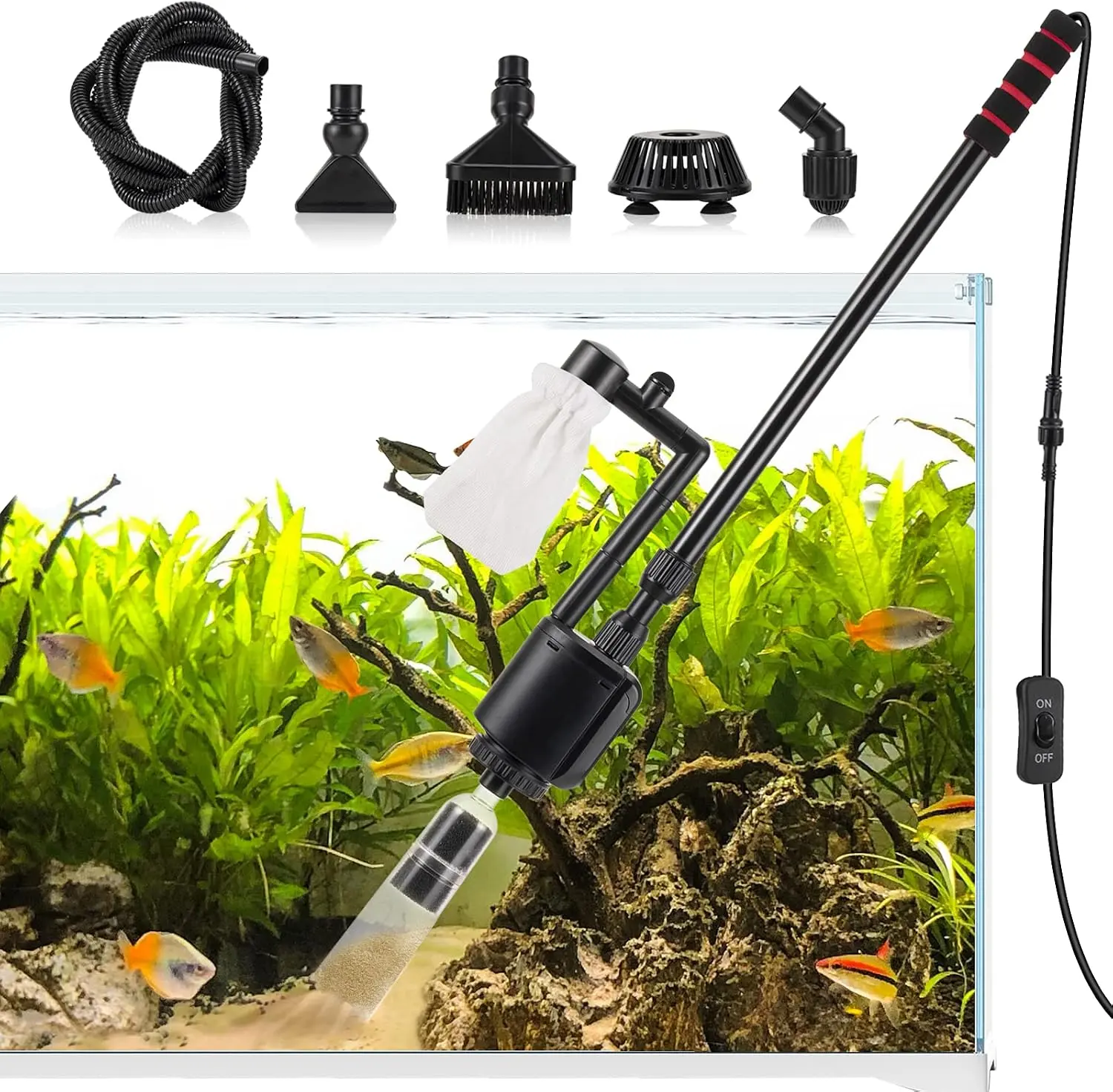
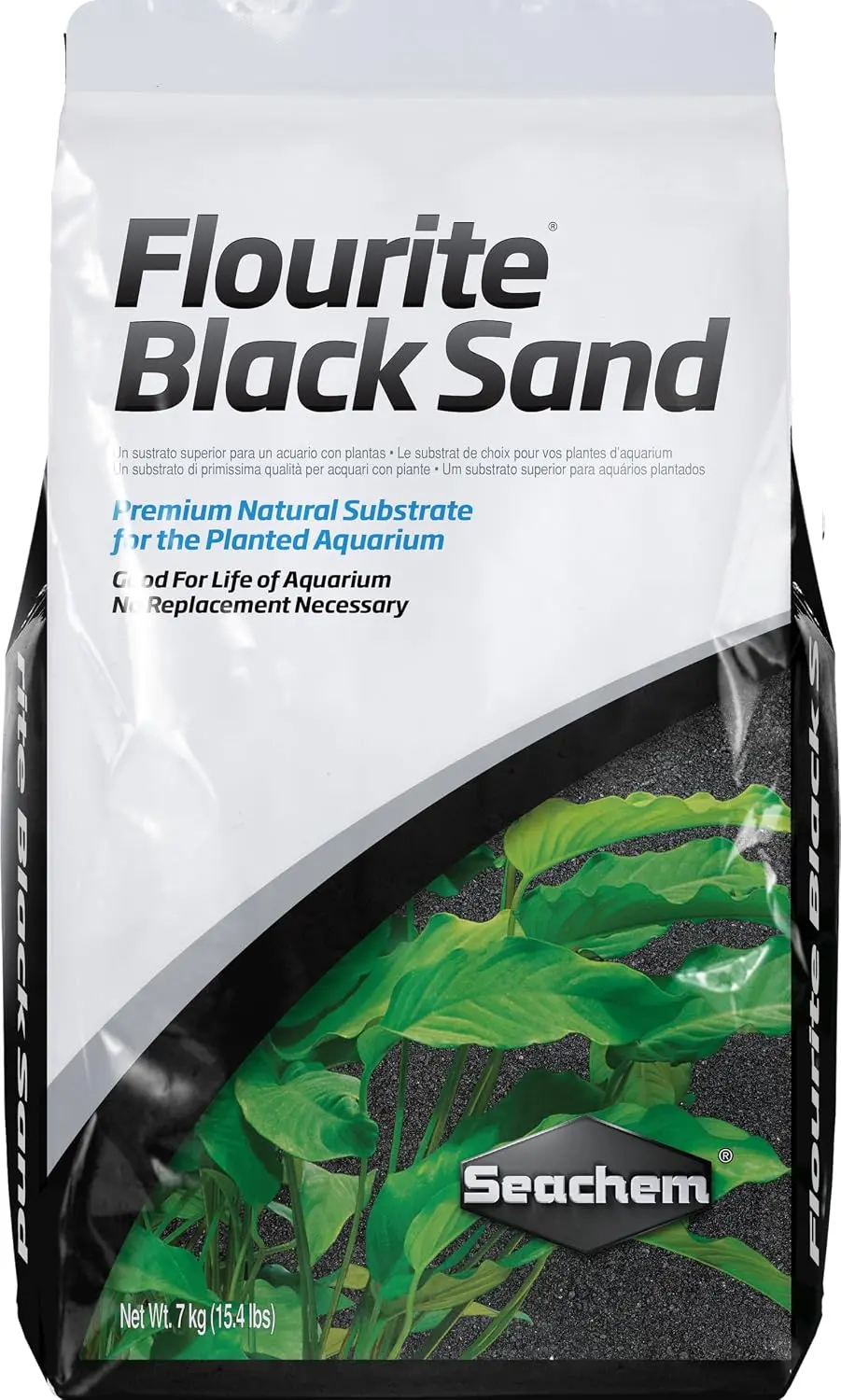
Useful setup supplies
We may earn from qualifying purchases


Guidarium Editorial Desk
Reviewed against Guidarium care, stocking, and compatibility standards. Read the editorial policy.
- Last reviewed
- April 28, 2026
- Last updated
- April 28, 2026
- Issues or corrections?
- Contact the editorial team
Top Tank Mates for Wrestling Halfbeak
These fish are strong compatibility matches for Wrestling Halfbeak based on water preferences, temperament, adult size, and tank behavior.
Threadfin Acara
Acarichthys heckelii
Ideal Tank MatesSilver Flying Fox
Crossocheilus reticulatus
Ideal Tank MatesRainbow Cichlid
Herotilapia multispinosa
Ideal Tank MatesXenotilapia ochrogenys
Xenotilapia ochrogenys
Ideal Tank MatesSilvertip Tetra
Hasemania nana
Ideal Tank MatesSilver Prochilodus
Semaprochilodus taeniurus
Ideal Tank MatesPlants That Suit Wrestling Halfbeak
These plants pair well with Wrestling Halfbeak based on shared water preferences, layout fit, and how likely they are to hold up in the same aquarium.
African Onion Plant
Crinum calamistratum
Afzel's Anubias
Anubias afzelii
Amazon Sword
Echinodorus amazonicus
Anacharis
Egeria densa
Anubias Barteri
Anubias barteri
Baby Tears
Lindernia rotundifolia
Fish Similar to Wrestling Halfbeak
Celebes Halfbeak
Nomorhamphus liemi
A fascinating surface-dwelling livebearer native to the fast-flowing freshwater streams of Sulawesi (Celebes), Indonesia. They possess an elongated lower jaw and are strict top-dwellers. Unlike many other halfbeak species in the trade, they are strictly freshwater and do not require salt. As predatory insectivores, they are known to eat fry. A tight-fitting lid is mandatory as they are exceptional jumpers.
Swordtail
Xiphophorus hellerii
A popular, highly active livebearer known for the male's elongated lower tail fin (the 'sword'). They are hardy but require larger tanks than other common livebearers (like Guppies or Platies) due to their size and immense swimming energy. They require hard, alkaline water and do best with a ratio of one male to multiple females to disperse harassment.
Sailfin Molly
Poecilia latipinna
A large, highly active livebearer famous for the male's spectacular, sail-like dorsal fin. They are strictly hard-water fish and are prone to the 'shimmies' or secondary infections in soft, acidic water. They are excellent algae grazers and prolific breeders. Males relentlessly pursue females, so a minimum ratio of 1 male to 2 females is required to prevent exhaustion.
Sumo Loach
Schistura balteata
The Sumo Loach is a fascinating, highly active bottom dweller native to fast-flowing hillstreams in Myanmar. Named for their aggressive, 'wrestling' matches over territory, they require highly oxygenated water, strong flow, and plenty of visual barriers like smooth river stones. They are highly intolerant of conspecifics and other bottom dwellers in small tanks.
Molly (Sailfin/Black/Dalmatian)
Poecilia sphenops
Mollies are active, hardy livebearers native to the Americas. They are famous for their ability to adapt to fresh, brackish, and even full marine water. They are voracious eaters (including algae) and produce a high bioload for their size. Note: 'Molly' covers several species; the Short-finned (*P. sphenops*) and the much larger Sailfin (*P. latipinna* and *P. velifera*).
Marbled Bichir
Polypterus polli
An ancient, prehistoric-looking 'upper-jaw' bichir native to the Congo River basin. They are fascinating bottom-dwelling predators with paired lungs, requiring access to the water's surface to breathe atmospheric air. While generally peaceful towards tank mates too large to swallow, they are highly opportunistic nocturnal predators. A tight-fitting lid is mandatory, and fine sand substrate is critical to prevent fatal impaction during their lunging feeding behavior.