
Xenotilapia papilio
Xenotilapia papilio
A stunning, highly specialized benthic cichlid endemic to Lake Tanganyika. Unlike many open-sand dwelling Xenotilapia, the Papilio prefers deeper rocky habitats interspersed with sand. They feed by sifting sand through their gills to extract micro-invertebrates. While peaceful toward other species, they are extremely intolerant of conspecifics once mature; they form monogamous, biparental mouthbrooding pairs that vigorously defend their rock territory. A soft, fine sandy substrate is strictly required to prevent fatal gill damage.
Xenotilapia papilio At a Glance
Xenotilapia papilio Tank Requirements
Will Xenotilapia papilio fit in your tank?
Care guides tell you what Xenotilapia papilio needs, the next question is whether your tank can safely provide it. Test Xenotilapia papilio against your tank size, maintenance needs, and the fish you already keep before you buy.
Xenotilapia papilio Water Parameters
Xenotilapia papilio Temperament & Compatibility
Xenotilapia papilio Varieties
Each variety inherits the species defaults above. Only differences are highlighted.
Tembwe (Standard / Wild Type)
The originally described geographic variant from Tembwe Deux. Features a striking dorsal fin brightly marked with black and white spots. Best kept as a single established pair due to severe conspecific aggression.
Same care requirements as the base species
Also known as: Tembwe Deux
Sunflower Morph
A highly sought-after group of geographic variants (mostly from the Zambian coast) characterized by a solid, bright yellow dorsal fin lacking black markings. Identical in care to the standard form.
Same care requirements as the base species
Also known as: Sunflower, Zambian, Isanga, Chituta, Kantalamba
Xenotilapia papilio Care Guide Summary
The Xenotilapia papilio, scientifically known as Xenotilapia papilio, belongs to the Cichlids - African family group. Adults reach a maximum size of approximately 10 cm and have a fusiform body shape with a moderate growth rate. Classified as semi-aggressive, this species primarily occupies the bottom zone of the aquarium and produces a low level of biological waste.
To thrive, the Xenotilapia papilio requires a freshwater only aquarium with a minimum volume of 110 litres and a tank length of at least 90 cm. Water temperature should be maintained between 23°C and 28°C, with a pH range of 7.8–9 and a general hardness of 10–25 dGH. A moderate water flow is preferred.
The Xenotilapia papilio is a rewarding species to keep, provided its core environmental needs are met. This species is available in 2 varieties: Tembwe (Standard / Wild Type) and Sunflower Morph. Each may differ slightly in size, temperament, or care needs, so it is worth checking the specific requirements of the variety you plan to keep.
Xenotilapia papilio Habitat Setup
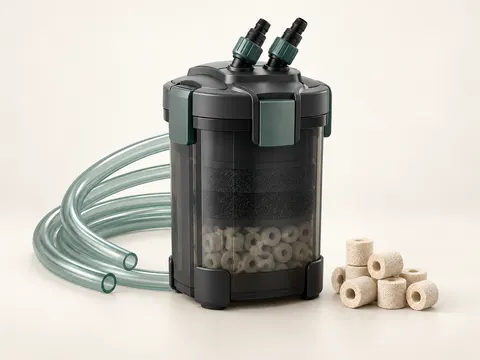
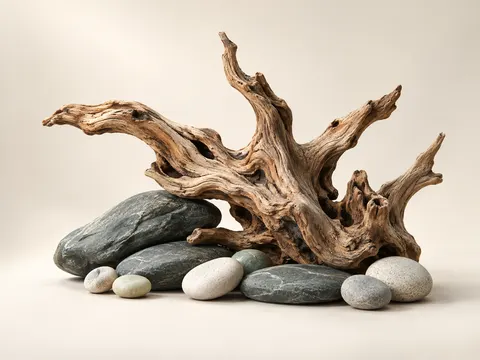
When setting up an aquarium for the Xenotilapia papilio, a moderate water flow best suits their natural preferences. Because this species occupies the bottom zone, the aquarium layout should prioritise sufficient floor space with hiding spots among rocks, wood, or dense planting. Useful additions include a sand substrate to accommodate their sifting behaviour and smooth gravel or rounded substrate to protect their sensitive barbels. Keepers should note that expect substrate disturbance, so lightweight décor should be secured.
Supplies for Xenotilapia papilio
We may earn from qualifying purchases


Xenotilapia papilio Compatibility Notes
Classified as semi-aggressive, the Xenotilapia papilio is adaptable and can be kept singly or in a small group, offering flexibility when planning a community tank. When choosing tankmates, conspecific aggression can be intense, especially in smaller tanks and territorial behaviour may cause issues if hiding spots or floor space are limited. Selecting tankmates that favour different water layers from the bottom zone can help reduce competition and territorial overlap.
Who Xenotilapia papilio Is Actually For
Xenotilapia papilio is best for a fishkeeper who wants a species that can settle into a calmer community setup and can provide a keeper who can commit to a proper group of at least 2. It makes the most sense for a hobbyist who will actually build around its needs, especially sand.
The most common mistake is treating Xenotilapia papilio like any other community fish and skipping the soft sand it needs to forage safely. Another frequent problem is underestimating its social needs. A token pair or trio often behaves very differently from a real group.
Xenotilapia papilio Recommended Tank Sizes
Standard aquarium sizes that meet the minimum volume and length requirements for Xenotilapia papilio.
30 Gallon Breeder
40 Gallon Breeder
55 Gallon Standard
60 Gallon Breeder
75 Gallon Standard
90 Gallon Standard
Show 10 more tank sizes
Frequently Asked Questions About Xenotilapia papilio
How big does Xenotilapia papilio get?
Xenotilapia papilio (Xenotilapia papilio) typically reaches a maximum adult size of approximately 10 cm. They have a fusiform body shape and a moderate growth rate.
What tank size does Xenotilapia papilio need?
A minimum aquarium volume of 110 litres and a tank length of at least 90 cm are recommended for Xenotilapia papilio. This ensures enough swimming space and helps maintain stable water conditions.
What water parameters does Xenotilapia papilio need?
Xenotilapia papilio thrives in freshwater only conditions with a temperature range of 23–28°C, a pH between 7.8 and 9, and a general hardness of 10–25 dGH. A moderate water flow is preferred.
Is Xenotilapia papilio peaceful or aggressive?
Xenotilapia papilio is classified as semi-aggressive with an aggression score of 6 out of 10. They can work in community setups but may clash with certain tankmates.
Can Xenotilapia papilio live alone?
Yes, Xenotilapia papilio can be kept singly or in a group. They are flexible and adapt well to both setups.
Does Xenotilapia papilio have any special tank requirements?
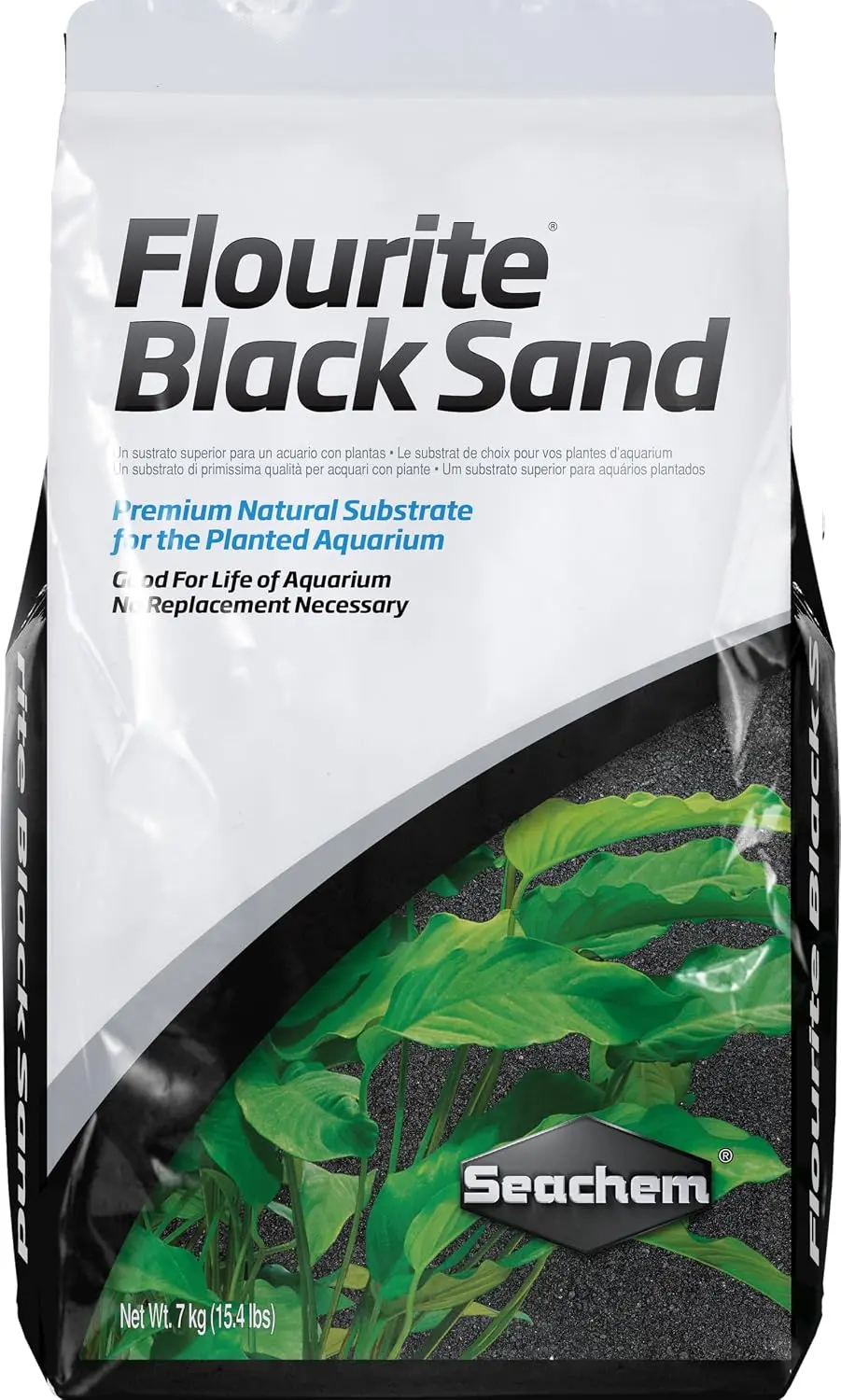
Yes. Xenotilapia papilio benefits from sand (sifters) and smooth gravel (sensitive barbels) in the aquarium. These features help replicate their natural habitat and promote overall health and well-being.
Useful setup supplies
We may earn from qualifying purchases

Guidarium Editorial Desk
Reviewed against Guidarium care, stocking, and compatibility standards. Read the editorial policy.
- Last reviewed
- May 11, 2026
- Last updated
- May 11, 2026
- Issues or corrections?
- Contact the editorial team
Plants That Suit Xenotilapia papilio
These plants pair well with Xenotilapia papilio based on shared water preferences, layout fit, and how likely they are to hold up in the same aquarium.
Afzel's Anubias
Anubias afzelii
Anubias Barteri
Anubias barteri
Congo Anubias
Anubias heterophylla
Gillet's Anubias
Anubias gilletii
Java Fern
Leptochilus pteropus
Java Moss
Taxiphyllum barbieri
Fish Similar to Xenotilapia papilio
Xenotilapia ochrogenys
Xenotilapia ochrogenys
A fascinating sand-sifting cichlid endemic to Lake Tanganyika. They require a large-footprint tank with fine sand, which they constantly sift through their gills to extract benthic invertebrates. They are easily startled and are notorious jumpers, so a tight-fitting lid is essential. Because of their harem-breeding dynamics, they must be kept in groups.
Yellow Sand Cichlid
Xenotilapia bathyphilus
An elegant, bottom-dwelling cichlid endemic to Lake Tanganyika. They are highly specialized 'sand-sifters' that take mouthfuls of sand to filter out small invertebrates. They are relatively peaceful for African cichlids but can be territorial during breeding. They are highly skittish and do best in small shoals. A fine sand substrate is absolutely mandatory for their survival and natural behavior.
Telmatochromis brichardi
Telmatochromis brichardi
A small, fascinating cichlid endemic to the rocky coastlines of Lake Tanganyika. They are predominantly crevice and cave brooders that will also readily adopt empty snail shells in the aquarium. They form temporary pairs to breed, with males fiercely defending the territory while the female cares for the offspring. They require hard, highly alkaline water typical of the African Rift Lakes and a diet that incorporates algae.
Intermedius Cichlid
Tramitichromis intermedius
A peaceful to semi-aggressive 'earth-eating' cichlid endemic to the sandy shores of Lake Malawi. They continuously sift fine sand through their gills to forage for small invertebrates. While relatively peaceful compared to Mbuna, they require hard, alkaline water, ample floor space, and a strictly sandy substrate to prevent damage to their delicate gills.
Featherfin Cichlid
Cyathopharynx furcifer
A spectacular Lake Tanganyika cichlid known for its dramatic sexual dimorphism. Males display brilliant metallic hues (blues, greens, or coppers depending on collection point) and possess sweeping, elongated pelvic 'feather' fins. Males build enormous crater-like sand bowers to attract females. Because of this bower-building behavior and their high activity level, footprint (length and width) is far more critical than tank height.
Cyprichromis Leptosoma
Cyprichromis leptosoma
A unique, pelagic (open-water) schooling cichlid endemic to Lake Tanganyika. Unlike rock-dwelling African cichlids, 'Cyps' live in massive shoals in the open water column where males display to females in spectacular 3D territories. They require very hard, alkaline water and a long tank (minimum 4 feet / 120cm) to accommodate their active swimming behavior.