
Orange Delight Shrimp
Caridina loehae
An advanced-level, delicate dwarf shrimp native to the ancient Malili lake system in Sulawesi, Indonesia. Scientifically described as Caridina loehae, they are characterized by their bright orange bodies and white dashes. They require highly stable, warm (26-29°C), and alkaline water mirroring their native ancient lakes. They are peaceful biofilm grazers that will not survive in standard freshwater conditions.
Orange Delight Shrimp At a Glance
Orange Delight Shrimp Tank Requirements
Will Orange Delight Shrimp fit in your tank?
Care guides tell you what Orange Delight Shrimp needs, the next question is whether your tank can safely provide it. Test Orange Delight Shrimp against your tank size, maintenance needs, and the fish you already keep before you buy.
Orange Delight Shrimp Water Parameters
Orange Delight Shrimp Temperament & Compatibility
Orange Delight Shrimp Varieties
Each variety inherits the species defaults above. Only differences are highlighted.
Standard
The standard commercial form of the Orange Delight Shrimp. Males and females are visually identical. They must be kept in groups of at least 6 to feel secure and will spend most of their time openly grazing on rocky substrates and biofilm if healthy.
Same care requirements as the base species
Also known as: Unsexed, Wild Type
Orange Delight Shrimp Care Guide Summary
The Orange Delight Shrimp, scientifically known as Caridina loehae, belongs to the Invertebrates family group. Adults reach a maximum size of approximately 2.5 cm and have a fusiform body shape with a slow growth rate. Classified as peaceful, this species primarily occupies the bottom zone of the aquarium and produces a low level of biological waste.
To thrive, the Orange Delight Shrimp requires a freshwater only aquarium with a minimum volume of 38 litres and a tank length of at least 45 cm. Water temperature should be maintained between 26°C and 29°C, with a pH range of 7.5–8.5 and a general hardness of 4–8 dGH. A low water flow is preferred.
Due to its specialist needs, the Orange Delight Shrimp is best suited for fishkeepers who can provide a carefully planned setup. The Orange Delight Shrimp is typically available in one standard form.
Orange Delight Shrimp Habitat Setup
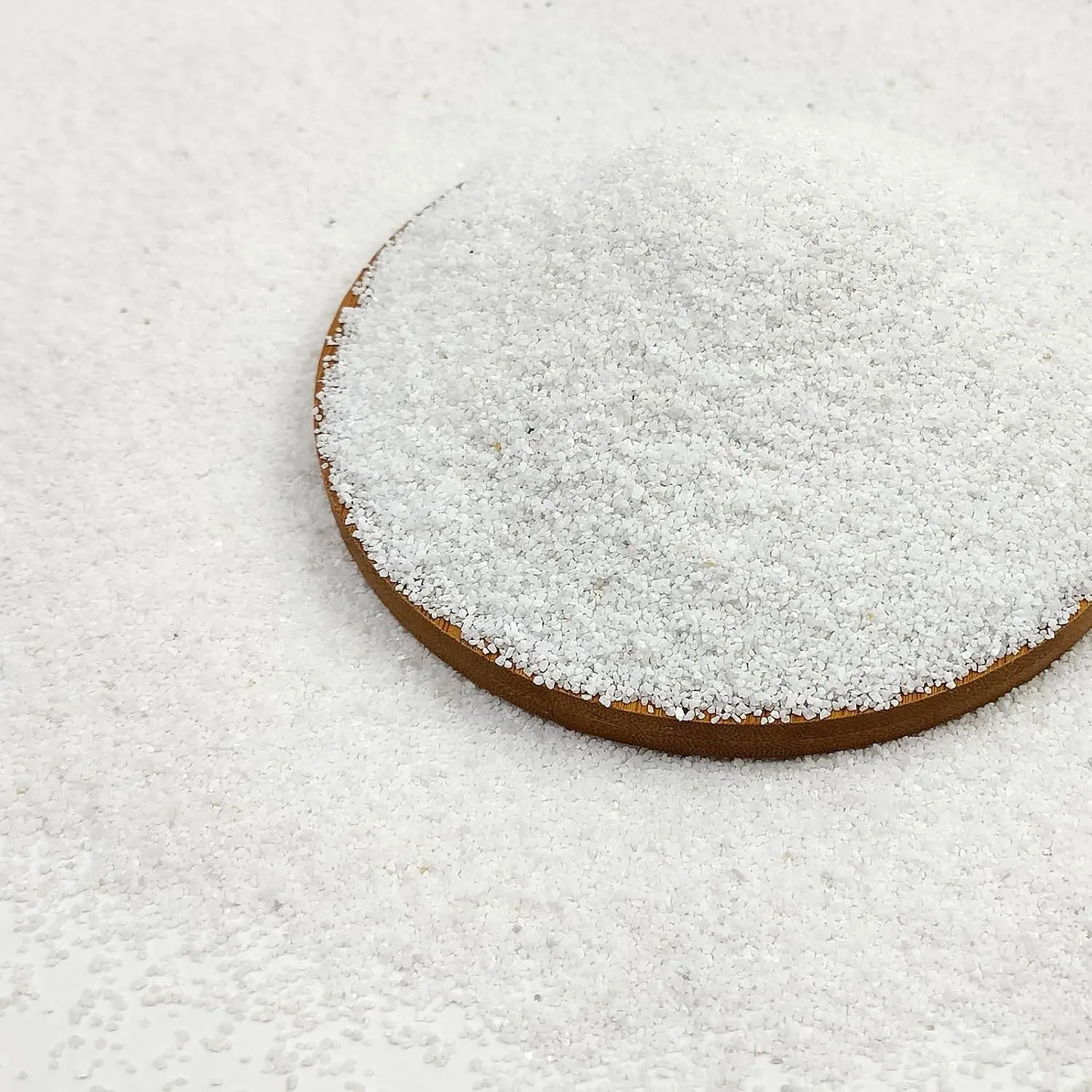
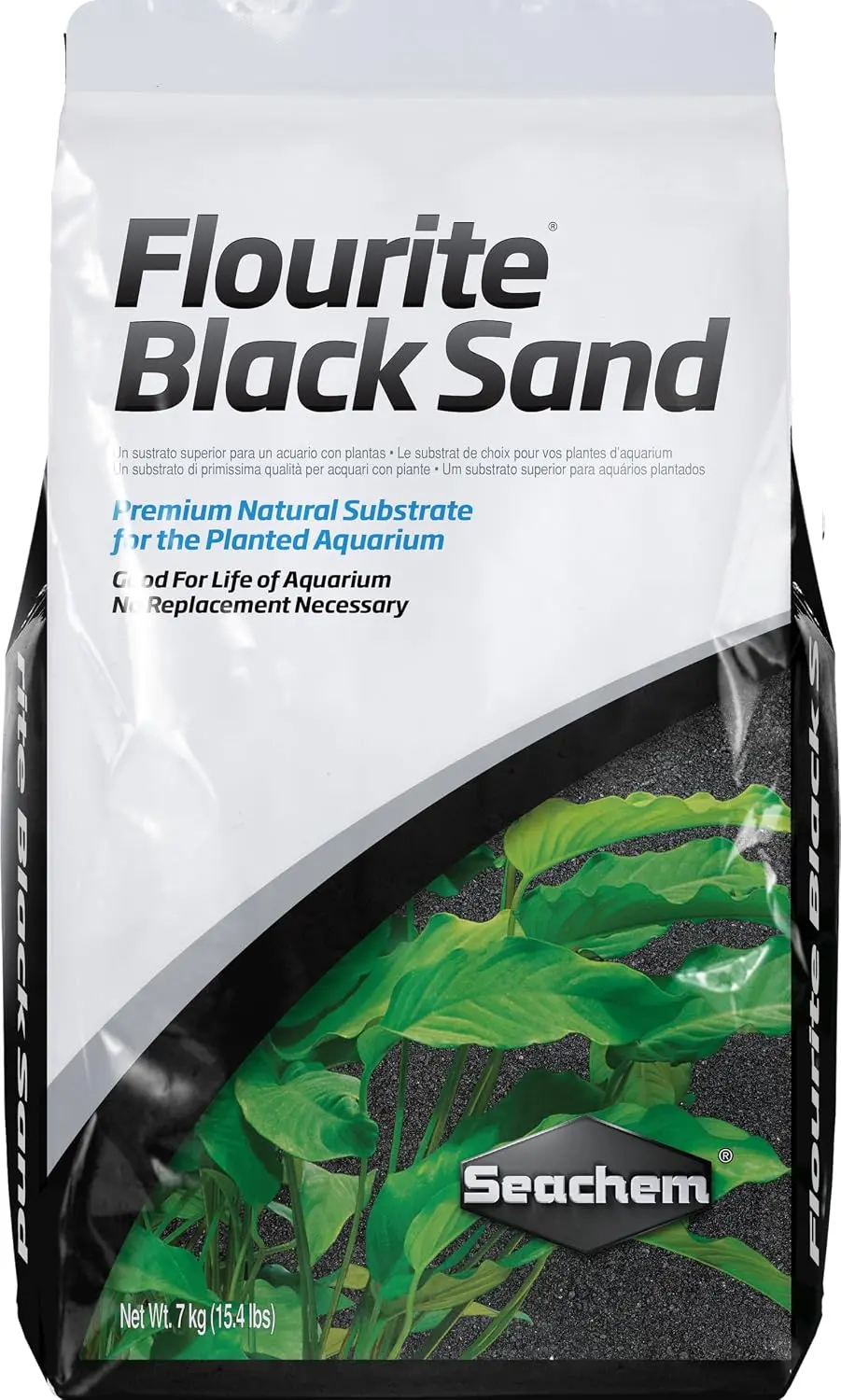
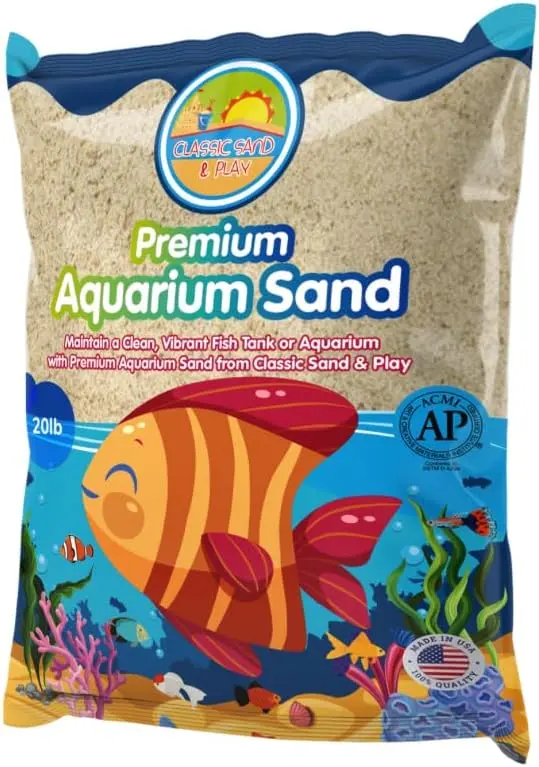
When setting up an aquarium for the Orange Delight Shrimp, a low water flow best suits their natural preferences. Because this species occupies the bottom zone, the aquarium layout should prioritise sufficient floor space with hiding spots among rocks, wood, or dense planting. Useful additions include a sand substrate to accommodate their sifting behaviour, smooth gravel or rounded substrate to protect their sensitive barbels, and an established tank with natural algae growth, as they depend on it as a primary food source.
Supplies for Orange Delight Shrimp
We may earn from qualifying purchases
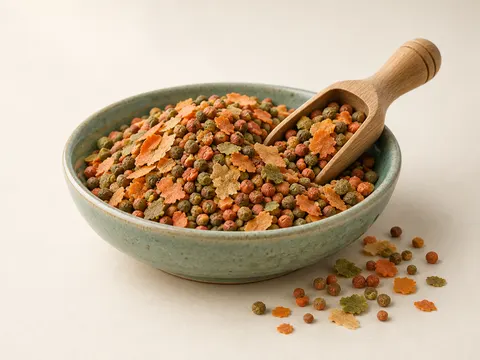
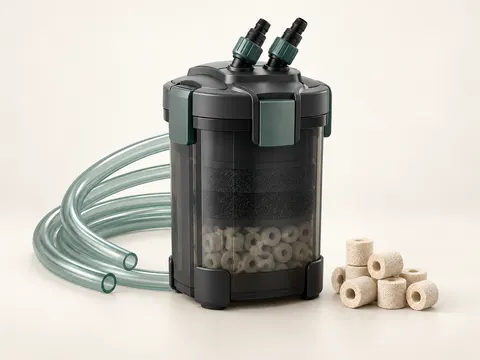
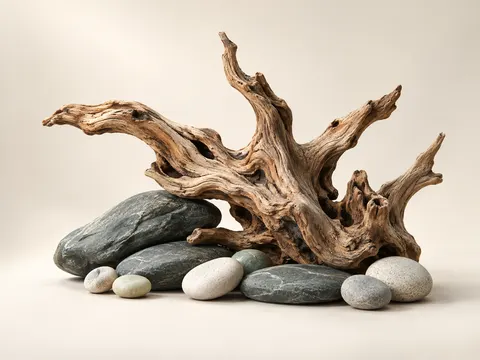

Orange Delight Shrimp Compatibility Notes
Classified as peaceful, the Orange Delight Shrimp is a schooling species that feels most secure in a sizeable group, where natural shoaling behaviour reduces stress and brings out their best colours. Selecting tankmates that favour different water layers from the bottom zone can help reduce competition and territorial overlap.
Who Orange Delight Shrimp Is Actually For
Orange Delight Shrimp is best for a fishkeeper who wants a species that can settle into a calmer community setup and can provide a keeper who can commit to a proper group of at least 6. It makes the most sense for a hobbyist who will actually build around its needs, especially sand.
The most common mistake is treating Orange Delight Shrimp like any other community fish and skipping the soft sand it needs to forage safely. Another frequent problem is underestimating its social needs. A token pair or trio often behaves very differently from a real group.
Orange Delight Shrimp Recommended Tank Sizes
Standard aquarium sizes that meet the minimum volume and length requirements for Orange Delight Shrimp.
10 Gallon Standard
15 Gallon Standard
20 Gallon High
20 Gallon Long
29 Gallon Standard
30 Gallon Breeder
Show 22 more tank sizes
Frequently Asked Questions About Orange Delight Shrimp
How big does Orange Delight Shrimp get?
Orange Delight Shrimp (Caridina loehae) typically reaches a maximum adult size of approximately 2.5 cm. They have a fusiform body shape and a slow growth rate.
What tank size does Orange Delight Shrimp need?
A minimum aquarium volume of 38 litres and a tank length of at least 45 cm are recommended for Orange Delight Shrimp. This ensures enough swimming space and helps maintain stable water conditions.
What water parameters does Orange Delight Shrimp need?
Orange Delight Shrimp thrives in freshwater only conditions with a temperature range of 26–29°C, a pH between 7.5 and 8.5, and a general hardness of 4–8 dGH. A low water flow is preferred.
Is Orange Delight Shrimp peaceful or aggressive?
Orange Delight Shrimp is classified as peaceful with an aggression score of 0 out of 10. They are generally well-suited to peaceful community tanks.
How many Orange Delight Shrimp should be kept together?
Orange Delight Shrimp is a schooling species and should be kept in groups of at least 6. Larger groups help distribute aggression and encourage natural schooling behaviour.
Does Orange Delight Shrimp have any special tank requirements?
Yes. Orange Delight Shrimp benefits from sand (sifters), smooth gravel (sensitive barbels), and established algae (otocinclus) in the aquarium. These features help replicate their natural habitat and promote overall health and well-being.
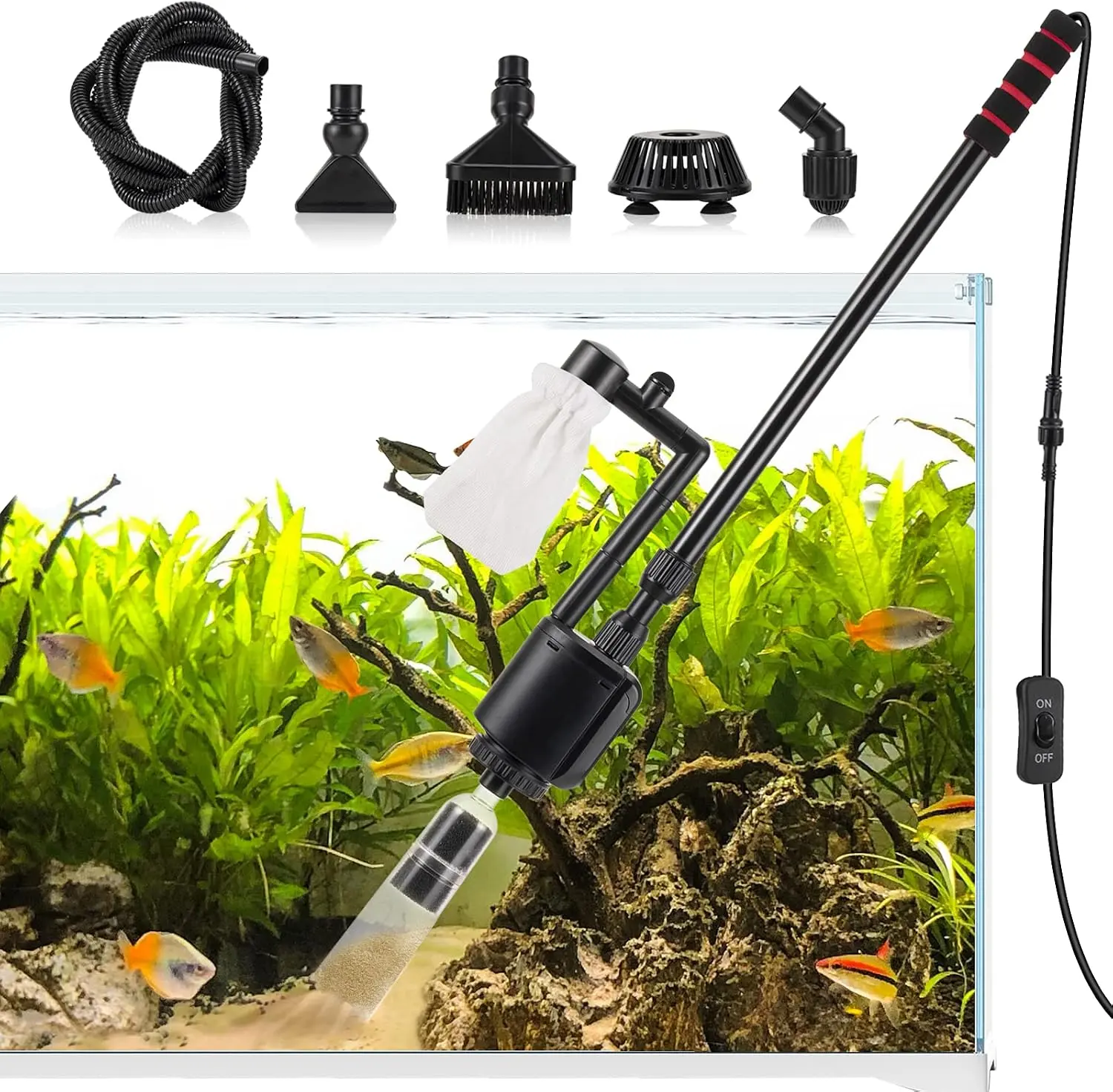
Useful setup supplies
We may earn from qualifying purchases
Guidarium Editorial Desk
Reviewed against Guidarium care, stocking, and compatibility standards. Read the editorial policy.
- Last reviewed
- May 7, 2026
- Last updated
- May 7, 2026
- Issues or corrections?
- Contact the editorial team
Top Tank Mates for Orange Delight Shrimp
These fish are strong compatibility matches for Orange Delight Shrimp based on water preferences, temperament, adult size, and tank behavior.
Scissortail Rasbora
Rasbora trilineata
Ideal Tank MatesWestern Rainbowfish
Melanotaenia australis
Ideal Tank MatesWaigeo Rainbowfish
Melanotaenia catherinae
Ideal Tank MatesTami River Rainbowfish
Glossolepis pseudoincisus
Ideal Tank MatesSorong Rainbowfish
Melanotaenia fredericki
Ideal Tank MatesRed-Finned Rainbowfish
Melanotaenia rubripinnis
Ideal Tank MatesPlants That Suit Orange Delight Shrimp
These plants pair well with Orange Delight Shrimp based on shared water preferences, layout fit, and how likely they are to hold up in the same aquarium.
Amazon Frogbit
Limnobium laevigatum
Asian Watergrass
Hygroryza aristata
Asian Watermoss
Salvinia cucullata
Banana Plant
Nymphoides aquatica
Beckett's Water Trumpet
Cryptocoryne beckettii
Broad-leaved Crypt
Cryptocoryne pontederiifolia
Fish Similar to Orange Delight Shrimp
Bee Shrimp
Caridina logemanni
A highly prized dwarf freshwater shrimp known for its striking opaque color bands. Native to streams in Southern China, they require specific parameters to thrive: cool, highly oxygenated, acidic, and very soft water. This is usually achieved using RO (Reverse Osmosis) water remineralized with specific shrimp salts and active buffering soil. They are highly sensitive to nitrogen spikes and copper, and are extremely vulnerable to fish predation.
Yellow Shrimp
Neocaridina davidi var. yellow
A bright yellow color morph of the extremely popular and hardy Neocaridina dwarf shrimp. They are completely peaceful scavengers that excel at cleaning up uneaten food and biofilm. They reproduce readily in freshwater aquariums but are highly vulnerable to predation by most fish. They thrive in colonies and should be kept in groups.
Cardinal Shrimp (Sulawesi)
Caridina dennerli
A stunning but highly sensitive dwarf shrimp native to the ancient Lake Matano in Sulawesi, Indonesia. Famous for its bright red coloration and contrasting white front appendages (often called 'white gloves'). They require extremely specific, pristine water conditions (high temperature, high pH, specific remineralizers) and are only recommended for advanced aquarists.
Malaya Shrimp
Caridina sp. "Malaya"
A unique and highly variable dwarf shrimp native to Southeast Asia. Unlike most dwarf shrimp, Malaya Shrimp are a low-order species, meaning their eggs hatch into tiny larvae rather than fully-formed shrimplets. However, unlike Amano Shrimp, these larvae do not require saltwater or brackish conditions; they metamorphose completely in freshwater. They are peaceful, active scavengers and excellent algae eaters that come in a wide array of colors including red, blue, green, brown, and clear.
Red Goldflake Shrimp
Caridina sp. Red Goldflake
The Red Goldflake Shrimp is a stunning but delicate freshwater invertebrate native to the ancient lakes of Sulawesi, Indonesia. It features a dark maroon base color heavily speckled with brilliant golden flecks. As a Sulawesi species, it strictly requires highly stable, warm, alkaline water with specific mineral content to thrive. They feed continuously on biofilm and algae. Highly sensitive, they are recommended only for advanced shrimp keepers.
Tiger Shrimp
Caridina mariae
A highly popular dwarf shrimp species known for the distinct dark striping across its back. Originally from Southern China, they have been selectively bred into several striking color morphs. They are peaceful algae-eaters and detritivores, but like most Caridina species, they require stable water parameters, mature tanks, and no predatory fish.