
Malaysian Trumpet Snail (MTS)
Melanoides tuberculata
The Malaysian Trumpet Snail is a highly beneficial, albeit prolific, freshwater invertebrate. They are famous for burrowing deep into the substrate during the day, which prevents toxic anaerobic gas pockets and aerates plant roots. They emerge at night to scavenge for detritus, algae, and uneaten food. They reproduce via parthenogenesis, meaning a single snail can quickly clone itself to start a colony.
Malaysian Trumpet Snail (MTS) At a Glance
Malaysian Trumpet Snail (MTS) Tank Requirements
Will Malaysian Trumpet Snail (MTS) fit in your tank?
Care guides tell you what Malaysian Trumpet Snail (MTS) needs, the next question is whether your tank can safely provide it. Test Malaysian Trumpet Snail (MTS) against your tank size, maintenance needs, and the fish you already keep before you buy.
Malaysian Trumpet Snail (MTS) Water Parameters
Malaysian Trumpet Snail (MTS) Temperament & Compatibility
Malaysian Trumpet Snail (MTS) Varieties
Each variety inherits the species defaults above. Only differences are highlighted.
Standard
The standard wild-type Malaysian Trumpet Snail. Highly recommended for tanks with fine substrate (sand or aquasoil) to act as an automatic substrate-turner and clean-up crew.
Same care requirements as the base species
Also known as: Common MTS
Malaysian Trumpet Snail (MTS) Care Guide Summary
The Malaysian Trumpet Snail (MTS), scientifically known as Melanoides tuberculata, belongs to the Invertebrates family group. Adults reach a maximum size of approximately 3 cm and have a globular body shape with a fast growth rate. Classified as peaceful, this species primarily occupies the bottom zone of the aquarium and produces a low level of biological waste.
To thrive, the Malaysian Trumpet Snail (MTS) requires a brackish tolerant aquarium with a minimum volume of 5 litres and a tank length of at least 15 cm. Water temperature should be maintained between 18°C and 32°C, with a pH range of 7–8.5 and a general hardness of 8–25 dGH. A low water flow is preferred.
The Malaysian Trumpet Snail (MTS) is a rewarding species to keep, provided its core environmental needs are met. The Malaysian Trumpet Snail (MTS) is typically available in one standard form.
Malaysian Trumpet Snail (MTS) Habitat Setup
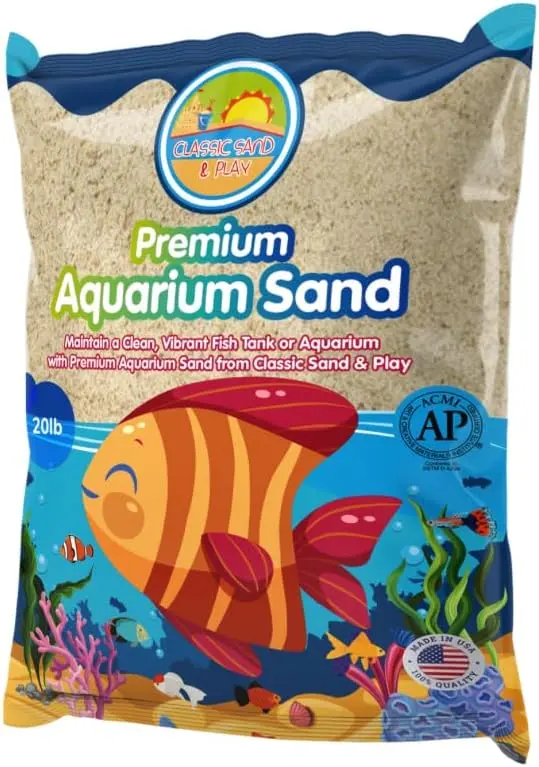
When setting up an aquarium for the Malaysian Trumpet Snail (MTS), a low water flow best suits their natural preferences. Because this species occupies the bottom zone, the aquarium layout should prioritise sufficient floor space with hiding spots among rocks, wood, or dense planting. Useful additions include a sand substrate to accommodate their sifting behaviour and a nutrient-rich soil substrate to support planted setups. Keepers should note that expect substrate disturbance, so lightweight décor should be secured.
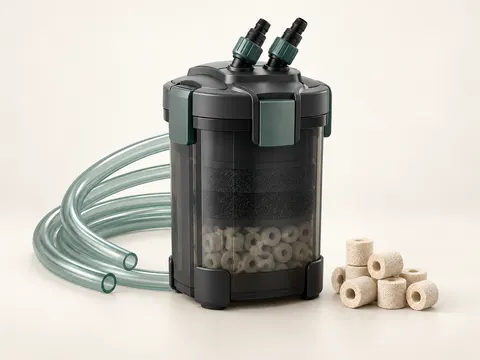
Supplies for Malaysian Trumpet Snail (MTS)
We may earn from qualifying purchases



Malaysian Trumpet Snail (MTS) Compatibility Notes
Classified as peaceful, the Malaysian Trumpet Snail (MTS) is adaptable and can be kept singly or in a small group, offering flexibility when planning a community tank. Selecting tankmates that favour different water layers from the bottom zone can help reduce competition and territorial overlap.
Who Malaysian Trumpet Snail (MTS) Is Actually For
Malaysian Trumpet Snail (MTS) is best for a fishkeeper who wants a species that can settle into a calmer community setup and can provide someone who understands its individual space requirements. It makes the most sense for a hobbyist who will actually build around its needs, especially sand.
The most common mistake is treating Malaysian Trumpet Snail (MTS) like any other community fish and skipping the soft sand it needs to forage safely. Another frequent problem is forcing it into an over-busy community when it would do better with more room or more deliberate tankmate choices.
Malaysian Trumpet Snail (MTS) Recommended Tank Sizes
Standard aquarium sizes that meet the minimum volume and length requirements for Malaysian Trumpet Snail (MTS).
2.5 Gallon Nano
5 Gallon
10 Gallon Standard
15 Gallon Standard
20 Gallon High
20 Gallon Long
Show 28 more tank sizes
Frequently Asked Questions About Malaysian Trumpet Snail (MTS)
How big does Malaysian Trumpet Snail (MTS) get?
Malaysian Trumpet Snail (MTS) (Melanoides tuberculata) typically reaches a maximum adult size of approximately 3 cm. They have a globular body shape and a fast growth rate.
What tank size does Malaysian Trumpet Snail (MTS) need?
A minimum aquarium volume of 5 litres and a tank length of at least 15 cm are recommended for Malaysian Trumpet Snail (MTS). This ensures enough swimming space and helps maintain stable water conditions.
What water parameters does Malaysian Trumpet Snail (MTS) need?
Malaysian Trumpet Snail (MTS) thrives in brackish tolerant conditions with a temperature range of 18–32°C, a pH between 7 and 8.5, and a general hardness of 8–25 dGH. A low water flow is preferred.
Is Malaysian Trumpet Snail (MTS) peaceful or aggressive?
Malaysian Trumpet Snail (MTS) is classified as peaceful with an aggression score of 0 out of 10. They are generally well-suited to peaceful community tanks.
Can Malaysian Trumpet Snail (MTS) live alone?
Yes, Malaysian Trumpet Snail (MTS) can be kept singly or in a group. They are flexible and adapt well to both setups.
Does Malaysian Trumpet Snail (MTS) have any special tank requirements?
Yes. Malaysian Trumpet Snail (MTS) benefits from sand (sifters) and soil / nutrient rich in the aquarium. These features help replicate their natural habitat and promote overall health and well-being.
Useful setup supplies
We may earn from qualifying purchases



Guidarium Editorial Desk
Reviewed against Guidarium care, stocking, and compatibility standards. Read the editorial policy.
- Last reviewed
- April 28, 2026
- Last updated
- April 28, 2026
- Issues or corrections?
- Contact the editorial team
Top Tank Mates for Malaysian Trumpet Snail (MTS)
These fish are strong compatibility matches for Malaysian Trumpet Snail (MTS) based on water preferences, temperament, adult size, and tank behavior.
Kabia rainbowfish
Glossolepis kabia
Ideal Tank MatesScissortail Rasbora
Rasbora trilineata
Ideal Tank MatesRummynose Rasbora
Sawbwa resplendens
Ideal Tank MatesRose Danio
Danio roseus
Ideal Tank MatesRed Dwarf Rasbora
Microrasbora rubescens
Ideal Tank MatesSunset Platy (Variatus Platy)
Xiphophorus variatus
Ideal Tank MatesPlants That Suit Malaysian Trumpet Snail (MTS)
These plants pair well with Malaysian Trumpet Snail (MTS) based on shared water preferences, layout fit, and how likely they are to hold up in the same aquarium.
Amazon Frogbit
Limnobium laevigatum
Asian Watergrass
Hygroryza aristata
Asian Watermoss
Salvinia cucullata
Carolina Mosquito Fern
Azolla caroliniana
Common Duckweed
Lemna minor
Crystalwort
Riccia fluitans
Fish Similar to Malaysian Trumpet Snail (MTS)
Horned Nerite Snail
Clithon corona
A highly effective and tiny algae-eating snail characterized by the horn-like spikes on its shell. It is completely peaceful and will not reproduce in freshwater (though it may lay unsightly white eggs on decor). It requires an established tank with plenty of algae and hard, alkaline water to prevent shell erosion. Known to climb out of aquariums if a lid is not secure.
Ramshorn Snail
Planorbidae fam.
Ramshorn snails are highly adaptable, peaceful invertebrates named for their shells, which resemble a coiled ram's horn. They are excellent clean-up crew members that consume detritus, uneaten food, and soft algae without harming healthy plants. Because they are hermaphroditic and can self-fertilize, they breed prolifically if an aquarium is overfed.
Assassin Snail
Anentome helena
A highly effective and popular carnivorous freshwater snail used primarily for pest snail control. They actively hunt and consume smaller snails like bladder, ramshorn, and pond snails. Featuring a striking yellow and dark brown spiraled shell, they are a functional and attractive addition to aquariums. Unlike many aquatic snails, they are not hermaphroditic and reproduce quite slowly.
Olive Nerite Snail
Neritina reclivata
The Olive Nerite Snail is highly prized for its exceptional algae-eating abilities and completely peaceful nature. They have a rounded, smooth, olive-green shell. Unlike many freshwater snails, they will not overpopulate an aquarium because their eggs require brackish or saltwater to hatch and develop. They are notorious escape artists and will climb out of the water, so a tight-fitting lid is mandatory.
Trapdoor Snail
Cipangopaludina chinensis
A large, livebearing freshwater snail named for its tough operculum (trapdoor) used for defense against predators and harsh conditions. They are excellent scavengers and algae eaters, heavily favored for outdoor ponds and unheated aquariums due to their extreme cold tolerance. They require hard, alkaline water to prevent shell erosion.
Clown Loach
Chromobotia macracanthus
A highly popular but large-growing shoaling fish famous for eating nuisance snails. Known for their striking orange and black bands, they are highly social and must be kept in groups. They have no standard scales, making them sensitive to medications and prone to Ich, requiring pristine, warm water. They are known for their quirky behavior of sleeping on their sides or backs.