
45-P (Nature Aquarium)
An aquascaping staple that acts as the perfect intermediate size between a nano cube and a standard 60-P display.
Similar Tanks & Sizes
An aquascaping staple that acts as the perfect intermediate size between a nano cube and a standard 60-P display. With a capacity of 34 litres (9 gallons) and dimensions of 45 x 27 x 30, this rimless tank is compatible with 37 species in our database — giving you plenty of options for a thriving community setup.
Stocking Tips
- 💡Choose one centrepiece fish and build your community around it. Avoid multiple territorial species in a tank this size.
- 💡A good filtration system rated for 1.5× your tank volume helps maintain stable water quality.
What This Tank Size Is Realistically Good For
The 45-P (Nature Aquarium) is best treated as a deliberate small-tank project, not as a blank check to collect every attractive fish that technically fits. Its real strength is giving you enough volume to build around one clear plan, whether that means a compact community, a single standout species, or a cleaner planted layout with fewer compromises.
Supplies for 45-P (Nature Aquarium)
We may earn from qualifying purchases
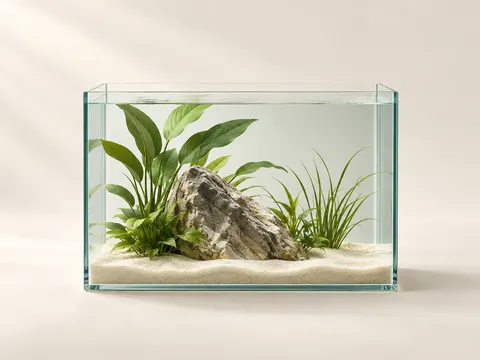
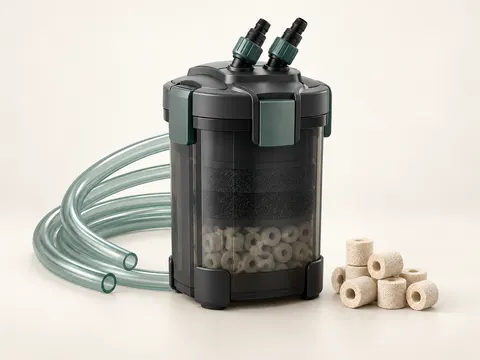
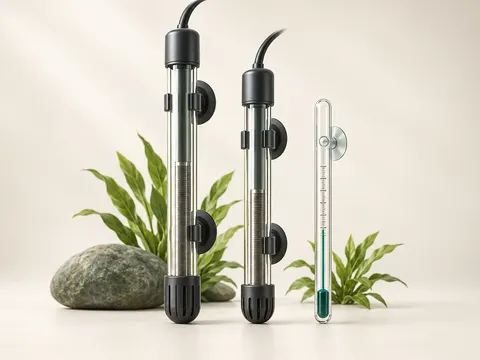
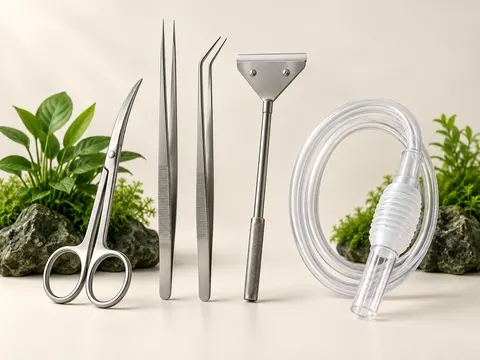
Stocking Recipes
Pre-built species combinations that work well together in this tank.
Peaceful Community
- Mexican Dwarf Crayfish (CPO)×1Centerpiece
- Chili Rasbora×6Schooling
- Bee Shrimp×5Bottom Dweller
Bold & Beautiful
- Betta (Siamese Fighting Fish)×1Centerpiece
- Clown Killifish×4Schooling
- Rachov's Killifish (Annual)×1Bottom Dweller
Nano-Friendly Mix
- Chili Rasbora×6Schooling
- Purple Zebra Shrimp×5Bottom Dweller
Gentle Giants
- Betta Smaragdina×1Centerpiece
- Japanese Ricefish (Medaka)×6Schooling
- Rachov's Killifish (Annual)×1Bottom Dweller
Low Maintenance Setup
- Chili Rasbora×6Schooling
- Yellow Shrimp×6Bottom Dweller
Schooling Showcase
- Chili Rasbora×6Schooling
- Bee Shrimp (Crystal Red / Black)×10Bottom Dweller
Commonly Mis-Stocked
These fish are frequently added to this tank but may outgrow it or cause problems. Proceed with caution.
Amano Shrimp needs at least 38L, which is 12% more than this tank's 34L capacity.
American Grass Shrimp fits this tank now but grows rapidly — monitor closely and be prepared to upgrade.
Betta Imbellis needs at least 38L, which is 12% more than this tank's 34L capacity.
Black Ocellatus needs at least 40L, which is 18% more than this tank's 34L capacity.
Bladder Snail (Pest Snail) fits this tank now but grows rapidly — monitor closely and be prepared to upgrade.
Blue Back Blue Eye needs at least 38L, which is 12% more than this tank's 34L capacity.
Blue Pearl Shrimp fits this tank now but grows rapidly — monitor closely and be prepared to upgrade.
Brevis Shelldweller needs at least 38L, which is 12% more than this tank's 34L capacity.
Bumblebee Goby (Brackish) needs at least 38L, which is 12% more than this tank's 34L capacity.
Cardinal Shrimp (Sulawesi) needs at least 38L, which is 12% more than this tank's 34L capacity.
Celestial Pearl Danio (Galaxy Rasbora) needs at least 38L, which is 12% more than this tank's 34L capacity.
Cherry Shrimp fits this tank now but grows rapidly — monitor closely and be prepared to upgrade.
Show 59 more warnings
Centerpiece Fish
Bold, eye-catching species that serve as the focal point of your tank. Typically kept singly or in pairs.
Betta (Siamese Fighting Fish)
Betta splendens
The Siamese Fighting Fish is an aquarium icon known for its labyrinth organ (allowing air breathing) and vivid colors. While hardy, they require heated, filtered water (24-30°C). Males are solitary and fiercely territorial. Females are generally less ornate but can be kept in 'sororities' with strict precautions (minimum 5 females in 75L+).
Betta Smaragdina
Betta smaragdina
A beautiful wild-type Betta species native to the Khorat Plateau of Thailand, known for its striking iridescent emerald-green scales. Unlike the domestic Betta splendens, they are slightly more peaceful and closely resemble their natural wild form. They are excellent jumpers and require tight-fitting lids.
Mexican Dwarf Crayfish (CPO)
Cambarellus patzcuarensis
A highly entertaining, fully aquatic dwarf crayfish. In the aquarium trade, the bright orange 'CPO' morph is the most popular. Unlike larger crayfish, they are generally safe with plants and fast-moving mid-to-top dwelling fish. However, they are opportunistic omnivores with claws; they will hunt dwarf shrimp and may nip the fins of slow, long-finned bottom dwellers.
Schooling Fish
Active swimmers best kept in groups. They bring movement and colour to the mid and upper levels of your tank.
Chili Rasbora
Boraras brigittae
A striking, deeply red nano fish native to the blackwater streams and peat swamps of southern Borneo. They are extremely peaceful and require a mature, densely planted aquarium with soft, acidic water. Due to their tiny size, they are completely safe with adult dwarf shrimp and are ideal for nano setups.
Clown Killifish
Epiplatys annulatus
A striking nano killifish resembling a tiny rocket. Native to West African swamps, they have distinct black and yellow vertical bands. They are strictly surface dwellers (top-level) and are non-annual, meaning they live longer than annual killifish (2-3+ years). They are notorious jumpers and require a tight lid.
Dwarf Rasbora
Boraras maculatus
A tiny, peaceful shoaling fish native to the blackwater streams and peat swamps of Southeast Asia. Known for their striking red/orange coloration and distinct dark body spots. They are an excellent choice for heavily planted nano tanks and peaceful dwarf shrimp setups. Because of their minute size, they are easily outcompeted for food and predated upon by larger fish.
Japanese Ricefish (Medaka)
Oryzias latipes
A hardy, small, and colorful fish native to East Asia. Extremely popular in the outdoor pond hobby and nano aquariums. They are 'amphidromous' (tolerant of salinity changes) and can survive a wide range of temperatures, making them excellent tub/pond fish. They are surface dwellers that look best when viewed from above (top-down).
Bottom Dwellers
Species that inhabit the lower reaches of the aquarium, helping keep the substrate clean and adding activity to the tank floor.
African Dwarf Frog
Hymenochirus boettgeri
A fully aquatic amphibian that is peaceful and highly entertaining. They possess lungs and must regularly dart to the surface to breathe air, so tank height should ideally be under 40cm (15 inches). Due to their poor eyesight, they hunt by smell and tactile vibration, making them slow feeders that can easily starve if housed with fast, aggressive fish. They are social creatures that thrive in small groups.
American Grass Shrimp
Palaemonetes kadiakensis
A completely freshwater shrimp native to North America. Often sold interchangeably with Ghost Shrimp (P. paludosus), the American Grass Shrimp is hardier, breeds more easily in entirely freshwater, and is an excellent, active scavenger for community tanks. They have a completely transparent body and prefer planted aquariums.
Assassin Snail
Anentome helena
A highly effective and popular carnivorous freshwater snail used primarily for pest snail control. They actively hunt and consume smaller snails like bladder, ramshorn, and pond snails. Featuring a striking yellow and dark brown spiraled shell, they are a functional and attractive addition to aquariums. Unlike many aquatic snails, they are not hermaphroditic and reproduce quite slowly.
Bee Shrimp
Caridina logemanni
A highly prized dwarf freshwater shrimp known for its striking opaque color bands. Native to streams in Southern China, they require specific parameters to thrive: cool, highly oxygenated, acidic, and very soft water. This is usually achieved using RO (Reverse Osmosis) water remineralized with specific shrimp salts and active buffering soil. They are highly sensitive to nitrogen spikes and copper, and are extremely vulnerable to fish predation.
Bee Shrimp (Crystal Red / Black)
Caridina cantonensis
A sensitive, highly prized dwarf shrimp species known for its vivid red/white or black/white banding. Unlike the hardy Cherry Shrimp (Neocaridina), Bee Shrimp require cool, soft, acidic water and typically require active buffering soil to thrive. They are peaceful grazers perfect for specific biotope setups.
Bladder Snail (Pest Snail)
Physella acuta
A tiny, fast-moving freshwater snail almost universally introduced accidentally via live aquarium plants. While frequently labeled a 'pest' due to their rapid, prolific reproduction, they are actually an excellent cleanup crew. They consume algae, uneaten food, and decaying plant matter without harming healthy plants. They are hermaphroditic and can self-fertilize, meaning a single snail can start a massive colony.
Show 23 more bottom dwellers
Other Compatible Species
Additional species that are compatible with this tank size but don't fall neatly into the categories above.
Frequently Asked Questions — 45-P (Nature Aquarium)
How many fish can I put in a 45-P (Nature Aquarium)?
The 45-P (Nature Aquarium) (34 L / 9 gal) is compatible with 37 species in our database. The actual number of individual fish depends on the species mix — use the stocking recipes above as a starting point and aim to keep the total bioload below 85% of capacity.
What is the best centrepiece fish for a 45-P (Nature Aquarium)?
Popular centrepiece options for this tank include Betta (Siamese Fighting Fish), Betta Smaragdina, Mexican Dwarf Crayfish (CPO). A centrepiece fish should be the focal point of your aquarium — choose one with colours and behaviour that complement your other species.
What schooling fish work in a 45-P (Nature Aquarium)?
Great schooling options include Chili Rasbora, Clown Killifish, Dwarf Rasbora. Schooling fish should be kept in groups of at least 6 to encourage natural behaviour and reduce stress.
What bottom dwellers suit a 45-P (Nature Aquarium)?
Suitable bottom dwellers include African Dwarf Frog, American Grass Shrimp, Assassin Snail. These species occupy the lower zone of your tank, helping to keep the substrate tidy and adding activity to an often-overlooked area.
What temperature should a 45-P (Nature Aquarium) be?
The ideal temperature depends on the species you keep. Most tropical freshwater fish thrive between 24–27°C (75–80°F). Check each species' requirements and aim for the overlapping range that suits all your inhabitants.
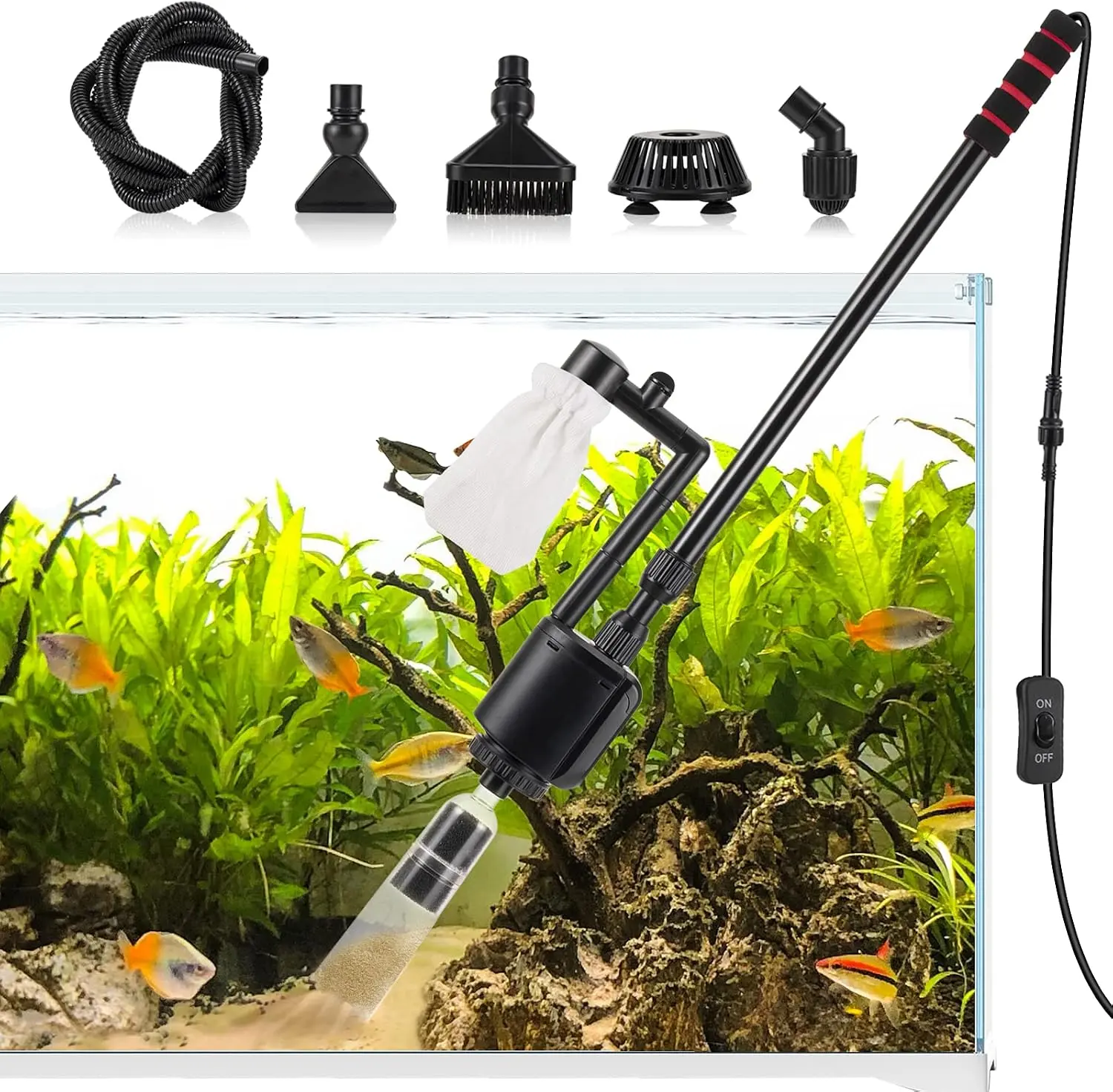
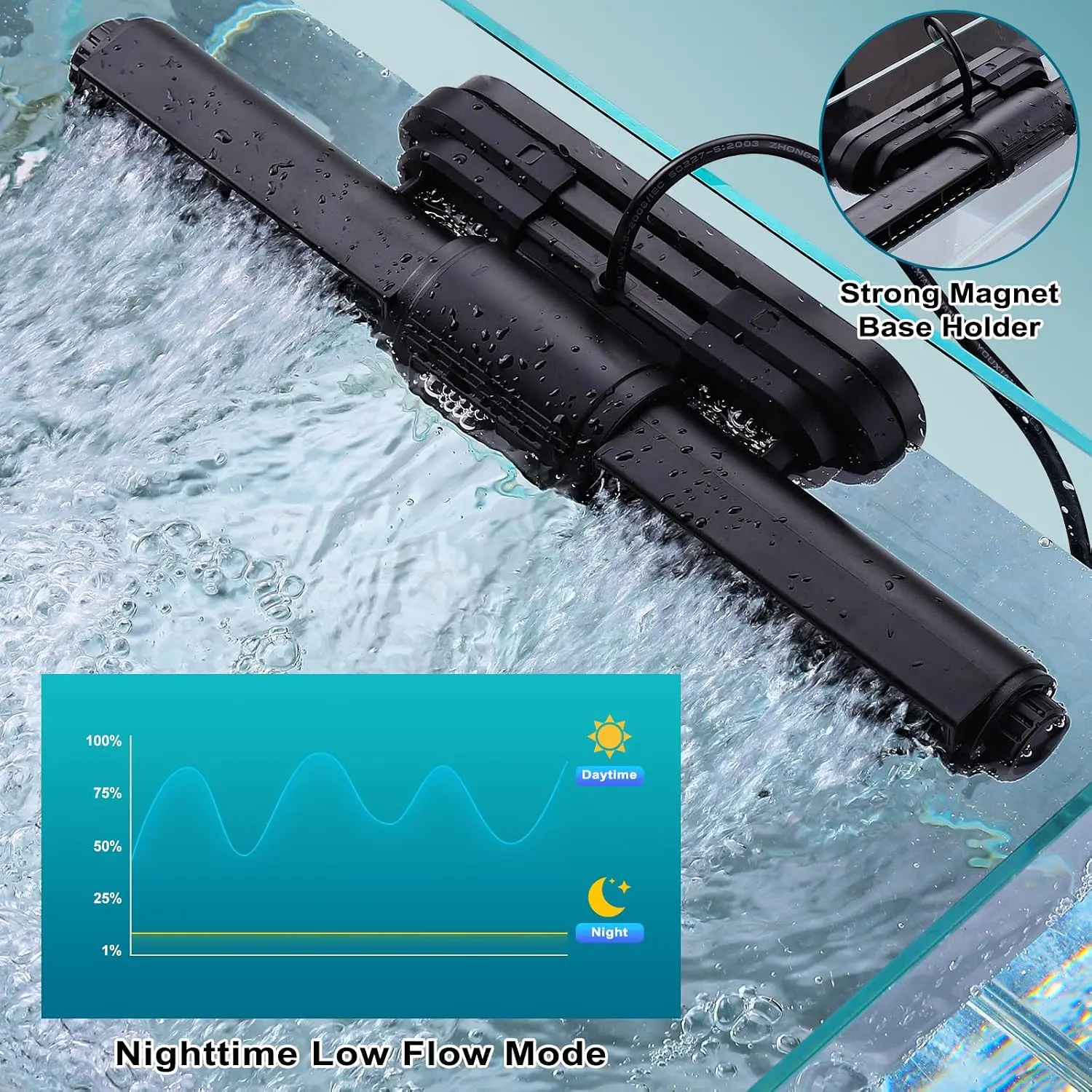
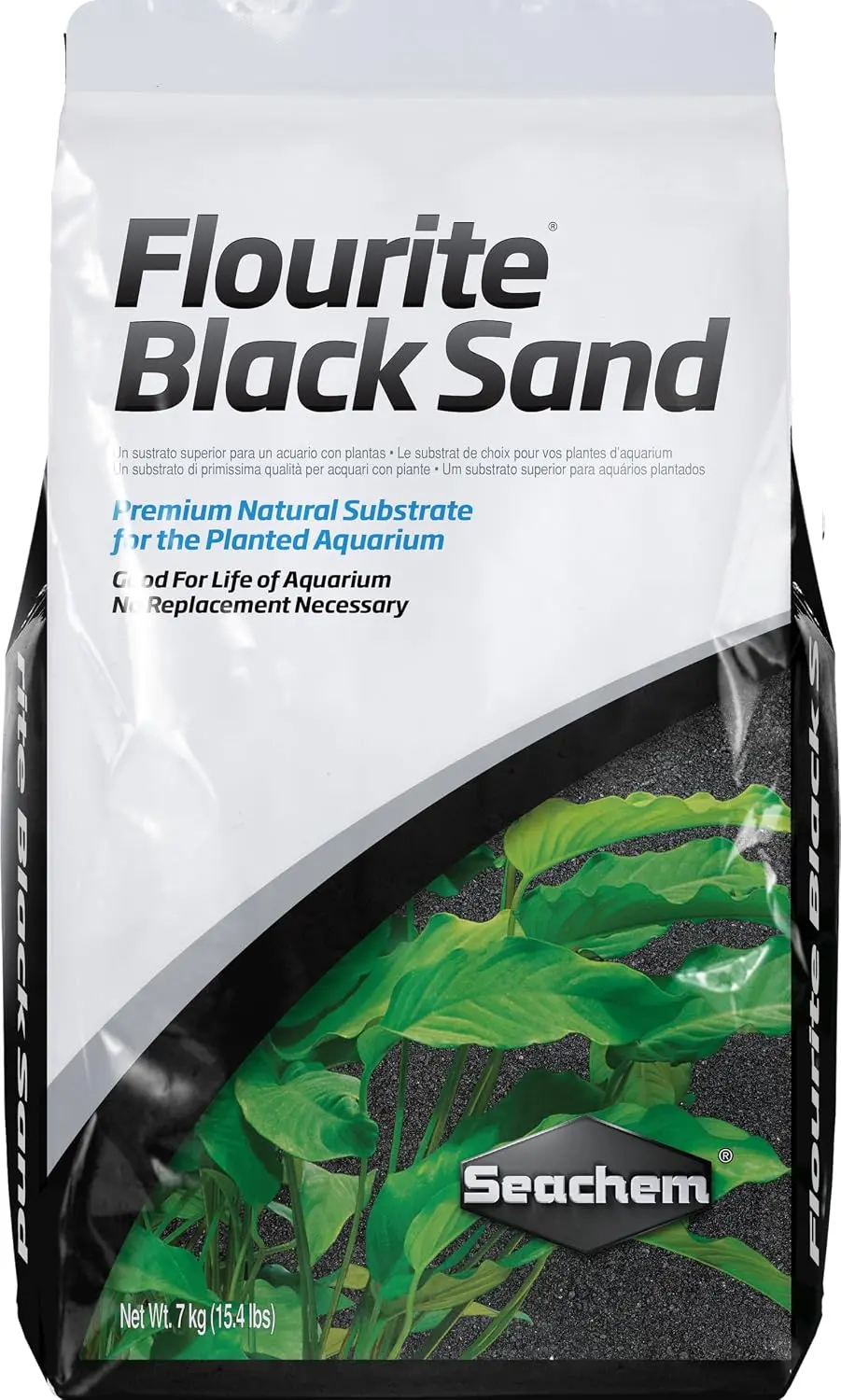
Tank equipment picks
We may earn from qualifying purchases

Guidarium Editorial Desk
Reviewed against Guidarium care, stocking, and compatibility standards. Read the editorial policy.
- Last reviewed
- May 11, 2026
- Last updated
- May 11, 2026
- Issues or corrections?
- Contact the editorial team