
A striking, deeply red nano fish native to the blackwater streams and peat swamps of southern Borneo. They are extremely peaceful and require a mature, densely planted aquarium with soft, acidic water. Due to their tiny size, they are completely safe with adult dwarf shrimp and are ideal for nano setups.
Chili Rasbora At a Glance
Chili Rasbora Tank Requirements
Will Chili Rasbora fit in your tank?
Care guides tell you what Chili Rasbora needs, the next question is whether your tank can safely provide it. Test Chili Rasbora against your tank size, maintenance needs, and the fish you already keep before you buy.
Chili Rasbora Water Parameters
Chili Rasbora Temperament & Compatibility
Chili Rasbora Varieties
Each variety inherits the species defaults above. Only differences are highlighted.
Standard
The standard form. Males exhibit a brilliant, deep red coloration with a dark lateral stripe, while females are slightly plumper and often possess a slightly more muted, pinkish-orange hue. They must be kept in groups to feel secure.
Same care requirements as the base species
Also known as: Wild Type
Chili Rasbora Care Guide Summary
The Chili Rasbora, scientifically known as Boraras brigittae, belongs to the Cyprinids family group. Adults reach a maximum size of approximately 2 cm and have a fusiform body shape with a moderate growth rate. Classified as peaceful, this species primarily occupies the mid-level and surface zones of the aquarium and produces a low level of biological waste.
To thrive, the Chili Rasbora requires a freshwater only aquarium with a minimum volume of 19 litres and a tank length of at least 30 cm. Water temperature should be maintained between 24°C and 28°C, with a pH range of 4–7 and a general hardness of 1–10 dGH. A low water flow is preferred.
Due to its specialist needs, the Chili Rasbora is best suited for fishkeepers who can provide a carefully planned setup. The Chili Rasbora is typically available in one standard form.
Chili Rasbora Habitat Setup
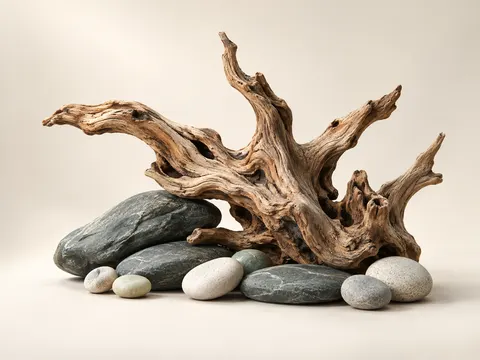
When setting up an aquarium for the Chili Rasbora, a low water flow best suits their natural preferences. Because this species occupies the mid-level and surface zones, the aquarium layout should prioritise adequate surface area with floating cover to make them feel secure near the waterline and open swimming space in the centre of the tank for free movement. Useful additions include leaf litter or blackwater tannins to replicate their natural soft-water habitat, dense planting to provide cover, break sightlines, and reduce stress, and floating plants to diffuse overhead light and create shaded areas.
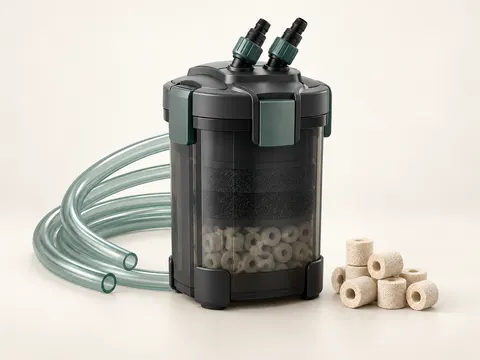
Supplies for Chili Rasbora
We may earn from qualifying purchases


Chili Rasbora Compatibility Notes
Classified as peaceful, the Chili Rasbora is a schooling species that feels most secure in a sizeable group, where natural shoaling behaviour reduces stress and brings out their best colours. Selecting tankmates that favour different water layers from the mid-level and surface zones can help reduce competition and territorial overlap.
Who Chili Rasbora Is Actually For
Chili Rasbora is best for a fishkeeper who wants a species that can settle into a calmer community setup and can provide a keeper who can commit to a proper group of at least 6. It makes the most sense for a hobbyist who will actually build around its needs, especially plants.
The most common mistake is buying Chili Rasbora for looks first and only later discovering how its adult size, behavior, or bioload changes the whole tank plan. Another frequent problem is underestimating its social needs. A token pair or trio often behaves very differently from a real group.
Chili Rasbora Recommended Tank Sizes
Standard aquarium sizes that meet the minimum volume and length requirements for Chili Rasbora.
5 Gallon
10 Gallon Standard
15 Gallon Standard
20 Gallon High
20 Gallon Long
29 Gallon Standard
Show 27 more tank sizes
Frequently Asked Questions About Chili Rasbora
How big does Chili Rasbora get?
Chili Rasbora (Boraras brigittae) typically reaches a maximum adult size of approximately 2 cm. They have a fusiform body shape and a moderate growth rate.
What tank size does Chili Rasbora need?
A minimum aquarium volume of 19 litres and a tank length of at least 30 cm are recommended for Chili Rasbora. This ensures enough swimming space and helps maintain stable water conditions.
What water parameters does Chili Rasbora need?
Chili Rasbora thrives in freshwater only conditions with a temperature range of 24–28°C, a pH between 4 and 7, and a general hardness of 1–10 dGH. A low water flow is preferred.
Is Chili Rasbora peaceful or aggressive?
Chili Rasbora is classified as peaceful with an aggression score of 0 out of 10. They are generally well-suited to peaceful community tanks.
How many Chili Rasbora should be kept together?
Chili Rasbora is a schooling species and should be kept in groups of at least 6. Larger groups help distribute aggression and encourage natural schooling behaviour.
Does Chili Rasbora have any special tank requirements?
Yes. Chili Rasbora benefits from plants - densely covered, plants - floating, and leaf litter/blackwater in the aquarium. These features help replicate their natural habitat and promote overall health and well-being.
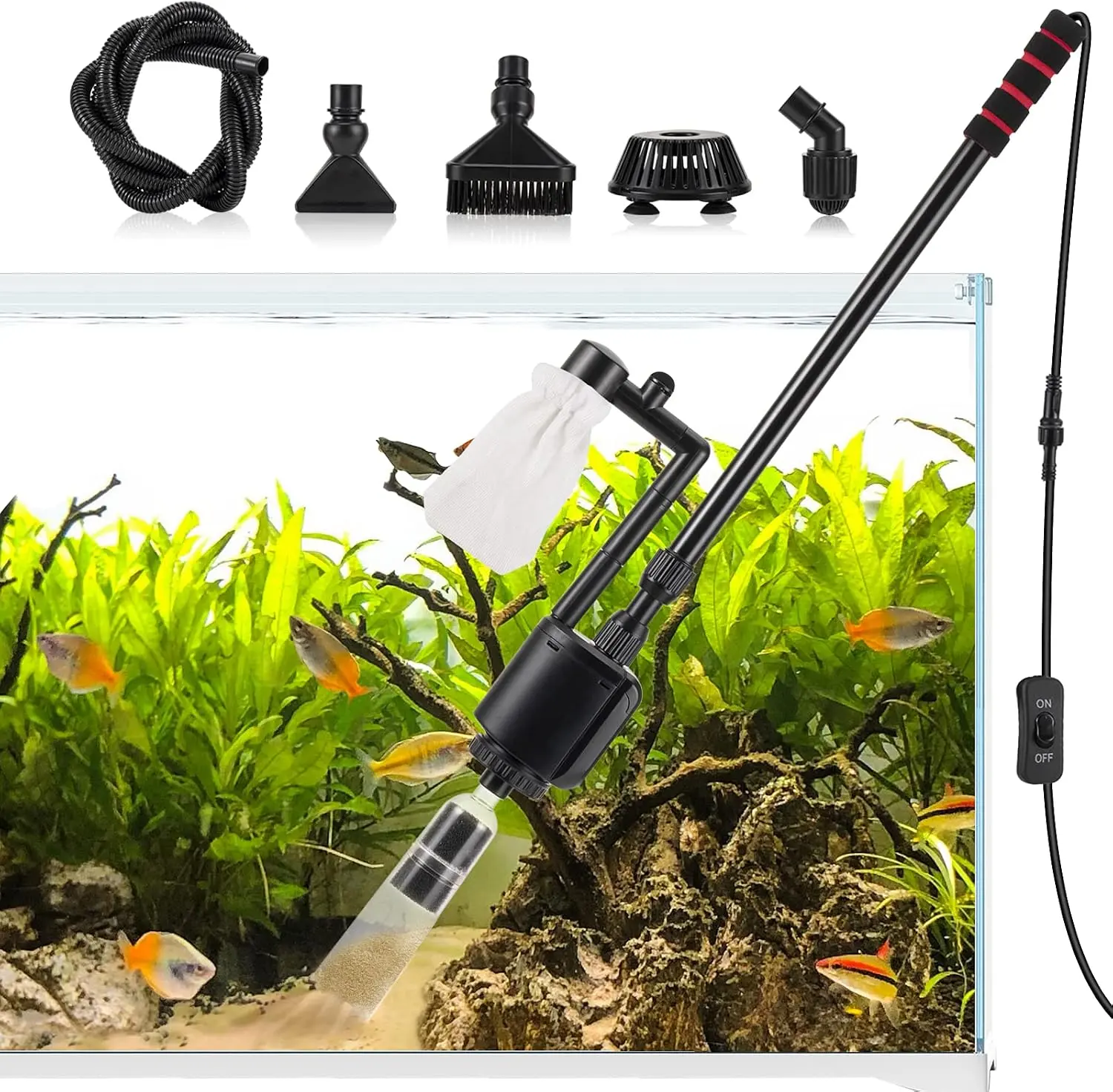
Useful setup supplies
We may earn from qualifying purchases



Guidarium Editorial Desk
Reviewed against Guidarium care, stocking, and compatibility standards. Read the editorial policy.
- Last reviewed
- April 28, 2026
- Last updated
- April 28, 2026
- Issues or corrections?
- Contact the editorial team
Top Tank Mates for Chili Rasbora
These fish are strong compatibility matches for Chili Rasbora based on water preferences, temperament, adult size, and tank behavior.
Plants That Suit Chili Rasbora
These plants pair well with Chili Rasbora based on shared water preferences, layout fit, and how likely they are to hold up in the same aquarium.
Amazon Frogbit
Limnobium laevigatum
Asian Watergrass
Hygroryza aristata
Asian Watermoss
Salvinia cucullata
Carolina Mosquito Fern
Azolla caroliniana
Common Duckweed
Lemna minor
Crystalwort
Riccia fluitans
Fish Similar to Chili Rasbora
Dwarf Rasbora
Boraras maculatus
A tiny, peaceful shoaling fish native to the blackwater streams and peat swamps of Southeast Asia. Known for their striking red/orange coloration and distinct dark body spots. They are an excellent choice for heavily planted nano tanks and peaceful dwarf shrimp setups. Because of their minute size, they are easily outcompeted for food and predated upon by larger fish.
Cherry Spot Rasbora
Rasbora rubrodorsalis
A peaceful and active nano cyprinid native to the slow-moving, heavily vegetated waters of the Mekong basin in Southeast Asia. It is characterized by a distinctive bright red spot on its dorsal fin and a dark lateral line. They are a somewhat shy but excellent shoaling species that thrives in blackwater or heavily planted setups.
Redline Rasbora
Rasbora pauciperforata
A slender, elegant schooling fish native to the blackwater peat swamps of Southeast Asia. Distinguished by a brilliant, glowing neon-red stripe running from its mouth to its tail. They are true blackwater fish, requiring soft, acidic water and plenty of tannins from leaf litter or driftwood to thrive and show their best colors. Peaceful but can be skittish if not kept in appropriately large schools with overhead cover.
Brilliant Rasbora
Rasbora einthovenii
The Brilliant Rasbora is a peaceful, highly active schooling fish native to the forest streams and peat swamps of Southeast Asia. Known for its shimmering silver body and distinct dark lateral stripe, they thrive in gently flowing, heavily planted blackwater setups with subdued lighting. They are known jumpers, requiring a tight-fitting lid.
Red Dwarf Rasbora
Microrasbora rubescens
A stunning but rare nano species endemic to Lake Inle, Myanmar. Unlike most rasboras that prefer soft acidic water, this species strictly requires harder, alkaline water (pH 7.5+) to thrive and display its vibrant orange-red coloration. They are peaceful, active schoolers that must be kept in large groups in planted aquariums.
Neon Green Rasbora (Kubotai)
Microdevario kubotai
A brilliant neon-green nano schooling fish native to the slow-to-moderate rivers of Thailand and Myanmar. Despite their tiny size, they are highly active, darting swimmers that require plenty of horizontal swimming space and well-oxygenated water. They are strictly shoaling fish and must be kept in groups to feel secure and display their best colors.