
Peacock Gudgeon
Tateurndina ocellicauda
A stunning, peaceful freshwater sleeper goby from Papua New Guinea. Known for their vibrant blue, red, and yellow colors, they are excellent nano-tank inhabitants. They are not true gobies (they lack fused pelvic fins) and are exclusively freshwater. They prefer slow-moving water, dense vegetation, and small caves (like PVC pipes or smooth stones) for spawning.
Peacock Gudgeon At a Glance
Peacock Gudgeon Tank Requirements
Will Peacock Gudgeon fit in your tank?
Care guides tell you what Peacock Gudgeon needs, the next question is whether your tank can safely provide it. Test Peacock Gudgeon against your tank size, maintenance needs, and the fish you already keep before you buy.
Peacock Gudgeon Water Parameters
Peacock Gudgeon Temperament & Compatibility
Peacock Gudgeon Varieties
Each variety inherits the species defaults above. Only differences are highlighted.
Male
Males develop a prominent nuchal hump (rounded forehead) as they mature. They are slightly larger, highly colorful, and will fiercely guard eggs laid inside small caves or PVC pipes.
Differs in 3 traits from base species
Also known as: Male Peacock Gudgeon, Nuchal Hump
Female
Females lack the nuchal hump, featuring a much more streamlined head. They are easily identified by a bright yellow patch on their belly (which becomes very pronounced when gravid/full of eggs) and a black edge on their anal fin.
Differs in 3 traits from base species
Also known as: Female Peacock Gudgeon, Yellow Belly
Peacock Gudgeon Care Guide Summary
The Peacock Gudgeon, scientifically known as Tateurndina ocellicauda, belongs to the Gobies & Gudgeons family group. Adults reach a maximum size of approximately 6 cm and have a fusiform body shape with a moderate growth rate. Classified as peaceful, this species primarily occupies the mid-level and bottom zones of the aquarium and produces a low level of biological waste.
To thrive, the Peacock Gudgeon requires a freshwater only aquarium with a minimum volume of 40 litres and a tank length of at least 45 cm. Water temperature should be maintained between 22°C and 26°C, with a pH range of 6.5–7.5 and a general hardness of 5–10 dGH. A low water flow is preferred.
The Peacock Gudgeon is a rewarding species to keep, provided its core environmental needs are met. This species is available in 2 varieties: Male and Female. Each may differ slightly in size, temperament, or care needs, so it is worth checking the specific requirements of the variety you plan to keep.
Peacock Gudgeon Habitat Setup
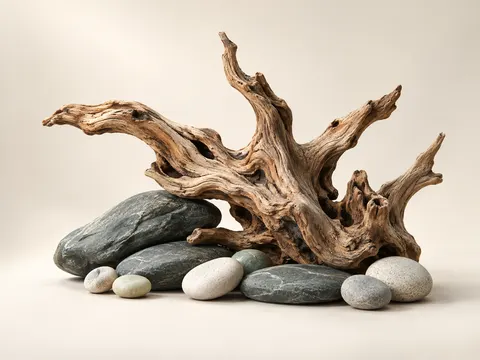
When setting up an aquarium for the Peacock Gudgeon, a low water flow best suits their natural preferences. Because this species occupies the mid-level and bottom zones, the aquarium layout should prioritise open swimming space in the centre of the tank for free movement and sufficient floor space with hiding spots among rocks, wood, or dense planting. Useful additions include smooth gravel or rounded substrate to protect their sensitive barbels and dense planting to provide cover, break sightlines, and reduce stress.
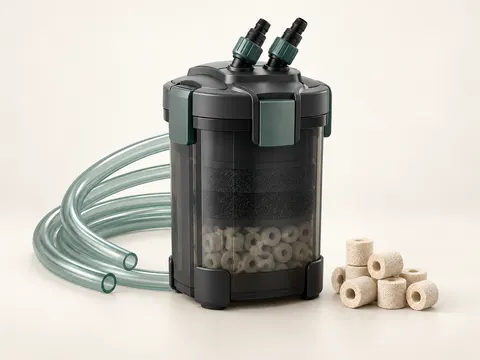
Supplies for Peacock Gudgeon
We may earn from qualifying purchases


Peacock Gudgeon Compatibility Notes
Classified as peaceful, the Peacock Gudgeon is a social species that requires the company of its own kind to thrive. When choosing tankmates, boisterous or fast-moving tankmates may cause this species undue stress. Selecting tankmates that favour different water layers from the mid-level and bottom zones can help reduce competition and territorial overlap.
Who Peacock Gudgeon Is Actually For
Peacock Gudgeon is best for a fishkeeper who wants a species that can settle into a calmer community setup and can provide a keeper who can commit to a proper group of at least 2. It makes the most sense for a hobbyist who will actually build around its needs, especially plants.
The most common mistake is buying Peacock Gudgeon for looks first and only later discovering how its adult size, behavior, or bioload changes the whole tank plan. Another frequent problem is underestimating its social needs. A token pair or trio often behaves very differently from a real group.
Peacock Gudgeon Recommended Tank Sizes
Standard aquarium sizes that meet the minimum volume and length requirements for Peacock Gudgeon.
15 Gallon Standard
20 Gallon High
20 Gallon Long
29 Gallon Standard
30 Gallon Breeder
36 Gallon Bowfront
Show 21 more tank sizes
Frequently Asked Questions About Peacock Gudgeon
How big does Peacock Gudgeon get?
Peacock Gudgeon (Tateurndina ocellicauda) typically reaches a maximum adult size of approximately 6 cm. They have a fusiform body shape and a moderate growth rate.
What tank size does Peacock Gudgeon need?
A minimum aquarium volume of 40 litres and a tank length of at least 45 cm are recommended for Peacock Gudgeon. This ensures enough swimming space and helps maintain stable water conditions.
What water parameters does Peacock Gudgeon need?
Peacock Gudgeon thrives in freshwater only conditions with a temperature range of 22–26°C, a pH between 6.5 and 7.5, and a general hardness of 5–10 dGH. A low water flow is preferred.
Is Peacock Gudgeon peaceful or aggressive?
Peacock Gudgeon is classified as peaceful with an aggression score of 2 out of 10. They are generally well-suited to peaceful community tanks.
Can Peacock Gudgeon live alone?
No, Peacock Gudgeon should be kept in groups of at least 2 to reduce stress and encourage natural behaviour.
Does Peacock Gudgeon have any special tank requirements?
Yes. Peacock Gudgeon benefits from plants - densely covered and smooth gravel (sensitive barbels) in the aquarium. These features help replicate their natural habitat and promote overall health and well-being.
Useful setup supplies
We may earn from qualifying purchases




Guidarium Editorial Desk
Reviewed against Guidarium care, stocking, and compatibility standards. Read the editorial policy.
- Last reviewed
- April 28, 2026
- Last updated
- April 28, 2026
- Issues or corrections?
- Contact the editorial team
Top Tank Mates for Peacock Gudgeon
These fish are strong compatibility matches for Peacock Gudgeon based on water preferences, temperament, adult size, and tank behavior.
Marbled Hatchetfish
Carnegiella strigata
Ideal Tank MatesClown Killifish
Epiplatys annulatus
Ideal Tank MatesTrapdoor Snail
Cipangopaludina chinensis
Ideal Tank MatesTiger Pleco (L002)
Panaqolus sp. L002
Ideal Tank MatesParallel Cory
Corydoras parallelus
Ideal Tank MatesCandy Striped Pleco (L015)
Peckoltia vittata
Ideal Tank MatesPlants That Suit Peacock Gudgeon
These plants pair well with Peacock Gudgeon based on shared water preferences, layout fit, and how likely they are to hold up in the same aquarium.
Amazon Frogbit
Limnobium laevigatum
Asian Watergrass
Hygroryza aristata
Asian Watermoss
Salvinia cucullata
Beckett's Water Trumpet
Cryptocoryne beckettii
Broad-leaved Crypt
Cryptocoryne pontederiifolia
Carolina Fanwort
Cabomba caroliniana
Fish Similar to Peacock Gudgeon
Empire Gudgeon
Hypseleotris compressa
A remarkably adaptable and beautifully colored sleeper goby (not a true goby) native to Australia and New Guinea. They inhabit both pure freshwater streams and brackish estuaries. While generally peaceful and excellent community fish, they are micropredators that will happily consume dwarf shrimp and very small fry.
Neon Blue Goby
Stiphodon atropurpureus
A stunning, specialized freshwater goby native to fast-flowing hill streams in Asia. Males display brilliant neon blue metallic coloration, while females are striped. They are specialized biofilm grazers ('Aufwuchs' eaters) and require mature tanks with established algae/biofilm stones. They are obligate stream dwellers requiring high oxygen and strong flow.
Fort Maguire Peacock
Aulonocara hansbaenschi
A stunning Lake Malawi Peacock cichlid known for the male's metallic blue body and vibrant red/orange flush behind the gills. Like all Aulonocara, they are benthivores (sand-sifters) that hunt small invertebrates using enlarged sensory pores on their lower jaw. They require hard, alkaline water and a fine sand substrate to exhibit natural behaviors without damaging their gills.
Knight Goby
Stigmatogobius sadanundio
A distinct, high-bodied goby found in estuaries across South Asia. Unlike most bottom-dwelling gobies, the Knight Goby frequently hovers in the water column. While often sold as freshwater fish, they thrive best in slightly brackish water (SG 1.003-1.005) or very hard, alkaline freshwater. They are territorial and notorious fin-nippers, making them poor tankmates for Guppies or Bettas.
Purple Spotted Gudgeon
Mogurnda adspersa
A stunning, robust Australian native fish known for its dark chocolate hues and vivid red, blue, and purple spots. Found in slow-moving creeks and billabongs, they are ambush predators. While generally peaceful with similarly sized or larger tank mates, they will eat any fish or invertebrate that fits into their surprisingly large mouths. They are capable jumpers and require a tight-fitting lid.
Peacock Eel
Macrognathus siamensis
A peaceful, nocturnal spiny eel native to Southeast Asia, easily identified by the false eyespots (ocelli) along its dorsal fin. They are notorious escape artists and avid burrowers. A soft sand substrate is absolutely mandatory to prevent severe bacterial skin infections from scratching, along with a tight-fitting lid. They are picky eaters that generally require live or frozen meaty foods like bloodworms.