
Contradens Pleco (Snowball Variant)
Hypancistrus contradens
A striking, medium-sized pleco characterized by a pitch-black body covered in large white 'snowball' spots. Unlike common plecos, the Contradens (like most Hypancistrus) leans carnivorous and prefers meaty foods over algae. They require highly oxygenated, warm water with strong flow to mimic their native fast-flowing Venezuelan rivers.
Contradens Pleco (Snowball Variant) At a Glance
Contradens Pleco (Snowball Variant) Tank Requirements
Will Contradens Pleco (Snowball Variant) fit in your tank?
Care guides tell you what Contradens Pleco (Snowball Variant) needs, the next question is whether your tank can safely provide it. Test Contradens Pleco (Snowball Variant) against your tank size, maintenance needs, and the fish you already keep before you buy.
Contradens Pleco (Snowball Variant) Water Parameters
Contradens Pleco (Snowball Variant) Temperament & Compatibility
Contradens Pleco (Snowball Variant) Varieties
Each variety inherits the species defaults above. Only differences are highlighted.
Standard / Unsexed
Typical form available in the trade, usually sold as unsexed juveniles or young adults. They are peaceful towards most mid- and top-water tank mates but require plenty of hiding spaces (caves, driftwood) to feel secure during the day.
Differs in 1 trait from base species
Also known as: L201a, Juvenile, Standard
Adult Male
Males are distinguished by broader heads and significantly longer odontodes (spines) on their cheeks and pectoral fins. They will aggressively defend their chosen breeding cave against other males and bottom-dwelling intruders.
Differs in 2 traits from base species
Also known as: Breeding Male, Alpha Male
Adult Female
Females have a slightly rounder body (especially when gravid), narrower heads, and much shorter odontodes. They are generally peaceful but can be heavily bullied by males if adequate hiding spaces are not provided.
Differs in 1 trait from base species
Also known as: Female
Contradens Pleco (Snowball Variant) Care Guide Summary
The Contradens Pleco (Snowball Variant), scientifically known as Hypancistrus contradens, belongs to the Catfish family group. Adults reach a maximum size of approximately 13 cm and have a depressed body shape with a slow growth rate. Classified as mostly peaceful, this species primarily occupies the bottom zone of the aquarium and produces a high level of biological waste.
To thrive, the Contradens Pleco (Snowball Variant) requires a freshwater only aquarium with a minimum volume of 120 litres and a tank length of at least 80 cm. Water temperature should be maintained between 25°C and 29°C, with a pH range of 5.8–7.5 and a general hardness of 4–15 dGH. A high water flow is preferred.
The Contradens Pleco (Snowball Variant) is a rewarding species to keep, provided its core environmental needs are met. This species is available in 3 varieties: Standard / Unsexed, Adult Male, and Adult Female. Each may differ slightly in size, temperament, or care needs, so it is worth checking the specific requirements of the variety you plan to keep.
Contradens Pleco (Snowball Variant) Habitat Setup
When setting up an aquarium for the Contradens Pleco (Snowball Variant), a high water flow best suits their natural preferences. Because this species occupies the bottom zone, the aquarium layout should prioritise sufficient floor space with hiding spots among rocks, wood, or dense planting. Useful additions include smooth gravel or rounded substrate to protect their sensitive barbels and driftwood, which can serve as both a hiding place and a dietary supplement.
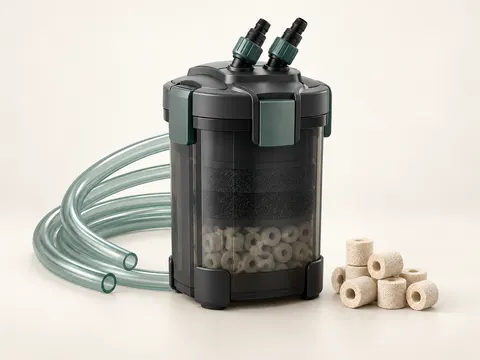
Supplies for Contradens Pleco (Snowball Variant)
We may earn from qualifying purchases



Contradens Pleco (Snowball Variant) Compatibility Notes
Classified as mostly peaceful, the Contradens Pleco (Snowball Variant) is adaptable and can be kept singly or in a small group, offering flexibility when planning a community tank. When choosing tankmates, ornamental shrimp are not safe companions and boisterous or fast-moving tankmates may cause this species undue stress. Selecting tankmates that favour different water layers from the bottom zone can help reduce competition and territorial overlap.
Who Contradens Pleco (Snowball Variant) Is Actually For
Contradens Pleco (Snowball Variant) is best for a fishkeeper who wants a species that can settle into a calmer community setup and can provide someone who understands its individual space requirements. It makes the most sense for a hobbyist who will actually build around its needs, especially driftwood.
The most common mistake is buying Contradens Pleco (Snowball Variant) for looks first and only later discovering how its adult size, behavior, or bioload changes the whole tank plan. Another frequent problem is forcing it into an over-busy community when it would do better with more room or more deliberate tankmate choices.
Contradens Pleco (Snowball Variant) Recommended Tank Sizes
Standard aquarium sizes that meet the minimum volume and length requirements for Contradens Pleco (Snowball Variant).
40 Gallon Breeder
55 Gallon Standard
60 Gallon Breeder
75 Gallon Standard
90 Gallon Standard
125 Gallon Standard
Show 10 more tank sizes
Contradens Pleco (Snowball Variant) Feeding & Diet Considerations
The Contradens Pleco (Snowball Variant) will hunt and eat ornamental shrimp, making it unsuitable for shrimp-focused setups and is primarily active at dusk and dawn, so offering food shortly after lights-off ensures it receives adequate nutrition.
Frequently Asked Questions About Contradens Pleco (Snowball Variant)
How big does Contradens Pleco (Snowball Variant) get?
Contradens Pleco (Snowball Variant) (Hypancistrus contradens) typically reaches a maximum adult size of approximately 13 cm. They have a depressed body shape and a slow growth rate.
What tank size does Contradens Pleco (Snowball Variant) need?
A minimum aquarium volume of 120 litres and a tank length of at least 80 cm are recommended for Contradens Pleco (Snowball Variant). This ensures enough swimming space and helps maintain stable water conditions.
What water parameters does Contradens Pleco (Snowball Variant) need?
Contradens Pleco (Snowball Variant) thrives in freshwater only conditions with a temperature range of 25–29°C, a pH between 5.8 and 7.5, and a general hardness of 4–15 dGH. A high water flow is preferred.
Is Contradens Pleco (Snowball Variant) peaceful or aggressive?
Contradens Pleco (Snowball Variant) is classified as mostly peaceful with an aggression score of 3 out of 10. They are generally well-suited to peaceful community tanks.
Can Contradens Pleco (Snowball Variant) live alone?
Yes, Contradens Pleco (Snowball Variant) can be kept singly or in a group. They are flexible and adapt well to both setups.
Is Contradens Pleco (Snowball Variant) safe with shrimp?
No. Contradens Pleco (Snowball Variant) is known to eat ornamental shrimp and is not recommended for shrimp tanks. Even larger shrimp species like Amano Shrimp may be at risk.
Does Contradens Pleco (Snowball Variant) have any special tank requirements?
Yes. Contradens Pleco (Snowball Variant) benefits from driftwood (digestion/hiding) and smooth gravel (sensitive barbels) in the aquarium. These features help replicate their natural habitat and promote overall health and well-being.
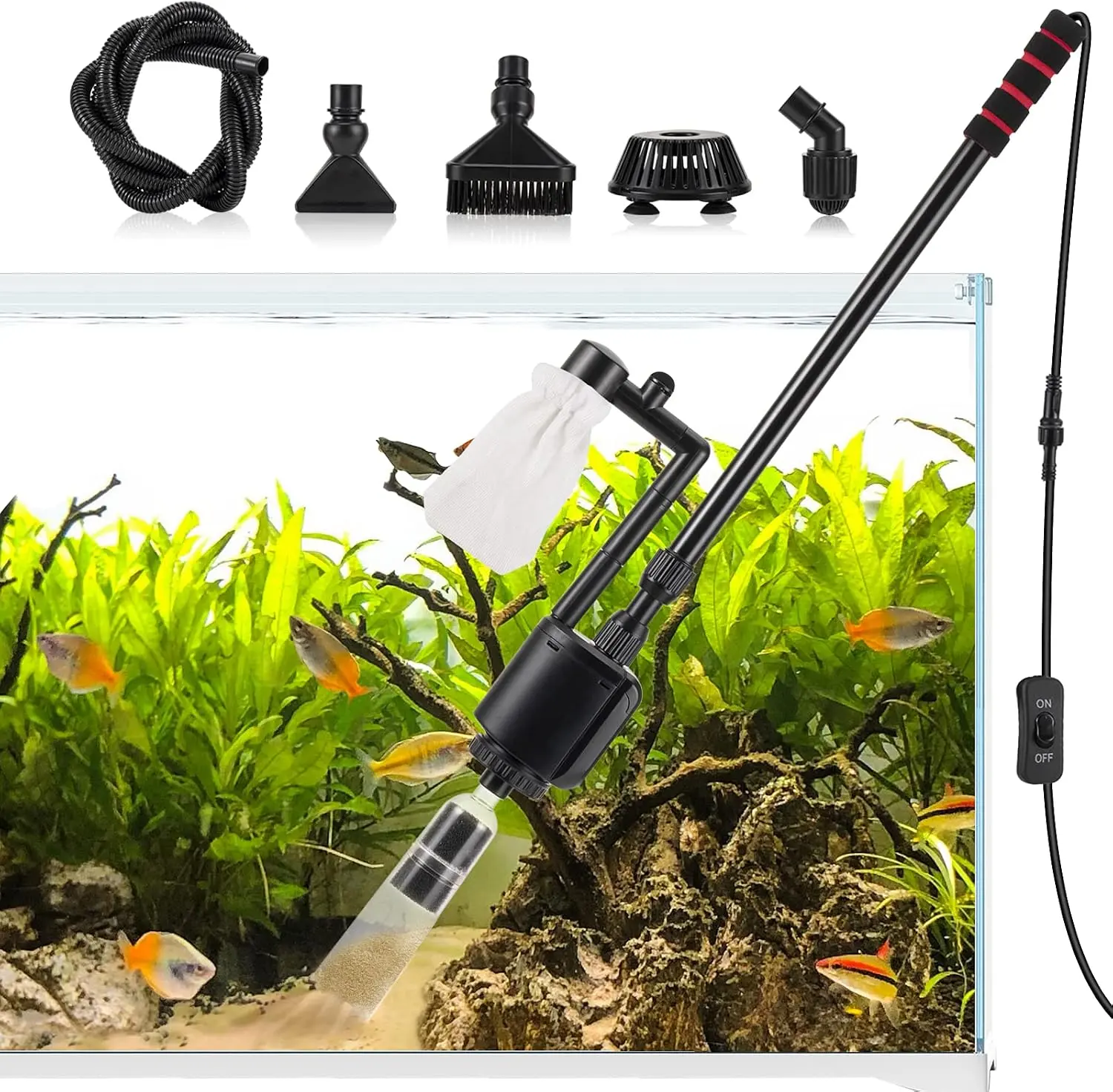
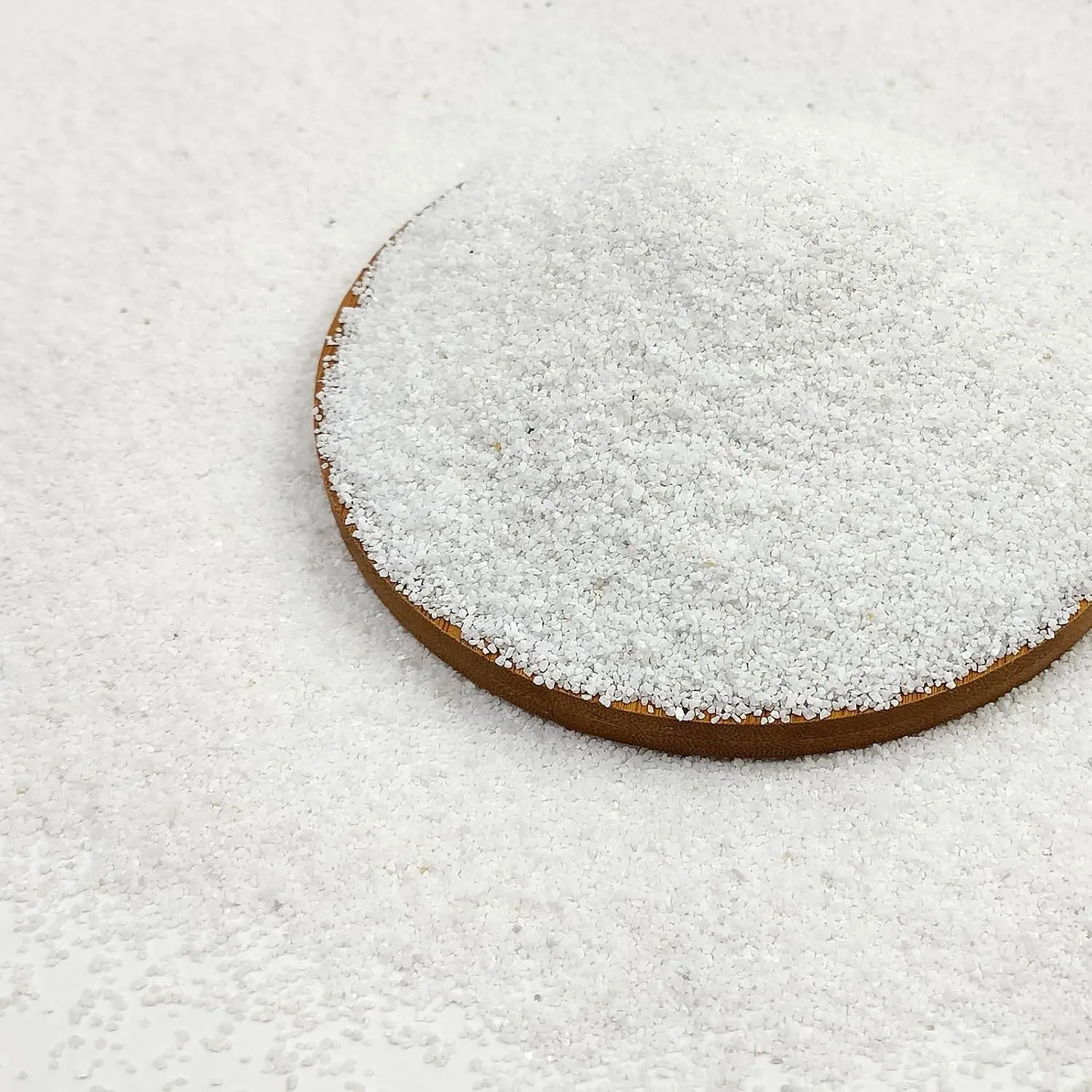
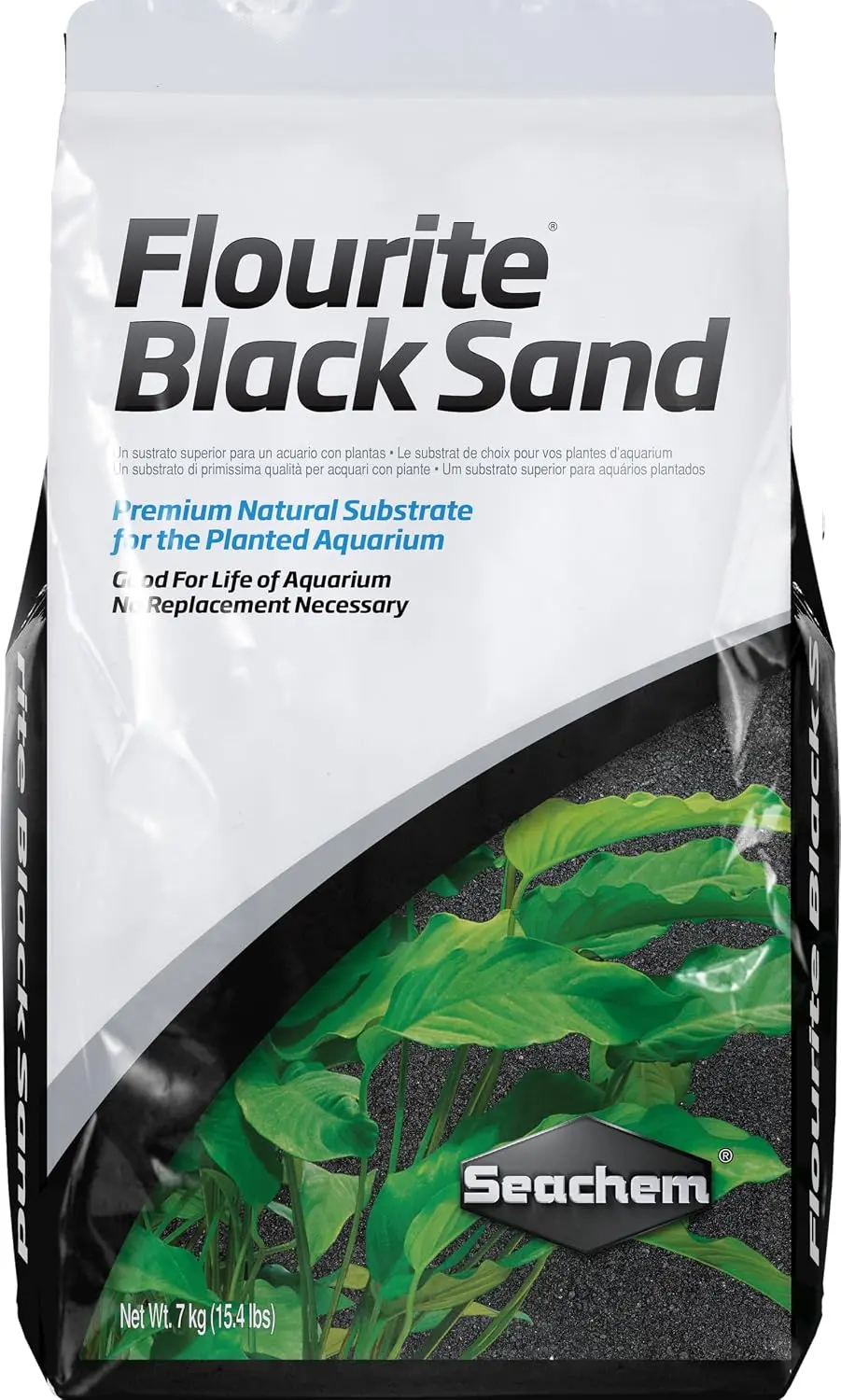
Useful setup supplies
We may earn from qualifying purchases
Guidarium Editorial Desk
Reviewed against Guidarium care, stocking, and compatibility standards. Read the editorial policy.
- Last reviewed
- May 6, 2026
- Last updated
- May 6, 2026
- Issues or corrections?
- Contact the editorial team
Top Tank Mates for Contradens Pleco (Snowball Variant)
These fish are strong compatibility matches for Contradens Pleco (Snowball Variant) based on water preferences, temperament, adult size, and tank behavior.
Glass Catfish
Kryptopterus vitreolus
Ideal Tank MatesThreadfin Acara
Acarichthys heckelii
Ideal Tank MatesRaspy River Stingray
Potamotrygon scobina
Ideal Tank MatesTiger Pleco (L002)
Panaqolus sp. L002
Ideal Tank MatesTandanus Catfish
Tandanus tandanus
Ideal Tank MatesStarlight Bristlenose Pleco (L183)
Ancistrus dolichopterus
Ideal Tank MatesPlants That Suit Contradens Pleco (Snowball Variant)
These plants pair well with Contradens Pleco (Snowball Variant) based on shared water preferences, layout fit, and how likely they are to hold up in the same aquarium.
African Water Fern
Bolbitis heudelotii
Boivin's Aponogeton
Aponogeton boivinianus
Capuron's Aponogeton
Aponogeton capuronii
African Onion Plant
Crinum calamistratum
Afzel's Anubias
Anubias afzelii
Amazon Sword
Echinodorus amazonicus
Fish Similar to Contradens Pleco (Snowball Variant)
Candy Striped Pleco (L015)
Peckoltia vittata
The Candy Striped Pleco (L015) is a strikingly patterned, dwarf Loricarid native to the Amazon Basin. It features a dark brown body crossed with bold yellow to white stripes. Due to its small adult size, it is an excellent alternative to Common Plecos. It is primarily nocturnal and omnivorous, requiring both meaty foods and vegetable matter. Driftwood is essential for its digestion and to provide hiding spaces.
Peppermint Pleco
Parancistrus nudiventris
An attractive, medium-sized pleco endemic to the warm, fast-moving waters of Brazil's Rio Xingu. Popular for its dark body covered in striking white spots, reminiscent of peppermint candy. Like many Loricariids from this region, they need highly oxygenated water, a varied diet containing both vegetable matter and protein, and plenty of hiding spaces.
Adonis Pleco
Acanthicus adonis
The Adonis Pleco is one of the largest and most formidable loricariids (plecos) in the world. While juveniles display stunning white polka dots on a pitch-black body, these spots fade into a solid dark grey/black as they mature into massive, heavily armored adults with long lyretails. Due to their enormous adult size (up to 1 meter/39 inches) and intense territorial aggression toward other bottom dwellers, they require giant, specialized aquariums or heated indoor ponds.
Flash Pleco (L204)
Panaqolus albomaculatus
A striking, small loricariid known for its vibrant yellow/white stripes on a dark body. Note: The scientific name 'P. albomaculatus' correctly refers to the Mustard Spot Pleco (LDA31), while the true Flash Pleco is 'P. albivermis'. Both share identical husbandry. As xylophagous (wood-eating) catfish, they absolutely require real driftwood in the aquarium to digest properly and will produce copious amounts of sawdust-like waste.
Spotted Rubberlip Pleco (L187a)
Chaetostoma milesi
A hardworking, algae-eating catfish native to the fast-flowing, highly oxygenated mountain streams of Colombia. Known for its bulldog-like blunt snout and spotted pattern. Unlike many tropical fish, they require cooler water, high flow, and pristine water conditions to thrive. They are peaceful towards mid-water fish but can be territorial over their favorite hiding spots.
Gold Nugget Pleco (L018)
Baryancistrus xanthellus
A stunning, highly sought-after Loricariid native to the fast-flowing, highly oxygenated waters of the Rio Xingu in Brazil. They feature a dark body covered in bright yellow spots with thick yellow seams on their dorsal and caudal fins. They require high temperatures, high water flow, and a diet rich in biofilm, aufwuchs, and fresh vegetables. They are notoriously territorial towards other bottom-dwellers.