
Festivum
Mesonauta festivus
A peaceful, deep-bodied South American cichlid that makes a great, hardier alternative to the Discus or a peaceful companion for Angelfish. They feature a distinct black diagonal band running from their mouth to the top of their dorsal fin. They are an inquisitive species that often look up towards the surface, but they are notorious for eating soft aquarium plants.
Festivum At a Glance
Festivum Tank Requirements
Will Festivum fit in your tank?
Care guides tell you what Festivum needs, the next question is whether your tank can safely provide it. Test Festivum against your tank size, maintenance needs, and the fish you already keep before you buy.
Festivum Water Parameters
Festivum Temperament & Compatibility
Festivum Varieties
Each variety inherits the species defaults above. Only differences are highlighted.
Standard
The standard Festivum form. Best kept in pairs or small groups. They are generally peaceful but will defend territories during breeding. Soft-leaved plants will likely be eaten.
Differs in 1 trait from base species
Also known as: Standard, Wild Type
Festivum Care Guide Summary
The Festivum, scientifically known as Mesonauta festivus, belongs to the Cichlids - South American family group. Adults reach a maximum size of approximately 15 cm and have a compressed body shape with a moderate growth rate. Classified as mostly peaceful, this species primarily occupies the surface and mid-level zones of the aquarium and produces a high level of biological waste.
To thrive, the Festivum requires a freshwater only aquarium with a minimum volume of 150 litres and a tank length of at least 90 cm. Water temperature should be maintained between 24°C and 28°C, with a pH range of 5.5–7.2 and a general hardness of 2–12 dGH. A low water flow is preferred.
The Festivum is a rewarding species to keep, provided its core environmental needs are met. The Festivum is typically available in one standard form.
Festivum Habitat Setup
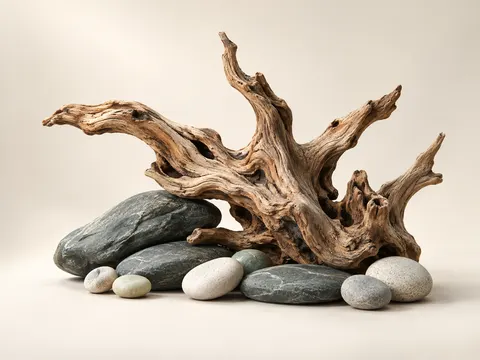
When setting up an aquarium for the Festivum, a low water flow best suits their natural preferences. Because this species occupies the surface and mid-level zones, the aquarium layout should prioritise adequate surface area with floating cover to make them feel secure near the waterline and open swimming space in the centre of the tank for free movement. Useful additions include driftwood, which can serve as both a hiding place and a dietary supplement and floating plants to diffuse overhead light and create shaded areas. Keepers should note that a tight-fitting lid is essential, as this species is a known jumper and live planted layouts may be difficult to maintain, as this species tends to uproot or consume vegetation.
Supplies for Festivum
We may earn from qualifying purchases

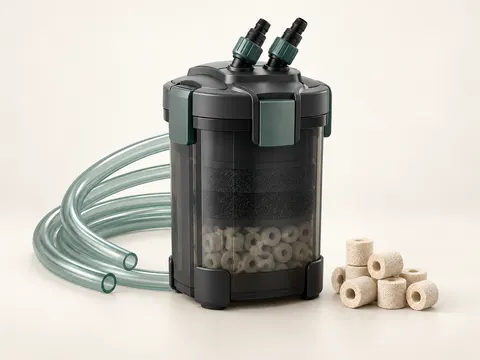

Festivum Compatibility Notes
Classified as mostly peaceful, the Festivum is adaptable and can be kept singly or in a small group, offering flexibility when planning a community tank. When choosing tankmates, territorial behaviour may cause issues if hiding spots or floor space are limited. Selecting tankmates that favour different water layers from the surface and mid-level zones can help reduce competition and territorial overlap.
Who Festivum Is Actually For
Festivum is best for a fishkeeper who wants a species that can settle into a calmer community setup and can provide a keeper who can commit to a proper group of at least 2. It makes the most sense for a hobbyist who will actually build around its needs, especially driftwood.
The most common mistake is buying Festivum for looks first and only later discovering how its adult size, behavior, or bioload changes the whole tank plan. Another frequent problem is underestimating its social needs. A token pair or trio often behaves very differently from a real group.
Festivum Recommended Tank Sizes
Standard aquarium sizes that meet the minimum volume and length requirements for Festivum.
40 Gallon Breeder
55 Gallon Standard
60 Gallon Breeder
75 Gallon Standard
90 Gallon Standard
125 Gallon Standard
Show 9 more tank sizes
Frequently Asked Questions About Festivum
How big does Festivum get?
Festivum (Mesonauta festivus) typically reaches a maximum adult size of approximately 15 cm. They have a compressed body shape and a moderate growth rate.
What tank size does Festivum need?
A minimum aquarium volume of 150 litres and a tank length of at least 90 cm are recommended for Festivum. This ensures enough swimming space and helps maintain stable water conditions.
What water parameters does Festivum need?
Festivum thrives in freshwater only conditions with a temperature range of 24–28°C, a pH between 5.5 and 7.2, and a general hardness of 2–12 dGH. A low water flow is preferred.
Is Festivum peaceful or aggressive?
Festivum is classified as mostly peaceful with an aggression score of 4 out of 10. They are generally well-suited to peaceful community tanks.
Can Festivum live alone?
Yes, Festivum can be kept singly or in a group. They are flexible and adapt well to both setups.
Does Festivum have any special tank requirements?
Yes. Festivum benefits from driftwood (digestion/hiding) and plants - floating in the aquarium. These features help replicate their natural habitat and promote overall health and well-being.
Does Festivum need a lid on the tank?
Yes. Festivum is a known jumper, and a tight-fitting lid or cover is essential to prevent escape. Even a small gap can be enough for a determined fish to leap out.
Useful setup supplies
We may earn from qualifying purchases




Guidarium Editorial Desk
Reviewed against Guidarium care, stocking, and compatibility standards. Read the editorial policy.
- Last reviewed
- May 4, 2026
- Last updated
- May 4, 2026
- Issues or corrections?
- Contact the editorial team
Top Tank Mates for Festivum
These fish are strong compatibility matches for Festivum based on water preferences, temperament, adult size, and tank behavior.
Reticulated Stingray (Teacup Ray)
Potamotrygon orbignyi
Ideal Tank MatesRaspy River Stingray
Potamotrygon scobina
Ideal Tank MatesTandanus Catfish
Tandanus tandanus
Ideal Tank MatesStarlight Bristlenose Pleco (L183)
Ancistrus dolichopterus
Ideal Tank MatesSpotted Raphael Catfish
Agamyxis pectinifrons
Ideal Tank MatesFreshwater Sole
Brachirus selheimi
Ideal Tank MatesPlants That Suit Festivum
These plants pair well with Festivum based on shared water preferences, layout fit, and how likely they are to hold up in the same aquarium.
Asian Watergrass
Hygroryza aristata
Asian Watermoss
Salvinia cucullata
Floating Fern
Salvinia natans
Giant Salvinia
Salvinia molesta
Water Cabbage
Pistia stratiotes
Water Hyacinth
Eichhornia crassipes
Fish Similar to Festivum
Rainbow Cichlid
Herotilapia multispinosa
Widely regarded as one of the most peaceful and beginner-friendly Central American cichlids. They are known for their vibrant gold, orange, and black coloration which intensifies during breeding. In the wild, they inhabit muddy, slow-moving waters and have specialized teeth for grazing on algae. While peaceful for a cichlid, they become aggressively territorial when spawning and their herbivorous diet means they will happily consume soft-leaved aquarium plants.
Redhead Severum
Heros sp. Rotkeil
A striking, deep-bodied South American cichlid known for the intense red/orange coloration on its head and shoulders. While generally considered a 'gentle giant' compared to other large cichlids, it is highly territorial during breeding. They are notorious herbivores that will enthusiastically consume most live aquatic plants.
Threadfin Acara
Acarichthys heckelii
A stunning, generally peaceful South American cichlid closely related to the 'Earth-eaters' (Geophagus). They are famous for the long, trailing red filaments extending from their dorsal fins. They continuously sift substrate for food, making fine sand an absolute requirement for their gills and natural behaviors. While relatively peaceful in a community of similarly sized fish, they become fiercely territorial during breeding.
Chocolate Cichlid
Hypselecara temporalis
A large, deep-bodied South American cichlid famous for its 'gentle giant' temperament. They undergo significant color changes as they mature, eventually displaying rich chocolate browns, greens, and vibrant reds. Though peaceful for their size, they are still cichlids and will consume any fish small enough to fit in their mouths.
Cupid Cichlid
Biotodoma cupido
A peaceful, mildly gregarious 'eartheater' cichlid native to the Amazon and Essequibo River basins. Known for the distinctive black teardrop marking behind their gills and subtle, iridescent pastel coloration. Unlike many South American cichlids, they are remarkably gentle and thrive in small shoals. They require excellent water quality and a soft sand substrate to exhibit their natural sifting behavior.
Green Terror
Andinoacara rivulatus
A large, incredibly colorful, and highly aggressive South American cichlid. Known for their striking metallic green/blue scales and vibrant orange or white tail margins. As their name suggests, they are highly territorial and require very careful tankmate selection, usually only coexisting with other large, robust cichlids or armored catfish in very large tanks.