
Threadfin Acara
Acarichthys heckelii
A stunning, generally peaceful South American cichlid closely related to the 'Earth-eaters' (Geophagus). They are famous for the long, trailing red filaments extending from their dorsal fins. They continuously sift substrate for food, making fine sand an absolute requirement for their gills and natural behaviors. While relatively peaceful in a community of similarly sized fish, they become fiercely territorial during breeding.
Threadfin Acara At a Glance
Threadfin Acara Tank Requirements
Will Threadfin Acara fit in your tank?
Care guides tell you what Threadfin Acara needs, the next question is whether your tank can safely provide it. Test Threadfin Acara against your tank size, maintenance needs, and the fish you already keep before you buy.
Threadfin Acara Water Parameters
Threadfin Acara Temperament & Compatibility
Threadfin Acara Varieties
Each variety inherits the species defaults above. Only differences are highlighted.
Standard
The wild-type coloration featuring a silvery-grey to olive body with iridescent blue speckles, a dark mid-lateral spot, and bright red/orange fin filaments.
Same care requirements as the base species
Also known as: Wild Type
Albino
A highly popular captive-bred morph featuring a pearlescent white/pink body, red eyes, and striking orange/red dorsal filaments. Requires the exact same care but may be slightly more sensitive to very bright lighting.
Same care requirements as the base species
Also known as: Albino Threadfin, White Threadfin
Threadfin Acara Care Guide Summary
The Threadfin Acara, scientifically known as Acarichthys heckelii, belongs to the Cichlids - South American family group. Adults reach a maximum size of approximately 20 cm and have a compressed body shape with a moderate growth rate. Classified as mostly peaceful, this species primarily occupies the mid-level and bottom zones of the aquarium and produces a high level of biological waste.
To thrive, the Threadfin Acara requires a freshwater only aquarium with a minimum volume of 250 litres and a tank length of at least 120 cm. Water temperature should be maintained between 24°C and 28°C, with a pH range of 6–7.5 and a general hardness of 1–12 dGH. A moderate water flow is preferred.
The Threadfin Acara is a rewarding species to keep, provided its core environmental needs are met. This species is available in 2 varieties: Standard and Albino. Each may differ slightly in size, temperament, or care needs, so it is worth checking the specific requirements of the variety you plan to keep.
Threadfin Acara Habitat Setup
When setting up an aquarium for the Threadfin Acara, a moderate water flow best suits their natural preferences. Because this species occupies the mid-level and bottom zones, the aquarium layout should prioritise open swimming space in the centre of the tank for free movement and sufficient floor space with hiding spots among rocks, wood, or dense planting. Useful additions include a sand substrate to accommodate their sifting behaviour and driftwood, which can serve as both a hiding place and a dietary supplement. Keepers should note that expect substrate disturbance, so lightweight décor should be secured.
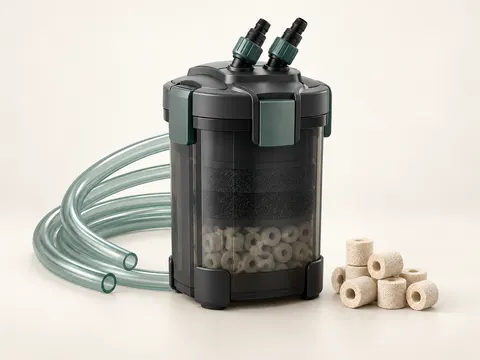
Supplies for Threadfin Acara
We may earn from qualifying purchases



Threadfin Acara Compatibility Notes
Classified as mostly peaceful, the Threadfin Acara is adaptable and can be kept singly or in a small group, offering flexibility when planning a community tank. When choosing tankmates, territorial behaviour may cause issues if hiding spots or floor space are limited. Selecting tankmates that favour different water layers from the mid-level and bottom zones can help reduce competition and territorial overlap.
Who Threadfin Acara Is Actually For
Threadfin Acara is best for a fishkeeper who wants a species that can settle into a calmer community setup and can provide someone who understands its individual space requirements. It makes the most sense for a hobbyist who will actually build around its needs, especially sand.
The most common mistake is treating Threadfin Acara like any other community fish and skipping the soft sand it needs to forage safely. Another frequent problem is forcing it into an over-busy community when it would do better with more room or more deliberate tankmate choices.
Threadfin Acara Recommended Tank Sizes
Standard aquarium sizes that meet the minimum volume and length requirements for Threadfin Acara.
75 Gallon Standard
90 Gallon Standard
125 Gallon Standard
150 Gallon High
180 Gallon Standard
350 Liter (120cm Deep)
Show 1 more tank size
Frequently Asked Questions About Threadfin Acara
How big does Threadfin Acara get?
Threadfin Acara (Acarichthys heckelii) typically reaches a maximum adult size of approximately 20 cm. They have a compressed body shape and a moderate growth rate.
What tank size does Threadfin Acara need?
A minimum aquarium volume of 250 litres and a tank length of at least 120 cm are recommended for Threadfin Acara. This ensures enough swimming space and helps maintain stable water conditions.
What water parameters does Threadfin Acara need?
Threadfin Acara thrives in freshwater only conditions with a temperature range of 24–28°C, a pH between 6 and 7.5, and a general hardness of 1–12 dGH. A moderate water flow is preferred.
Is Threadfin Acara peaceful or aggressive?
Threadfin Acara is classified as mostly peaceful with an aggression score of 4 out of 10. They are generally well-suited to peaceful community tanks.
Can Threadfin Acara live alone?
Yes, Threadfin Acara can be kept singly or in a group. They are flexible and adapt well to both setups.
Does Threadfin Acara have any special tank requirements?
Yes. Threadfin Acara benefits from sand (sifters) and driftwood (digestion/hiding) in the aquarium. These features help replicate their natural habitat and promote overall health and well-being.
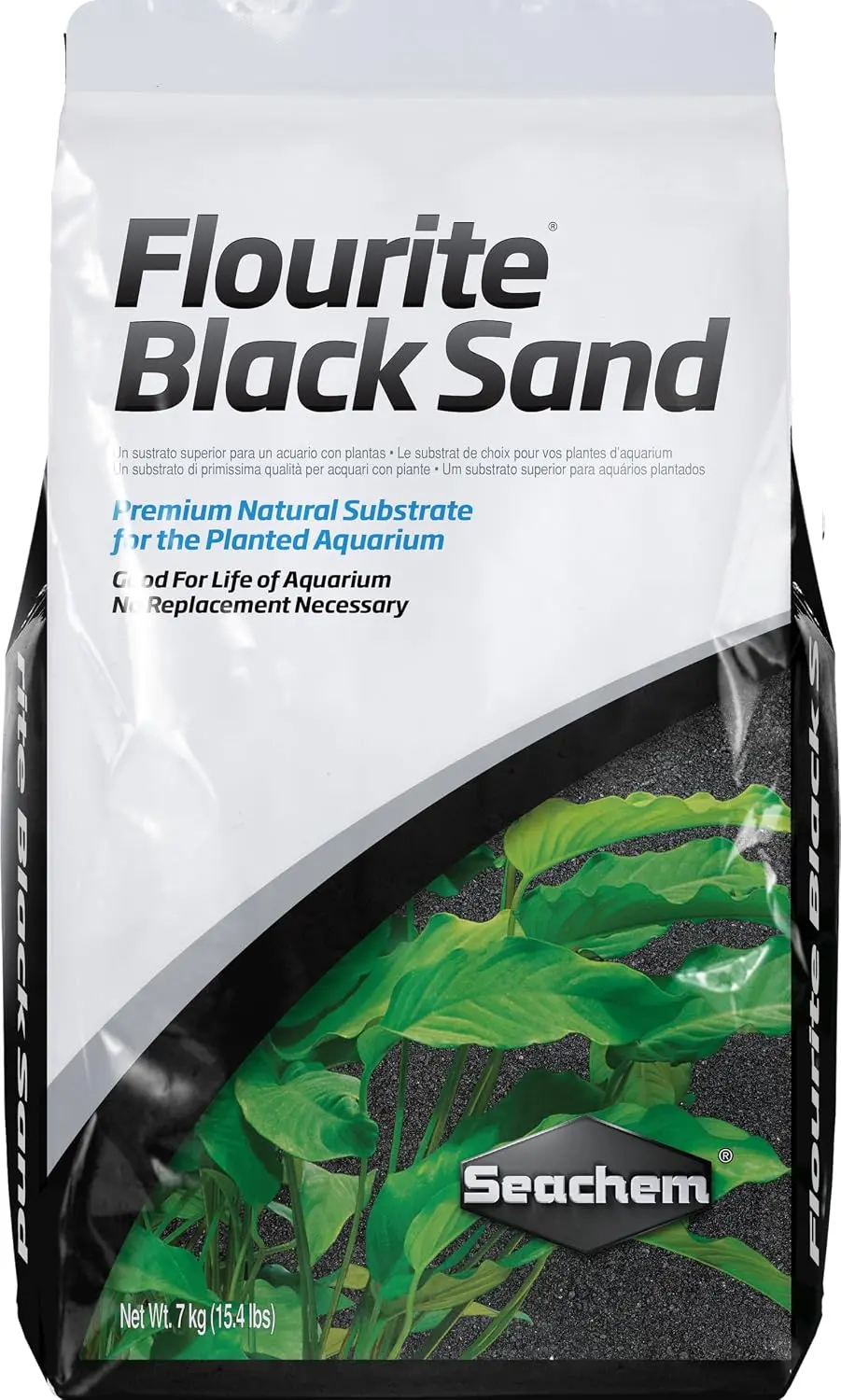
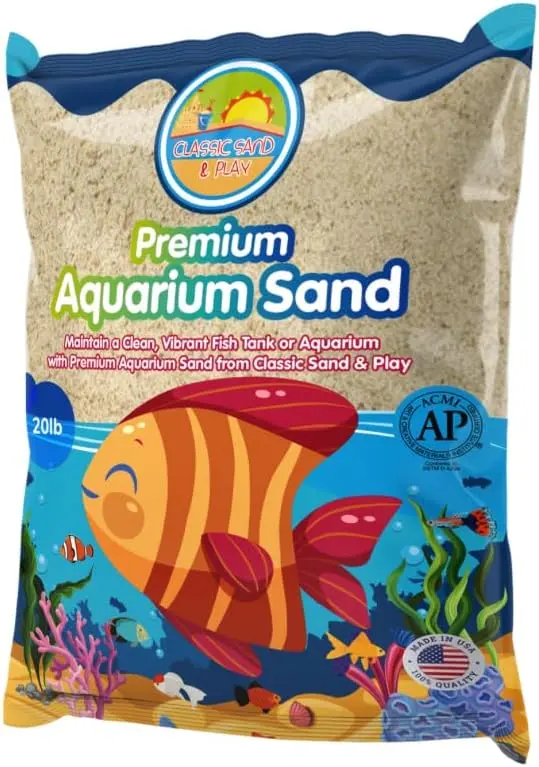
Useful setup supplies
We may earn from qualifying purchases


Guidarium Editorial Desk
Reviewed against Guidarium care, stocking, and compatibility standards. Read the editorial policy.
- Last reviewed
- May 11, 2026
- Last updated
- May 11, 2026
- Issues or corrections?
- Contact the editorial team
Top Tank Mates for Threadfin Acara
These fish are strong compatibility matches for Threadfin Acara based on water preferences, temperament, adult size, and tank behavior.
Celebes Halfbeak
Nomorhamphus liemi
Ideal Tank MatesWrestling Halfbeak
Dermogenys pusilla
Ideal Tank MatesJapanese Ricefish (Medaka)
Oryzias latipes
Ideal Tank MatesClown Killifish
Epiplatys annulatus
Ideal Tank MatesKabia rainbowfish
Glossolepis kabia
Ideal Tank MatesTiger Danio
Devario maetaengensis
Ideal Tank MatesPlants That Suit Threadfin Acara
These plants pair well with Threadfin Acara based on shared water preferences, layout fit, and how likely they are to hold up in the same aquarium.
Afzel's Anubias
Anubias afzelii
Anubias Barteri
Anubias barteri
Belinda's Buce
Bucephalandra belindae
Buce Motleyana
Bucephalandra motleyana
Christmas Moss
Vesicularia montagnei
Congo Anubias
Anubias heterophylla
Fish Similar to Threadfin Acara
Red Striped Eartheater
Geophagus surinamensis
A large, relatively peaceful South American cichlid famous for its 'earth-eating' behavior. They constantly sift fine sand through their gills to forage for benthic invertebrates. A soft sand substrate is absolutely mandatory for their long-term health to prevent gill damage and stress. While gregarious and best kept in groups, they establish a strict pecking order.
Blue Acara
Andinoacara pulcher
A stunning and relatively peaceful South American cichlid. While they possess classic cichlid traits—such as digging and territoriality during breeding—they are generally far more tolerant of tank mates than their larger cousins (like the Green Terror). They will, however, eagerly consume any fish small enough to fit in their mouths (like Neon Tetras).
Jurupari Eartheater
Satanoperca jurupari
The Jurupari Eartheater is a remarkably peaceful South American cichlid famous for its continuous substrate-sifting behavior. They require a fine sand substrate to thrive and prevent damage to their delicate gills. Unlike highly aggressive cichlids, they are gentle giants that prefer the company of their own kind in a large, uncrowded community of similar-sized peaceful fish.
Red Hump Eartheater
Geophagus steindachneri
A fascinating South American cichlid famous for its constant sand-sifting behavior to find food. They are maternal mouthbrooders. Unlike many large cichlids, they are relatively peaceful toward other species, making them excellent candidates for large community tanks, though conspecific males will clash.
Pearl Eartheater
Geophagus brasiliensis
A robust, highly adaptable South American cichlid known for its iridescent pearl-like spangling. While classified as an 'eartheater' (sifting sand for food), they are less obligate sifters than other Geophagus species but still require a soft sand substrate. They are surprisingly tolerant of cooler water and even brackish conditions. They are aggressive for eartheaters, especially when breeding.
Altifrons Eartheater
Geophagus altifrons
The Altifrons Eartheater is a large, graceful South American cichlid famous for its benthophagous feeding behavior. It constantly takes mouthfuls of sand, sifting it through its gills to extract small food particles. This natural behavior requires a fine sand substrate to prevent gill damage. While generally peaceful and best kept in groups, their constant digging will uproot most planted vegetation.