
A highly active, peaceful, and gregarious catfish endemic to Lake Tanganyika. Often confused with Synodontis petricola, S. lucipinnis stays smaller. They require hard, alkaline water (Rift Lake parameters) and must be kept in groups to feel secure. Unlike many bottom-dwelling catfish, they spend a significant amount of time actively swimming in the middle water column during the day.
Dwarf Petricola At a Glance
Dwarf Petricola Tank Requirements
Will Dwarf Petricola fit in your tank?
Care guides tell you what Dwarf Petricola needs, the next question is whether your tank can safely provide it. Test Dwarf Petricola against your tank size, maintenance needs, and the fish you already keep before you buy.
Dwarf Petricola Water Parameters
Dwarf Petricola Temperament & Compatibility
Dwarf Petricola Varieties
Each variety inherits the species defaults above. Only differences are highlighted.
Standard
The standard form of the Dwarf Petricola. Must be kept in a group of at least 4-5 individuals to prevent extreme shyness and stress.
Same care requirements as the base species
Also known as: Wild Type
Dwarf Petricola Care Guide Summary
The Dwarf Petricola, scientifically known as Synodontis lucipinnis, belongs to the Catfish family group. Adults reach a maximum size of approximately 8 cm and have a depressed body shape with a slow growth rate. Classified as peaceful, this species primarily occupies the bottom and mid-level zones of the aquarium and produces a low level of biological waste.
To thrive, the Dwarf Petricola requires a freshwater only aquarium with a minimum volume of 80 litres and a tank length of at least 80 cm. Water temperature should be maintained between 23°C and 28°C, with a pH range of 7.5–9 and a general hardness of 10–25 dGH. A moderate water flow is preferred.
The Dwarf Petricola is a rewarding species to keep, provided its core environmental needs are met. The Dwarf Petricola is typically available in one standard form.
Dwarf Petricola Habitat Setup
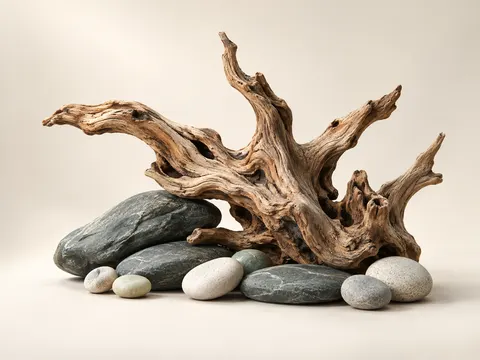
When setting up an aquarium for the Dwarf Petricola, a moderate water flow best suits their natural preferences. Because this species occupies the bottom and mid-level zones, the aquarium layout should prioritise open swimming space in the centre of the tank for free movement and sufficient floor space with hiding spots among rocks, wood, or dense planting. Useful additions include a sand substrate to accommodate their sifting behaviour and smooth gravel or rounded substrate to protect their sensitive barbels.
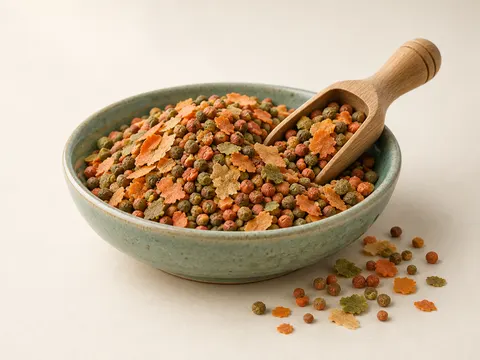
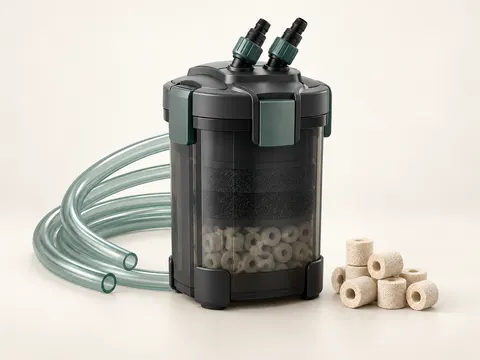
Supplies for Dwarf Petricola
We may earn from qualifying purchases

Dwarf Petricola Compatibility Notes
Classified as peaceful, the Dwarf Petricola is a social species that requires the company of its own kind to thrive. When choosing tankmates, their energetic swimming style may stress more sedentary or timid species. Selecting tankmates that favour different water layers from the bottom and mid-level zones can help reduce competition and territorial overlap.
Who Dwarf Petricola Is Actually For
Dwarf Petricola is best for a fishkeeper who wants a species that can settle into a calmer community setup and can provide a keeper who can commit to a proper group of at least 4. It makes the most sense for a hobbyist who will actually build around its needs, especially sand.
The most common mistake is treating Dwarf Petricola like any other community fish and skipping the soft sand it needs to forage safely. Another frequent problem is underestimating its social needs. A token pair or trio often behaves very differently from a real group.
Dwarf Petricola Recommended Tank Sizes
Standard aquarium sizes that meet the minimum volume and length requirements for Dwarf Petricola.
30 Gallon Breeder
40 Gallon Breeder
55 Gallon Standard
60 Gallon Breeder
75 Gallon Standard
90 Gallon Standard
Show 12 more tank sizes
Dwarf Petricola Feeding & Diet Considerations
The Dwarf Petricola will eat fry, so breeding efforts in the same tank are unlikely to succeed and is primarily active at dusk and dawn, so offering food shortly after lights-off ensures it receives adequate nutrition.
Frequently Asked Questions About Dwarf Petricola
How big does Dwarf Petricola get?
Dwarf Petricola (Synodontis lucipinnis) typically reaches a maximum adult size of approximately 8 cm. They have a depressed body shape and a slow growth rate.
What tank size does Dwarf Petricola need?
A minimum aquarium volume of 80 litres and a tank length of at least 80 cm are recommended for Dwarf Petricola. This ensures enough swimming space and helps maintain stable water conditions.
What water parameters does Dwarf Petricola need?
Dwarf Petricola thrives in freshwater only conditions with a temperature range of 23–28°C, a pH between 7.5 and 9, and a general hardness of 10–25 dGH. A moderate water flow is preferred.
Is Dwarf Petricola peaceful or aggressive?
Dwarf Petricola is classified as peaceful with an aggression score of 2 out of 10. They are generally well-suited to peaceful community tanks.
Can Dwarf Petricola live alone?
No, Dwarf Petricola should be kept in groups of at least 4 to reduce stress and encourage natural behaviour.
Does Dwarf Petricola have any special tank requirements?
Yes. Dwarf Petricola benefits from sand (sifters) and smooth gravel (sensitive barbels) in the aquarium. These features help replicate their natural habitat and promote overall health and well-being.
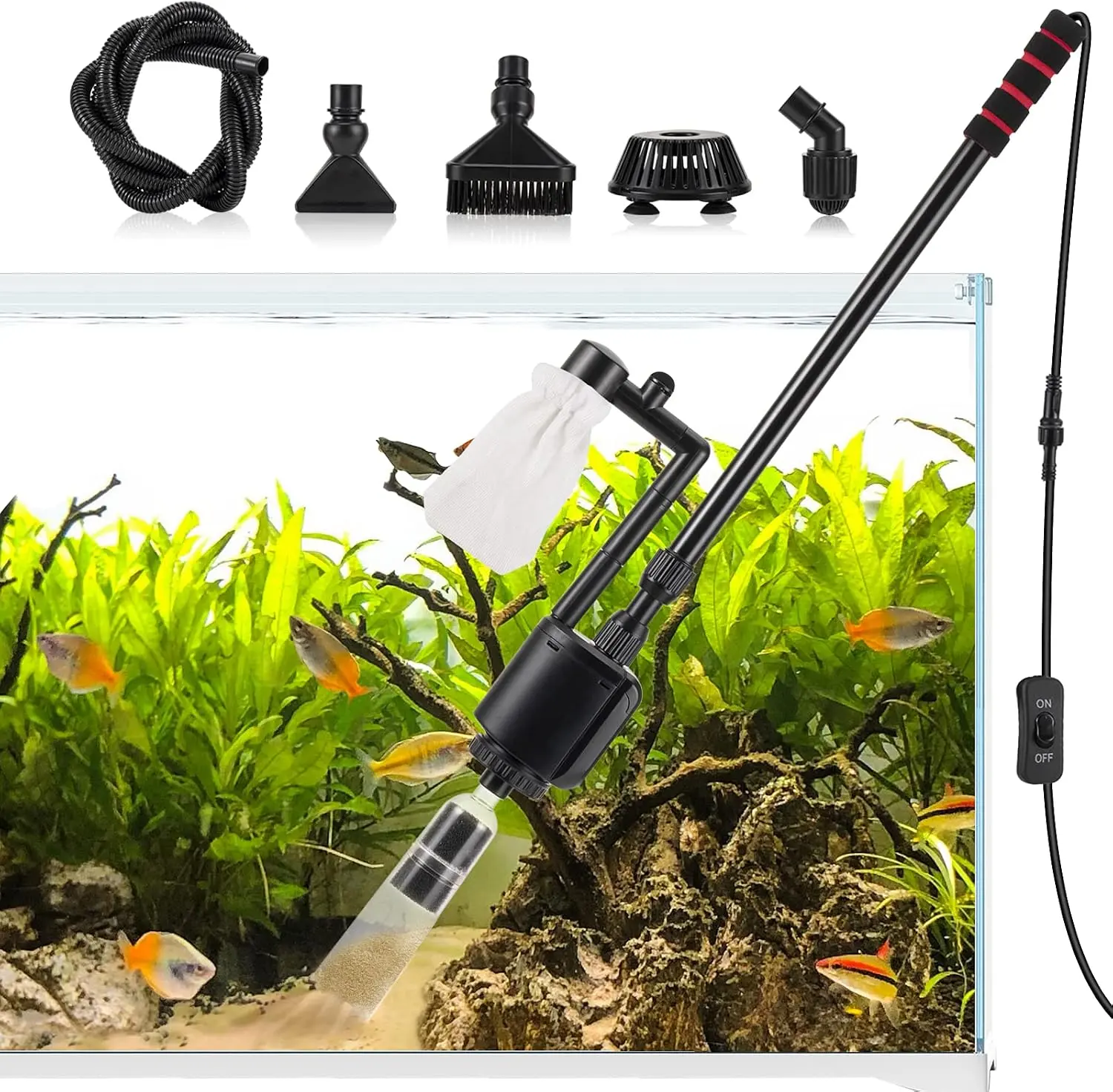
Useful setup supplies
We may earn from qualifying purchases
Guidarium Editorial Desk
Reviewed against Guidarium care, stocking, and compatibility standards. Read the editorial policy.
- Last reviewed
- May 4, 2026
- Last updated
- May 4, 2026
- Issues or corrections?
- Contact the editorial team
Top Tank Mates for Dwarf Petricola
These fish are strong compatibility matches for Dwarf Petricola based on water preferences, temperament, adult size, and tank behavior.
Celebes Halfbeak
Nomorhamphus liemi
Ideal Tank MatesWrestling Halfbeak
Dermogenys pusilla
Ideal Tank MatesJapanese Ricefish (Medaka)
Oryzias latipes
Ideal Tank MatesKabia rainbowfish
Glossolepis kabia
Ideal Tank MatesScissortail Rasbora
Rasbora trilineata
Ideal Tank MatesRummynose Rasbora
Sawbwa resplendens
Ideal Tank MatesPlants That Suit Dwarf Petricola
These plants pair well with Dwarf Petricola based on shared water preferences, layout fit, and how likely they are to hold up in the same aquarium.
African Onion Plant
Crinum calamistratum
Afzel's Anubias
Anubias afzelii
Amazon Sword
Echinodorus amazonicus
Anacharis
Egeria densa
Anubias Barteri
Anubias barteri
Baby Tears
Lindernia rotundifolia
Fish Similar to Dwarf Petricola
Petricola Catfish
Synodontis petricola
A strikingly beautiful and relatively small catfish endemic to Lake Tanganyika. Known for its rich brown body covered in black spots and striking white-edged fins. They are highly social, nocturnal scavengers that thrive in hard, alkaline water. They are often confused with the slightly smaller Synodontis lucipinnis.
Cuckoo Catfish
Synodontis multipunctatus
A striking African catfish famous for its 'cuckoo' breeding strategy, where it sneaks its eggs into the clutches of mouthbrooding cichlids. They are highly active, social, and thrive in hard, alkaline water typical of Lake Tanganyika. They must be kept in groups to diffuse conspecific aggression and are best kept with Rift Lake cichlids.
Ornate Rainbowfish
Rhadinocentrus ornatus
A highly sought-after, elegant dwarf rainbowfish native to the coastal 'wallum' habitats and sand dune lakes of eastern Australia. Known for its intricate scale patterns and iridescent colors, it thrives in soft, slightly acidic, tannin-stained waters (blackwater). Unlike many larger rainbowfish, they are adapted to calm backwaters and prefer gentle flow. They are active but peaceful schooling fish that display fascinating courtship behaviors.
Dainty Cory (Salt and Pepper Cory)
Corydoras habrosus
A true dwarf Corydoras species, the Dainty Cory (Corydoras habrosus) is a highly active, peaceful bottom dweller. Unlike the Pygmy Cory (C. pygmaeus) which frequently swims in the mid-water column, the Habrosus stays true to typical Corydoras behavior by constantly sifting the substrate. They must be kept on fine sand to protect their delicate barbels and require a school of at least 6 to feel secure.
Domino Synodontis
Synodontis notatus
A large, unusually active and diurnal upside-down catfish from the Congo Basin. They are characterized by a grey-brown body with one or more prominent dark spots. While peaceful with robust community fish, they are highly territorial toward other Synodontis species and will opportunistically eat small fish. They are more active in the mid-water column than most of their relatives.
Tropheus Moorii
Tropheus moorii
A highly active, specialized herbivore endemic to the rocky shores of Lake Tanganyika. Known for their intense conspecific aggression, they must be kept in large, crowded colonies (12-15+) to establish a stable hierarchy and disperse bullying. They are strict 'Aufwuchs' (algae) grazers and require a specialized low-protein, high-spirulina diet to prevent fatal 'Malawi/Tropheus Bloat'.