
A large, unusually active and diurnal upside-down catfish from the Congo Basin. They are characterized by a grey-brown body with one or more prominent dark spots. While peaceful with robust community fish, they are highly territorial toward other Synodontis species and will opportunistically eat small fish. They are more active in the mid-water column than most of their relatives.
Domino Synodontis At a Glance
Domino Synodontis Tank Requirements
Will Domino Synodontis fit in your tank?
Care guides tell you what Domino Synodontis needs, the next question is whether your tank can safely provide it. Test Domino Synodontis against your tank size, maintenance needs, and the fish you already keep before you buy.
Domino Synodontis Water Parameters
Domino Synodontis Temperament & Compatibility
Domino Synodontis Varieties
Each variety inherits the species defaults above. Only differences are highlighted.
Standard (Adult)
Fully grown adult. Intolerant of other Synodontis catfish unless the aquarium is exceptionally large. Should not be kept with fish small enough to be eaten.
Same care requirements as the base species
Also known as: Adult Domino, Wild Type
Juvenile (Grow-out)
Juvenile size typically sold in stores (around 6-8cm). They grow rapidly during their first year and will quickly outgrow small setups.
Differs in 6 traits from base species
Also known as: Baby Domino, Juvenile
Domino Synodontis Care Guide Summary
The Domino Synodontis, scientifically known as Synodontis notatus, belongs to the Catfish family group. Adults reach a maximum size of approximately 27.5 cm and have a fusiform body shape with a moderate growth rate. Classified as semi-aggressive, this species primarily occupies the mid-level and bottom zones of the aquarium and produces a high level of biological waste.
To thrive, the Domino Synodontis requires a freshwater only aquarium with a minimum volume of 250 litres and a tank length of at least 120 cm. Water temperature should be maintained between 22°C and 26°C, with a pH range of 6–7.5 and a general hardness of 4–18 dGH. A moderate water flow is preferred.
The Domino Synodontis is a rewarding species to keep, provided its core environmental needs are met. This species is available in 2 varieties: Standard (Adult) and Juvenile (Grow-out). Each may differ slightly in size, temperament, or care needs, so it is worth checking the specific requirements of the variety you plan to keep.
Domino Synodontis Habitat Setup
When setting up an aquarium for the Domino Synodontis, a moderate water flow best suits their natural preferences. Because this species occupies the mid-level and bottom zones, the aquarium layout should prioritise open swimming space in the centre of the tank for free movement and sufficient floor space with hiding spots among rocks, wood, or dense planting. Useful additions include smooth gravel or rounded substrate to protect their sensitive barbels and driftwood, which can serve as both a hiding place and a dietary supplement.
Supplies for Domino Synodontis
We may earn from qualifying purchases
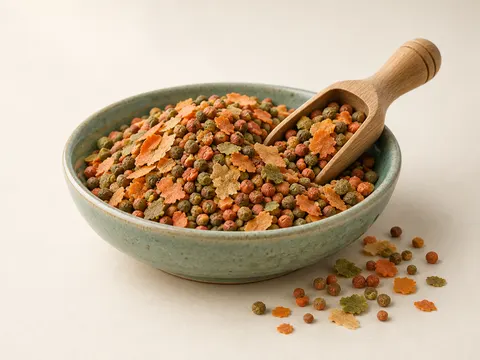
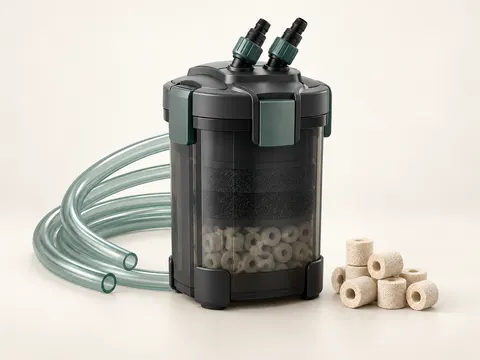
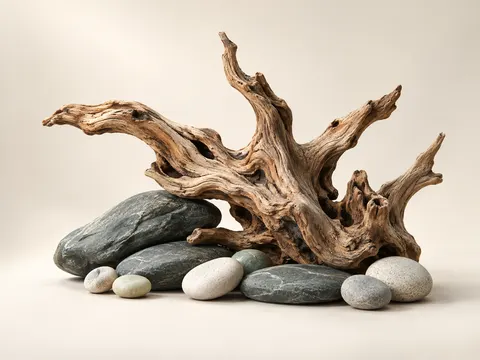

Domino Synodontis Compatibility Notes
Classified as semi-aggressive, the Domino Synodontis is best housed alone, as they do not tolerate others of their kind in confined spaces. When choosing tankmates, any fish small enough to fit in its mouth will likely be eaten, conspecific aggression can be intense, especially in smaller tanks, territorial behaviour may cause issues if hiding spots or floor space are limited, and their energetic swimming style may stress more sedentary or timid species. Selecting tankmates that favour different water layers from the mid-level and bottom zones can help reduce competition and territorial overlap.
Who Domino Synodontis Is Actually For
Domino Synodontis is best for a fishkeeper who wants a species that can settle into a calmer community setup and can provide someone who understands its individual space requirements. It makes the most sense for a hobbyist who will actually build around its needs, especially smooth gravel.
The most common mistake is buying Domino Synodontis for looks first and only later discovering how its adult size, behavior, or bioload changes the whole tank plan. Another frequent problem is forcing it into an over-busy community when it would do better with more room or more deliberate tankmate choices.
Domino Synodontis Recommended Tank Sizes
Standard aquarium sizes that meet the minimum volume and length requirements for Domino Synodontis.
75 Gallon Standard
90 Gallon Standard
125 Gallon Standard
150 Gallon High
180 Gallon Standard
350 Liter (120cm Deep)
Show 1 more tank size
Frequently Asked Questions About Domino Synodontis
How big does Domino Synodontis get?
Domino Synodontis (Synodontis notatus) typically reaches a maximum adult size of approximately 27.5 cm. They have a fusiform body shape and a moderate growth rate.
What tank size does Domino Synodontis need?
A minimum aquarium volume of 250 litres and a tank length of at least 120 cm are recommended for Domino Synodontis. This ensures enough swimming space and helps maintain stable water conditions.
What water parameters does Domino Synodontis need?
Domino Synodontis thrives in freshwater only conditions with a temperature range of 22–26°C, a pH between 6 and 7.5, and a general hardness of 4–18 dGH. A moderate water flow is preferred.
Is Domino Synodontis peaceful or aggressive?
Domino Synodontis is classified as semi-aggressive with an aggression score of 6 out of 10. They can work in community setups but may clash with certain tankmates.
Can Domino Synodontis live with others of its kind?
No. Only one Domino Synodontis should be kept per tank. Keeping multiples in the same aquarium typically results in aggression and stress.
Does Domino Synodontis have any special tank requirements?
Yes. Domino Synodontis benefits from smooth gravel (sensitive barbels) and driftwood (digestion/hiding) in the aquarium. These features help replicate their natural habitat and promote overall health and well-being.
Useful setup supplies
We may earn from qualifying purchases




Guidarium Editorial Desk
Reviewed against Guidarium care, stocking, and compatibility standards. Read the editorial policy.
- Last reviewed
- May 4, 2026
- Last updated
- May 4, 2026
- Issues or corrections?
- Contact the editorial team
Plants That Suit Domino Synodontis
These plants pair well with Domino Synodontis based on shared water preferences, layout fit, and how likely they are to hold up in the same aquarium.
African Onion Plant
Crinum calamistratum
Afzel's Anubias
Anubias afzelii
Amazon Sword
Echinodorus amazonicus
Anacharis
Egeria densa
Anubias Barteri
Anubias barteri
Ashy Pipewort
Eriocaulon cinereum
Fish Similar to Domino Synodontis
Common Synodontis (False Upside Down Catfish)
Synodontis nigrita
A robust and adaptable African catfish often mistaken for the true Upside-Down Catfish (Synodontis nigriventris). Unlike its smaller cousin, S. nigrita grows quite large (up to 20-22cm) and adults rarely swim inverted. They are nocturnal scavengers that are generally peaceful towards larger tank mates, but their predatory nature means they will consume small schooling fish (like Neon Tetras) at night.
Upside Down Catfish
Synodontis nigriventris
A fascinating West African catfish famous for its unique habit of swimming, feeding, and resting upside down under broad leaves or driftwood. It is a peaceful, schooling species that is most active at dusk and night. They must be kept in groups to feel secure. Note: Ensure you are buying true S. nigriventris (max 10cm) and not misidentified juvenile Featherfin Squeakers (S. eupterus), which grow over 20cm.
Asian Upside Down Catfish
Mystus leucophasis
A fascinating but highly aggressive bagrid catfish from Myanmar that spends almost its entire life swimming inverted. Unlike the peaceful African Synodontis upside-down catfish, the Asian variety grows large, is fiercely territorial, and will predate on smaller tank mates. They require ample driftwood or caves to rest underneath during the day.
Dwarf Petricola
Synodontis lucipinnis
A highly active, peaceful, and gregarious catfish endemic to Lake Tanganyika. Often confused with Synodontis petricola, S. lucipinnis stays smaller. They require hard, alkaline water (Rift Lake parameters) and must be kept in groups to feel secure. Unlike many bottom-dwelling catfish, they spend a significant amount of time actively swimming in the middle water column during the day.
Otocinclus
Otocinclus vittatus
A small, peaceful, and highly popular algae-eating catfish native to South America. They are obligate shoaling fish that thrive in mature, heavily planted aquariums with steady water parameters and a constant supply of soft green algae and biofilm. They are extremely sensitive to uncycled or pristine/new tanks without natural food sources.
Spot Pangasius
Pangasius larnaudii
A massive, fast-swimming catfish native to the Mekong basin, recognizable by a distinct large black spot just above its pectoral fins. Like the Iridescent Shark, it is a 'tank buster' that grows well over a meter in length. They are easily startled and prone to panic-swimming into glass, requiring enormous tanks with smooth decor.