
Dwarf Gourami
Trichogaster lalius
A peaceful to semi-aggressive labyrinth fish native to South Asia. Famous for their brilliant metallic blue and red stripes. While generally suitable for community tanks, males are territorial toward each other and similar-looking fish. They are sensitive to water quality and prone to Iridovirus if stressed. Requires access to the surface to breathe.
Dwarf Gourami At a Glance
Dwarf Gourami Tank Requirements
Will Dwarf Gourami fit in your tank?
Care guides tell you what Dwarf Gourami needs, the next question is whether your tank can safely provide it. Test Dwarf Gourami against your tank size, maintenance needs, and the fish you already keep before you buy.
Dwarf Gourami Water Parameters
Dwarf Gourami Temperament & Compatibility
Dwarf Gourami Varieties
Each variety inherits the species defaults above. Only differences are highlighted.
Male (Standard / Color Morphs)
The colorful males found in most stores. Includes all color morphs (Flame, Powder Blue, etc). Males are territorial; keeping one per tank is recommended unless the tank is large (100L+) with broken sightlines.
Differs in 3 traits from base species
Also known as: Flame, Red, Powder Blue, Neon Blue, Cobalt, Rainbow, Standard
Female
Silver/grey and slightly smaller than males. Much more peaceful. Harder to find in the trade but essential for breeding or keeping pairs. Can be kept in groups.
Differs in 4 traits from base species
Also known as: Silver, Wild Type Female
Dwarf Gourami Care Guide Summary
The Dwarf Gourami, scientifically known as Trichogaster lalius, belongs to the Anabantoids family group. Adults reach a maximum size of approximately 7.5 cm and have a compressed body shape with a moderate growth rate. Classified as semi-aggressive, this species primarily occupies the surface and mid-level zones of the aquarium and produces a low level of biological waste.
To thrive, the Dwarf Gourami requires a freshwater only aquarium with a minimum volume of 50 litres and a tank length of at least 60 cm. Water temperature should be maintained between 22°C and 28°C, with a pH range of 6–7.5 and a general hardness of 4–15 dGH. A low water flow is preferred.
The Dwarf Gourami is a rewarding species to keep, provided its core environmental needs are met. This species is available in 2 varieties: Male (Standard / Color Morphs) and Female. Each may differ slightly in size, temperament, or care needs, so it is worth checking the specific requirements of the variety you plan to keep.
Dwarf Gourami Habitat Setup
When setting up an aquarium for the Dwarf Gourami, a low water flow best suits their natural preferences. Because this species occupies the surface and mid-level zones, the aquarium layout should prioritise adequate surface area with floating cover to make them feel secure near the waterline and open swimming space in the centre of the tank for free movement. Useful additions include dense planting to provide cover, break sightlines, and reduce stress and floating plants to diffuse overhead light and create shaded areas.
Supplies for Dwarf Gourami
We may earn from qualifying purchases

Dwarf Gourami Compatibility Notes
Classified as semi-aggressive, the Dwarf Gourami is best housed alone, as they do not tolerate others of their kind in confined spaces. When choosing tankmates, conspecific aggression can be intense, especially in smaller tanks, territorial behaviour may cause issues if hiding spots or floor space are limited, and boisterous or fast-moving tankmates may cause this species undue stress. Selecting tankmates that favour different water layers from the surface and mid-level zones can help reduce competition and territorial overlap.
Who Dwarf Gourami Is Actually For
Dwarf Gourami is best for a fishkeeper who wants a species that can settle into a calmer community setup and can provide someone who understands its individual space requirements. It makes the most sense for a hobbyist who will actually build around its needs, especially plants.
The most common mistake is buying Dwarf Gourami for looks first and only later discovering how its adult size, behavior, or bioload changes the whole tank plan. Another frequent problem is forcing it into an over-busy community when it would do better with more room or more deliberate tankmate choices.
Dwarf Gourami Recommended Tank Sizes
Standard aquarium sizes that meet the minimum volume and length requirements for Dwarf Gourami.
15 Gallon Standard
20 Gallon High
20 Gallon Long
29 Gallon Standard
30 Gallon Breeder
36 Gallon Bowfront
Show 21 more tank sizes
Frequently Asked Questions About Dwarf Gourami
How big does Dwarf Gourami get?
Dwarf Gourami (Trichogaster lalius) typically reaches a maximum adult size of approximately 7.5 cm. They have a compressed body shape and a moderate growth rate.
What tank size does Dwarf Gourami need?
A minimum aquarium volume of 50 litres and a tank length of at least 60 cm are recommended for Dwarf Gourami. This ensures enough swimming space and helps maintain stable water conditions.
What water parameters does Dwarf Gourami need?
Dwarf Gourami thrives in freshwater only conditions with a temperature range of 22–28°C, a pH between 6 and 7.5, and a general hardness of 4–15 dGH. A low water flow is preferred.
Is Dwarf Gourami peaceful or aggressive?
Dwarf Gourami is classified as semi-aggressive with an aggression score of 5 out of 10. They can work in community setups but may clash with certain tankmates.
Can Dwarf Gourami live with others of its kind?
No. Only one Dwarf Gourami should be kept per tank. Keeping multiples in the same aquarium typically results in aggression and stress.
Does Dwarf Gourami have any special tank requirements?
Yes. Dwarf Gourami benefits from plants - densely covered and plants - floating in the aquarium. These features help replicate their natural habitat and promote overall health and well-being.
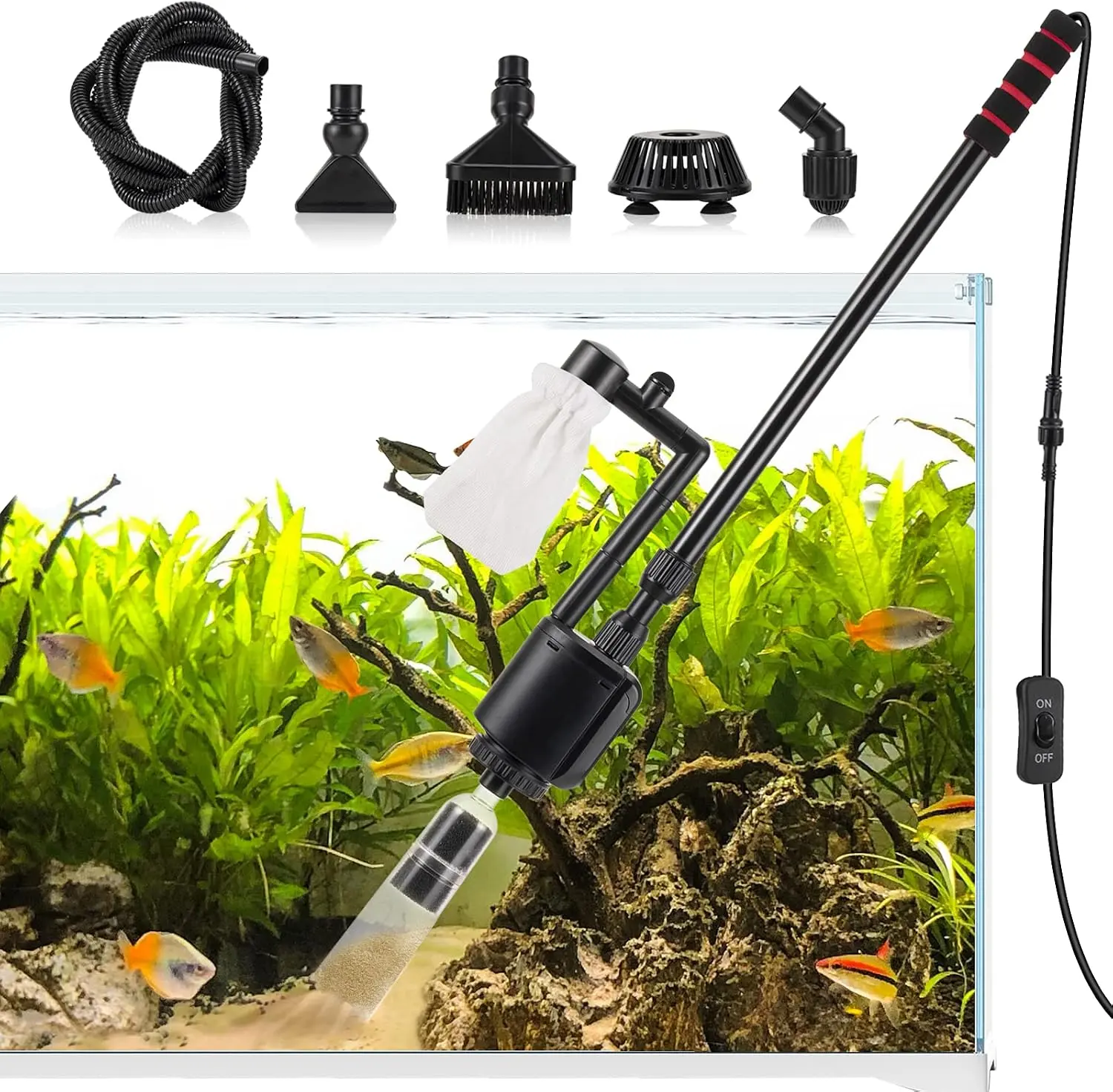
Useful setup supplies
We may earn from qualifying purchases
Guidarium Editorial Desk
Reviewed against Guidarium care, stocking, and compatibility standards. Read the editorial policy.
- Last reviewed
- April 28, 2026
- Last updated
- April 28, 2026
- Issues or corrections?
- Contact the editorial team
Plants That Suit Dwarf Gourami
These plants pair well with Dwarf Gourami based on shared water preferences, layout fit, and how likely they are to hold up in the same aquarium.
Amazon Frogbit
Limnobium laevigatum
Asian Watergrass
Hygroryza aristata
Asian Watermoss
Salvinia cucullata
Carolina Mosquito Fern
Azolla caroliniana
Common Duckweed
Lemna minor
Crystalwort
Riccia fluitans
Fish Similar to Dwarf Gourami
Banded Gourami
Trichogaster fasciata
The Banded Gourami is a robust and hardy labyrinth fish known for its striking diagonal stripes. Considerably larger than the Dwarf Gourami, they are active swimmers but generally peaceful in community settings. They require access to the water's surface to breathe atmospheric air. Males can be highly territorial toward each other.
Licorice Gourami
Parosphromenus deissneri
A highly specialized, stunningly beautiful nano labyrinth fish native to the blackwater peat swamps of Southeast Asia. They are considered an advanced-level species because they require extremely soft, highly acidic water (often reverse osmosis) and a diet of live foods. Extremely shy, they are easily outcompeted for food and are highly recommended for species-only setups with copious leaf litter and dim lighting.
Chocolate Gourami
Sphaerichthys osphromenoides
A delicate, highly specialized labyrinth fish native to the peat swamp forests of Southeast Asia. Known for its rich chocolate-brown coloration and vertical cream bands. It is notorious for being sensitive to water quality fluctuations and requires extremely soft, acidic 'blackwater' to thrive and resist bacterial infections. Best kept in a heavily planted, mature species-only setup or with very peaceful, small nano fish.
Three Spot Gourami (Blue/Gold/Opaline)
Trichopodus trichopterus
A robust, semi-aggressive labyrinth fish available in many color morphs (Blue, Gold, Opaline). Biologically, they are all the same species. Unlike the peaceful Pearl Gourami, Three Spots are boisterous and can be bullies. They are excellent for 'semi-aggressive' community tanks (e.g., with Tiger Barbs, large Tetras) but may harass shy or long-finned fish.
Pearl Gourami
Trichopodus leerii
Widely considered the most beautiful and peaceful of the large Gouramis. They feature a 'mosaic' of iridescent spots and a distinct black line running through the eye. Unlike their aggressive cousins (the Three-Spot Gourami), Pearls are generally gentle giants, though males can be territorial towards one another. They are thermophilic (love heat) and require floating plants to feel secure.
Three-striped Dwarf Cichlid
Apistogramma trifasciata
A stunning dwarf cichlid native to the Guaporé and Paraguay river basins in South America. They are renowned for their striking metallic blue sheen and the male's spectacular sail-like dorsal fin. As peaceful micropredators, they are excellent for planted community tanks, but require soft, acidic water, stable parameters, and a fine sand substrate to sift through.