
Freshwater Toadfish (Prehistoric Monster Fish)
Thalassophryne amazonica
A highly cryptic, sedentary ambush predator native to the Amazon basin. WARNING: This species possesses hollow, venomous spines on its dorsal fin and gill covers; handle with extreme caution. They spend most of their time buried in the substrate and are capable of swallowing tankmates nearly their own size. While inactive, they require excellent filtration due to the high waste produced by a predatory diet.
Freshwater Toadfish (Prehistoric Monster Fish) At a Glance
Freshwater Toadfish (Prehistoric Monster Fish) Tank Requirements
Will Freshwater Toadfish (Prehistoric Monster Fish) fit in your tank?
Care guides tell you what Freshwater Toadfish (Prehistoric Monster Fish) needs, the next question is whether your tank can safely provide it. Test Freshwater Toadfish (Prehistoric Monster Fish) against your tank size, maintenance needs, and the fish you already keep before you buy.
Freshwater Toadfish (Prehistoric Monster Fish) Water Parameters
Freshwater Toadfish (Prehistoric Monster Fish) Temperament & Compatibility
Freshwater Toadfish (Prehistoric Monster Fish) Varieties
Each variety inherits the species defaults above. Only differences are highlighted.
Standard
The standard wild form. Must be provided with a deep layer of soft sand (minimum 5cm/2 inches) to exhibit natural burrowing behavior where only the eyes remain visible. Keep only in a species-specific setup or with significantly larger, robust, mid-to-top dwelling fish.
Same care requirements as the base species
Also known as: Wild Type
Freshwater Toadfish (Prehistoric Monster Fish) Care Guide Summary
The Freshwater Toadfish (Prehistoric Monster Fish), scientifically known as Thalassophryne amazonica, belongs to the Oddballs family group. Adults reach a maximum size of approximately 15 cm and have a depressed body shape with a slow growth rate. Classified as aggressive, this species primarily occupies the bottom zone of the aquarium and produces a high level of biological waste.
To thrive, the Freshwater Toadfish (Prehistoric Monster Fish) requires a freshwater only aquarium with a minimum volume of 75 litres and a tank length of at least 60 cm. Water temperature should be maintained between 24°C and 28°C, with a pH range of 6–7.5 and a general hardness of 4–15 dGH. A low water flow is preferred.
Due to its specialist needs, the Freshwater Toadfish (Prehistoric Monster Fish) is best suited for fishkeepers who can provide a carefully planned setup. The Freshwater Toadfish (Prehistoric Monster Fish) is typically available in one standard form.
Freshwater Toadfish (Prehistoric Monster Fish) Habitat Setup
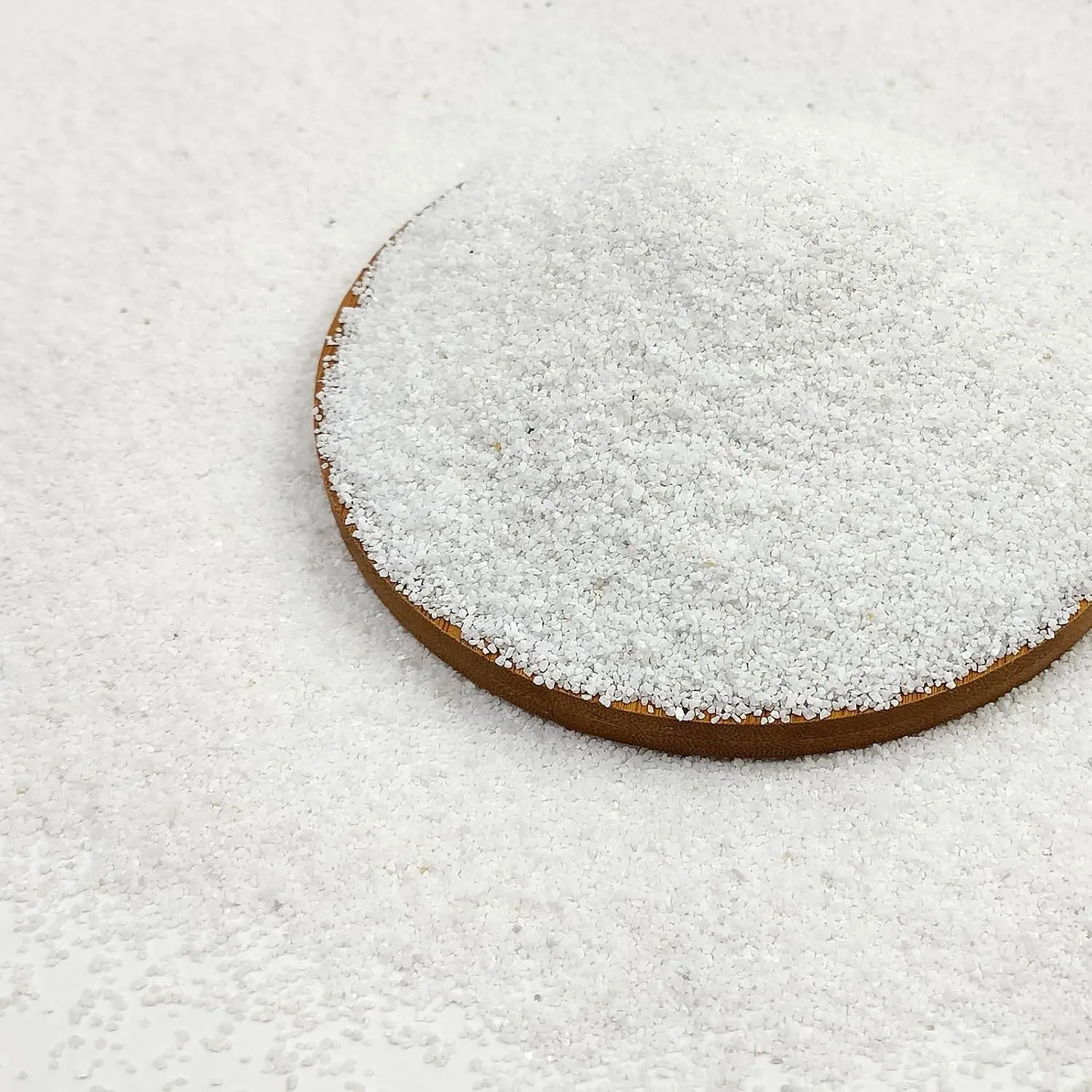
When setting up an aquarium for the Freshwater Toadfish (Prehistoric Monster Fish), a low water flow best suits their natural preferences. Because this species occupies the bottom zone, the aquarium layout should prioritise sufficient floor space with hiding spots among rocks, wood, or dense planting. Useful additions include a sand substrate to accommodate their sifting behaviour and leaf litter or blackwater tannins to replicate their natural soft-water habitat.
Supplies for Freshwater Toadfish (Prehistoric Monster Fish)
We may earn from qualifying purchases
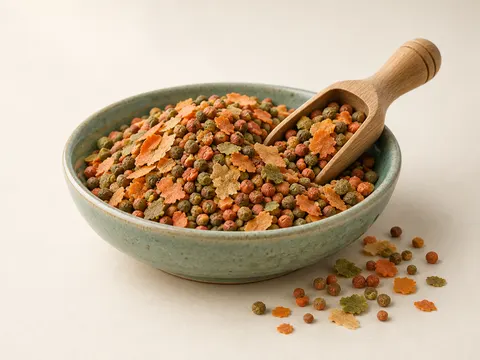
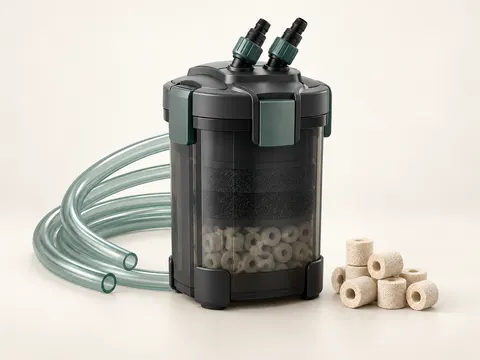
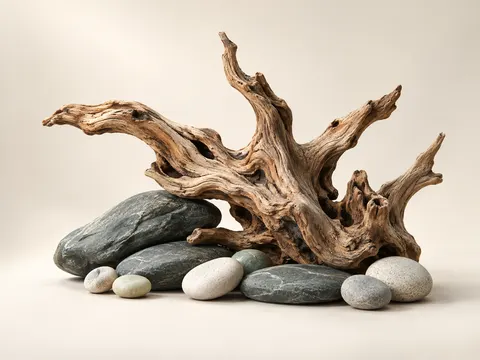

Freshwater Toadfish (Prehistoric Monster Fish) Compatibility Notes
Classified as aggressive, the Freshwater Toadfish (Prehistoric Monster Fish) is adaptable and can be kept singly or in a small group, offering flexibility when planning a community tank. When choosing tankmates, any fish small enough to fit in its mouth will likely be eaten and boisterous or fast-moving tankmates may cause this species undue stress. Selecting tankmates that favour different water layers from the bottom zone can help reduce competition and territorial overlap.
Who Freshwater Toadfish (Prehistoric Monster Fish) Is Actually For
Freshwater Toadfish (Prehistoric Monster Fish) is best for a fishkeeper who expects a species with attitude and plans the tank around that behavior and can provide someone who understands its individual space requirements. It makes the most sense for a hobbyist who will actually build around its needs, especially sand.
The most common mistake is treating Freshwater Toadfish (Prehistoric Monster Fish) like any other community fish and skipping the soft sand it needs to forage safely. Another frequent problem is forcing it into an over-busy community when it would do better with more room or more deliberate tankmate choices.
Freshwater Toadfish (Prehistoric Monster Fish) Recommended Tank Sizes
Standard aquarium sizes that meet the minimum volume and length requirements for Freshwater Toadfish (Prehistoric Monster Fish).
20 Gallon High
20 Gallon Long
29 Gallon Standard
30 Gallon Breeder
36 Gallon Bowfront
40 Gallon Breeder
Show 17 more tank sizes
Freshwater Toadfish (Prehistoric Monster Fish) Feeding & Diet Considerations
The Freshwater Toadfish (Prehistoric Monster Fish) is a predatory species that will readily consume small fish, so nano or bite-sized tankmates should be avoided and is primarily active at dusk and dawn, so offering food shortly after lights-off ensures it receives adequate nutrition.
Frequently Asked Questions About Freshwater Toadfish (Prehistoric Monster Fish)
How big does Freshwater Toadfish (Prehistoric Monster Fish) get?
Freshwater Toadfish (Prehistoric Monster Fish) (Thalassophryne amazonica) typically reaches a maximum adult size of approximately 15 cm. They have a depressed body shape and a slow growth rate.
What tank size does Freshwater Toadfish (Prehistoric Monster Fish) need?
A minimum aquarium volume of 75 litres and a tank length of at least 60 cm are recommended for Freshwater Toadfish (Prehistoric Monster Fish). This ensures enough swimming space and helps maintain stable water conditions.
What water parameters does Freshwater Toadfish (Prehistoric Monster Fish) need?
Freshwater Toadfish (Prehistoric Monster Fish) thrives in freshwater only conditions with a temperature range of 24–28°C, a pH between 6 and 7.5, and a general hardness of 4–15 dGH. A low water flow is preferred.
Is Freshwater Toadfish (Prehistoric Monster Fish) peaceful or aggressive?
Freshwater Toadfish (Prehistoric Monster Fish) is classified as aggressive with an aggression score of 7 out of 10. Careful tankmate selection is essential to avoid conflict.
Can Freshwater Toadfish (Prehistoric Monster Fish) live alone?
Yes, Freshwater Toadfish (Prehistoric Monster Fish) can be kept singly or in a group. They are flexible and adapt well to both setups.
Does Freshwater Toadfish (Prehistoric Monster Fish) have any special tank requirements?
Yes. Freshwater Toadfish (Prehistoric Monster Fish) benefits from sand (sifters) and leaf litter/blackwater in the aquarium. These features help replicate their natural habitat and promote overall health and well-being.
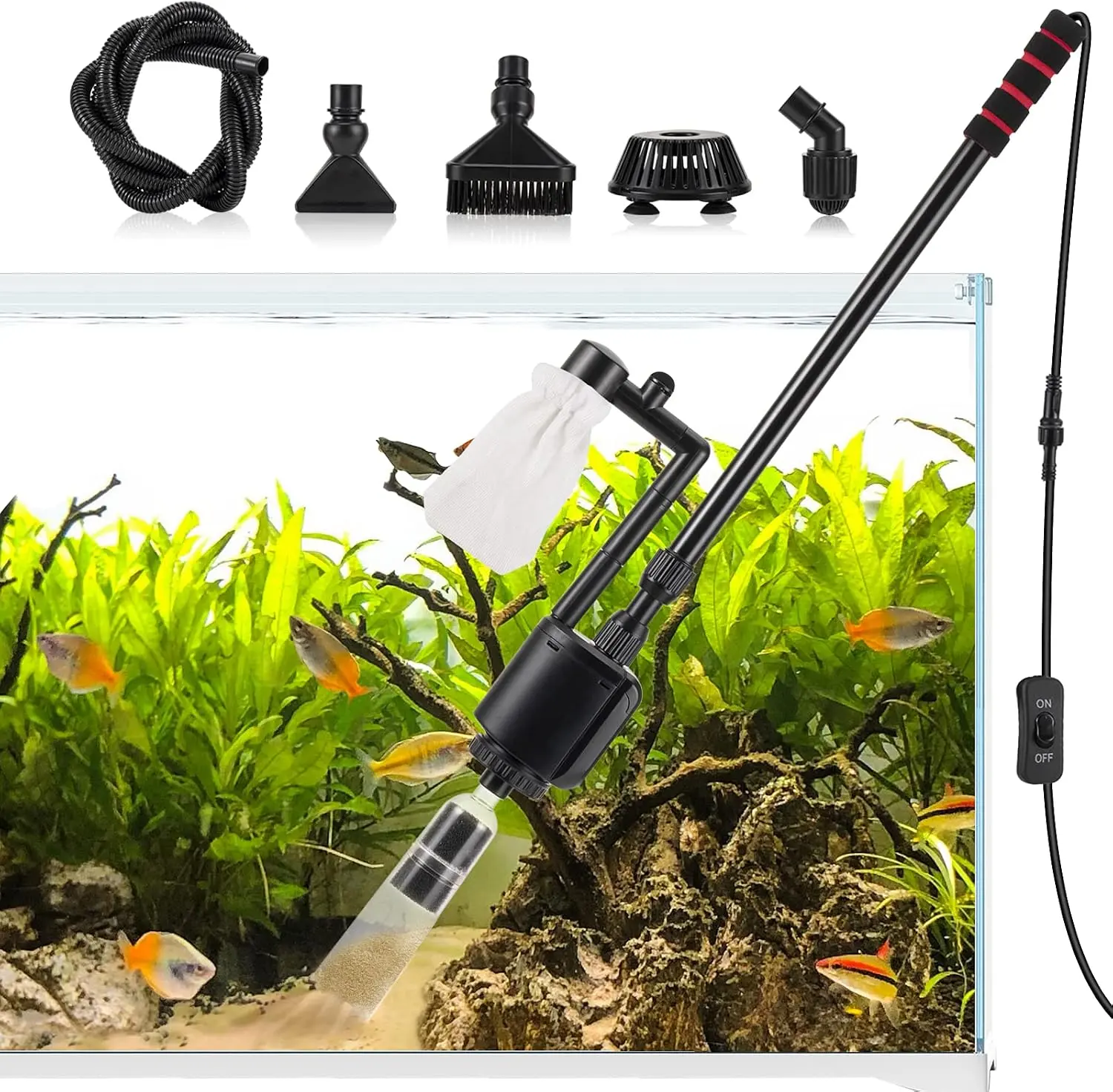
Useful setup supplies
We may earn from qualifying purchases
Guidarium Editorial Desk
Reviewed against Guidarium care, stocking, and compatibility standards. Read the editorial policy.
- Last reviewed
- May 11, 2026
- Last updated
- May 11, 2026
- Issues or corrections?
- Contact the editorial team
Plants That Suit Freshwater Toadfish (Prehistoric Monster Fish)
These plants pair well with Freshwater Toadfish (Prehistoric Monster Fish) based on shared water preferences, layout fit, and how likely they are to hold up in the same aquarium.
Amazon Frogbit
Limnobium laevigatum
Asian Watergrass
Hygroryza aristata
Asian Watermoss
Salvinia cucullata
Banana Plant
Nymphoides aquatica
Beckett's Water Trumpet
Cryptocoryne beckettii
Broad-leaved Crypt
Cryptocoryne pontederiifolia
Fish Similar to Freshwater Toadfish (Prehistoric Monster Fish)
Frogmouth Catfish
Chaca chaca
An incredibly bizarre ambush predator native to South Asia. With a massive, flat head and cryptic coloration, they perfectly mimic a dead leaf or piece of wood. They are entirely sedentary, moving only to gulp down prey that wanders too close to their cavernous mouths. Because they can easily consume fish up to half their own length, tank mates must be chosen with extreme caution.
Freshwater Sole
Brachirus selheimi
A rare and captivating bottom-dwelling flatfish native to Australia and New Guinea. As an ambush predator, it spends most of its time completely buried in fine sand, waiting to strike at small fish or crustaceans. It absolutely requires a soft sand substrate to thrive and prevent severe abrasions to its delicate underside.
Monster Wolf Fish (Aimara)
Hoplias aimara
An apex predator native to the fast-flowing rivers of South America. The Aimara is notorious for its incredible jaw strength, massive teeth, and unmatched aggression. It is arguably the most aggressive freshwater aquarium fish and will violently attack tankmates, equipment, and even the keeper's hands. It must be housed completely alone in a highly secure, massive aquarium with heavily weighted or lockable lids to prevent them from jumping or shattering the glass during feeding strikes.
Helicopter Catfish
Wallagonia leerii
A massive, apex predator catfish native to Southeast Asia. Known for its enormous mouth and voracious appetite, this 'monster fish' is completely unsuitable for standard home aquariums. In the wild, they migrate through large rivers and flooded forests. They will consume any tankmate that fits in their massive mouth. Kept almost exclusively by specialized monster fish keepers or public aquaria.
Spotted Gar
Lepisosteus oculatus
A primitive, predatory 'monster fish' native to North America. Known for its heavily armored, elongated body and beak-like mouth filled with sharp teeth. As an ambush predator, it rests near the surface disguised as a floating log. It breathes atmospheric air using a modified swim bladder. Suitable only for expert aquarists with massive aquariums or indoor ponds.
Arapaima
Arapaima gigas
One of the largest true freshwater fish in the world, native to the Amazon basin. Arapaima are obligate air-breathers and extreme predators. Due to their massive adult size and explosive growth rate, they are almost entirely unsuited for home aquaria and require highly specialized, heated, pond-sized enclosures.