
A massive, apex predator catfish native to Southeast Asia. Known for its enormous mouth and voracious appetite, this 'monster fish' is completely unsuitable for standard home aquariums. In the wild, they migrate through large rivers and flooded forests. They will consume any tankmate that fits in their massive mouth. Kept almost exclusively by specialized monster fish keepers or public aquaria.
Helicopter Catfish At a Glance
Helicopter Catfish Tank Requirements
Will Helicopter Catfish fit in your tank?
Care guides tell you what Helicopter Catfish needs, the next question is whether your tank can safely provide it. Test Helicopter Catfish against your tank size, maintenance needs, and the fish you already keep before you buy.
Helicopter Catfish Water Parameters
Helicopter Catfish Temperament & Compatibility
Helicopter Catfish Varieties
Each variety inherits the species defaults above. Only differences are highlighted.
Adult (Monster Fish)
The fully grown adult form. Requires a massive custom indoor pond or tank holding thousands of liters. Exceedingly predatory and usually best kept solitary.
Same care requirements as the base species
Also known as: Full Grown, Giant, Standard
Juvenile (Grow-out)
Juvenile stage commonly sold in the trade (around 20-30cm). Will grow incredibly fast. Even at this size, they are highly predatory and must be housed alone or with robust, larger fish that cannot be swallowed.
Differs in 4 traits from base species
Also known as: Baby Tapah, Small Helicopter Catfish
Helicopter Catfish Care Guide Summary
The Helicopter Catfish, scientifically known as Wallagonia leerii, belongs to the Catfish family group. Adults reach a maximum size of approximately 150 cm and have a fusiform body shape with a fast growth rate. Classified as highly aggressive, this species primarily occupies the mid-level and bottom zones of the aquarium and produces a extreme level of biological waste.
To thrive, the Helicopter Catfish requires a freshwater only aquarium with a minimum volume of 4000 litres and a tank length of at least 400 cm. Water temperature should be maintained between 24°C and 30°C, with a pH range of 6–7.5 and a general hardness of 4–15 dGH. A moderate water flow is preferred.
Due to its specialist needs, the Helicopter Catfish is best suited for fishkeepers who can provide a carefully planned setup. This species is available in 2 varieties: Adult (Monster Fish) and Juvenile (Grow-out). Each may differ slightly in size, temperament, or care needs, so it is worth checking the specific requirements of the variety you plan to keep.
Helicopter Catfish Habitat Setup
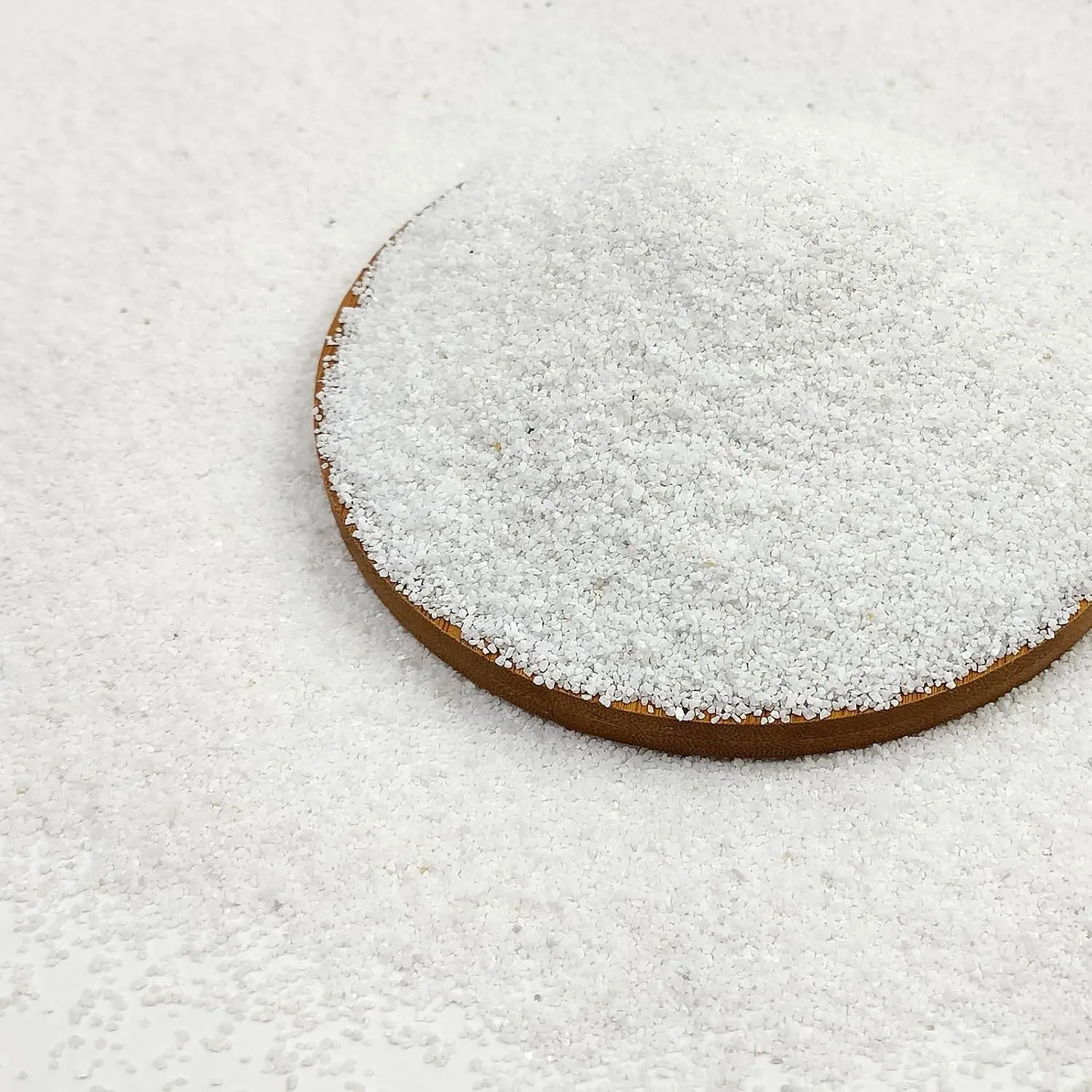
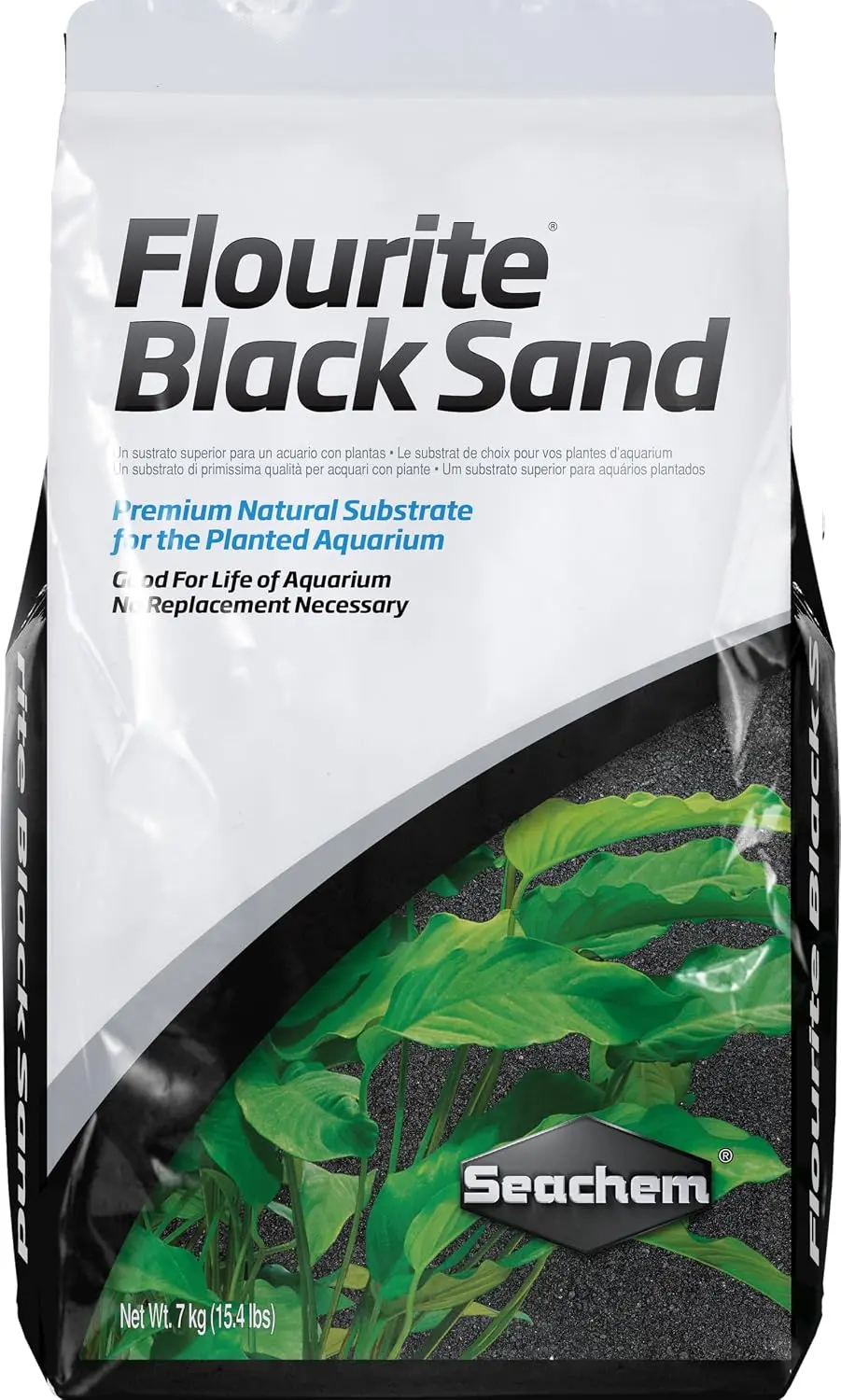
When setting up an aquarium for the Helicopter Catfish, a moderate water flow best suits their natural preferences. Because this species occupies the mid-level and bottom zones, the aquarium layout should prioritise open swimming space in the centre of the tank for free movement and sufficient floor space with hiding spots among rocks, wood, or dense planting. Useful additions include a sand substrate to accommodate their sifting behaviour, smooth gravel or rounded substrate to protect their sensitive barbels, driftwood, which can serve as both a hiding place and a dietary supplement, and floating plants to diffuse overhead light and create shaded areas.
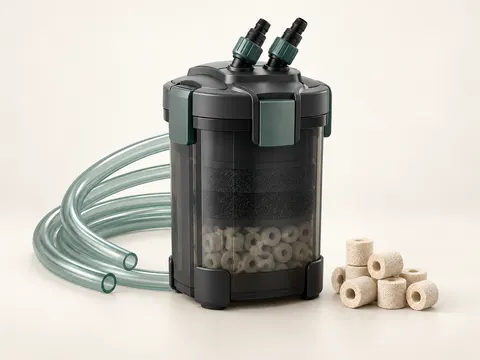
Supplies for Helicopter Catfish
We may earn from qualifying purchases



Helicopter Catfish Compatibility Notes
Classified as highly aggressive, the Helicopter Catfish is best housed alone, as they do not tolerate others of their kind in confined spaces. When choosing tankmates, any fish small enough to fit in its mouth will likely be eaten. Selecting tankmates that favour different water layers from the mid-level and bottom zones can help reduce competition and territorial overlap.
Who Helicopter Catfish Is Actually For
Helicopter Catfish is best for a fishkeeper who expects a species with attitude and plans the tank around that behavior and can provide someone who understands its individual space requirements. It makes the most sense for a hobbyist who will actually build around its needs, especially sand.
The most common mistake is treating Helicopter Catfish like any other community fish and skipping the soft sand it needs to forage safely. Another frequent problem is forcing it into an over-busy community when it would do better with more room or more deliberate tankmate choices.
Helicopter Catfish Feeding & Diet Considerations
The Helicopter Catfish is a predatory species that will readily consume small fish, so nano or bite-sized tankmates should be avoided and is primarily active at dusk and dawn, so offering food shortly after lights-off ensures it receives adequate nutrition.
Frequently Asked Questions About Helicopter Catfish
How big does Helicopter Catfish get?
Helicopter Catfish (Wallagonia leerii) typically reaches a maximum adult size of approximately 150 cm. They have a fusiform body shape and a fast growth rate.
What tank size does Helicopter Catfish need?
A minimum aquarium volume of 4000 litres and a tank length of at least 400 cm are recommended for Helicopter Catfish. This ensures enough swimming space and helps maintain stable water conditions.
What water parameters does Helicopter Catfish need?
Helicopter Catfish thrives in freshwater only conditions with a temperature range of 24–30°C, a pH between 6 and 7.5, and a general hardness of 4–15 dGH. A moderate water flow is preferred.
Is Helicopter Catfish peaceful or aggressive?
Helicopter Catfish is classified as highly aggressive with an aggression score of 9 out of 10. Careful tankmate selection is essential to avoid conflict.
Can Helicopter Catfish live with others of its kind?
No. Only one Helicopter Catfish should be kept per tank. Keeping multiples in the same aquarium typically results in aggression and stress.
Does Helicopter Catfish have any special tank requirements?
Yes. Helicopter Catfish benefits from sand (sifters), smooth gravel (sensitive barbels), driftwood (digestion/hiding), and plants - floating in the aquarium. These features help replicate their natural habitat and promote overall health and well-being.
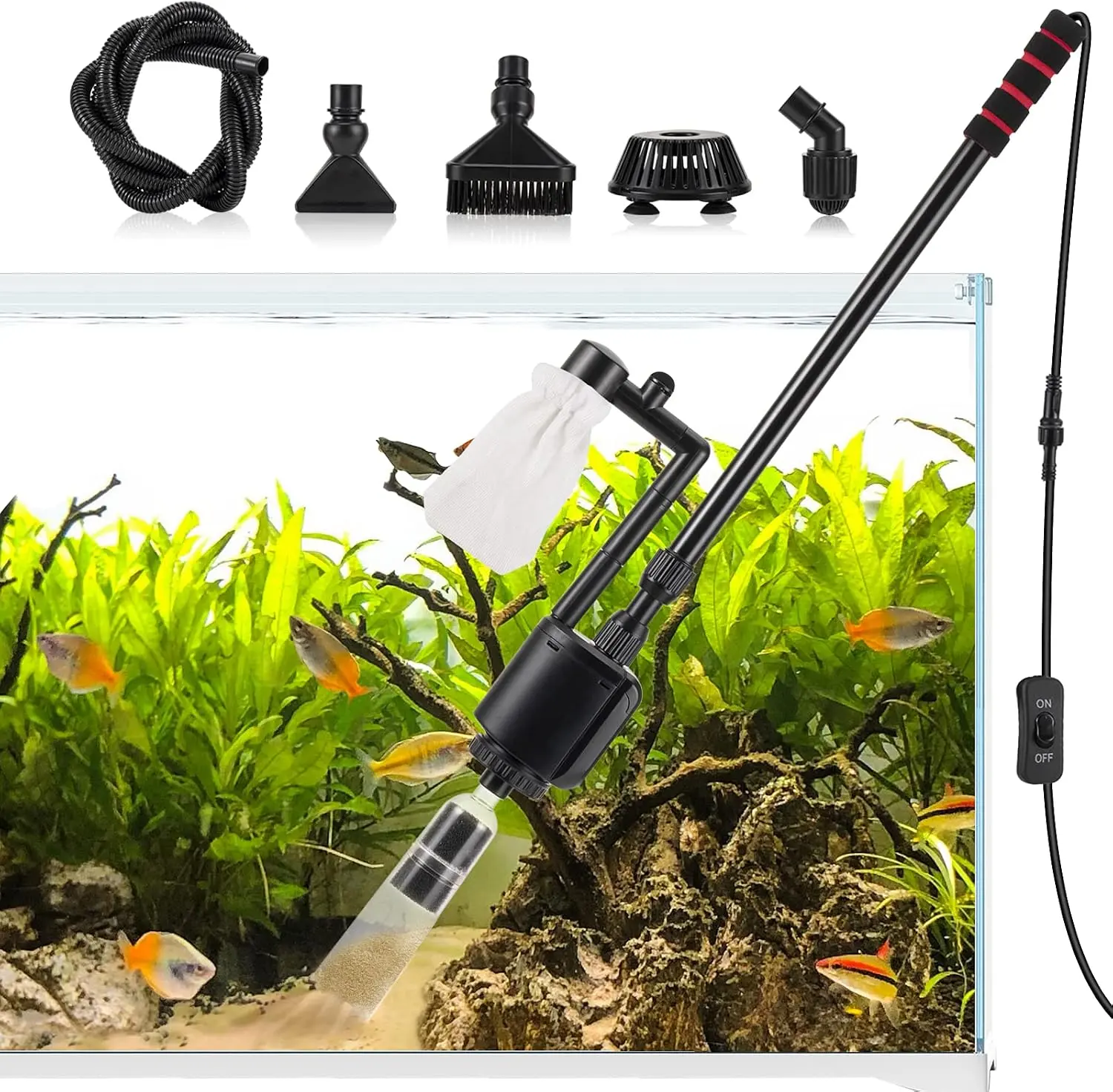
Useful setup supplies
We may earn from qualifying purchases
Guidarium Editorial Desk
Reviewed against Guidarium care, stocking, and compatibility standards. Read the editorial policy.
- Last reviewed
- May 11, 2026
- Last updated
- May 11, 2026
- Issues or corrections?
- Contact the editorial team
Plants That Suit Helicopter Catfish
These plants pair well with Helicopter Catfish based on shared water preferences, layout fit, and how likely they are to hold up in the same aquarium.
African Onion Plant
Crinum calamistratum
Afzel's Anubias
Anubias afzelii
Amazon Sword
Echinodorus amazonicus
Anubias Barteri
Anubias barteri
Ashy Pipewort
Eriocaulon cinereum
Balansae
Cryptocoryne crispatula
Fish Similar to Helicopter Catfish
Freshwater Shark (Wallago)
Wallago attu
An apex predator native to South and Southeast Asia, infamous for its immense size, huge mouth, and voracious predatory nature. It will consume any tank mate that fits into its capacious mouth and is known to bite aggressively when handled. This species is utterly unsuitable for standard home aquariums and requires an enormous custom pond or public aquarium setup.
Chao Phraya Giant Catfish (Paroon Shark)
Pangasius sanitwongsei
An apex predator native to the Mekong and Chao Phraya basins. This true 'monster fish' is completely unsuitable for home aquariums. They grow to massive proportions, are highly active, and easily startled—often severely injuring themselves by crashing into tank walls. They possess a massive appetite and are highly piscivorous, consuming any tank mate that fits in their mouth.
Monster Wolf Fish (Aimara)
Hoplias aimara
An apex predator native to the fast-flowing rivers of South America. The Aimara is notorious for its incredible jaw strength, massive teeth, and unmatched aggression. It is arguably the most aggressive freshwater aquarium fish and will violently attack tankmates, equipment, and even the keeper's hands. It must be housed completely alone in a highly secure, massive aquarium with heavily weighted or lockable lids to prevent them from jumping or shattering the glass during feeding strikes.
Gulper Catfish
Asterophysus batrachus
Famous for its astonishingly large mouth and highly expandable stomach, the Gulper Catfish is a fascinating 'monster fish'. It can and will consume tank mates that are equal to or even slightly larger than its own body size. While generally peaceful toward fish that are definitively too large to swallow, its extreme predatory capabilities mean it is best kept in a dedicated species tank or with heavily armored, oversized companions.
Pungas Catfish
Pangasius pangasius
A colossal riverine catfish native to the Indian subcontinent. While highly important for aquaculture, they are disastrous for home aquariums. They grow rapidly to enormous sizes (up to 150-300cm), are easily spooked (often resulting in them ramming the tank glass at high speeds), and will swallow any tank mate that fits in their massive mouths.
Achara Catfish
Leiarius marmoratus
A massive, striking Pimelodid catfish from South America. Known for its beautiful marbled pattern and remarkably long barbels. As a strictly predatory 'monster fish', it requires a gargantuan aquarium and massive filtration. While generally peaceful towards fish too large to swallow, it will eat anything that fits into its capacious mouth. Bare-bottom or soft sand is required to prevent fatal ingestion of gravel.