We’ve all seen it: the iconic, spherical glass bowl sitting on a sun-drenched desk, a single orange fish drifting lazily inside. For many of us, that image was our first introduction to the world of fishkeeping. It’s a cultural staple. But if you’ve spent any time in the modern aquarium hobby, you know that the "traditional" fish bowl is currently at the center of a massive debate.
Is the fish bowl a cruel relic of the past, or can it be a high-tech masterpiece of biological engineering? The answer isn't a simple yes or no. It depends entirely on whether you’re following the "old way" or the "new way."
In this deep dive, we’re going to look at everything you need to know about the aquarium fish bowl. We’ll cover why the old methods failed, how to pick the right setup (including why the 5 gallon betta tank is your new best friend), and how to use the famous Walstad method to create a self-sustaining ecosystem. Whether you’re looking for a fish bowl under 100 dollars or a high-end riparium bowl, this guide has you covered.
The Evolution of the Fish Bowl
To understand where we are, we have to look at where we started. The fish bowl isn't just a container; it's a piece of history that is finally getting a much-needed scientific makeover.
Why the Traditional "Goldfish Bowl" is Becoming Obsolete
The classic goldfish bowl is perhaps the most misunderstood object in the pet industry. Historically, these bowls were "ancient technology", glass vessels designed before we had electricity, filters, or an understanding of the nitrogen cycle.
Today, veterinary professionals and aquatic researchers have labeled the traditional, unfiltered bowl as an unsuitable long-term habitat for most vertebrate species. The primary reason? Lack of space and the absence of biological filtration. A goldfish, which can grow to over 10 inches and lives for 20 years, simply cannot survive in a gallon of stagnant water. When we talk about "the goldfish bowl" today, it’s usually as a cautionary tale of what not to do.
The Science of Small Volumes: Why Size Matters
If you’re an average hobbyist, you might wonder: “It’s just water, right? Why is a bowl harder than a big tank?” The answer lies in the physics of fluid dynamics. Small volumes of water, typically defined as anything under 10 liters (approx. 2.6 gallons), exhibit a terrifying sensitivity to "external perturbations." In plain English: if a single flake of food rots in a 50-gallon tank, nothing happens. If it rots in a 1-gallon bowl, the ammonia spike can be lethal within hours. Small volumes have no "buffer." They heat up too fast, cool down too fast, and pollute too fast.
Modern Betta Fish Bowls vs. Traditional Designs
Fortunately, the hobby has evolved into what we call "nano-aquaristics." A modern betta fish bowl looks nothing like the one from the 1970s. Modern setups prioritize high-clarity glass, integrated hidden filters, and LED lighting. The focus has shifted from "how many fish can I fit" to "how can I create a stable micro-ecosystem." We are moving away from the "bowl as a prison" and toward the "bowl as a living piece of art," where the welfare of the inhabitant comes first.
Selecting Your Setup: Best Fish Bowls and Modern 5-Gallon Alternatives
Picking your glass is the most exciting part, but don't let aesthetics blind you to functionality. You want something that looks good but won't be a nightmare to maintain.
Why the 5-Gallon Setup is the Absolute "Sweet Spot"
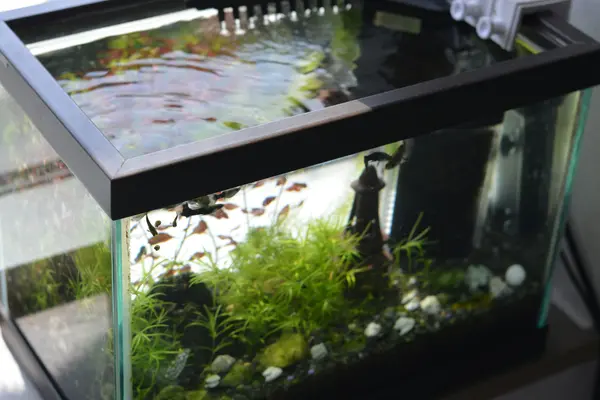
If you remember only one thing from this guide, let it be this: size matters. While a tiny jar looks cute on a bookshelf, a 5-gallon bowl or tank is the true "Goldilocks" zone for beginners. It’s small enough to fit on a desk, but large enough to actually function as a stable home.
Why is 5 gallons the magic number?
- Chemical Stability: In a tiny half-gallon bowl, a single drop of ammonia (from fish waste) is a disaster. In 5 gallons of water, you have a much larger safety net. It "buffers" against those dangerous chemical spikes that often kill fish in smaller setups.
- The "Proper" Room to Grow: Despite what the marketing on those tiny "Betta Cubes" says, the proper betta fish tank size is 5 gallons. This gives your fish enough room to display their natural behaviors - patrolling their territory and exploring plants, rather than just hovering in place.
- Real Gear for a Real Habitat: Most importantly, a 5-gallon volume is large enough to hold a small heater and a sponge filter. Keeping your water at a steady temperature (around 78°F) is the single best way to prevent the fin rot and lethargy that plague fish in smaller, unheated bowls.
While people often search for a 5-gallon betta fish tank out of curiosity, seasoned hobbyists recommend it out of necessity. It's the minimum threshold where your pet transitions from "barely surviving" to truly thriving.
Exploring the 15 Gallon Glass Fish Bowl
For those who want the "bowl" look but want to keep more than just one inhabitant, the 15 gallon glass fish bowl is a game-changer. These are massive, heavy pieces of glass (often 18 inches wide) that provide enough volume for a diverse nano-community. In a 15-gallon bowl, you can actually keep a small school of minnows or a thriving colony of shrimp without the ethical guilt associated with tiny containers.
Rimless vs. Traditional Bowls
The modern aesthetic leans toward "rimless" designs. These have no plastic hood, offering a 360-degree view and allowing plants to grow up and out of the water. While a traditional bowl has a narrow opening (which is bad for oxygen exchange), rimless "low-iron" bowls often have wider openings, making them much healthier for the fish and easier for you to prune.
Finding a High-Quality Fish Bowl Under $100
You don’t need to break the bank to get started. When searching for a fish bowl under 100, look for hand-blown glass with a stable, thick base. Avoid thin, plastic "starter kits" found at big-box stores; these scratch easily and often have poor clarity. A high-quality glass bowl provides better insulation and a clearer view of your aquascape. Check out the online retailers or local boutique shops for "heavy" glass that feels substantial.
Why the 5-Gallon Setup is the Absolute "Sweet Spot" If you remember only one thing from this guide, let it be this: size matters. While a tiny jar looks cute on a bookshelf, a 5-gallon bowl or tank is the true "Goldilocks" zone for beginners. It’s small enough to fit on a desk, but large enough to actually function as a stable home.
If you already have a bowl and wanted to calculate it's volume? Check out our Volume Calculator for Fish Bowl.
Best Fish for a Bowl: What Can Actually Live in Small Volumes?
This is where many hobbyists go wrong. Not every fish is "bowl-compatible". Let's look at the winners and the losers.
How to Keep Betta Fish in a Bowl
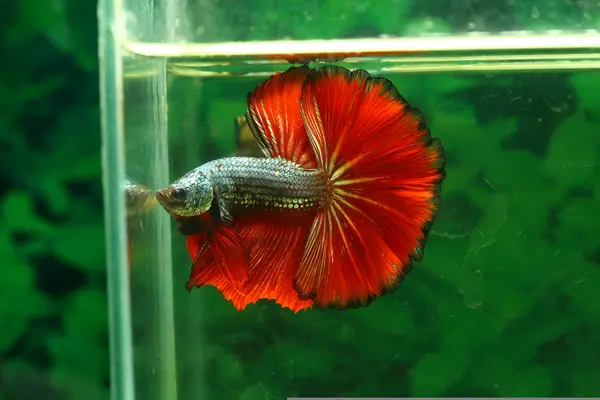
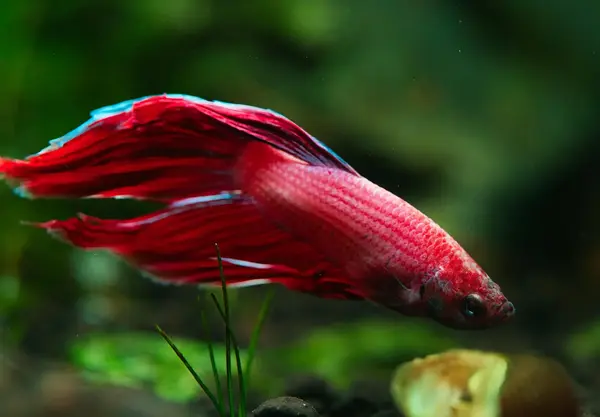
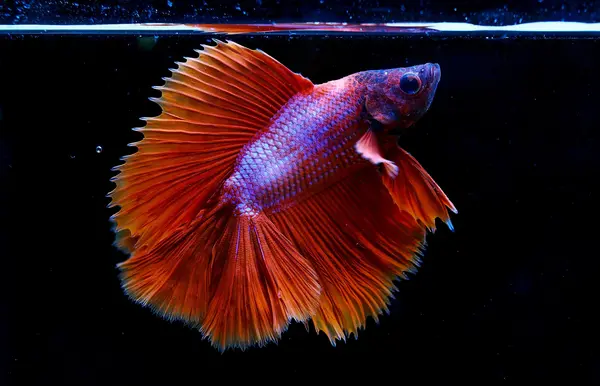
Bettas are the kings of the small tank, but they are often victims of their own hardiness. To do it right, your modern betta fish bowl needs a heater (set to 78°F) and a gentle filter. Because Bettas have long, flowing fins, they struggle in high-flow environments. A 5-gallon setup is the proper betta fish tank size to ensure they don't suffer from muscle atrophy or stress-related illnesses. If you are interested in keeping Bettas, read our comprehensive guide: Ultimate Betta Fish Guide
The Goldfish Debate: How to Keep a Goldfish Alive in a Bowl
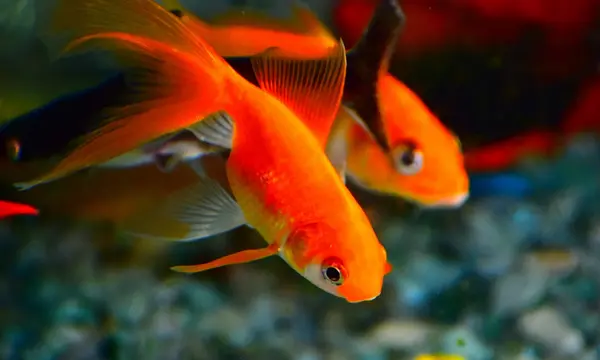
You’ll see people often ask the question of how to keep a goldfish alive in a bowl or how to maintain a goldfish bowl. Here is the truth: unless the bowl is 20+ gallons, you probably can't, at least not for long. Goldfish are "messy" eaters and produce massive amounts of waste. Keeping a goldfish in a small bowl is like a human living in a closet with no toilet. If you must have a goldfish, skip the bowl and go for a large, rectangular tank.
Beyond Bettas: Keeping Guppies and Minnows in Large Bowls
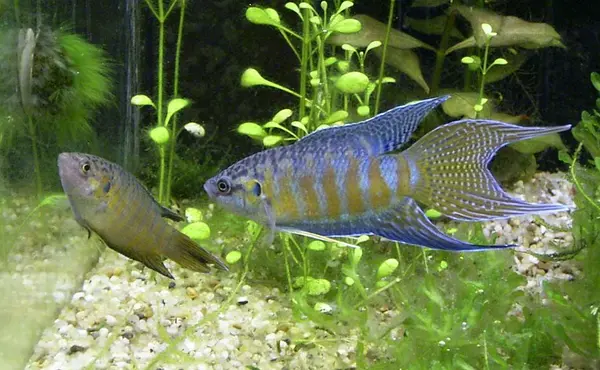
If you have a larger bowl (10-15 gallons), you can explore keeping guppies in a bowl or White Cloud Mountain Minnows. White Clouds are "underrated beginner fish" because they don't require a heater (they love room temperature) and are incredibly hardy. They add movement and "sparkle" to an aquascape that a solitary Betta can't provide.
Cherry Shrimp and Snails: The Ultimate Inhabitants
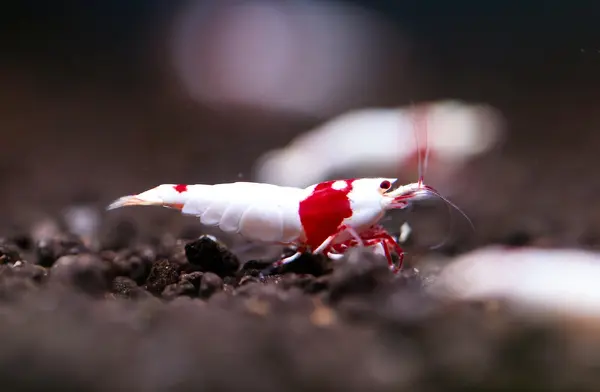
If you want the most successful, low-stress setup, go for a cherry shrimp bowl. Shrimp have a tiny "bio-load," meaning they produce very little waste. A colony of bright red Neocaridina shrimp living among lush green moss is arguably more beautiful than any single fish. Pair them with a Nerite snail, and you have a self-contained cleaning crew.
How to Keep Fish Alive in a Bowl: Mastering Water Chemistry
In a small tank, you aren't just a fish keeper; you are a water chemist. The "invisible" part of the hobby is what determines your success.
Preventing "Fish Bowl Syndrome"
"Fish Bowl Syndrome" isn't a disease the fish catches, it’s a failure of the environment. It happens when ammonia (from fish waste) builds up because there are no beneficial bacteria to break it down. In a small bowl, this happens fast. The fish becomes lethargic, loses color, and eventually dies. The fix? A "cycled" tank and/or live plants.
Crucial Parameters: Managing pH, Ammonia, and Temperature
To keep fish alive in a bowl, you must monitor three things:
- Ammonia/Nitrite: Should always be 0.
- Nitrate: Should be kept low (under 20ppm) through water changes.
- Temperature: Most "bowl fish" are tropical. A steady 76-80°F is required. Using an adhesive thermometer strip is a cheap way to keep an eye on this.
The Importance of Surface Area and Gas Exchange
Oxygen enters the water at the surface. Traditional bowls with "narrow necks" have very little surface area, meaning your fish might literally be suffocating. This is why you see fish "gasping" at the top. To fix this, don't fill the bowl into the narrow neck; leave it at the widest point to maximize the air-to-water contact.
Essential Water Treatments
Never, ever use straight tap water. Chlorine will kill your fish's gills instantly. Use a high-quality conditioner like Tetra AquaSafe or Seachem Prime. You only need a few drops per gallon, but those drops are the difference between life and death.
The Walstad Method: Setting Up a Filterless "Ecosystem" Bowl
If you want a "no-filter" setup that actually works, you need to study Diana Walstad. Her book, The Ecology of the Planted Aquarium, is the go to resource for this method.
The Science of a Low-Tech Planted Tank
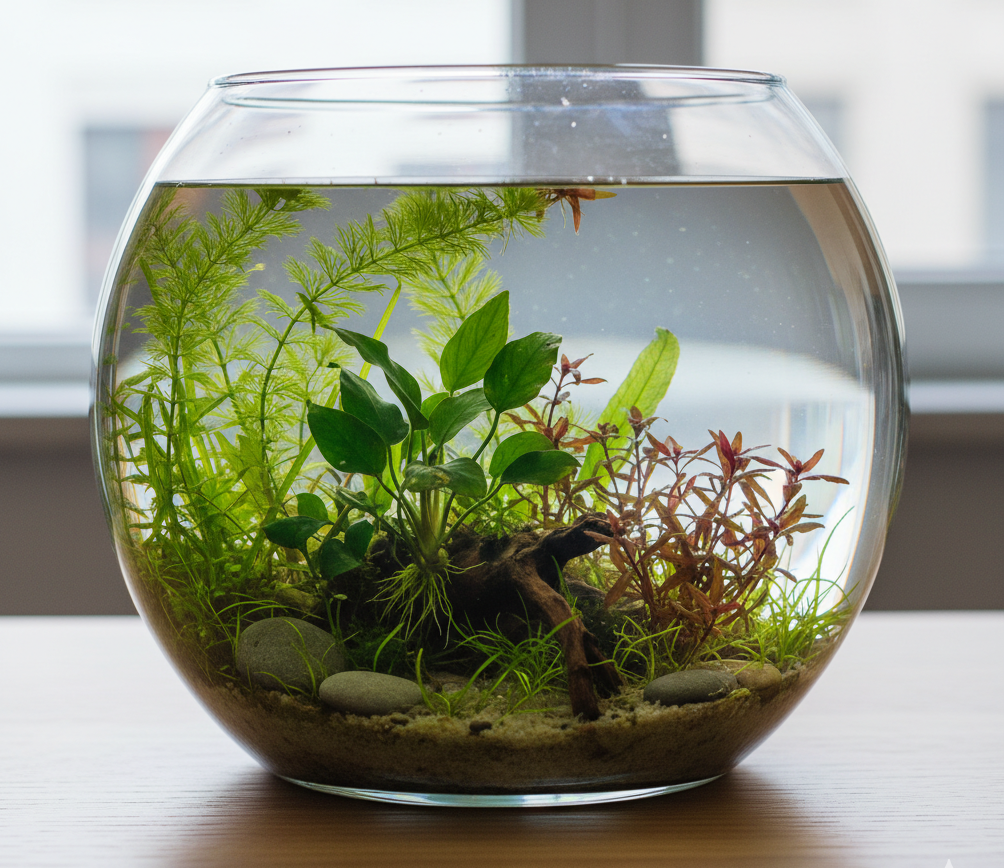
The Walstad method relies on plants to do the work of a filter. Instead of a plastic machine, you use the natural relationship between fish waste, soil bacteria, and plant roots. The fish provide CO2 and fertilizer; the plants provide oxygen and clean the water.
Soil and Sand: Building a Foundation
To set up a Walstad bowl:
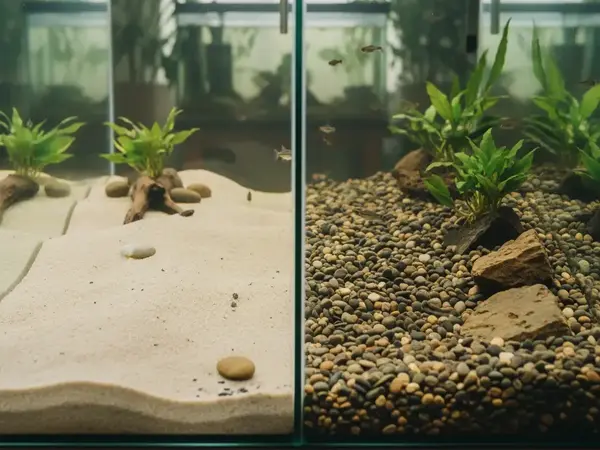
- The Soil Layer: Use one inch of organic, "cellulose-rich" potting soil. This provides the nutrients your plants need to grow fast.
- The Cap: Cover the soil with half an inch to an inch of sand or fine gravel. This "cap" keeps the soil from turning your water into a muddy mess. Pro-tip: Avoid "sour soil" by not making the layers too deep. Anything over 2-3 inches can become hypoxic (oxygen-starved).
Heavy Planting: Using Nature to Filter
A Walstad tank only works if it is heavily planted. You can't just put one sprig of green in there. You need "fast-growing stem plants" that act like sponges for nitrogen. Think of the plants as your biological engine. If the engine is too small, the system crashes.
Avoiding the "Cesspool" Trap
There is a trend called the "Father Fish" method which uses deep substrates, but for beginners, the Walstad approach of 1-inch soil and 1-inch sand is safer. If you don't have enough plants, your soil will rot, creating a "cesspool" of anaerobic bacteria. Always start with more plants than you think you need.
Aquascaping Your Bowl: Plants, Pothos, and Riparium Styles
Now for the "art" side of the hobby. A bowl is a 360-degree canvas.
The Best Plants to Grow in a Fish Bowl
Choose "low-tech" plants that don't need fancy CO2 systems:
- Anubias and Java Fern: These are "epiphytes," meaning you tie them to rocks or wood rather than burying them.
- Java Moss: Great for shrimp to hide in.
- Floating Plants: Species like Frogbit or Salvinia are amazing at pulling toxins out of the water.
Growing Pothos and Money Plants in Your Bowl
One of the best "hacks" for a money plant fish bowl is growing pothos in fish bowl setups. You don't submerge the whole plant, but just the roots! The roots grow down into the water, creating a beautiful "jungle" look, while the leaves grow out onto your desk. Pothos is a nitrogen-eating machine, making it a perfect partner for a modern betta fish bowl.
Creating a Riparium Bowl
A riparium bowl is a style where you mimic a riverbank. You have plants growing "emerged" (out of the water). This is not only stunning but also incredibly healthy for the fish, as emerged plants have access to unlimited CO2 from the air, allowing them to filter the water even faster.
Choosing the Right Substrate
While the Walstad method uses soil, you can also use specialized "aquasoils" or simple sand. If you’re keeping a cherry shrimp bowl, a dark substrate (black sand) will make their red colors pop and help them feel more secure.
Essential Care Guide: How to Maintain a Fish Bowl and Keep it Sparkling
The "low maintenance" myth is dangerous. Every tank needs care, but a well-designed bowl makes that care easy.
How to Maintain a Fish Bowl Long-Term
To maintain a fish bowl, consistency is everything. Here is a quick breakdown:
- Weekly: Change 10-25% of the water. This removes built-up hormones and nitrates.
- Monthly: Gently trim your plants so they don't take over the entire volume.
- Never: Do a "100% water change." This shocks the fish and kills the beneficial bacteria.
Feeding Strategies: How to Avoid Pollution
Overfeeding is the #1 killer of fish in bowls. Generally a fish's stomach is about the size of its eye. If you drop in a huge pinch of flakes, most of it will fall to the bottom and rot. Feed only what they can eat in under 2 minutes. For a Betta, 2-3 high-quality pellets twice a day is usually plenty. This method works for many small species and varieties of fishes. Make sure to research thoroughly about the fish you are keeping in your bowl. Every bit of details will help you along the line.
Cleaning Your Glass Without Chemicals
Don't use Windex or soap! Even a tiny residue of soap can be fatal to fish. To keep fish bowl water clean and the glass clear, use a dedicated aquarium scrub pad or a simple clean paper towel with warm water. For stubborn algae, a clean razor blade (on glass only) works wonders.
Essential Maintenance Tools Checklist
- Mini-Siphon: To vacuum waste out of the substrate.
- Water Test Kit: To check your ammonia and pH levels.
- Long Tweezers: For planting and removing dead leaves.
- A Bucket: Dedicated only to the fish (no soap ever!).
The Path to a Successful Micro-Ecosystem
The aquarium fish bowl has come a long way from the stagnant glass jars of the past. By choosing a larger volume (like a 5 gallon tank - commonly referred to as 5 gallon betta tank), embracing live plants through the Walstad method, and staying on top of water chemistry, you can create a stunning, ethical, and thriving aquatic world.
Remember, the goal isn't just to "keep a fish alive." The goal is to create an environment where life flourishes. Whether you’re setting up your first shrimp bowl or a high-end riparium bowl, treat your water like a living thing, and your fish will thank you with vibrant colors and active personalities.
Troubleshooting and FAQs
Can a goldfish live in a bowl (or even just survive in one)?
In a word: No. While you will hear stories of goldfish "surviving" for a few years in a bowl, they aren't truly living. Just to reiterate, they are incredibly messy, and they can live for 20 years. In a small bowl, the bioload builds up so fast it literally burns their gills. If you love goldfish, do them a favor and skip the bowl for a 20+ gallon filtered tank.
What are the best fish for a small fish bowl?
If your bowl is under 3 gallons, the best "fish" isn't a fish at all, it's invertebrates. A few Cherry Shrimp or a beautiful Nerite Snail will be far happier in a small volume of water than any vertebrate. They have tiny "carbon footprints" (bio-loads) and will spend their days happily cleaning algae off your plants.
If you have a bowl that is at least 5 gallons and has a heater, the Betta Fish is the clear winner. If you have a 10-15 gallon bowl, White Cloud Mountain Minnows are another fantastic, hardy choice.
Can a betta fish live in a bowl for a long time?
Yes, but with a major "if." A betta can live in a bowl if the bowl is at least 5 gallons, if it is heated to 78°F, and if you stay on top of your water changes. The "betta in a tiny cup" image is a survival situation, not a thriving one. Think of a bowl as a studio apartment, it can be a beautiful, cozy home for life, but it still needs a "kitchen" (filter) and "heating" to be livable.
Why Does My Fish Bowl Water Get Cloudy?
If your bowl is new (under 2 weeks old), cloudy water is usually a "bacterial bloom." It’s actually a good sign, it means your ecosystem is starting to wake up. Don't panic and don't change all the water. Just wait it out. If the water is cloudy in an old bowl, it means you’re overfeeding or the filter is dirty.
How to Manage Algae and Surface Scum in a Fish Bowl?
A "film" on top of the water is common in bowls with low flow. You can remove it by laying a clean paper towel on the surface for a second and lifting it off. To prevent algae, keep the bowl out of direct sunlight. Too much light + too many nutrients = green glass.
When and How to Safely Upgrade my Fish Bowl?
If you notice your fish is constantly hiding or if you find yourself struggling to keep the water clean, it might be time to move to a larger tank, like a 5 gallon betta fish tank. Upgrading is easy: move the old substrate, some of the old water, and all the plants to the new tank. This "seeds" the new tank with good bacteria.
If your next home is a 10-US-gallon tank for one betta, build your setup checklist and mark which supplies you can reuse.
What is a "Koi Bowl"? Can I keep Koi Fish in them?
Let’s be very clear: Koi are pond fish. They can grow to be three feet long. There is no such thing as a "koi bowl" that is humane for the fish. If you see a koi in a bowl, it is likely for a temporary display or a very sad situation. Stick to "best bowl fish" like shrimp, snails, or a single Betta.