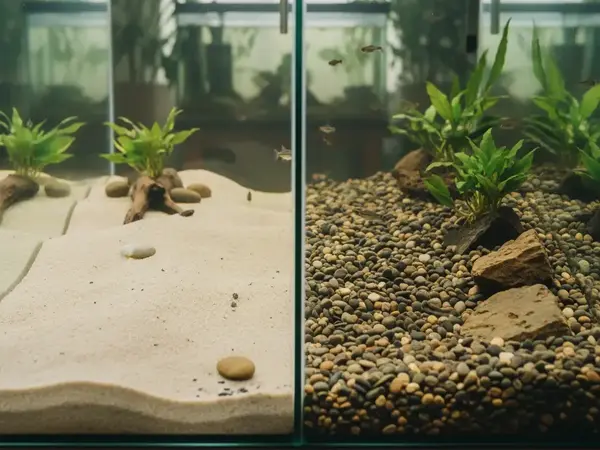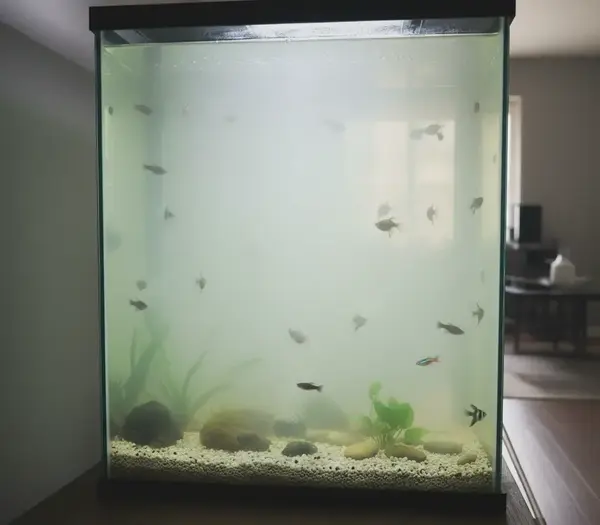
Have you ever sat in front of your aquarium, watched a stray piece of fish food slowly drift to the bottom, and noticed it just... stays there? In a corner, behind a rock, or tucked into the shadows, a little pile of "stuff" begins to collect. That, my friend, is a "dead spot," and it’s the silent enemy of every healthy tank.
When I first started in this hobby, I thought a filter was enough. I figured as long as the water went into the intake and came out the return, the job was done. But as I grew into more complex setups, moving from a simple freshwater community to a lush planted tank and eventually a reef, I realized that water filtration and water movement are two very different things.
Enter the world of aquarium wave makers. For some, they are a flashy gadget; for others, they are the heartbeat of the system. But do you really need one? In this deep dive, we’re going to look at the practical, biological, and mechanical reasons why these devices have changed the game for hobbyists everywhere.
Understanding Water Flow: What Are Aquarium Wave Makers?
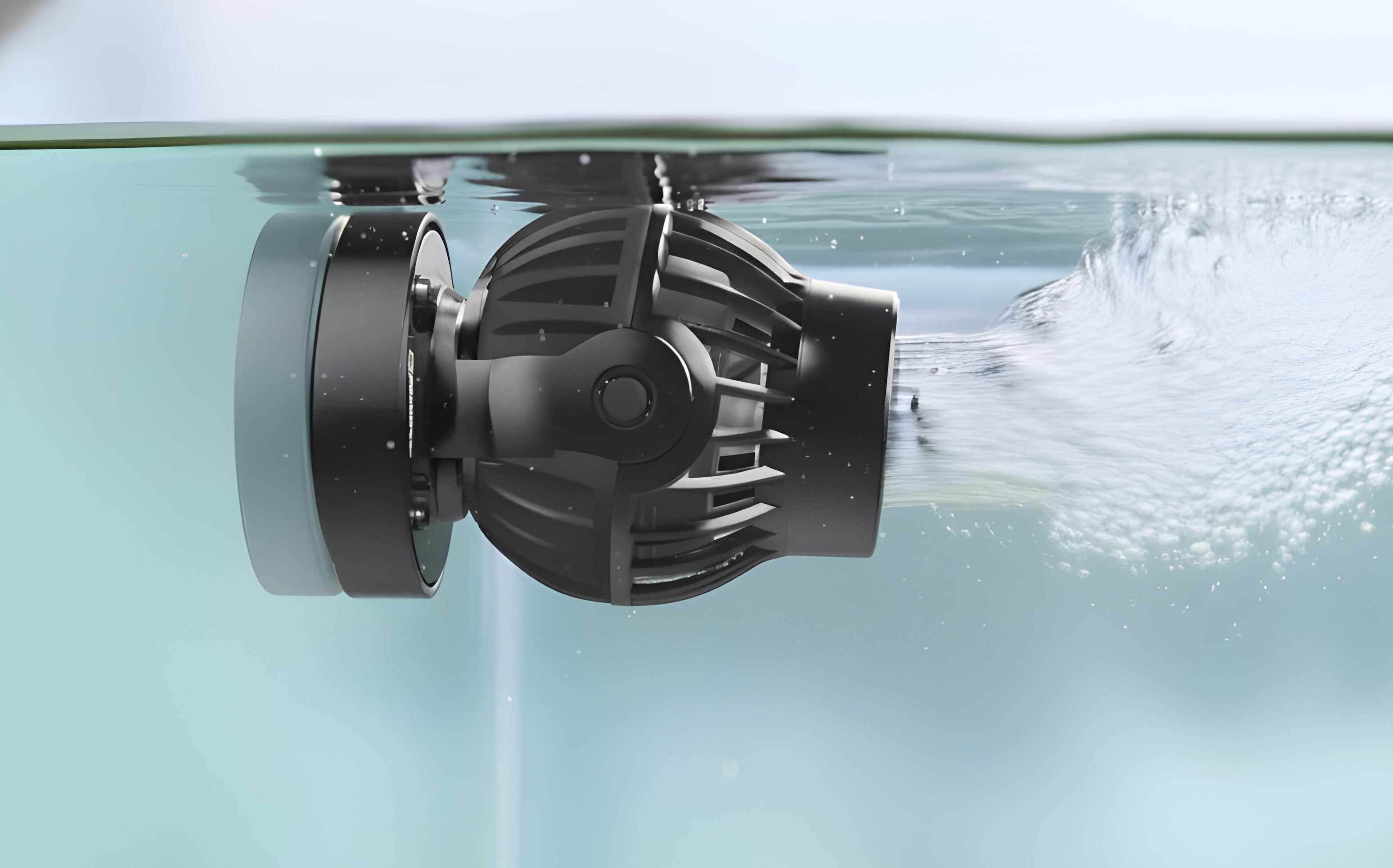
If you walk into a local fish store today, the wall of pumps can be overwhelming. You’ll see boxes labeled "powerhead," others labeled "circulation pump," and some sporting the "wavemaker" tag. To the uninitiated, they all look like propellers in a plastic cage. However, the use of aquarium wave makers involves a specific type of technology designed to move water in a very particular way.
Defining the Difference: Wavemakers vs. Circulation Pumps vs. Powerheads
Let’s clear up the confusion right away. According to the experts at Aquarium Science, these terms are often used interchangeably by manufacturers, which is a headache for us hobbyists.
- The Powerhead: Originally, these were designed to sit on top of under-gravel filter tubes. They suck water in from the bottom and blast it out of a narrow nozzle. Think of a powerhead like a pressure washer: it’s a high-velocity, narrow jet of water. Great for moving water from point A to point B, but not great for a gentle environment.
- The Circulation Pump: This is a bladed propeller pump. Instead of a narrow jet, it moves a huge volume of water across a broad front. It’s more like a ceiling fan than a pressure washer.
- The Wave Maker: Strictly speaking, a wavemaker is the controller -the "brain" that tells your pumps when to turn on and off. However, in modern hobbyist speak, we usually call the whole unit (the pump + the controller) a wavemaker.
The primary goal of aquarium wave makers is to create "to and fro" movement rather than just a constant, one-way stream.
How Wavemakers Mimic the Natural World
Nature is rarely still. Whether it’s the crashing surf of a Caribbean reef or the steady tug of an Amazonian tributary, aquatic life has evolved in moving water. In a glass box, water tends to become "laminar"- it moves in one direction and stays that way, or it doesn't move at all.
Wavemakers break this cycle. By using electronic controllers to pulse the motor, they create a surge. This simulates the ebb and flow of the tides. When you see your soft corals swaying back and forth or your plants gently nodding in the current, you aren't just seeing a "cool effect", you’re seeing a replicated ecosystem. As noted by The UNISEAL Warehouse, these devices stimulate the water to drive life-sustaining processes that a static filter return simply cannot match.
The Biological "Why": Benefits for Fish, Corals, and Plants
Why does this movement matter? Is it just for aesthetics? Not even close. The biological benefits of the use of aquarium wave makers are foundational to the health of your livestock.
Oxygenation and Gas Exchange: Breathing Life into Your Water
We often think of "aeration" as bubbles coming from an air stone. While bubbles are great, the real magic happens at the surface of the water. This is called "gas exchange." Oxygen enters the water, and carbon dioxide escapes.
For this to happen efficiently, you need "surface agitation." A wavemaker pointed slightly upward creates a constant rolling of the surface. This prevents a "scum" or "biofilm" from forming that oily-looking layer that blocks gas exchange. But it goes deeper: at a microscopic level, sessile organisms like corals need water flow to pull oxygen into their tissues and push waste products away. Without it, they can literally suffocate in their own metabolic waste.
Exercise and Muscle Tone: Keeping Your Fish Fit
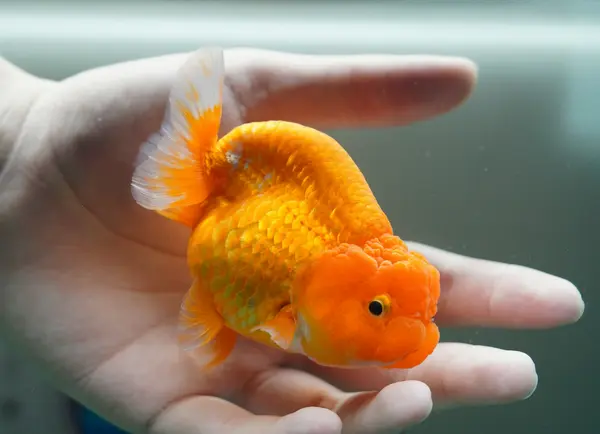
Think of a wavemaker as a treadmill for your fish. In a still tank, fish can become lethargic and, believe it or not, obese. This is especially true for powerful swimmers like Koi, Goldfish, or larger Cichlids.
According to ZKSJ, fish kept in calm environments often grow "short, thick, and obese," which isn't just an aesthetic issue- it's a health one. When you introduce a current, fish naturally swim against it. This builds muscle tone, improves heart health, and triggers natural schooling behaviors. I’ve noticed in my own tanks that when the wavemaker is on, my fish are more active, their colors are more vibrant, and they seem significantly more engaged with their environment.
Nutrient Delivery and Waste Removal for Corals and Plants
If you are a coral or a plant (I hope you are not), you can’t get up and go find a snack. You have to wait for the food to come to you.
In a reef tank, aquarium wave makers act as a delivery service, bringing plankton and dissolved nutrients directly into the "polyps" of the coral. Conversely, in a planted tank, the current ensures that your liquid fertilizers and CO2 reach the leaves in the back corner just as much as the ones in the front.
Furthermore, flow prevents "detritus" (fish poop and uneaten food) from settling. By keeping these particles suspended in the water column, the wavemaker gives your mechanical filter a second chance to catch them. As the experts suggests, a wavemaker is essentially a "helper" for your filter, making your maintenance routine much easier in the long run.
Wavemaker Technology: Propeller Pumps vs. Gyre Pumps
If you’ve decided that your tank needs more "flow," you’ll run into a fork in the road: do you go with a traditional propeller pump or the newer "Gyre" style?
Traditional Propeller Pumps: Versatility and Target Flow
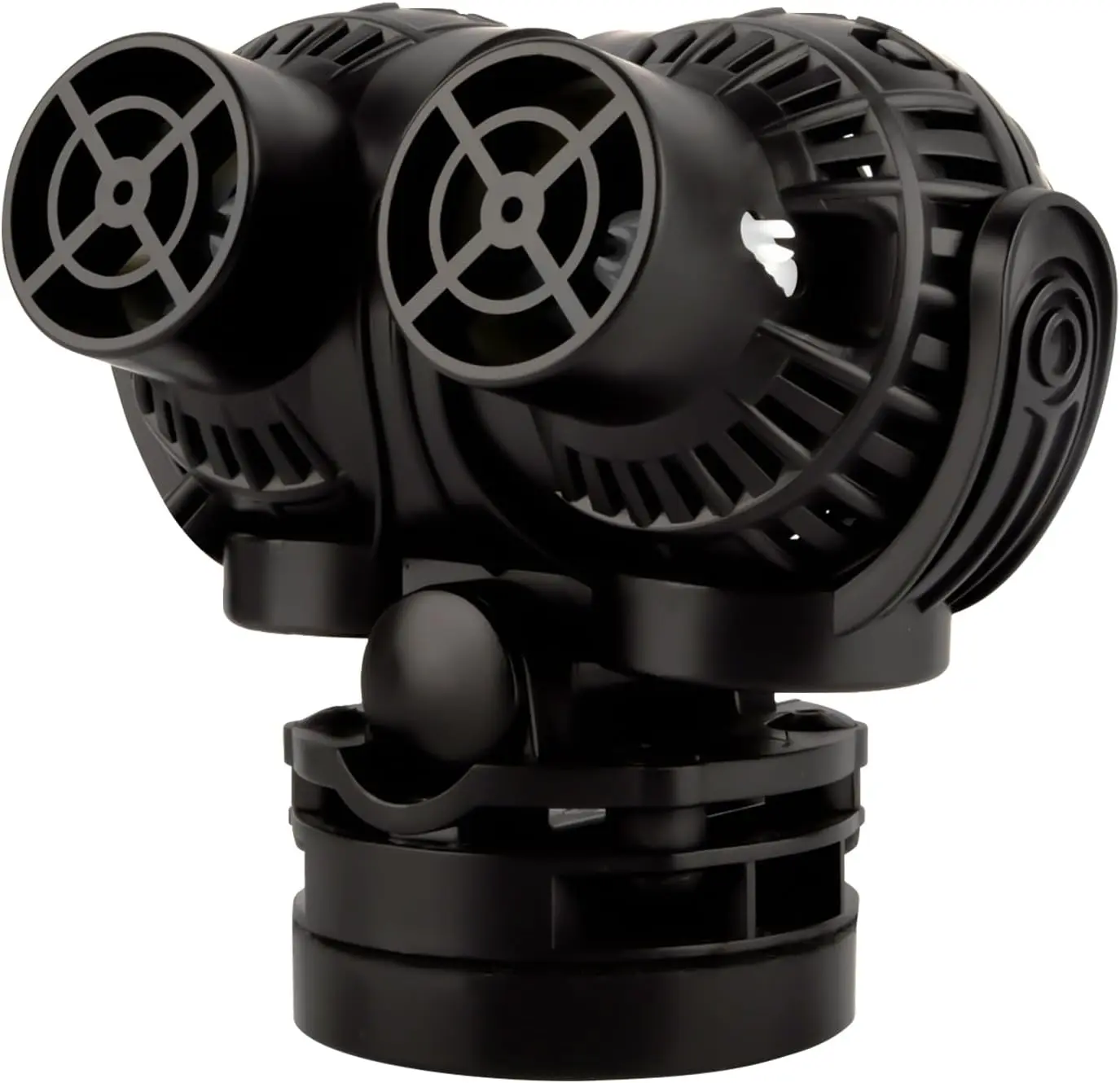
Propeller pumps are the classic choice. They look like little fans and are usually mounted to the glass with a magnet. Their biggest strength is versatility. You can aim them almost anywhere.
If you have a specific "dead spot" behind a large piece of driftwood or a rock formation, a propeller pump is your best friend. You can "aim" the flow precisely where it’s needed. Brands like Ecotech Marine (the VorTech series) have perfected this with "dry-side" motors that keep the heat out of the tank while providing massive, wide-angle flow.
Recommended products
We may earn from qualifying purchases
The Gyre Revolution: Creating Full-Tank Circulation
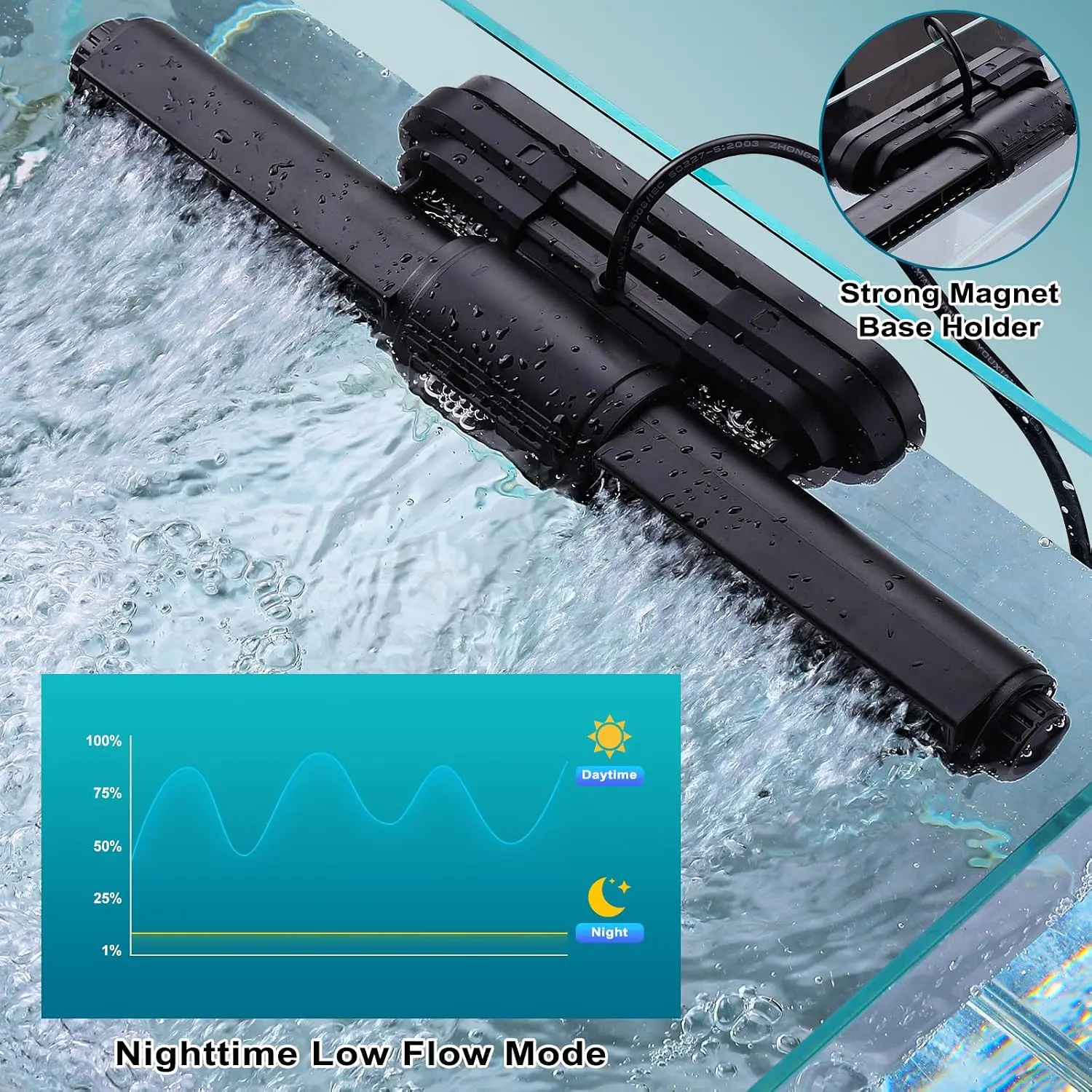
About ten years ago, a new player entered the market: the Gyre pump. Instead of a circular propeller, it uses "cross-flow" technology, essentially a long, cylindrical blade.
The goal of a Gyre pump isn't to blast a single area; it’s to move the entire mass of water in the tank. As BRStv Investigates famously explored, Gyre pumps create a circular motion that travels across the top of the tank, hits the opposite wall, travels down, and returns along the bottom. This creates a "total tank turnover" that is incredibly efficient for long, rectangular tanks. If you want to avoid "choppy" turbulence and instead have a smooth, massive river-like flow, the Gyre is the king of the mountain.
Recommended products
We may earn from qualifying purchases
AC vs. DC Power: Why the Motor Matters
This is where the tech gets a bit "nerdy," but it’s important for your wallet.
- AC Pumps: These are your "old school" pumps. They plug directly into the wall and usually run at one speed: 100%. If you want to create a wave, you have to use a controller that physically turns the power on and off, which can be noisy and hard on the motor.
- DC Pumps: These use a transformer to convert power to a lower voltage. They are "smart." Because they are DC, you can control the motor's speed with incredible precision. You can tell the pump to run at 10% during the night and 80% during the day. DC pumps are generally quieter, safer (lower voltage in the water), and much more energy-efficient.
Freshwater vs. Saltwater: Does Every Tank Need One?
I often hear freshwater hobbyists say, "Wavemakers are only for reef tanks." While it’s true that reefers require them, freshwater tanks can benefit immensely from them too.
Reef Tanks and Marine Environments: A Non-Negotiable Tool
In a saltwater reef, a wavemaker isn't an "option", it’s a life-support system. Most corals, especially SPS (Small Polyp Stony) corals, come from high-energy reef crests. Without massive water movement, they will "bleach" and die.
Marine tanks also struggle more with "pockets" of stagnant water where dangerous cyanobacteria can bloom. If you're building a reef, plan for aquarium wave makers from day one. You’ll want enough flow to "turn over" your tank volume at least 20 to 50 times per hour, depending on the corals you keep.
The Planted Tank Debate: Improving CO2 Distribution
In the freshwater world, specifically among "aquascapers," there’s a growing realization that flow is the secret to a carpet of lush green plants.
The biggest challenge in a high-tech planted tank is getting CO2 to every plant. Gas tends to rise. Without a wavemaker to push that CO2-rich water down to the "carpet" plants (like Dwarf Baby Tears), those plants will starve while the ones at the surface thrive. A discussion on r/PlantedTank highlights that a gentle wavemaker ensures "nutrient and CO2 distribution," preventing those frustrating patches of melting plants in the corners.
River Manifolds and High-Flow Freshwater Setups
Do you keep Hillstream Loaches, African Cichlids, or Rainbowfish? These species are "rheophilic" - meaning they love current. Using a wavemaker in a freshwater setup can help you create a "river manifold" effect. It transforms a boring, static tank into a dynamic environment where fish can play in the current. It’s a joy to watch Rainbowfish "surf" the waves of a well-placed pump.
Mastering Flow Modes: Pulse, Surge, and Random Turbulence
Once you’ve unboxed your shiny new wavemaker, the next question is: What setting do I use? Most modern DC pumps come with a controller that offers several "modes."
Finding the Right Rhythm: Pulse vs. Surge Modes
- Pulse Mode: This is the most popular setting. The pump turns on and off (or high and low) in short bursts - say, every 2 seconds. If timed correctly with the length of your tank, you can create a "standing wave" where the water literally rocks back and forth.
- Surge Mode: Similar to pulse, but the duration is longer. It might stay on for 30 seconds and then go low for 30 seconds. This mimics deeper ocean currents or "lagoon" environments. Current USA recommends surge mode for larger, longer tanks where you want the water to travel further before the pump slows down.
Synchronized vs. Anti-Sync: Using Multiple Pumps
If you have two pumps, you can make them "talk" to each other.
- Synchronized: Both pumps pulse at the same time. This creates a massive push of water in one direction.
- Anti-Sync: While one pump is at 100%, the other is at 10%. This creates a "back and forth" motion that is incredibly effective at keeping detritus off the bottom.
- Random/Reef Mode: This is my personal favorite. The controller uses an algorithm to vary the speed and rhythm randomly. This is the best way to prevent "laminar flow" and ensures that no part of the tank gets hit with the same current for too long.
Strategic Placement: Where to Mount Your Wave Maker
Placement is an art form.
- Upper Third: Best for surface agitation and oxygenation.
- Middle: Best for general circulation and coral health.
- Behind Rocks: Use a small "nano" pump to blow out the "dead zones" where poop tends to collect.
A pro-tip: Always watch your sandbed. If you see a "dune" forming or your sand is blowing around, your pump is either too powerful or pointed too low. You want the water to move, not the substrate.
Troubleshooting and Safety: Noise, Heat, and Livestock Protection
No piece of equipment is perfect. Before you plug in, there are a few "gotchas" you should be aware of.
Managing Noise and Vibration
One of the most common complaints about aquarium wave makers is the "hum." This is especially true with cheaper AC models. The constant starting and stopping can create a clicking sound that is enough to drive anyone crazy.
Even more importantly, fish are sensitive to sound. A study from the NIH on zebrafish showed that mechanical noise can cause behavioral changes and stress. To keep your fish happy (and your living room quiet), look for pumps with "Sine Wave" technology. This makes the motor transition between speeds much more smoothly and silently. Also, ensure the magnetic mounts have rubber dampeners to prevent the glass from acting like a speaker.
Protecting Small Residents: The Danger of Intakes
I’ll never forget the day I found one of my favorite Bubble Tip Anemones half-sucked into a wavemaker. It was a heartbreaking "rookie mistake."
The propellers inside these pumps spin at thousands of RPMs. Small fish, shrimp, and wandering anemones can easily be pulled into the intake. If you keep "movers" like anemones, always use a foam guard or a "nem-protect" mesh over your pump. Most manufacturers sell these separately, and they are worth every penny.
Maintenance: Keeping the Flow Consistent
A wavemaker is a magnet- literally. Not just to your glass, but to calcium, algae, and snails. Over time, "coralline algae" (in saltwater) or "limestone deposits" (in hard freshwater) will build up on the impeller.
If you notice your pump getting louder or moving less water, it’s time for a vinegar bath. Once every few months, soak the wet-side of the pump in a 50/50 mix of water and white vinegar for a few hours. This dissolves the buildup and keeps the motor running cool. A neglected pump will eventually overheat and seize up, often right when you're on vacation.
Final Verdict: Do You Really Need One?
We’ve covered a lot of ground from the physics of "Gyre flow" to the "treadmill" for your Koi. But let’s get down to the bottom line.
The "Minimum Flow" Checklist
You probably DO need a wavemaker if:
- You have a reef tank (this is a 100% yes).
- You have a planted tank over 30 gallons and struggle with algae or "melting" plants.
- You notice "dead spots" where waste collects despite having a good filter.
- Your fish seem lethargic or are prone to obesity.
- You have a long tank (4 feet or more) where the filter return can’t reach the opposite side.
When You Can Skip the Wavemaker
You probably DO NOT need one if:
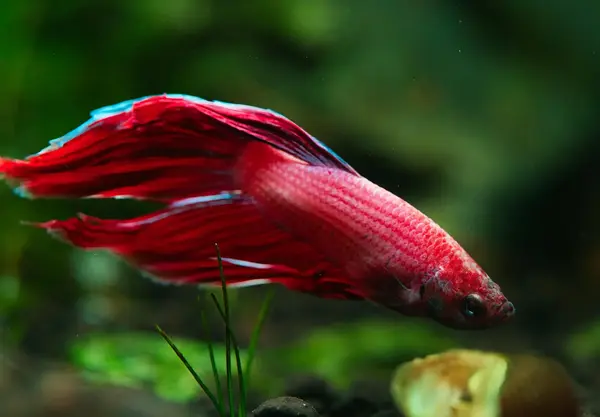
- You keep Bettas, Fancy Guppies, or other long-finned fish that are easily blown around.
- You have a very small "nano" tank where the filter flow is already overwhelming.
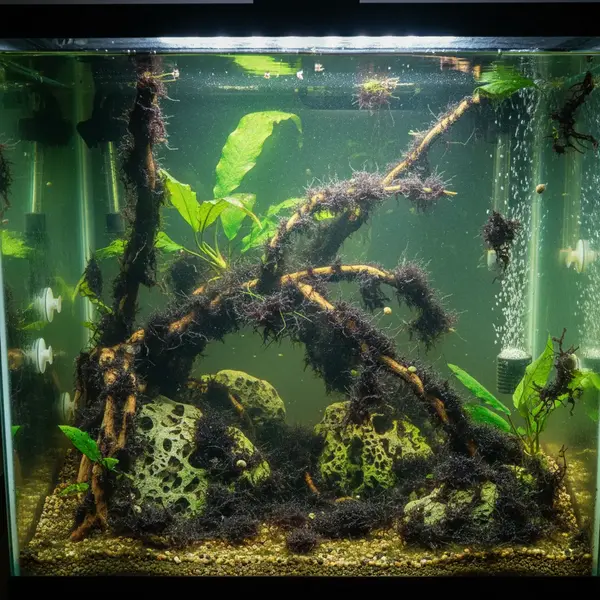
- You keep "blackwater" species that prefer stagnant, swamp-like conditions.
For a 10-US-gallon tank with one betta, focus on a suitable overall setup. The Betta Setup Planner helps you assemble the equipment checklist and account for what you already own.
Investing in Your Tank’s Future
The use of aquarium wave makers is ultimately about moving from "keeping fish alive" to "helping fish thrive." By breaking up the stagnation of a closed system, you are giving your aquatic pets a slice of the wild.
If you're on the fence, start with a budget-friendly DC controllable pump. The ability to dial in the flow and watch your ecosystem respond in real-time is one of the most rewarding parts of the hobby. Your corals will open wider, your plants will grow straighter, and your fish will thank you with more activity and brighter colors.
Frequently Asked Questions
What is the actual difference between a powerhead and a wavemaker?
It’s the most confusing terminology in the hobby! Traditionally, a powerhead is a pump that pushes a narrow, high-pressure jet of water (think of a garden hose). A wavemaker (or circulation pump) uses a propeller to move a much larger volume of water in a broad, gentle stream (more like a desk fan). Modern wavemakers also come with controllers that pulse the motor to create an actual "wave" effect, whereas basic powerheads just run at one constant speed.
Is a wavemaker really necessary for a freshwater tank?
While not "mandatory" like they are for reef tanks, they are highly beneficial. If you have a planted tank, a wavemaker ensures your CO2 and fertilizers reach every leaf, preventing "dead zones" where algae loves to grow. For fish like Goldfish or large Cichlids, the current provides essential exercise, preventing them from becoming "short, thick, and obese" and helping them maintain a more natural, athletic body shape.
Can a wavemaker suck in and kill my fish?
Unfortunately, yes, if the intake isn't protected. Small fish, shrimp, or wandering anemones can be pulled into the propeller. Always look for a pump with a fine intake grill, or better yet, add a foam pre-filter guard if you have tiny residents or "movers" like anemones.
Will adding a wavemaker make my aquarium noisy?
It depends on the motor. Older AC-powered pumps can make a "clicking" or "humming" sound, especially when they pulse on and off. Modern DC (Direct Current) pumps are significantly quieter. This isn't just for your ears. Studies show that constant mechanical noise can actually stress fish out and change their behavior, so investing in a "Sine Wave" or quiet-drive DC pump is a win for everyone.
Where is the best place to position my pump?
A good rule of thumb is to place it in the upper third of the tank, angled slightly toward the surface. This creates "surface agitation," which is how oxygen gets into your water. If you notice waste collecting on the sand in a specific corner, you can add a second, smaller pump lower down to "sweep" that area toward your filter intake.
How often do I need to clean it?
You should aim for a deep clean every 3 to 6 months. Algae, calcium, and "biofilm" will build up on the internal impeller, which can slow the pump down or even cause the motor to burn out. A quick soak in a 50/50 mix of white vinegar and water will dissolve the gunk and keep the flow strong.
Does "more flow" always mean "better tank"?
Not necessarily! You have to match the flow to your residents. A high-energy reef or a river-style tank loves a wavemaker. However, fish with long, flowy fins, like Bettas or Fancy Guppies, can become exhausted and stressed if they are constantly fighting a heavy current. Always observe your fish; if they are struggling to stay in one place or hiding behind rocks to escape the wind, turn the flow down.