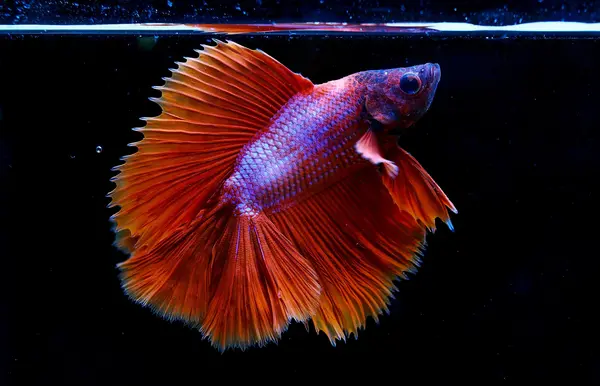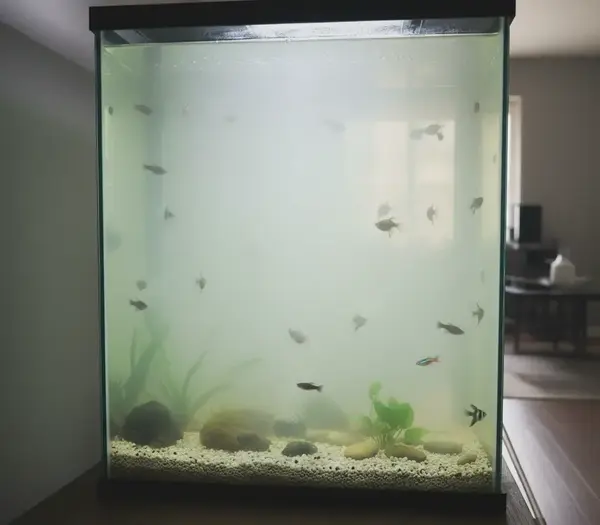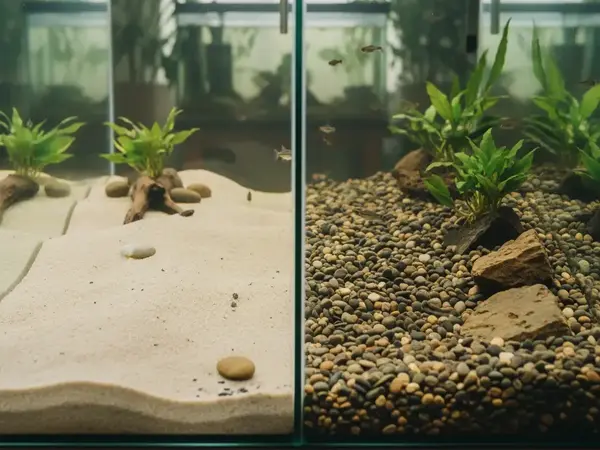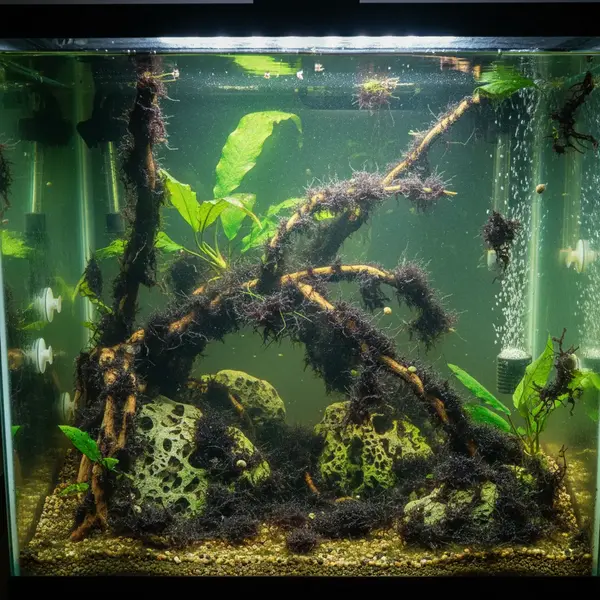
For many of us in the aquarium hobby, the Betta fish is the ultimate gateway pet. With their iridescent scales and flowing, ethereal fins, they are the living jewels of the aquatic world. However, one of the most disheartening sights a hobbyist can face is coming home to find their once-vibrant companion looking shrunken. Instead of the majestic, wide-spread display you are used to, your Betta’s fins are held tight against its body, appearing shriveled or stuck.
This condition is known as betta fish clamped fins, and it is one of the most common physical signals that something is wrong in your underwater world.
While seeing a clamped fin betta can be alarming, it is important to remember that clamping itself is not a specific disease. Rather, it is a symptom—a physiological and behavioral response to stress or illness. In scientific terms, it is a non-specific indicator of poor welfare, often linked to elevated cortisol levels and osmotic stress. In this comprehensive guide, we are going to dive deep into why this happens, how to treat it, and how to ensure your Betta returns to its full, flowing glory.
Understanding Betta Fish Clamped Fins: Signs and Symptoms
Before we can fix the problem, we must accurately identify it. Many new hobbyists mistake natural resting behavior for illness, or conversely, ignore early warning signs of a fin clamp betta until it is too late.
Recognizing the Signs: Clamped, Closed, or Clumped Together
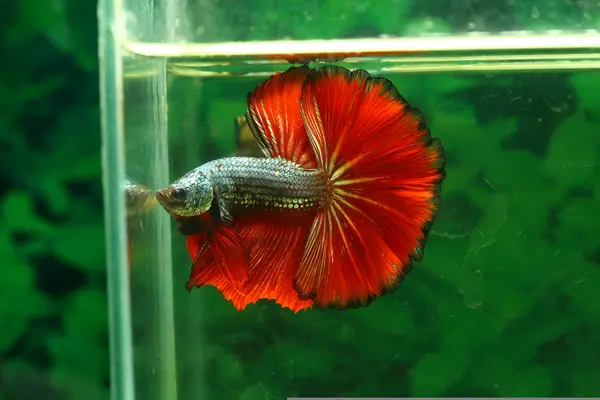
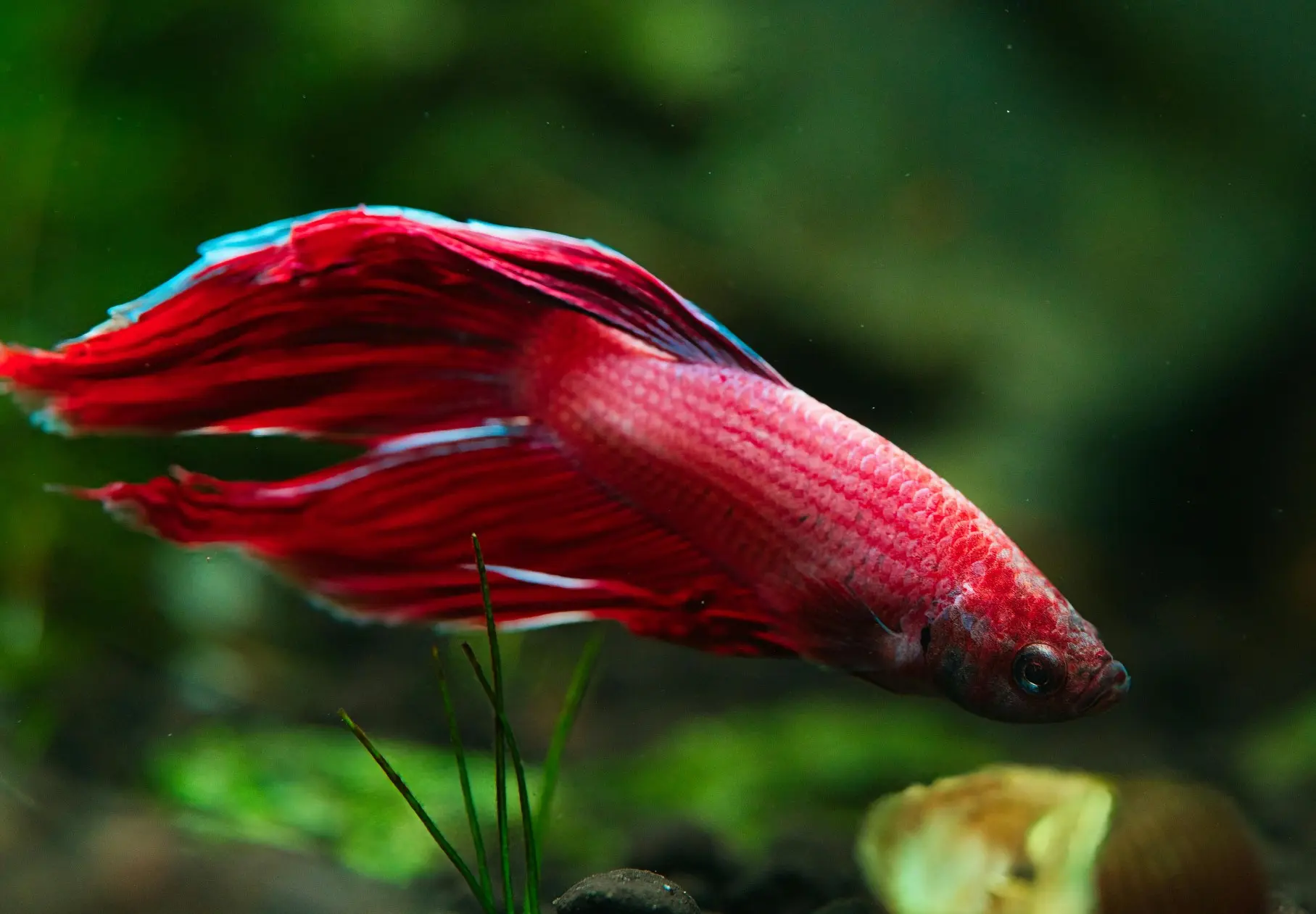
When we talk about betta fish fins clumped together, we are describing a specific physical posture. In a healthy state, a Betta’s dorsal (top), anal (bottom), and caudal (tail) fins should be spread wide, even when the fish is stationary.
When a fish clamps, it pulls these fins tight against its body. The fins may look like they have been glued together or as if they are too heavy for the fish to lift. If you notice your betta fish closed fins looking more like a single spike rather than a fan, you are likely dealing with clamping. Research published via Cambridge University Press indicates that such behavioral suppression is a primary indicator of environmental inadequacy.
The Anatomy of Clamping
To understand clamping, you must understand the musculature of the Betta. Bettas have small muscles at the base of each fin ray (lepidotrichia). When a Betta is healthy, these muscles are relaxed or used for active display. Clamping is essentially a continuous flex or muscle contraction.
- The Dorsal Fin: Located on the top, this acts as a stabilizer. If this is pinned flat against the back, it usually indicates acute environmental stress.
- The Caudal Fin (Tail): This is the engine. When it is clumped into a "broomstick" shape, the fish loses its ability to navigate accurately, leading to the lethargy you observe.
- The Pelvic Fins: Often overlooked, these are the two long, thin fins hanging below the chest. If these are held tight against the belly, it is a sign of internal discomfort or parasitic irritation.
Distinguishing Clamped Fins from Natural Sleep and Resting
Bettas are notorious for their odd resting positions. It is not uncommon to find a Betta squeezed between a heater and the glass or lounging on a leaf. During these periods of rest, their fins may naturally relax and appear slightly less flared.
The key difference lies in the reaction. A healthy, resting Betta will immediately fan its fins out upon waking or during feeding time. A clamped fin betta will remain tightly shut even when swimming or hunting for food. If the fins stay pinned for more than an hour, it is time to investigate.
Behavioral Indicators: Lethargy and Loss of Appetite
Clamped fins rarely happen in a vacuum. Usually, they are accompanied by other signs of distress:
- Lethargy: Your fish stays at the bottom of the tank or hides in corners.
- Appetite Loss: Ignoring high-quality pellets or frozen treats.
- Paling Colors: The brilliant reds or blues of your Betta may look dull or washed out.
Identifying the Root Cause: Why Is Your Betta’s Fin Clamped?
To effectively apply a betta fin clamp treatment, you must first identify the stressor. If you treat for a disease but the water quality is poor, the fins will remain clamped.
Poor Water Quality: The Number One Culprit
By far, the most frequent cause of betta fish clamped fins is poor water chemistry. While Bettas are hardy, they are highly sensitive to nitrogenous waste. According to a review on Ammonia Toxicity in Fish (PMC), excessive disrupts ion homeostasis, which manifests physically as fin clamping.
The Silent Killers: Ammonia, Nitrite, and Nitrate
Most hobbyists know these words, but few understand the biological mechanism of how they cause clamping.
- Ammonia (/): This is the primary waste product. In high pH environments, Ammonia is highly toxic. It causes "Ammonia Burn," which literally destroys the delicate cells on the edges of the fins. The fish clamps to protect the remaining tissue from further chemical exposure.
- Nitrite (): This causes "Brown Blood Disease" (Methemoglobinemia). It prevents the fish's blood from carrying oxygen. A gasping fish will almost always be a clamped fish, as it lacks the energy to hold its fins open.
- Nitrate (): While less toxic, chronic exposure to high Nitrates (> 40 ppm) leads to a suppressed immune system. This is often where "Old Tank Syndrome" sets in, the water looks clear, but the chemistry is "tired" and mineral-depleted.
Temperature Shock and Inadequate Heating
Bettas are tropical fish whose metabolic and immune systems are entirely dependent on their environment. Research indicates that the optimal temperature for Betta splendens is approximately (). Temperatures falling below this range slow the immune response, making the fish susceptible to opportunistic pathogens. A study on physiological responses in Betta showed that deviations from the optimal temperature significantly increase blood glucose levels, a classic sign of metabolic stress.
Chronic Stress: Tank Mates, Lighting, and Noise
Sometimes the water is perfect, but the environment is hostile.
- Aggressive Tank Mates: If a Betta is being nipped at or intimidated, it will clamp its fins to appear smaller and less threatening.
- Excessive Lighting: Keeping high-intensity LED lights on for too long can cause significant anxiety.
- High Flow: If your filter creates a whirlpool effect, your Betta will clamp its fins to reduce drag as it struggles to swim.
Troubleshooting: Betta Clamped Fins After Water Change
It is a scenario every hobbyist fears: you perform a routine cleaning to improve your fish’s life, only to find a betta clamped fins after water change an hour later.
The Shock Factor: Temperature and pH Fluctuations
The most common reason for clamping after maintenance is osmotic shock. If the new water is more than () different from the tank water, or if the pH has shifted significantly, the fish's cells struggle to regulate. This sudden shift causes the fish to clamp up as its body tries to stabilize its internal equilibrium.
The Science of Osmotic Shock
When you change water, you aren't just changing "dirty" water for "clean" water; you are changing the Total Dissolved Solids (TDS). If your tank water has evaporated, the minerals are concentrated. Adding 50% fresh tap water suddenly "thins" the water. This causes water to rush into the fish's cells too quickly through osmosis. To avoid it, if your tank has been neglected, do four water changes over two days rather than one change.
Chlorine and Heavy Metal Toxicity
If you forget to use a high-quality water conditioner, the results are immediate. Chlorine destroys the protective slime coat on a Betta's fins. This leads to betta fish fins clumped together as the delicate tissue becomes irritated and inflamed.
Managing New Tank Syndrome and Beneficial Bacteria
Scrubbing filter media in tap water can kill beneficial bacteria, leading to an immediate spike in ammonia. If you see your betta top fin clamped shortly after a deep clean, check your ammonia levels immediately using a liquid test kit.
The Betta Fin Clamp Treatment Guide
Once you have identified the likely cause, it is time to take action. The goal of betta fin clamp treatment is to reduce stress and provide a clean, healing environment.
Immediate First Aid: Water Testing and Correction
The first step is always a water test. Use a liquid test kit to check Ammonia, Nitrite, and Nitrate.
- If levels are high, perform a 25% water change.
- Avoid 100% water changes, as this adds further stress.
- Ensure the new water is exactly the same temperature as the tank water.
Using Aquarium Salt and Natural Remedies
For mild cases of fin clamp betta, salt can be a miracle worker. Scientific data published in PubMed Central suggests that the addition of small amounts of salt to freshwater aquaria can reduce disease and improve fish growth by aiding in osmoregulation.
- Indian Almond Leaves (Catappa Leaves): These release tannins into the water, creating a "blackwater" environment. Tannins (tannic acid) have been shown to have anti-inflammatory properties, helping to soothe the fish's skin and reduce cortisol levels.
The 10-Day Salt & Tannin Protocol
If you see your betta fish fins clumped together, follow this specific protocol:
- Days 1-3: Introduce 1 teaspoon of Aquarium Salt per 5 gallons, dissolved in a cup of tank water first. Add 1 large Indian Almond Leaf per 5 gallons.
- Days 4-7: Observe behavior. If the betta top fin clamped begins to lift, do a 20% water change but do not add more salt. You want to slowly dilute the salt concentration.
- Days 8-10: Final water change. By now, the tannins should have turned the water a tea color. This acidity helps prevent secondary fungal infections like Fin Rot.
When to Use Medication: Targeting Bacterial and Parasitic Infections
If water changes and salt do not work after 48-72 hours, the clamping might be due to an underlying infection. Look for secondary signs like white fuzz or gold dust. Use a broad-spectrum treatment like Seachem ParaGuard or API General Cure, following the dosage instructions strictly.
To Quarantine or Not to Quarantine?
While mild betta fish clamped fins can be treated in the main aquarium, severe cases involving contagious pathogens require a "Hospital Tank."
- The Setup: A simple 3-5 gallon bare-bottom tank is ideal. No gravel allows you to monitor waste and ensures medications aren't absorbed by the substrate.
- Controlled Dosing: Medications like Kanaplex or Furan-2 are expensive and hard on beneficial bacteria. Treating in a smaller hospital tank saves money and protects your main tank's cycle.
- Observation: Without the "clutter" of a display tank, you can see if the clamped fin betta is passing healthy waste or if there are signs of internal parasites (stringy white poop).
- Daily 50% Water Changes: In a hospital tank, you must manually export waste. This "freshness" is often the catalyst that triggers the fins to finally unfurl.
Recovery Expectations: Before and After Betta Clamped Fins
Recovery is rarely instantaneous. Understanding the timeline of a before and after betta clamped fins journey will help you stay patient.
Visual Progress: What Recovery Looks Like
The first sign of recovery is usually the betta top fin clamped starting to lift. The dorsal fin is often the most mobile. You will notice the clumping look begin to dissipate, and the fins will start to look feathered again rather than like a solid block.
Recovery Timelines: How Long Does Healing Take?
- 24-48 Hours: If the cause was temperature or a minor water quality spike, you should see improvement almost immediately.
- 1-2 Weeks: If the clamping was caused by a bacterial infection or severe stress, it may take weeks for the fins to fully unfurl and for the fish to regain its flare.
Documenting the Journey: The Before and After Checklist
Take a photo of your fish every morning. Comparing a Day 1 photo to a Day 5 photo can give you the confidence that your recovery plan is working. Tracking water parameters (, , , ) alongside these photos provides a complete picture of the recovery environment.
Specific Fin Concerns: Dorsal, Top, and Tail Issues
Not all clamping is created equal. Sometimes, only one part of the fish seems affected.
Addressing a Betta Dorsal Fin Clamped
When a betta dorsal fin clamped is the primary issue, it often points to external irritants. This fin is the most sensitive to nipping from other fish or damage from sharp plastic plants. Ensure your tank decor passes the pantyhose test. If it snags a pair of hose, it will snag a Betta's fin.
Dealing with a Betta Clamped Tail
The betta clamped tail is often seen in heavy-finned varieties. If the tail is clamped but the fish is still eating and active, it could be a sign of exhaustion. Large-finned Bettas struggle to swim in high-flow tanks. Try adding more resting spots near the surface, such as a Betta hammock or a floating log.
Breed-Specific Advice: Veiltail Betta Clamped Fins
The veiltail betta clamped fins are particularly prone to clumping because their fins are naturally long and thin. Because they lack the structural ribbing of a Crowntail, their fins can tangle more easily when the slime coat is compromised.
Betta Genetics and Clamping
Highly bred varieties like Double Tail or Rose Petal Bettas have massive fin surface areas. These "designer" genetics often come with a trade-off: weaker structural integrity in the fin rays. These fish are far more likely to experience clamping from minor stressors than wild-type Plakat Bettas.
Long-Term Prevention: Maintaining a Fin-Friendly Environment
The best way to deal with betta fish clamped fins is to ensure they never happen. This requires proactive care.
Establishing a Gold Standard Maintenance Routine
- Weekly 20% Water Changes: This prevents the slow build-up of nitrates.
- Monthly Filter Maintenance: Gently swish your filter sponge in dechlorinated tank water.
- Pre-Conditioning: Always mix your water conditioner and check your temperature before the new water touches the tank.
Optimal Nutrition for Fin Resilience
A fish with a strong immune system is less likely to clamp. Move away from generic fish flakes and toward high-protein Betta pellets.
The High-Protein Myth vs. Bioavailability
Not all proteins are created equal. Many Betta pellets use fish meal or wheat gluten as fillers, which can lead to constipation and swim bladder issues. Look for ingredients like Whole Salmon, Herring, or Black Soldier Fly Larvae. These provide the fatty acids needed for fin repair.
The Importance of Low-Flow Filtration and Enrichment
- Adjust Your Flow: Use a pre-filter sponge to slow down your filter.
- Live Plants: Plants like Anubias provide soft resting places.
- Visual Stimulation: Occasionally placing a mirror near the tank for 2-3 minutes allows the Betta to flare, which is essentially a workout for their fins.
If you're rebuilding a 10-US-gallon home for one betta, use the Betta Setup Planner to review your equipment and owned supplies before buying replacements.
Conclusion: Turning the Tide for Your Betta
Finding your betta fish clamped fins is undoubtedly stressful, but it is also an opportunity to become a more attuned hobbyist. By treating the water first, the environment second, and using medication only as a last resort, you provide your fish with the best possible chance at a full recovery.
Remember, a clamped fin betta is a fish that is asking for help. With the right water parameters, a splash of tannins, and a little bit of patience, you will soon see those fins unfurl once more.
Have you successfully treated a Betta with clamped fins? Share your before and after betta clamped fins stories in the social media and tag us. Let's help each other and grow our community!
Frequently Asked Questions about Betta Clamping
Can a Betta die from clamped fins?
Clamped fins themselves aren't fatal, but the cause behind them (ammonia poisoning, systemic infection, or extreme stress) can be. Think of it as a warning sign. If ignored, the underlying issue will likely lead to a secondary, fatal infection like Septicemia.
My Betta is eating but his fins are still clamped. Is he okay?
Eating is a great sign! It means the fish hasn't reached the point of total systemic collapse. However, the clamping means he is still in pain or discomfort. Continue with your betta fin clamp treatment protocol until the fins remain open for at least 48 hours straight.
Is 'clamped fins' the same as 'fin rot'?
No. Fin rot is the physical decaying or receding of the fin tissue (looking ragged or black-edged). Clamped fins is a postural behavior where the fins are intact but held shut. However, a fish with clamped fins often develops fin rot because their protective slime coat is weakened.
Why are my new Betta’s fins clamped?
This is likely "Acclimation Stress." The move from the pet store to your home involves different pH levels and temperatures. Ensure your tank is cycled and give the fish 24 hours of total darkness to settle in.