I still remember my first betta, a vibrant cobalt-blue Veiltail Siamese Fighting Fish named Hue. Like many first-time keepers, I bought him on a whim at a big-box pet store, carried him home in a plastic container no bigger than a soup bowl, and placed him in a decorative half-gallon vase on my desk. I thought I was doing everything right. But within six months, Hue’s fins began to tatter, his color faded, and he spent most of his time resting listlessly at the bottom.
It was a heartbreaking wake-up call. I realized that despite their reputation as beginner pets, these fish are complex, sentient creatures with specific needs. When we ask, "How long does the betta fish live?" we aren't just looking for a number; we’re looking for a promise of companionship. While the average fighter fish life expectancy is often cited as two to five years, the truth is that their longevity is almost entirely dependent on how we care for them.
In this deep dive, we’re going to move past the myths and explore the science and soul of betta care. Whether you’re a new hobbyist or a seasoned "betta parent," this guide will help you ensure your finned friend doesn't just survive, but thrives to bring joy to you.
For How Long Do Betta Fish Live? Understanding the Average Betta Fish Lifespan
The most common question in the hobby is: How long do I have with my fish? To answer that, we have to look at where they come from and the biological clock they carry.
Captive vs. Wild: Unpacking the 2-5 Year Reality
In the wild, a betta's life is a constant battle. They originate from the rice paddies, marshes, and slow-moving floodplains of Southeast Asia. In these environments, they face predators, seasonal droughts, and fluctuating water conditions. Consequently, a wild betta rarely lives past two years.
In captivity, however, we have the power to eliminate those threats. When kept in a climate-controlled, predator-free environment with a consistent food source, the betta fish lifespan jumps significantly. Most healthy captive bettas live between 3 and 5 years. Achieving that five-year mark is the "Gold Medal" of betta keeping it means you’ve mastered the art of betta fish care.
Read more on how they evolved from wild to captivity: Evolutionary History of Betta
The "Store Age" Factor: How Old is Your Betta at Purchase?
One thing many hobbyists forget is that your betta’s life doesn’t start the day you bring them home. Most male bettas sold in pet stores are already "teenagers" or young adults. Breeders wait until their fins are fully developed and their colors are vibrant before shipping them out, usually when the fish is between 6 and 12 months old.
If you buy a beautiful, long-finned male and he lives for three years in your tank, he likely reached a total age of nearly four. This is why some people feel "cheated" when their fish dies after two years; in reality, that fish may have lived a full, natural life. If you want the maximum amount of time with your pet, look for "Baby Bettas" or buy directly from breeders who can tell you the exact hatch date.
Genetic Factors: Do Certain Breeds Live Longer?
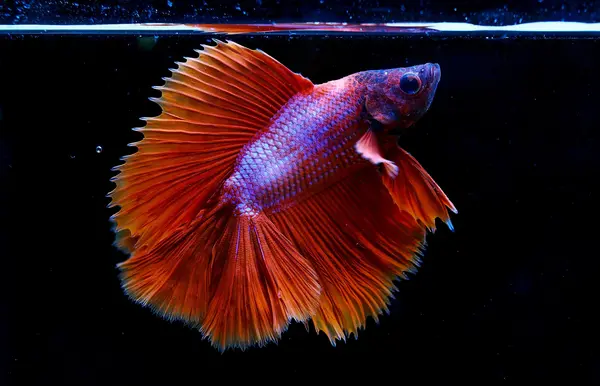
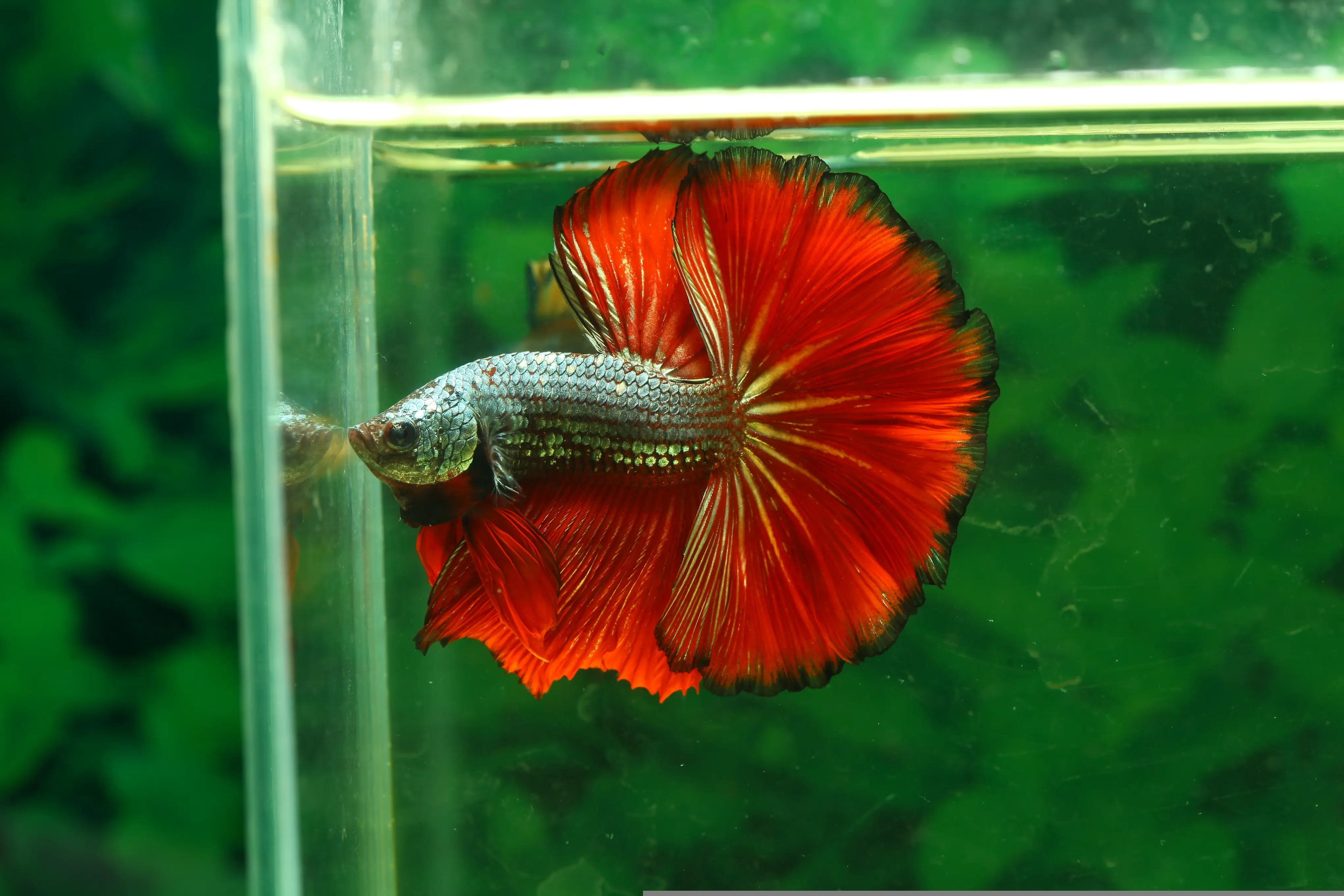
Not all Siamese Fighting Fish are created equal when it comes to genetics. The hobby has seen an explosion of "fancy" varieties - Rose Petals, Double Tails, and Crowntails. While stunning, some of these highly bred varieties can be more prone to health issues. For example, bettas with extremely heavy finnage (like the Halfmoon) may experience more stress and exhaustion as they age, which can indirectly impact their lifespan.
On the other end of the spectrum, Giant Bettas, which grow significantly larger than the standard Betta splendens, are often noted for their robustness. Giant Betta lifespans are often longer than the average betta. Some enthusiasts have reported Giants living up to 6 or 7 years, though their larger body mass requires even more diligent care and space.
But do remember, It is not simple as telling that Crowntail betta lifespan is much shorter than the hardier varieties like Giants. You have to understand the core reason of why and strive to create the right condition for them to keep them healthy.
Creating the Ultimate Habitat for Longevity
If you want to extend your betta fish lifespan, your biggest lever is the environment. Imagine living your entire life in a closet versus a well-ventilated house; the stress of the former would eventually take a toll on your health.
Beyond the Bowl: Why Tank Size is a Lifesaver
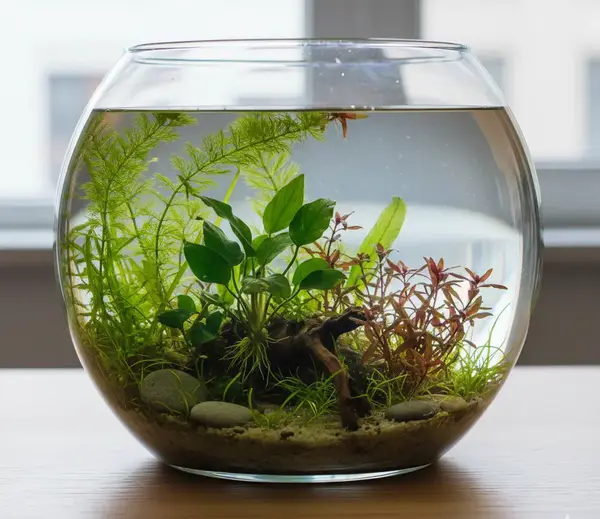
The "betta in a bowl" is perhaps the most damaging myth in the pet industry. Bettas are labyrinth fish, meaning they can breathe atmospheric air, which allows them to survive in oxygen-poor puddles during the dry season. But "surviving" isn't "thriving."
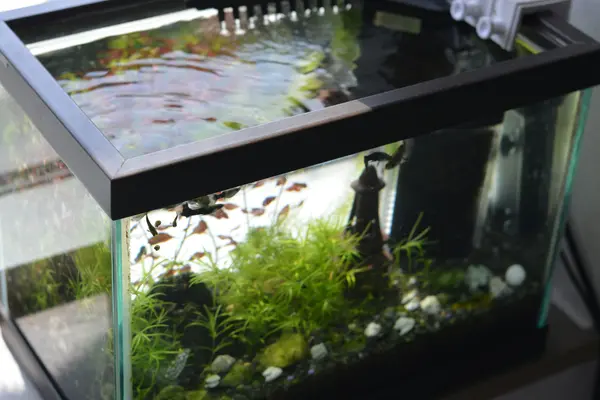
A small bowl gets dirty incredibly fast. Ammonia (from fish waste) builds up to toxic levels within days, burning the fish’s gills and skin. To maximize your betta's life, you should aim for a minimum of 5 gallons. A 5-gallon tank (or larger) provides enough water volume to dilute toxins and offers your fish space to swim and exercise, which keeps their muscles toned and their immune system strong.
Mastering Water Quality: The Nitrogen Cycle and Filtration
Water quality is the invisible foundation of a long life. Many beginners make the mistake of doing "100% water changes," where they scrub the tank clean every week. This actually kills the "beneficial bacteria" that keep your fish safe.
In a healthy tank, a process called the Nitrogen Cycle takes place:
- Fish produce Ammonia (toxic).
- Bacteria convert Ammonia into Nitrites (still toxic).
- Different bacteria convert Nitrites into Nitrates (less toxic).
By using a low-flow filter, you provide a home for these bacteria. Keeping your nitrates low (below 20ppm) through regular, partial water changes (25% once a week) is the single best way to prevent the chronic stress that leads to early death.
One thing I’ve learned the hard way: your betta doesn't need an environment with lab-perfect parameters as much as he needs a consistent one. Beginners often 'chase' water parameters with chemicals, creating a rollercoaster of chemistry that exhausts the fish's internal organs. To truly maximize his years, aim for 'stability over perfection.' A slightly high pH that stays rock-solid for months is infinitely safer than a 'perfect' pH that swings every time you do a water change.
The Importance of Temperature Stability and Heating
Siamese Fighting Fish are tropical fish. Their metabolism is tied directly to the temperature of the water. If the water is too cold (below 74°F), their digestive system slows down, their immune system becomes sluggish, and they become prone to infections.
A high-quality, adjustable heater is non-negotiable. Aim for a stable temperature between 78°F and 80°F. Consistency is key. Sudden swings in temperature can shock a betta's system, leading to a condition called "temperature shock" which can be fatal.
Nutritional Strategies for a Healthy, Long-Lived Betta
You are what you eat, and the same goes for your fish. A poor diet is a slow-motion way to shorten a betta fish lifespan.
High-Protein Diets: Choosing the Best Foods
Bettas are insectivores. In the wild, they snap up mosquito larvae, flies, and tiny crustaceans. They are not built to digest the heavy fillers (like corn or wheat) found in cheap fish flakes.
When shopping for food, look at the first three ingredients. You want to see things like "Whole Salmon," "Krill," or "Herring." High-quality pellets (like NorthFin or Hikari Bio-Gold) are designed to provide the specific amino acids bettas need for fin repair and immune health. Supplementing with frozen foods like bloodworms or brine shrimp once or twice a week provides a "nutrient boost" that mimics their natural diet.
The Dangers of Overfeeding and Digestive Health
A betta’s stomach is roughly the size of its eyeball. It is incredibly easy to overfeed them, which leads to a host of problems. Obesity in fish can cause organ failure, while constipation can lead to Swim Bladder Disorder, where the fish loses the ability to swim upright.
If your betta looks "bloated" or has a visible bump behind its pectoral fins, it’s likely overfed. Overfeeding also pollutes the water, as uneaten food rots and spikes ammonia levels.
Implementing a Healthy Feeding Schedule
The secret to a long-lived betta’s diet is "less is more."
- Daily Routine: Feed 2-3 small pellets, twice a day.
- Variety: Rotate between pellets and frozen treats.
- The Fasting Day: Many experts recommend "Fast-Day Sundays." By not feeding your fish one day a week, you allow their digestive tract to completely clear out, preventing the blockages that often plague older fish.
Proactive Health Management and Stress Reduction
Stress is the "silent killer" of the aquarium world. When a fish is stressed, its body produces cortisol, which suppresses the immune system and makes the fish vulnerable to bacteria that are naturally present in every tank.
The Invisible Clock: Managing the 'Cortisol Factor'
If we want to push past the three-year mark, we have to talk about cortisol - the stress hormone. In a betta’s tiny body, chronic stress isn't just an annoyance; it’s a physiological drain that physically shrinks their lifespan.
When a Siamese Fighting Fish is constantly flaring at a neighbor or struggling against a filter that feels like a treadmill, his body is in a 'fight or flight' state. This increases the cortisol level, which in turn suppresses his immune system, leaving the door wide open for bacteria that a happy fish would normally shrug off.
There is also excessive energy loss when the cortisol level increases. This is commonly known as “Metabolic Expense”. This happens because the fish uses a vast amount of its energy reserves to maintain a state of high alert. If this state is sustained, it can lead to “Flaring Exhaustion” and general physical decline.
The Hidden Killer: Identifying and Minimizing Stress
What stresses a betta?
- Strong Currents: Bettas have long, flowing fins that act like sails. If your filter flow is too strong, they have to swim constantly just to stay in place, leading to exhaustion.
- Reflection: If your tank light is too bright and the room is dark, your betta might see its reflection and "flare" at it all day. While flaring is natural, doing it for hours is like a human being in a state of "road rage" for 24 hours a day.
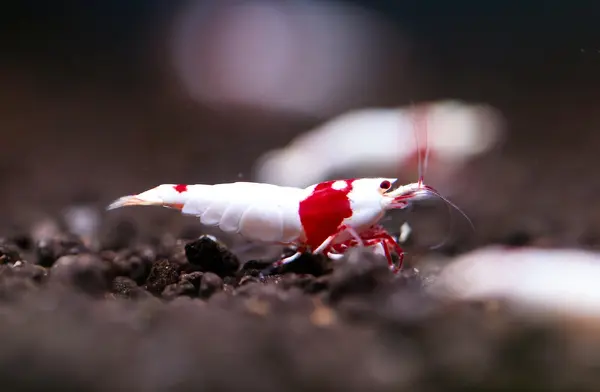
- Incompatible Mates: Bettas are territorial. While they can live with snails or shrimp, aggressive tank mates (like nippy tetras) will keep your betta in a state of high alert.
Common Diseases and Early Intervention
To protect your betta fish lifespan, you need to be a "fish detective." Every day, take a minute to look at your fish.
- Fin Rot: If the edges of the fins look ragged, black, or bloody, your water quality likely needs improvement.
- Ich: If the fish looks like it was sprinkled with salt, it has a parasitic infection.
- Velvet: If the fish has a "rusty" or gold dust appearance, it needs immediate treatment.
Early intervention is vital. Having a "fish first aid kit" with aquarium salt and a broad-spectrum anti-bacterial treatment can save a life when every hour counts.
The Role of Natural Tannins and Indian Almond Leaves
One of the best-kept secrets in the hobby is the use of Indian Almond Leaves (IAL). When these leaves soak in the water, they release tannins, which turn the water a light tea color. These tannins have mild antifungal and antibacterial properties. They also slightly lower the pH, mimicking the natural "blackwater" habitats of Southeast Asia. Adding a leaf to your tank is like giving your betta a natural spa treatment that bolsters its health.
Recognizing the Signs of Aging in Your Betta Fish
Eventually, even the best-cared-for betta will begin to show its age. Recognizing these signs helps you adjust your care to keep them comfortable in their "golden years."
Physical Indicators: Fading Colors and Tattered Fins
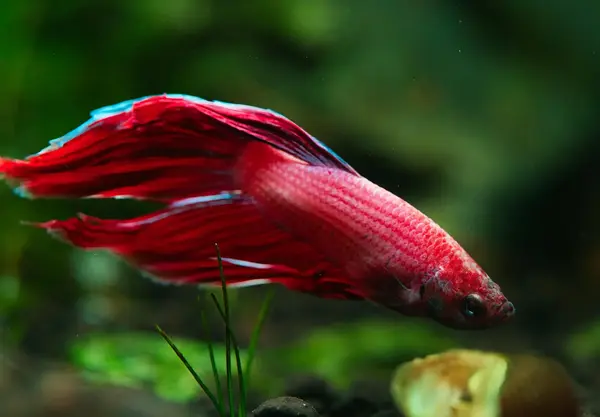
Just as humans get grey hair, bettas lose their luster. A vibrant red fish might start to look more orange or develop greyish patches around the face. You might also notice that their fins don't look as sharp as they used to; they may become slightly more brittle or prone to minor tears even in perfect water. This is a natural part of the aging process.
Behavioral Shifts: Energy Levels and Appetite Changes
An older betta (3+ years) will naturally slow down. You might find them resting on leaves or at the bottom of the tank more often. Their "flare" might not be as aggressive as it once was, and they may become slower to notice when it's feeding time. As long as they are still eating and don't show signs of distress, this is simply the slowing of their metabolism.
Senior Care: Modifying the Tank for an Elderly Betta
When your betta reaches old age, you can make a few "home modifications" to help them:
- Resting Spots: Add "betta hammocks" or broad-leafed plants (like Anubias) near the surface. This allows them to rest close to the air they need to breathe without having to swim all the way from the bottom.
- Lower the Water Level: If your fish is struggling to reach the surface, lowering the water level by an inch or two can make a huge difference.
- Gentle Filtration: If you haven't already, switch to a sponge filter. It provides oxygen and filtration without any current that might exhaust an old fish.
Expert Tips for Maximizing the Betta Fish Lifespan
If you want to go beyond the basics, here are the "pro tips" that separate the average keepers from the experts.
Breeder vs. Big Box: Where You Buy Matters
You can do everything right, but you can’t outrun bad genetics. If you are serious about betta fish lifespan, consider where you source your fish. Large pet chains often buy from mass-production farms where the focus is on quantity, not genetic health. This can lead to fish that are beautiful but have weakened immune systems.
Sourcing a fish from a dedicated breeder (either locally or online) often ensures the fish was raised in clean water with high-quality food from day one. These fish are generally hardier and live longer. If you can, seek out a breeder who focuses on 'form and vigor.' Look for a fish with clear eyes, a thick 'caudal peduncle' (the muscle where the tail meets the body), and a proactive, curious personality. A fish that is 'spunky' at the shop usually has the genetic stamina to go the distance.
Consistency is Key: The Power of Water Testing
You can't manage what you can't measure. An API Master Test Kit is the most important tool in your cabinet. Testing your water once a week tells you exactly when a water change is needed. Most "sudden" fish deaths aren't actually sudden; they are the result of weeks of creeping ammonia or rising nitrates that went unnoticed because the water "looked clean."
Mental Enrichment: Keeping Your Betta Engaged
Bettas are surprisingly intelligent. They can recognize their owners and even be trained to do simple tricks. A bored betta can become lethargic, which impacts their overall health.
- Rearrange Decor: Every few months, move a rock or a plant. It gives the fish a "new" territory to explore.
- Ping Pong Balls: Some bettas enjoy pushing a floating ping pong ball around the surface.
- Mirror Time: Once a week, hold a mirror up to the tank for 2 minutes. The "flaring" is great exercise and helps them clear their bowels, but keep it brief to avoid over-stressing them.
Final Thoughts: The Joy of the Journey
When I think back to Hue, my first betta, I think about the way he would swim to the glass whenever I sat at my desk, and how his vibrant blue scales seemed to glow under the light. He taught me that being a "pet owner" is actually about being a "steward." These fish aren't just decorations, they are interactive, intelligent companions.
We often focus on the fighter fish life expectancy as a statistic, but our goal is to beat the averages. By giving them a proper home, prioritizing water stability, and providing them with high-protein diet, you aren't just extending their life, you're ensuring that the time they do have is filled with comfort and health.
Enjoy your finned companion. Watch them closely, care for them deeply, and they will reward you with years of "splendid" beauty.
Frequently Asked Questions About Betta Longevity
Can a Betta Fish Really Live for 10 Years?
You will occasionally see claims on the internet of bettas living 10 or 12 years. While technically possible in the same way some humans live past 115, it is extremely rare. For the average hobbyist, reaching 5 years is a massive success. If your fish lives to 7, you are a master. Ten years is likely a case of "the fish died and my parents replaced it without me knowing," or a different species altogether.
Does Gender Affect How Long They Live?
There is some anecdotal evidence that female bettas live slightly longer than males. This might be because they don't have the heavy, cumbersome fins that can cause physical stress to males, and they aren't quite as prone to the extreme aggression-related stress. However, the difference is usually only a matter of months, not years.
Why Did My Betta Die Suddenly?
Sudden death is usually linked to one of three things:
- A Spike in Toxins: An "ammonia spike" caused by a dead snail or a piece of rotting food.
- Temperature Shock: A heater malfunctioning and "cooking" the fish or turning off during a cold night.
- Internal Parasites: Sometimes a fish carries internal issues that don't show outward symptoms until the very end.