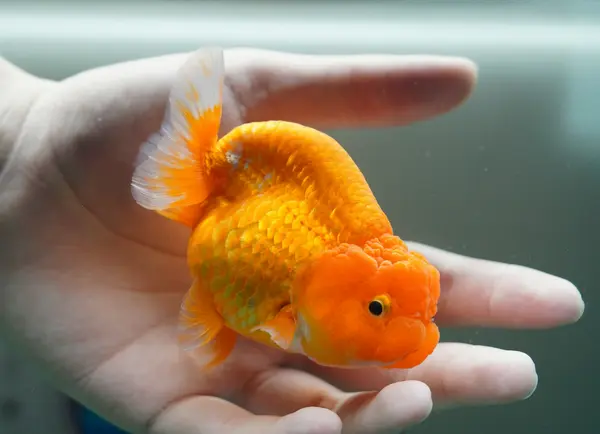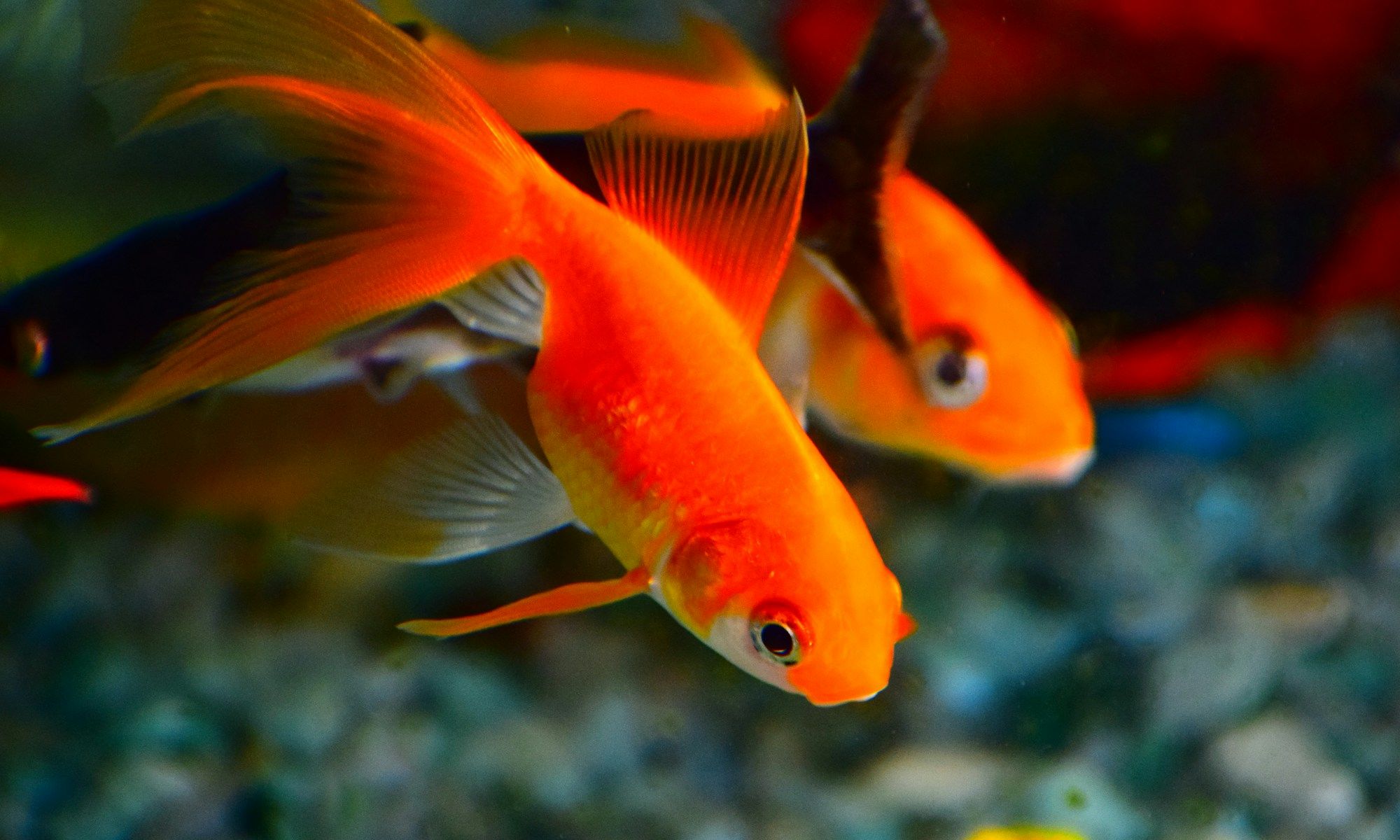
The image of a bright orange fish in a small glass bowl is one of the most enduring symbols of pet ownership. It is the first pet for millions, the prize from the local fair, and the silent resident of classrooms everywhere. But if you ask any experienced aquarist if goldfish are easy to take care of, you will likely get a nuanced sigh before a long explanation.
The truth is, goldfish are arguably the most misunderstood creatures in the hobby. They are hardy, yes, but easy is a relative term. To help you decide if these shimmering beauties are the right fit for your home, we are diving deep into the science, the myths, and the daily reality of goldfish keeping.
The Goldfish Myth vs. Reality: Why Starter Pet is a Misnomer
For decades, goldfish have been marketed as low-effort, set-it-and-forget-it pets. This misconception has led to more accidental fish deaths than perhaps any other factor in the hobby.
The Carnival Bag Legacy: Where the Misconception Began
The idea that goldfish are easy stems largely from their availability. Because they are inexpensive and can survive temporarily in poor conditions, they became the ultimate disposable pet. This carnival bag legacy suggests that if a fish dies in a week, it was just a bad fish, rather than a failure of the environment. In reality, the goldfish being handed out are often Common or Comet goldfish. These are breeds that actually require more space than almost any other standard aquarium fish.
Biological Resilience: Surviving vs. Thriving
Goldfish are descendants of the Prussian Carp, a species evolved to survive in stagnant, low-oxygen waters and fluctuating temperatures. This biological toughness allows them to survive in bowls where other fish would perish instantly. However, there is a massive difference between surviving, which includes stunted growth and lethargy, and thriving, which results in vibrant colors and social interaction.
The True Lifespan: More Than Just a Few Months
When kept properly, a fancy goldfish should live between 10 and 15 years, while single-tail varieties like Comets can live 20 to 30 years. According to Guinness World Records, Tish, lived to be 43. If your experience with goldfish involves them lasting only a year or two, it is a sign that their care requirements regarding water quality and space were not being met.
Setting the Right Expectations for New Keepers
Are they easy? If easy means they do not require the precise chemical buffering of a saltwater reef tank, then yes. But if easy means they require less work than a tropical community tank, the answer is a firm no. Goldfish keeping is a commitment to high-volume water management and long-term care.
Understanding Goldfish Biology: Why They Are Not Low Maintenance
To understand why goldfish require a specific level of care, we have to look at how their bodies function. They are unique among common aquarium fish and their physiology dictates the workload for the owner.
The Digestive System: Why They Produce So Much Waste
Goldfish are what biologists call physostomous and lack a true stomach. Instead, they have a long intestinal tract designed for constant foraging. Because they do not have a stomach to hold and break down large meals, food passes through them quickly and inefficiently. This results in a massive bio-load, which is a fancy way of saying they produce a high volume of waste. This waste breaks down into ammonia, which is toxic to fish.
Cold Water vs. Temperate: Managing Temperature Stability
While often labeled cold-water fish, goldfish are more accurately temperate. They can survive near-freezing temperatures, but they are most active and healthy in the 60–75°F (15–24°C) range, with fancy varieties preferring the warmer end (65–74°F) for better digestion range. The easy part is that you usually do not need a heater. The hard part is that in a small home aquarium, water temperatures can swing wildly, which stresses their immune systems.
Growth Potential: From Feeder to Giant
A common myth is that goldfish grow to the size of their tank. Scientific research published via PubMed shows that while external growth may slow in small tanks due to growth-inhibiting hormones, internal organs continue to develop, which can lead to health complications if the environment is too small. This leads to a painful and premature death. A common goldfish can easily reach 12 inches, while fancies can reach the size of a grapefruit.
Oxygen Requirements: The Need for High Surface Agitation
Goldfish require more oxygen than many tropical species. Because they are active and have high metabolic rates, they need water with high gas exchange, without that there can be many health challenges. A simple bowl has very little surface area relative to the volume of water, which is why you often see goldfish gulping at the surface as they struggle to breathe.
The Essentials of a Goldfish Habitat: Beyond the Bowl
If you want to make goldfish keeping easy for yourself, you have to start with the right equipment. The larger the volume of water, the more stable the chemistry, and the less work you have to do to fix problems.
Size Guidelines by Variety
Instead of a one-size-fits-all approach, consider the specific needs of the variety you choose.
- Fancy Goldfish (Orandas, Fantails, Black Moors): These require a minimum of 20 gallons for the first fish, with an additional 10 gallons for every fish added after that. They typically grow to 6 or 8 inches.
- Single-Tail Goldfish (Comets, Shubunkins): These are much larger and more active. They require 50 to 75 gallons for the first fish and an additional 20 gallons per fish. They can easily exceed 12 inches in length.
Filtration Strategies: Over-Filtering for High Bio-Loads
Because goldfish produce so much waste, you cannot rely on a standard filter rated for your tank size. A professional tip for making goldfish care easier is to double your filtration. If you have a 40-gallon tank, use a filter rated for 80 gallons. This provides the necessary surface area for beneficial bacteria to process ammonia into less harmful nitrates.
Substrate and Decor: Safety and Foraging Instincts
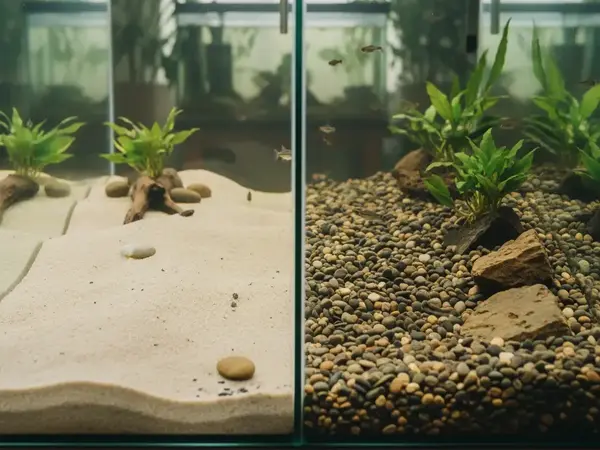
Goldfish are natural sifters. They spend their day picking up substrate and spitting it back out looking for food. This makes sand the ideal substrate. Large gravel can get stuck in their mouths, leading to emergencies. Additionally, fancy goldfish are often clumsy swimmers with delicate fins and protruding eyes. Decorations should be smooth, without any jagged edges that could cause injury.
The Nitrogen Cycle: The Critical Foundation of Success
You cannot put a goldfish into a brand-new tank on day one. You must first cycle the tank, establishing a colony of beneficial bacteria that converts toxic ammonia () into nitrite () and then into nitrate (). This process usually takes 4 to 6 weeks. Skipping this step is the primary reason why beginners find goldfish hard to keep, as the fish often succumb to New Tank Syndrome within the first month.
Maintenance Routines: What Does Daily Care Actually Look Like?
The ease of a pet is often measured by the weekly chores. For goldfish, these chores are non-negotiable if you want to avoid disease.
Water Changes: The Key to Long-Term Health
Nitrates, the end product of the nitrogen cycle, are only removed through manual water changes. Because goldfish are waste machines, you should expect to perform a 25% to 50% water change every single week. While this might sound daunting, with a modern gravel vacuum or a hose system that hooks to your sink, it takes about 15 to 20 minutes.
Testing Parameters: Ammonia, Nitrites, and Nitrates
To be a successful keeper, you need to monitor the water chemistry. Using a liquid test kit allows you to see the invisible killers in the water.
- Ammonia: Should always be 0 ppm.
- Nitrite: Should always be 0 ppm.
- Nitrate: Should be kept below 20 or 40 ppm.
The University of Florida (IFAS) explains how ammonia impacts the aquatic life.
Algae Management: Keeping a Clean Aesthetic
Goldfish tanks are prone to algae because of the high nitrate levels which acts as fertilizer. While algae is not inherently harmful to the fish, it can obscure your view. Managing light cycles by keeping lights on for only 6 to 8 hours and using a simple magnetic glass cleaner once a week will keep the tank looking pristine.
Feeding Schedules: Nutrition Without Overfeeding
Goldfish are beggars. They will act like they are starving every time you walk by the tank. However, overfeeding is a leading cause of water quality issues and swim bladder disease. Feed them high-quality sinking pellets to prevent them from gulping air at the surface and supplement with blanched vegetables like peas or spinach once or twice a week.
Common Health Challenges: Prevention and Treatment
Even with perfect care, goldfish have specific genetic predispositions that keepers need to be aware of.
Swim Bladder Issues: The Fancy Goldfish Struggle
Fancy goldfish have been bred for round, compact bodies. This often causes their internal organs to be compressed, leading to swim bladder issues. If your fish is floating upside down or struggling to stay submerged, it is often a digestive issue. The easy fix is fasting the fish for two days and then feeding a de-shelled, blanched pea.
Recognizing Ich and External Parasites
Ich or white spot disease looks like salt crystals sprinkled on the fish body. It is highly contagious but easily treatable with heat and aquarium salt if caught early. Because goldfish are generally robust, they tend to respond well to medication if the underlying water quality is corrected.
The Power of Clean Water as Preventative Medicine
Almost 90% of goldfish ailments, from fin rot to fungal infections, are caused by poor water quality. Before reaching for expensive medications, the first step is always a large water change. Clean water is the most powerful medicine in the hobby.
When to Quarantine: Protecting the Community
If you decide to add a second fish, never put it directly into your main tank. New fish often carry parasites or bacteria from the pet store. Keeping a new fish in a separate quarantine tank for 2 to 4 weeks is the hallmark of an advanced, thoughtful hobbyist. It prevents a single inexpensive fish from wiping out your entire established tank.
Goldfish Social Lives: Can They Have Tank Mates?
Are goldfish lonely? Do they need friends? While they do not have feelings in the human sense, they are social animals that benefit from company.
The Solitary vs. Social Debate
Goldfish are not aggressive or territorial. They are very peaceful and actually thrive in groups of their own kind. Watching several Orandas forage together is far more engaging than watching a single fish. However, more fish means more waste, so your tank size must accommodate the social group.
Compatible Species: Keeping it Temperate
Finding tank mates for goldfish is tricky because of their temperature requirements and their tendency to eat anything that fits in their mouths. Good companions include:
- Rosy Barb: Fast enough to avoid being eaten and enjoys the same temperatures.
- White Cloud Mountain Minnows: Great for larger tanks, though they might occasionally become a snack for a very large goldfish.
- Weather Loaches: Fascinating noodle-like fish that share the same temperate water needs.
Varieties That Work Together
It is generally best to keep Fancies with Fancies and Single-tails with Single-tails. Single-tails like Comets are much faster swimmers and will often eat all the food before the slower, clumsier Fancy varieties can get to it.
Enriching Their Environment for Mental Stimulation
Goldfish are surprisingly intelligent. They can recognize their owners, be trained to swim through hoops, and have a memory span much longer than a few seconds. Providing a varied diet and rearranging decorations occasionally provides mental stimulation that keeps them active and curious.
Is a Goldfish Right for You?
So, are goldfish easy to take care of?
If you are looking for a pet that requires zero maintenance and can live in a decorative bowl on a desk, then the answer is a resounding no. In that context, they are actually quite difficult because you will constantly be fighting against their biology.
However, if you are looking for a pet that is hardy, interactive, and beautiful, and you are willing to invest in a proper setup from the start, goldfish are incredibly rewarding. They become easy once the initial ecosystem is established. Once you have a cycled, over-filtered, large tank, the work simply becomes a 20-minute weekly ritual of refreshing their water.
Summing Up the Effort vs. Reward
The reward for this effort is a pet with a distinct personality that will be part of your family for a decade or more. They are the dogs of the fish world, always happy to see you and full of character.
The Long-Term Commitment Factor
Before buying a goldfish, ask yourself if you are ready to maintain this tank for years to come. If the answer is yes, you are ready for the wonderful world of goldfish keeping.
Taking Your First Steps
If you are ready to dive in, your next step should be researching a high-quality liquid test kit and an appropriately sized aquarium. Start with the environment, and the easy care will follow.