In the world of modern aquascaping, a dramatic shift has occurred. While the massive community tanks of the past still hold their charm, the nano movement has taken center stage. At the heart of this movement is the freshwater shrimp. These living jewels have transformed the hobby, offering a unique blend of vibrant color, complex social behavior, and essential ecosystem services within a footprint small enough for a home office desk.
For many, aquarium shrimp care represents the pinnacle of the nature aquarium philosophy. It is about creating a self-sustaining, balanced world where every inhabitant has a role. Shrimp are the ultimate janitors, tirelessly grazing on biofilm and algae, but they are also charismatic stars in their own right. Whether you are drawn to the fiery red of a Cherry Shrimp or the deep, translucent azure of a blue velvet shrimp, keeping these creatures is an exercise in observation and patience.
Choosing Your First Species: Neocaridina vs. Caridina
The first decision a new hobbyist makes is often the most critical. In the shrimp world, the two primary genera you encounter are Neocaridina and Caridina. While they look similar to the untrained eye, their care requirements are vastly different due to their evolutionary adaptations.
The Beginner’s Champion: Neocaridina (Cherry Shrimp and Beyond)
When people ask about the hardiest aquarium shrimp, the answer is almost always Neocaridina davidi. These are the all-terrain vehicles of the shrimp world. Originally from the rivers of Taiwan, these shrimp have been selectively bred into a rainbow of lines.
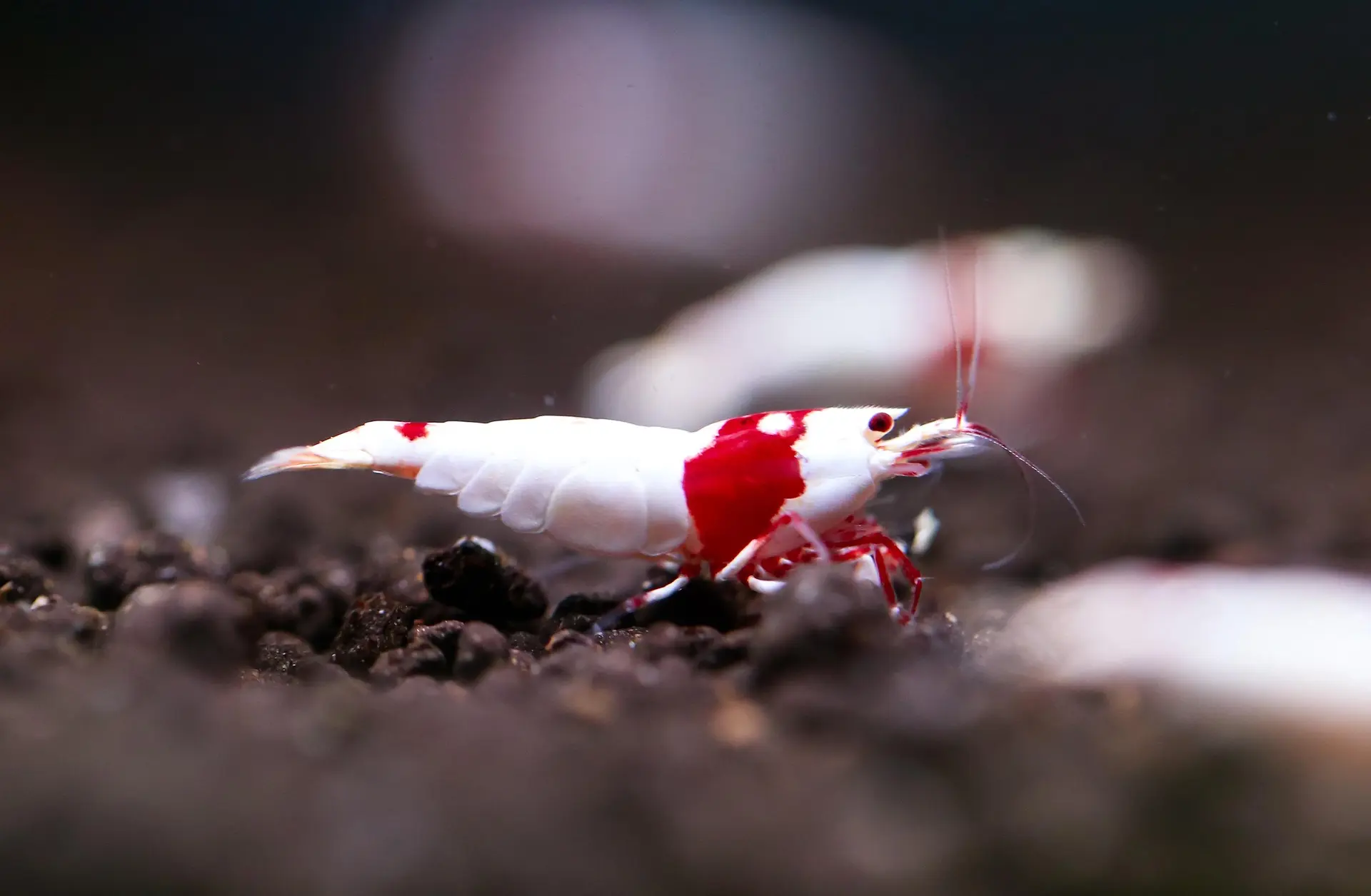
The red cherry shrimp is the classic, widely available, and incredibly hardy variety. However, many hobbyists now opt for the blue velvet shrimp care path due to their stunning deep blue coloration. Other variations include blue rili shrimp care and carbon rili shrimp care, which feature unique patterns where the color is broken by transparent sections.
While the Red Cherry is the most iconic, the expansion of the Rili and Carbon lines has revolutionized the aesthetic of nano tanks. Blue Rili and Carbon Rili shrimp care are essentially identical to their solid-colored cousins, but they offer a striking visual: a transparent window in the middle of their bodies. These patterns are the result of meticulous selective breeding in Taiwan.
When you start breeding blue velvet and red cherry shrimp together, you enter a genetic crossroads. Because these colors are recessive traits derived from the same wild ancestor, mixing them often results in Wild Type offspring. These are some of the hardiest freshwater shrimp you can find, but they revert to a camouflaged brown or clear appearance to survive in natural environments. If your goal is a high-end Blue Velvet colony, maintaining genetic purity is essential. According to the U.S. Fish and Wildlife Service ecological reports, these shrimp possess a high degree of environmental plasticity, which is why they are considered the easiest freshwater shrimp to keep. They simply adapt where others fail.
The Intermediate Challenge: Introduction to Caridina
On the other side of the spectrum lies the Caridina genus, including the famous Crystal Red and Crystal Blue shrimp. These are the high-performance inhabitants of the aquarium world: beautiful but very sensitive to their environment.
Unlike Neocaridinas, Caridinas require soft, acidic water and very low carbonate hardness (KH). For a beginner, starting with these often leads to frustration. To succeed with them, you generally need active substrates that buffer the pH down and a reliable source of pure water to which you add specific minerals. For this freshwater aquarium shrimp for beginners guide, we recommend mastering Neocaridina first.
The Perfect Shrimp Sanctuary: Hardware and Environment
A shrimp tank is not just a container of water; it is a bio-active filtration system. Because shrimp have such a low bioload, you don't need massive equipment, but you do need specific equipment designed for their tiny size.
Tank Size and the Stability Factor in Nano Tanks
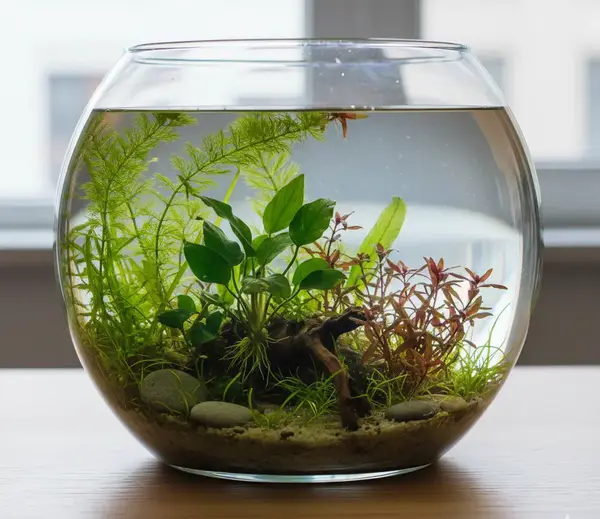
While you will see 2-gallon shrimp bowls on social media, we recommend a 5-to-10-gallon tank for beginners. The primary reason is stability. In a 2-gallon bowl, a slight change in room temperature or an extra pinch of food can cause a massive spike in toxicity. In a 10-gallon tank, you have a larger buffer of water, which makes the environment much more forgiving for beginner freshwater shrimp.
Filtration That Won't Endanger Your Shrimp
This is perhaps the most important hardware choice. Standard Hang on Back (HOB) filters have powerful intakes that will easily suck up baby shrimp (shrimplets).
Sponge filters are the gold standard for aquarium shrimp for beginners. They are powered by an air pump, providing excellent oxygenation and a massive surface area for biofilm to grow, which the shrimp then graze upon. Most importantly, they are 100% safe for babies. If you must use an HOB filter, you must install a fine stainless steel mesh or a pre-filter sponge over the intake to prevent accidents.
Beyond safety, your filter’s role is to facilitate gas exchange. Shrimp have a high demand for dissolved oxygen, especially at night when plants stop producing it and begin consuming it. A study in the journal PLOS One indicates that dissolved oxygen levels directly correlate with the growth rate and immune response of Neocaridina species.
To optimize this, many experts use a Dual-Sponge setup. This provides redundant filtration and allows you to clean one sponge at a time, ensuring you never lose your entire beneficial bacteria colony. For the hardiest shrimp for aquarium health, ensure your air pump is powerful enough to create a steady rippling at the surface, which breaks the surface tension and allows oxygen to enter.
Substrate Science: Inert Sands vs. Active Buffering Soils
Your substrate choice depends entirely on your species. For Neocaridina varieties like the blue velvet shrimp, use an inert substrate like high-quality aquarium sand or gravel. Since these shrimp prefer a stable, slightly alkaline pH, you don't want a soil that actively lowers the pH. For Caridina, use an active soil that acts like a sponge, pulling minerals out of the water to keep it soft and acidic.
Design and Aesthetic: Aquascaping for Invertebrates
To maintain a clean aesthetic, your aquascape should prioritize negative space and vertical interest. For a blue velvet shrimp breeding tank, using dark substrates like black sand or dark lava rock creates a stunning contrast that makes the blue pigments pop.
Incorporate texture through hardscape. Dragon Stone and Seiryu Stone are popular choices; however, be aware that Seiryu Stone can slowly raise your pH and GH. For a beginner, Lava Rock is the superior choice—it is inert, affordable, and its porous surface is a literal skyscraper for beneficial bacteria and biofilm. When arranging your hardscape, follow the "Rule of Thirds" to create a focal point, ensuring there are plenty of crevices where shrimp can hide during their vulnerable molting periods.
The Shrimp-Specific Nitrogen Cycle
The most common reason for failure in freshwater aquarium shrimp for beginners is a rushed nitrogen cycle. Unlike fish, which may tolerate minor ammonia fluctuations, shrimp are highly sensitive to ammonia levels. Scientific studies published in PubMed Central demonstrate that even low levels of ammonia cause severe contraction of gill filaments and disrupt the metabolic function of the hepatopancreas in shrimp.
To ensure your tank is safe, you must go through a Shrimp Cycle, which typically takes 4 to 6 weeks.
- Ammonia Dosing: Add pure ammonia or ghost feed (adding fish food to rot) until you reach 2 ppm.
- The Nitrite Peak: Beneficial bacteria (Nitrosomonas) will convert ammonia to nitrite. Nitrite is arguably even more toxic to shrimp, as it prevents their blood from carrying oxygen.
- The Nitrate Finish: Finally, Nitrospira bacteria convert nitrite to nitrate. Your tank is Shrimp-Ready only when ammonia and nitrite are consistently 0 ppm and nitrates are under 10 ppm.
Mastering Invisible Water Parameters
In the aquarium hobby, we often say we aren't keeping fish; we are keeping water. This is doubly true for shrimp. Because they are invertebrates, they are highly sensitive to minerals and dissolved solids.
The TDS, GH, and KH Trifecta
To succeed with keeping Neocaridina shrimp, you need to understand three core metrics. Total Dissolved Solids (TDS) is a measure of everything dissolved in your water. Think of it as the thickness of the water. For beginners, a TDS of 150 to 250 is usually ideal.
General Hardness (GH) measures calcium and magnesium, which are essential for building shells. Carbonate Hardness (KH) measures the buffering capacity, which keeps your pH from crashing. A study on biomineralizations in crustaceans emphasizes that these animals must find a source of calcium ions quickly available after they shed their shells to harden their new cuticle.
The Critical Importance of Drip Acclimation
Shrimp do not handle sudden changes well. If you take shrimp from a store and dump them into your tank, they may die of osmotic shock within 48 hours. Drip acclimation involves using a small airline tube to slowly drip tank water into the container holding your new shrimp over 1 to 2 hours. This allows their internal chemistry to adjust slowly to your water’s TDS and pH levels.
Temperature Stability: Avoiding the Summer and Winter Swings
Most hardy freshwater shrimp actually prefer cooler water between 20°C and 24°C (68°F and 75°F). While they can survive up to 27°C (80°F), higher temperatures speed up their metabolism, causing them to live shorter lives and potentially leading to lower oxygen levels. Research indicates that extreme temperatures above 30°C can actually inhibit reproduction and stress the animals significantly. Consistency is key; use a high-quality heater to prevent nighttime drops and consider a cooling fan if your room temperature rises in summer.
The Shrimp Diet: Beyond Algae and Biofilm
One of the joys of freshwater shrimp for beginners is watching them eat. They are constant foragers, their tiny claws moving like clockwork as they pick at surfaces.
The Biofilm Deep Dive: The Secret to Baby Survival
In the wild, shrimp are biofilm specialists. Biofilm is not just slime; it is a complex microscopic forest of bacteria, fungi, and algae. For the easiest freshwater shrimp to breed, biofilm is the primary food source for newborns. A newborn shrimplet is too small to compete for pellets, but they can spend all day grazing on a single Java Moss strand.
Research on biofilm-based culture systems shows that shrimp in biofilm-rich environments have significantly higher survival rates and faster growth. This study highlights that atyid shrimp like Neocaridinas can derive a massive portion of their diet from these microbial layers.
To supercharge your biofilm, consider adding botanicals such as:
- Indian Almond Leaves: Release humic acids and provide a porous surface for bacteria.
- Alder Cones: Lower pH slightly and create micro-hides for shrimplets.
- Cholla Wood: The honeycomb structure is a literal factory for biofilm growth.
Supplementing for Health: Minerals and Color
To keep your blue velvet shrimp care at a high level, you should supplement their diet 2 to 3 times a week. Snowflake food, made from soy husks, is excellent because it grows a beneficial fungus that shrimp love and won't foul the water. Mineral blocks are also essential for ensuring they have enough calcium for the molting process. Specialty pellets can also enhance the intensity of the red or blue pigments in the shrimp's shell.
Managing the Risks of Overfeeding
The biggest killer of shrimp isn't starvation; it's overfeeding. Leftover food can rot, leading to ammonia and nitrite spikes. Scientific data from the Global Seafood Alliance shows that even low levels of ammonia can damage the hepatopancreas and gills of shrimp. Overfeeding also invites pests like Planaria and Hydra, which can hunt baby shrimp.
The Life Cycle: Understanding Molting and Breeding
Success in shrimp keeping is defined by seeing that first berried female carrying eggs. It serves as a clear signal that your water parameters and care routine are perfect.
The Molting Process: The Vulnerable Path to Growth
Shrimp have a rigid exoskeleton and must periodically shed it to grow, a process known as ecdysis. Molting is an energetic all-or-nothing event. To grow, the shrimp must absorb water to pressure the old shell to crack. This is controlled by the X-organ and Y-organ located in their eyestalks. Scientific research on crustacean biomineralization highlights that shrimp require a rapid intake of calcium and magnesium from the surrounding water immediately after shedding to harden their new cuticle.
If your GH is too low, the shell remains too soft to crack. If it is too high, the shell becomes too brittle and locks the shrimp inside. This balance is why hardy shrimp for freshwater aquarium success require a stable GH of 6 to 10. If you see the white ring of death, which is a clear gap between the head and body segments, it often means the shrimp failed to split its shell due to a mineral imbalance.
From Berried to Shrimplets: The Breeding Timeline
Breeding blue velvet shrimp is surprisingly easy if they are happy. You will first see a saddle of unfertilized eggs behind the female's head. After she molts, she releases pheromones that cause the males to swim frantically in a shrimp dance to find her. Once fertilized, she carries the eggs under her tail for about 2 to 4 weeks. The babies emerge as miniature versions of the adults, requiring no larval stage, which makes them the easiest freshwater shrimp to breed.
Culling for Quality and Aesthetics
Over time, any colony will produce some offspring that are paler or have patches. If you want to keep your blue velvet shrimp breeding program producing high-quality, deep blue shrimp, you must selectively remove the lower-grade individuals. These can be moved to a separate skittles tank where they won't dilute the genetics of your primary breeding stock.
Coexistence: Safe Tank Mates for a Peaceful Colony
Many hobbyists want a lushly planted tank with both fish and shrimp. However, you must remember the fundamental rule of the aquarium: if it fits in a fish's mouth, it is a potential snack.
The Snail Synergy: The Perfect Roommates
While much is said about fish, the real power couple in the hobby is the Shrimp and the Snail. For aquarium shrimp for beginners, adding Nerite or Ramshorn snails provides several benefits. Snails often show signs of water stress, such as climbing to the surface, before shrimp do, acting as an early warning system. Furthermore, shrimp actually feed on the nutrient-rich slime trails left by snails. Finally, snails process larger waste into smaller particles that the shrimp’s filter-feeding claws can more easily manage.
Fish Species That Are Safest for Shrimp
If your goal is to maximize the population of your beginner freshwater shrimp, a shrimp-only tank is the best approach. If you must have fish, choose those with the smallest mouths. The Otocinclus Catfish is widely regarded as the only truly shrimp-safe fish because they are strict herbivores. Other options include micro-rasboras like Chili Rasboras, though they may still hunt the smallest shrimplets. To help your colony survive in a community setting, provide dense clumps of moss or specialized ceramic caves where the shrimp can hide during their vulnerable post-molt phase.
Long-Term Maintenance: The Routine for Success
The beauty of a shrimp tank is its low maintenance, but that doesn't mean it can be neglected. To maintain a clean aesthetic and healthy inhabitants, follow a consistent rhythm.
The Slow and Steady Water Change
Unlike fish tanks where you might change 50% of the water at once, shrimp prefer smaller, more frequent changes. 10 to 15% weekly is usually sufficient. When adding new water, it is best to use a small airline tube to drip the new water back into the tank over an hour. This prevents the shock of changing parameters and helps maintain the stable environment that hardy freshwater shrimp thrive in.
Observation as a Tool
Get into the habit of checking your blue velvet shrimp water parameters once a week. Use a reliable liquid test kit to monitor pH, GH, and KH. Beyond the numbers, observe the behavior of your shrimp. If they are active and grazing, things are going well. If they are huddling at the surface or seem lethargic, it is an immediate sign that something in the water chemistry has shifted.
The Troubleshooting Protocol: What to Do When Things Go Wrong
Even with the best preparation, beginner shrimp keepers often face two specific hurdles: the "Mysterious Die-off" and "Failed Molts."
- The Mysterious Die-off: If you find 1-2 dead shrimp every morning, check your blue velvet shrimp water parameters immediately. Often, this is caused by "Old Tank Syndrome," where nitrates or TDS have slowly crept up over months. A series of small (10%) water changes over several days usually resolves this.
- The "White Ring of Death": If you see a clear split in the shrimp's shell but it is still alive, do not touch it. It is struggling to molt. Check your GH. If it's too low, add a crushed eggshell or a mineral supplement like SaltyShrimp GH/KH+ to provide the necessary minerals for the next attempt.
- Lethargy: If your shrimp are all huddled at the surface, you likely have an oxygen deficiency or an ammonia spike. Increase surface agitation immediately and perform a small, drip-acclimated water change.
The Zen of the Modern Shrimp Keeper
Keeping freshwater aquarium shrimp for beginners is a gateway into a deeper understanding of aquatic ecosystems. It teaches us that the smallest details—the mineral content of the water, the growth of a single leaf, and the steady movement of a tiny claw—are what create a thriving world.
By choosing hardy aquarium shrimp like Neocaridinas, focusing on water stability rather than chasing perfect numbers, and providing a diet rich in natural biofilms, you can create a stunning colony that will thrive for years. Whether you are mesmerized by the deep sapphire of a blue velvet or the classic charm of a cherry shrimp, your journey into the world of invertebrates is just beginning.
Frequently Asked Questions: Expert Insights into Shrimp Keeping
The world of freshwater invertebrates is filled with nuances that even experienced fish keepers may find surprising. Below are the most common questions from the community, answered with a focus on long-term colony health and stability.
What are the absolute best aquarium shrimp for beginners?
For those just starting, the genus Neocaridina is the undisputed choice. Within this genus, the red cherry shrimp and the blue velvet shrimp are the most popular and resilient. These varieties have been bred over decades to tolerate a wider range of water parameters than their Caridina cousins. They are widely considered the easiest freshwater shrimp to keep because they thrive in standard dechlorinated tap water with a moderate hardness level.
Can I mix different colors of shrimp in the same tank?
Technically, yes, but it is generally discouraged if you want to maintain a specific aesthetic. If you mix blue velvet shrimp with red cherry shrimp, they will interbreed. Because these colors are the result of recessive mutations, their offspring will eventually revert to a wild type coloration, which is usually a translucent brown or mottled olive. To keep your colony looking its best, it is recommended to stick to one color line per aquarium.
Do freshwater shrimp need a heater?
In most modern homes, a heater is used more for stability than for high heat. While Neocaridina are hardy freshwater shrimp that can survive in temperatures as low as 60°F, they prefer a stable range between 68°F and 74°F. Rapid fluctuations in temperature are more dangerous than a constant cool temperature. If your room temperature swings significantly between day and night, a high-quality, adjustable heater is essential to prevent stress-induced molting issues.
Why did my shrimp die after a water change?
The most common cause of death following a water change is osmotic shock. Shrimp are highly sensitive to sudden changes in Total Dissolved Solids (TDS) and pH. If you perform a large water change (over 30%) and pour the new water in quickly, the sudden shift in mineral concentration can cause the shrimp to molt prematurely or go into shock. To avoid this, always use the drip method to slowly reintroduce new water into the tank over the course of an hour.
Are there any fish that are 100% shrimp safe?
The only fish that is universally recognized as 100% shrimp safe is the Otocinclus catfish. These small, armored suckermouth fish are strict herbivores and lack the mouth anatomy to hunt even the smallest shrimplets. While other nano fish like Chili Rasboras or Neon Tetras are often kept with shrimp, they are opportunistic feeders and will likely eat newborn shrimplets if given the chance. Dense moss and hiding spots are required if you choose to keep shrimp with any fish species.
How many shrimp can I keep in a 5 or 10-gallon tank?
One of the reasons shrimp are the best beginner freshwater shrimp is their incredibly low bioload. You can comfortably house 10 to 15 shrimp per gallon of water. In a well-maintained 10-gallon tank, a colony can safely grow to over 150 individuals. However, as the population grows, you must be more diligent about monitoring nitrate levels and ensuring that oxygenation is sufficient for the entire colony.
Is copper really that dangerous for shrimp?
Yes. Copper is a potent neurotoxin for invertebrates. Even trace amounts found in some fish medications or certain tap water with old copper pipes can be fatal. Research on aquatic toxicology highlights that copper interferes with the oxygen-binding capabilities of a shrimp’s hemolymph (their version of blood). Always use a high-quality water conditioner that specifically mentions the detoxification of heavy metals, and never use medications containing copper in a shrimp sanctuary.
How long do freshwater shrimp live?
On average, a healthy Neocaridina shrimp will live for 1 to 2 years. Their lifespan is directly tied to the temperature of the water. In warmer water (above 78°F), their metabolism accelerates, leading to faster growth and more frequent breeding, but a significantly shorter lifespan. Keeping them in the cooler range of 70°F to 72°F is the secret to helping your living jewels reach their full age potential.