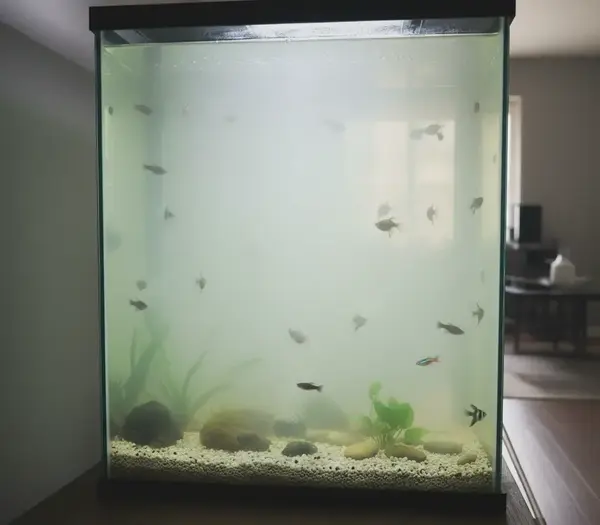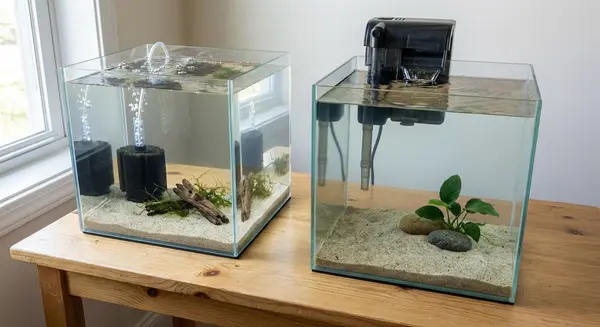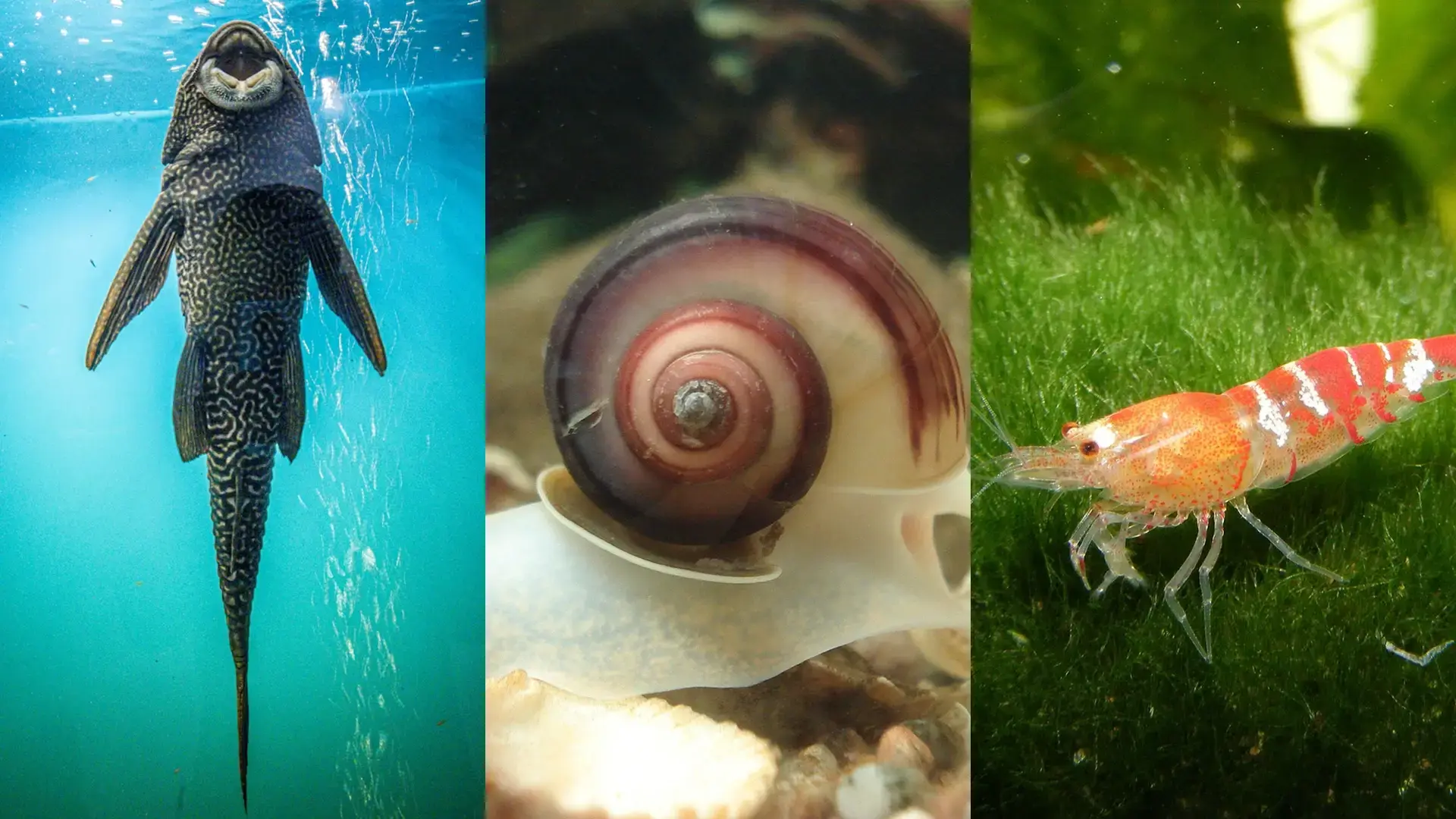
Every aquarium hobbyist, at some point, stares through the glass of their tank and sees it. The dreaded green film, the fuzzy black tufts on the driftwood, or the brown dust covering the white sand. Your first instinct might be to reach for a scraper or a chemical algaecide. However, the most effective, most natural, and frankly most entertaining way to keep your tank pristine is to hire a professional janitorial staff.
Building the perfect cleanup crew is about more than just fighting algae. It is about creating a balanced, self-sustaining ecosystem where every inhabitant has a job. In this comprehensive guide, we are going to dive deep into the best snails, shrimp, and fish that will transform your maintenance routine from a chore into a hobby.
Why Every Freshwater Tank Needs a Cleaner
When we think of a clean tank, we usually think of clear water. But in the world of aquascaping and fishkeeping, cleanliness is biological. A cleanup crew isn't just there to make things look pretty. They are the gears that keep your biological engine running smoothly.
Beyond Aesthetics: The Biological Role of a Cleanup Crew
In a closed environment like a glass box, waste is inevitable. Fish produce ammonia through their gills and waste. Uneaten food falls into the cracks of the substrate. Dead plant leaves begin to rot. This organic matter is the fuel for bad bacteria and unsightly algae blooms.
Your cleanup crew members are primarily detritivores. They consume decaying organic matter and break it down into smaller particles that your beneficial bacteria can process more efficiently. By eating uneaten food and dead plant matter, they prevent ammonia spikes before they even start. Research into nutrient cycling in freshwater ecosystems published in journals like Science Direct confirms that diverse scavenger populations are essential for maintaining nitrogen balance and preventing the overgrowth of harmful microbes. They are your first line of defense in the Nitrogen Cycle.
The Set and Forget Fallacy: What a Cleanup Crew Can and Can’t Do
Before we introduce the candidates, we need to address a common myth. Many beginners believe that if they get enough snails and shrimp, they will never have to do a water change again. Unfortunately, this is not the case.
While a cleanup crew processes waste, they still produce waste of their own, known as bioload. Nitrates will still build up in the water column, and your filters will still need cleaning. Think of your crew as a force multiplier. They make your manual cleaning 90 percent easier, but they do not replace the 10 percent of effort that only a siphon and a bucket can provide. Furthermore, if you overstock a cleanup crew without enough natural food, they may begin to die off, creating a massive ammonia spike that could crash your entire cycle.
Understanding Your Tank Specific Needs
Not all cleanup crews are created equal because not all dirt is the same. You must identify the specific challenge your tank is facing before selecting your team.
- Diatoms or Brown Algae: This is very common in new tanks. Otocinclus and Nerite snails are world-class at removing this dusty film.
- Green Spot Algae: This algae is tough and stubborn. Nerite snails are the only specialists that can reliably scrape this off the glass.
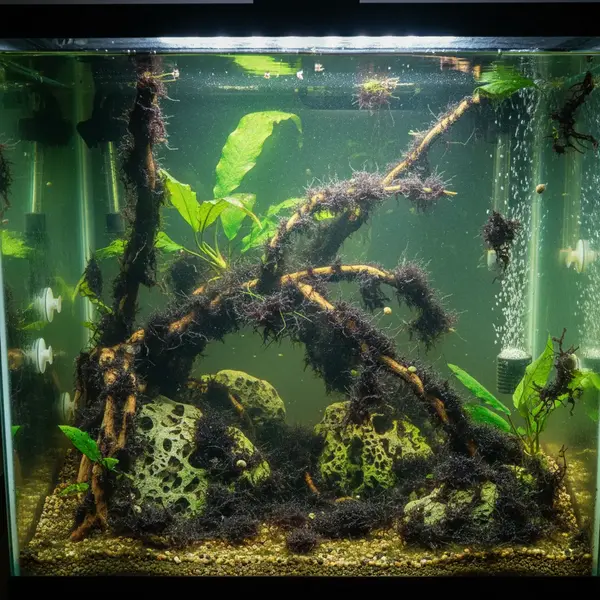
- Black Brush Algae (BBA): Known as the nightmare of the hobby, BBA is rarely touched by most fish. Amano shrimp and Siamese Algae Eaters are your best bet here. Read more about BBA here
- Detritus and Leftovers: Corydoras and Ghost Shrimp are the kings of the substrate, ensuring that food doesn't rot in the gravel.
The Slow and Steady: Top Freshwater Snails for Algae Control
Snails are often the most underrated members of the aquarium world. Some see them as pests, but the right species of snail is arguably the hardest-working inhabitant in your tank. They are the slow and steady workers that never take a day off.
1. Nerite Snails: The Unstoppable Algae Grazers
If you could only pick one animal to clean your glass, it should be the Nerite Snail. These snails are elite because they possess a specialized rasping tongue called a radula that is incredibly effective at scraping off Green Spot Algae.
One of the greatest perks of Nerite snails is their reproductive limitations. According to studies on mollusk reproductive biology, Nerites require brackish water for their larvae to survive. This means you will never wake up to an infestation of hundreds of snails. They come in several beautiful varieties, such as the Zebra Nerite with its bold stripes, the Tiger Nerite with its spotted pattern, and the Horned Nerite which is smaller and perfect for nano tanks.
However, they do lay small, white, sesame-seed-like eggs on driftwood and glass. These will not hatch in freshwater, though they can be difficult to remove if you are a perfectionist about your hardscape. You should also monitor your water pH. If the water becomes too acidic, their shells can begin to erode. Keeping the pH above 7.0 is vital for their long-term health.
2. Mystery Snails: The Colorful Scavengers
Mystery Snails are more than just cleaners. They are pets with distinct personalities and can grow to the size of a golf ball. Available in stunning colors like Gold, Blue, Ivory, and Purple, they add a visual pop to the tank while performing essential duties.
While they do eat some algae, Mystery Snails are primarily scavengers. They have a keen sense of smell and will move surprisingly fast toward a piece of fish food that has fallen to the bottom. They are excellent for ensuring that no protein-based waste sits and rots in the corners of your tank. They also have long, flowing antennae and a respiratory siphon they use to breathe air, making them fascinating to observe. Because they are larger and more active, they require supplemental feeding of calcium-rich foods like blanched kale or specialized snail wafers to maintain their shell integrity.
3. Malaysian Trumpet Snails: The Substrate Specialists
Many hobbyists fear the Malaysian Trumpet Snail because they can reproduce rapidly through a process called parthenogenesis, where a single female can produce offspring without a mate. However, if you have a sand substrate, they are nearly mandatory for a healthy ecosystem.
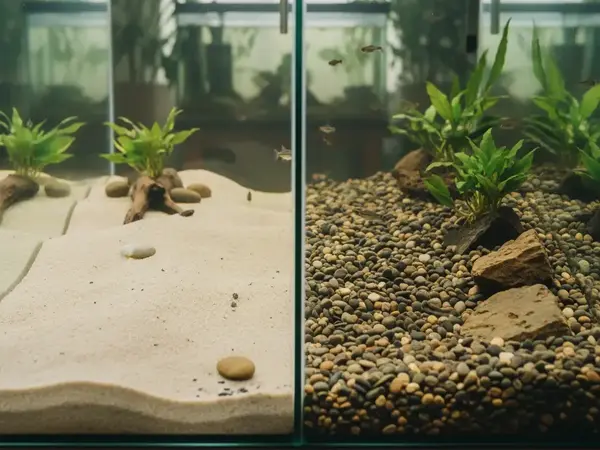
These snails spend most of their daylight hours buried in the substrate. As they move through the sand, they aerate it, which prevents anaerobic gas pockets from forming. These pockets can trap toxic hydrogen sulfide gas which is harmful to fish. At night, they emerge to clean the surface of the substrate. They serve as a natural alarm system for the hobbyist. If you see them all climbing the glass at once during the day, it usually indicates that your oxygen levels have dropped or your water quality has plummeted. To prevent their population from exploding, simply avoid overfeeding your fish. Their numbers will naturally balance based on the amount of excess food available.
The Tiny Powerhouses: Choosing the Right Freshwater Shrimp
Shrimp bring a level of detail-oriented cleaning that fish and snails simply cannot match. Their tiny claws allow them to pick through the delicate leaves of moss and the crevices of dragon stone where algae hides.
4. Amano Shrimp: The Heavy-Duty Algae Ninjas
Named after the legendary Takashi Amano, these shrimp were popularized specifically for their incredible appetite for algae. Amano shrimp are one of the few creatures in the hobby that will actively eat Black Brush Algae and String Algae.
They are much larger and hardier than the common Cherry Shrimp, reaching up to two inches in length. This size makes them suitable for community tanks with medium-sized fish like Angelfish or larger Tetras. Their behavior is bold and active. Do not be surprised to see an Amano shrimp swim to the surface, grab a fish flake, and retreat to a hiding spot like a tiny thief. Research into the feeding habits of Caridina multidentata shows that they are highly opportunistic, which makes them perfect for tanks with varying waste levels. They can live for up to five years, making them a long-term investment in your tank health.
5. Cherry Shrimp: The Prolific Maintenance Team
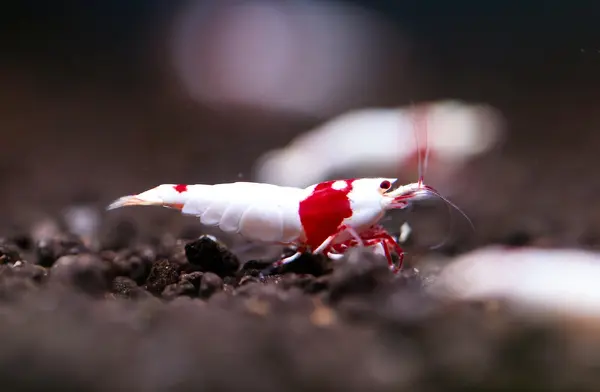
Cherry Shrimp are the favorite of the nano-tank world. While one individual does not do much, a colony of fifty can keep a ten-gallon tank looking like it was professionally detailed every day. Because they are so small, they can clean the delicate leaves of plants like Monte Carlo or Java Moss without causing any physical damage.
They breed easily in freshwater, which ensures that every square millimeter of your hardscape is constantly being picked clean. They come in various color grades, ranging from the translucent cherry to the deep, opaque Painted Fire Red. To keep them thriving, you need to provide plenty of hiding places like mosses or specialized shrimp caves, especially if they are sharing a tank with small fish that might view their offspring as a snack.
6. Ghost Shrimp: The Budget-Friendly Scavengers
Often sold as feeder shrimp, Ghost Shrimp are actually fantastic detritivores. They are nearly transparent, which makes them a hidden cleanup crew that does not distract from your display fish. They are aggressive scavengers of uneaten fish food. If a pellet falls where a fish cannot reach, the Ghost Shrimp will find it.
They are also very affordable, making them a great entry-level option for hobbyists. However, you should be careful when purchasing them. Sometimes, the more aggressive Macrobrachium species are sold as Ghost Shrimp. You can identify the true, peaceful Ghost Shrimp by the small orange rings on their front legs and their characteristic humped back.
The Heavy Lifters: Best Algae-Eating Fish for Community Tanks
Certain fish species are designed by nature to be cleaning machines. These heavy lifters can cover large surface areas quickly and tackle specialized tasks that invertebrates might miss.
7. Otocinclus Catfish: The Dedicated Glass Polishers
The Otocinclus is perhaps the most famous algae-eating fish in the world. These tiny, schooling catfish spend nearly all their time suctioned to glass or plant leaves. If you have a new tank struggling with brown diatoms, a small school of Otocinclus will usually clear it within forty-eight hours.
However, they are very sensitive to water parameters. Scientific observations in journals like the Journal of Fish Biology suggest that Loricariid catfish have high metabolic requirements for biofilm. This means your tank must be well-established, typically at least three months old, before adding them. Many hobbyists lose Otos in the first month because the tank is too clean. You should always perform a belly check when buying them. A healthy Otocinclus should have a slightly rounded, pear-shaped belly. If the belly is flat or sunken, the fish is starving and may not recover.
8. Bristlenose Plecos: The Hardworking Driftwood Lovers
Most beginners make the mistake of buying a Common Pleco, which can grow to twenty-four inches and produce massive amounts of waste. The Bristlenose Pleco, however, stays at a manageable four to five inches. They are masters of cleaning driftwood and actually require the cellulose from the wood for their digestion.
They will rasp away the biofilm and algae from every inch of your hardscape. The males are particularly striking, developing fleshy tentacles on their snouts as they mature. They are peaceful but can be territorial over their favorite cave. If you have a larger tank, you can keep a male and a female together, but be prepared for a lot of babies, as they are prolific breeders once they feel comfortable.
9. Corydoras: The Sand-Sifting Specialists
It is a common misconception that Corydoras eat algae. They do not. However, they are essential members of a cleanup crew because of their sifting behavior. Using their barbels to poke around the substrate, they kick up detritus so the filter can catch it.
They also eat any protein-based food that has sunk to the bottom. By keeping the substrate moving, they prevent the buildup of organic sludge known as mulm. Corydoras should always be kept in schools of at least six of the same species. They also require soft sand or smooth gravel. Rough, jagged substrate can wear down their delicate barbels, leading to infections and difficulty feeding.
Matching Your Crew to Your Aquarium Size
Balance is key to preventing starvation and maintaining water quality. You should never overstock a small tank with too many cleaners, as their collective bioload can quickly overwhelm a small filter.
The Nano Crew for Five to Fifteen Gallon Tanks
In a small volume of water, you should focus on animals with a very low bioload. A single Nerite Snail and a colony of five to ten Cherry Shrimp provide an effective team without stressing the water chemistry. The snail will keep the glass clear, while the shrimp will spend their time meticulously cleaning the plants and hardscape. In these small volumes, you should avoid fish like Plecos or even Otocinclus, as they require more space and more consistent food sources than a nano tank can typically provide.
The Mid-Sized Team for Twenty to Forty Gallon Tanks
Here, you have enough grazing area to support more demanding species. A combination of two Nerite Snails, one Bristlenose Pleco, five Amano Shrimp, and a school of six Corydoras creates a robust, multi-layered team. The Pleco handles the large surfaces and driftwood, the snails handle the glass, and the Corydoras keep the substrate clean. This variety ensures that every zone of the tank, from the top of the rocks to the bottom of the sand, is being maintained.
Large Scale Operations for Tanks Over Fifty-Five Gallons
Large tanks require more coverage because algae can spread across vast surface areas before you even notice it. You might consider ten Nerite Snails, two Bristlenose Plecos, ten Amano Shrimp, and a large school of twelve or more Corydoras. You can also introduce Siamese Algae Eaters, which are fast enough to cover the distances of a long tank and tackle hair algae that smaller shrimp might miss. Just ensure the Siamese Algae Eater is the true species, Crossocheilus oblongus, and not the more aggressive Chinese Algae Eater.
Compatibility and Safety: Avoiding Predatory Mistakes
Compatibility is the most overlooked aspect of cleanup crew selection. The biggest tragedy in building a crew is finding that your expensive shrimp have become a snack for your fish. As a general rule, if an animal fits in a fish’s mouth, it will eventually be eaten.
The Pecking Order
Safe tank mates for shrimp usually include Tetras, Rasboras, Guppies, and Corydoras. You should use caution with Angelfish, Gouramis, and larger Barbs, as they may hunt baby shrimp. Dangerous companions include African Cichlids, Oscars, and Goldfish, which will treat your cleanup crew like a buffet.
Even if a fish does not eat a snail, it might nipped at its antennae. Large Mystery Snails are often bullied by nippy fish like Tiger Barbs, which can cause the snail to stay retracted in its shell and eventually starve. Always observe your tank for at least an hour after introducing new crew members to ensure everyone is getting along.
Chemical Sensitivities and Copper Toxicity
Furthermore, you must be aware of chemical sensitivities. Most common fish medications for parasites contain copper. According to research in the The Scientific World Journal, copper is highly toxic to invertebrates even in low concentrations. It interferes with their ability to transport oxygen in their blood. If you must use copper-based treatments, move your snails and shrimp to a separate tank to prevent a total loss. Even some plant fertilizers contain enough copper to be a concern for sensitive shrimp, so always look for shrimp-safe labels on your aquarium chemicals.
Advanced Maintenance: Feeding Your Cleanup Crew
In a pristine tank, your janitors can actually starve to death. You should never assume there is enough algae to sustain your crew. To keep them healthy, you must supplement their diet with target feeding strategies.
Target Feeding and Veggie Prep
Algae wafers should be dropped in at night when many members, like Plecos and shrimp, are most active. This prevents the faster fish from stealing the food. You can also provide blanched vegetables like zucchini, cucumber, or spinach. To blanch them, simply boil the vegetable for two to three minutes until it is slightly soft, then drop it into an ice bath. This breaks down the cellular walls, making it easier for the animals to eat. Pin the vegetable to the bottom with a veggie clip or a stainless steel fork. Remove any uneaten portions after twenty-four hours to prevent the water from fouling.
Mineral Supplements for Shell Health
Snails and shrimp require minerals like calcium and magnesium to build their shells and exoskeletons. If your water is soft, you might notice snails with white, pitted shells. You can add a piece of cuttlebone to the filter or feed calcium-enriched pellets to prevent shell erosion. For shrimp, maintaining the correct General Hardness or GH is vital for successful molting. If the water is too soft, the shrimp may get stuck in their old shell during a molt, which is usually fatal.
Conclusion: Achieving a Balanced Ecosystem
The goal of a cleanup crew is to have a healthy, thriving tank that mimics the complexity of nature. Watching a Nerite snail methodically clear a path on the glass or a group of Cherry shrimp dancing through the moss adds a layer of life to the aquarium that you simply do not get with display fish alone.
By choosing the right combination of snails for the glass, shrimp for the plants, and fish for the substrate, you are building a biological filtration system that works for you. Treat your crew well, feed them occasionally, and they will reward you with a crystal-clear window into the underwater world.