Gouramis are among the most beloved freshwater fish in the aquarium hobby. With their vibrant colors, unique feeler fins, and fascinating behaviors, they often serve as the centerpiece of a tropical tank. However, choosing the right gourami tank mates can be a delicate balancing act. Are they peaceful? Are they aggressive? The answer is often "it depends".
Unlike the universally peaceful neon tetra or the notoriously aggressive cichlid, gouramis fall into a gray area. They are part of the Osphronemidae family, which includes everything from the timid, 2-inch Sparkling Gourami to the tank-busting, 20-inch Giant Gourami. Because of this diversity, a one-size-fits-all approach to gourami fish compatibility simply doesn’t work.
In this guide, we will break down the best tank mates based on the specific type of gourami you own. Whether you are setting up a lush gourami community tank for a Pearl Gourami or looking for robust companions for a Blue Gourami, this guide will ensure your aquarium remains a harmonious underwater world.
Understanding Gourami Temperament and Needs
Before you head to the local fish store, it is crucial to understand what makes a gourami tick. Their behavior is dictated by their biology, and ignoring these traits is the most common reason for community tank failures.
The Labyrinth Organ and Surface Access
All gouramis are Anabantoids (suborder Anabantoidei), meaning they possess a labyrinth organ that allows them to breathe atmospheric air. You will frequently see them darting to the surface to take a gulp.
What does this mean for tank mates? You must avoid fish that occupy the top layer of the water column and are hyper-active. If the top of the tank is crowded with frantic swimmers, your gourami may feel stressed or outcompeted for surface access. Ideally, you want tank mates that stick to the middle or bottom of the tank, leaving the penthouse suite available for your gourami.
Aggression Levels: From Peaceful to Semi-Aggressive
The label "semi-aggressive" is often slapped on gouramis, but it is misleading.
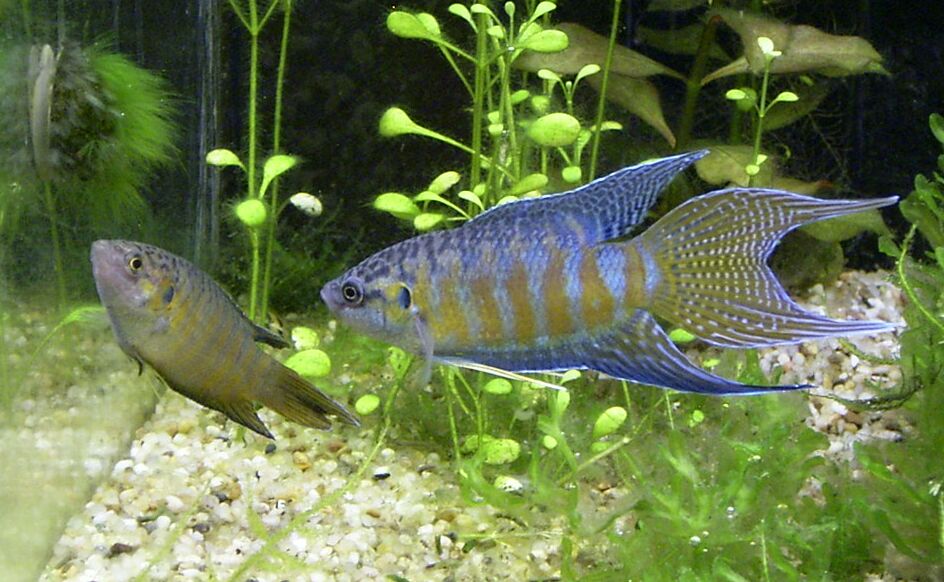
- Peaceful: Honey Gouramis, Pearl Gouramis, and Sparkling Gouramis are generally shy and peaceful. They are more likely to be bullied than to be the bully.
- Semi-Aggressive: Blue, Gold, Three-Spot, and Opaline Gouramis can be territorial, especially males. They may nip fins of slow-moving fish.
- Aggressive: Paradise Fish and Kissing Gouramis can be downright mean if kept with the wrong company.
Understanding where your specific fish falls on this spectrum is the first step in determining what fish can i keep with gourami.
Water Parameters and Tank Setup for Community Success
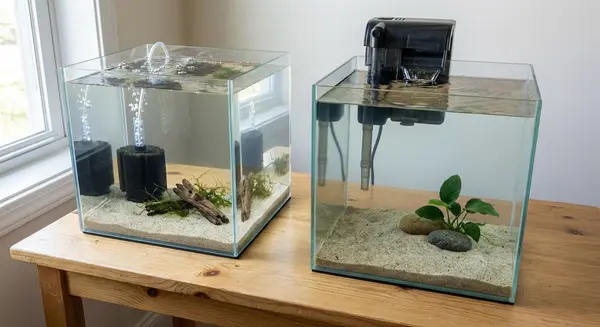
Gouramis prefer slow-moving water. They are not built to fight strong currents. When planning a gourami aquarium setup, you should prioritize filters that have adjustable flow rates.
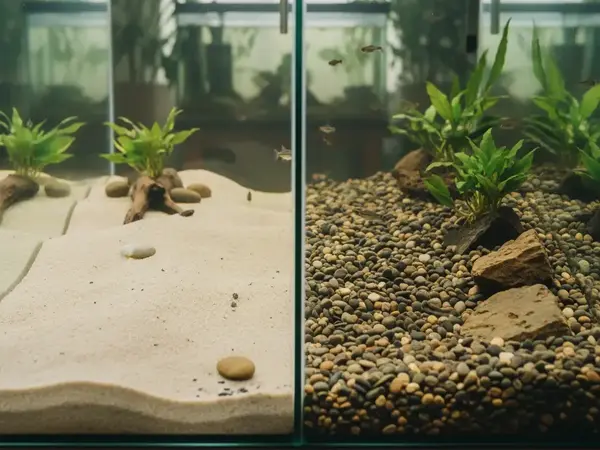
Furthermore, these fish originate from densely vegetated waters in Asia. A bare tank causes stress, and a stressed gourami is either a sick gourami or an aggressive one. Visual barriers, created by tall plants, driftwood, or rock structures are essential. They allow submissive fish to break the line of sight if a chase ensues, instantly lowering the tension in the tank.
Best Tank Mates for Peaceful Gouramis: Honey, Pearl, Sparkling, and Dwarf Gouramis
If you own the gentler species, your goal is to surround them with calm, non-nippy fish that won't outcompete them for food. These gouramis are perfect candidates for a classic community tank.
Small Schooling Fish
The best way to make a honey gourami or pearl gourami feel safe is to add dither fish. These are small, schooling fish that swim in the open. When the gourami sees them swimming calmly, it signals that there are no predators nearby, encouraging the gourami to come out of hiding.
- Rasboras: Harlequin Rasboras and Lambchop Rasboras are top-tier choices. They occupy the middle water column and share the same water parameter requirements (soft, slightly acidic water).
- Tetras: Neon Tetras, Ember Tetras, and Cardinal Tetras add a splash of color without threatening your gourami. However, avoid nippy tetras like Serpae Tetras, which might find the gourami’s long feeler fins too tempting to resist.
- Livebearers: Guppies and Platies can work, but be cautious with fancy male guppies. Their long tails can sometimes trigger aggression, or conversely, a larger gourami might nip the guppy. Endler’s Livebearers are often a safer bet due to their speed.
Bottom Dwellers
Since gouramis spend most of their time in the top and middle sections of the tank, the bottom is free real estate.
- Corydoras Catfish: These are arguably the best gourami for community tank companions. Cories are peaceful, armored catfish that scour the substrate for leftover food. A school of 6 brown or albino corydoras complements a group of Pearl Gouramis perfectly.
- Kuhli Loaches: These eel-like oddballs are nocturnal and shy. They will stay out of your gourami's way entirely, cleaning up the bottom of the tank while your gourami patrols the top.
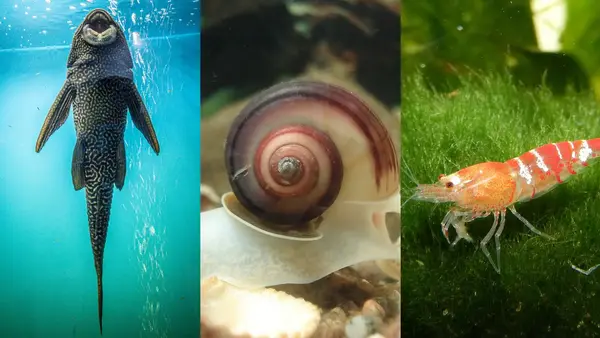
- Otocinclus: If you have an algae problem, Otos are the safest algae eaters for a peaceful tank. They are too small to be a threat and too quick to be bothered.
Gentle Invertebrates
Can you keep shrimp with gouramis?
- Amano Shrimp: Yes. They are large enough that most peaceful gouramis (like the Honey or Sparkling) won't view them as a snack.
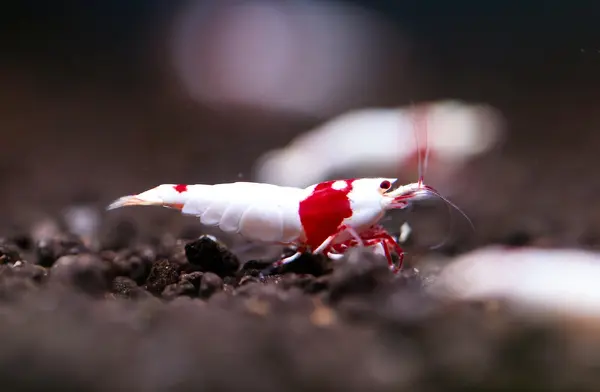
- Neocaridina (Cherry Shrimp): This is risky. Sparkling gourami tank mates can include shrimp, but realize that Sparkling Gouramis are micro-predators. They hunt in the wild. While adult shrimp might be safe, baby shrimp will almost certainly become lunch.
- Snails: Nerite snails and Mystery snails are excellent tank mates. They are heavily armored and generally ignored by gouramis.
Tank Mates for Semi-Aggressive Gouramis: Blue, Gold, Three-Spot, and Opaline Gouramis
When dealing with blue gourami tank mates or gold gourami tank mates, you need fish that are robust. These gouramis can grow up to 6 inches and have an attitude to match. You don't want fragile fish here; you need companions that can hold their own without starting a war.
Robust Schooling Fish
The tiny Ember Tetra is a snack for a full-grown Gold Gourami. Instead, look for schooling fish that have a deeper body shape and are fast swimmers.
- Black Skirt Tetras: Their taller body shape makes them look less like food. They are also semi-aggressive themselves, meaning they won't be easily bullied.
- Cherry Barbs: Unlike the notorious Tiger Barb (which should be avoided due to fin-nipping), Cherry Barbs are generally peaceful but fast enough to escape a chasing gourami.
- Rainbowfish: Dwarf Neon Rainbowfish or Boesemani Rainbowfish are excellent choices. They are incredibly active and fast, inhabiting the middle-to-upper water column. Their speed frustrates gouramis, who eventually give up trying to chase them.
Sturdy Bottom Dwellers
For these tanks, you need bottom dwellers that aren't easily intimidated.
- Bristlenose Plecos: These grow to about 4-5 inches and are built like tanks. A Blue Gourami cannot hurt a Pleco, and the Pleco will keep to itself, grazing on wood and algae.
- Yoyo Loaches or Zebra Loaches: These loaches are full of personality and activity. They are boisterous enough not to care about a grumpy gourami. However, ensure you have a lid, as loaches are escape artists.
- Larger Catfish: Upside-down catfish or larger species of Corydoras (like the Emerald Brochis) work well here.
Species to Avoid
Knowing what goes well with gourami is important, but knowing what doesn't is critical.
- Fancy Goldfish: Never mix them. Goldfish need cold water; gouramis need tropical heat. Plus, the long fins of a goldfish are a target.
- Other Anabantoids: Generally, you should avoid keeping multiple male gouramis of the same species together unless the tank is very large (55+ gallons). They will fight for dominance.
- Fin Nippers: Tiger Barbs are the enemy. They will shred the sensitive feelers of your gourami, leading to infection and stress.
Specialized Tank Mates for Unique Gouramis: Giant, Kissing, and Paradise Fish
Some gouramis are outliers. They grow much larger or have much higher aggression levels. Standard advice does not apply here.
Managing the Giant Gourami
Giant gourami tank mates are a challenge because this fish is a monster, easily reaching 20 to 28 inches. They are the tank busters of the gourami world.
- Tank Mates: You need large, non-aggressive fish. Pacus, large Catfish (like Redtail Catfish, though these require ponds), or large Cichlids like Oscars (if the tank is huge) can work.
- The Reality: Often, Giant Gouramis are best kept as wet pets in a solitary tank. They are intelligent and interact with their owners, but they will eat any fish small enough to fit in their mouth, and their mouths are big.
The Feisty Paradise Fish
The Paradise Fish is the closest relative to the Betta in terms of temperament. Paradise gourami tank mates must be chosen carefully.
- White Cloud Mountain Minnows: Surprisingly, these cold-water tolerant minnows often work because they are fast and occupy a different niche. Paradise fish can tolerate cooler water, making this a unique biotope option.
- Large Danios: Giant Danios are fast and tough. They can zip around a Paradise fish without getting caught.
Kissing Gourami Compatibility
Kissing gourami tank mates need to be prepared for a fish that grows to 10-12 inches and can be somewhat bullying.
- The kissing action is actually a dominance display, not affection.
- Companions: They do well with medium-sized cichlids (like Firemouths), Silver Dollars, and larger scavengers like Clown Loaches (in very large tanks).
The Betta and Gourami Dilemma
A very common question among hobbyists is, Are bettas and gouramis tank mates? Can these two labyrinth fish live together?
Why They Are Usually Enemies
The short answer is: No, you should not mix them.
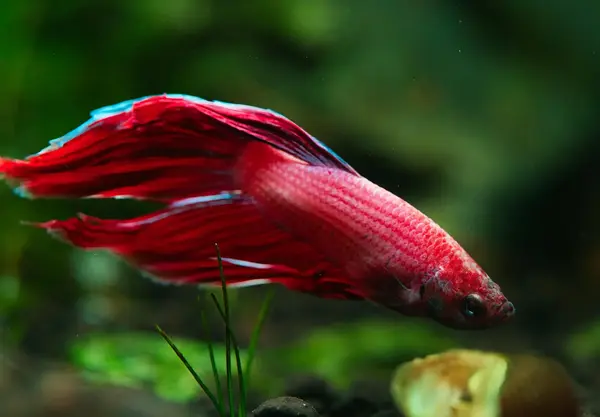
Bettas (Siamese Fighting Fish) and Gouramis are cousins. They share similar body shapes and behaviors. To a male Betta, a Gourami looks like a rival male Betta. To a Gourami, a Betta looks like a rival Gourami.
This usually results in a fight to the death, or at minimum, severe fin damage. The stress alone can kill them even if physical attacks are rare.
Exceptions to the Rule
In massive aquariums (75 gallons or more) heavily planted with sight breaks, some experienced aquarists have successfully kept a female Betta sorority with peaceful gouramis like Pearls. However, for the average hobbyist, the risk far outweighs the reward. It is safer to keep them in separate tanks to ensure the well-being of both fish. You can read more about Bettas and their Behaviors in detail in our Comprehensive guide on Betta.
Setting Up Your Gourami Community Tank
Once you have chosen your fish, the gourami tank setup plays a massive role in whether the community succeeds. A well-designed tank can mitigate aggression and reduce stress.
Planting and Decor
We cannot emphasize this enough: Break the line of sight.
If a gourami chases a tank mate, the victim needs to be able to turn a corner and disappear.
- Tall Plants: Amazon Swords, Vallisneria, and Stem plants should reach the surface. This creates rooms within the aquarium.
- Floating Plants: Red Root Floaters, Frogbit, or Water Lettuce are excellent. They dim the light (which gouramis love) and provide a natural habitat for the fish to build bubble nests.
- Caves: Coconut hides or rock caves provide refuge for your bottom dwellers like Kribensis or Loaches.
Feeding Strategies for Mixed Groups
Gouramis are generally slow eaters compared to manic swimmers like Danios. In a gourami fish community tank, malnutrition is a risk.
- The Pinch Strategy: Feed a pinch of flakes on one side of the tank to attract the fast schoolers. While they are distracted, drop sinking pellets or frozen bloodworms on the other side for the gouramis and bottom dwellers.
- Variety: Rotate between high-quality flakes, micro-pellets, and frozen treats like brine shrimp. This ensures all tank mates, from the herbivores to the carnivores, get their nutrients.
Monitoring for Bullying and Stress
After adding new tank mates, observe the tank closely for the first 48 hours. Look for:
- Hiding: Is your gourami constantly behind the filter?
- Nipped Fins: Check the trailing fins of your gouramis and tetras.
- Glass Surfing: Frantic swimming up and down the glass can indicate stress.
If you see these signs, be prepared to separate the fish. Having a Plan B (a quarantine tank or a divider) is a hallmark of a responsible aquarist.
Conclusion
Building a community tank around a gourami is one of the most rewarding projects in the aquarium hobby. Whether you choose the shimmering pearl gourami with a school of tetras or a sturdy blue gourami with a group of barbs, the key is matching the tank mates to the specific personality of your centerpiece fish.
Remember that gourami tank mates are not just decorations; they are neighbors. By ensuring water parameters align, aggression levels match, and the environment provides safety for all, you create a slice of nature where every fish can thrive.
Take your time, choose wisely, and enjoy the tranquil beauty of your gourami community tank.