Introduction
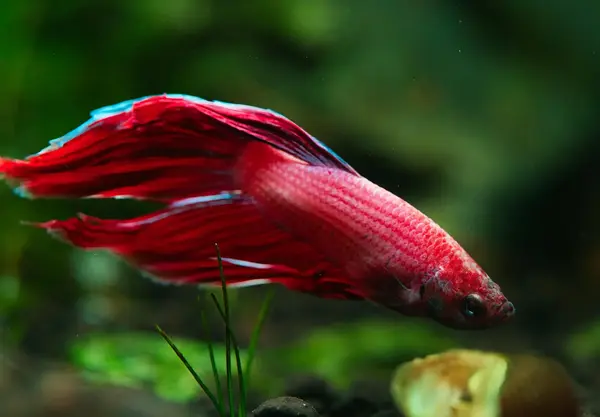
If you have ever spent a few minutes watching a betta fish patrol its tank, you know exactly why they are the undisputed kings of the freshwater hobby. With their flowing, silk-like fins and colors that seem to shimmer under every light, they are more than just pets. But for many aquarium enthusiasts, the Betta splendens (the Siamese fighting fish) is also a bit of a mystery. We see their beauty, but we often miss the incredible story of how they became the hardy, intelligent warriors we know today.
Most of us began our journey into fish keeping with a single betta. You likely remember that first moment of connection: the way your fish swam to the front of the glass the moment you walked into the room. This isn't just "fish behavior." It is a glimpse into the complex biology and the centuries-old betta fish history that defines this species. These fishes have a level of personality that is rare in the aquatic world; they recognize their owners, they play, and they protect their territory with a fierce intensity.
In this article, we are going deep. We are moving past the basics to explore the "why" behind their unique traits. You will learn about their fascinating evolutionary path, betta varieties, unique anatomy & biology, and further look into how to properly care for them. Whether you are a beginner setting up your first tank or a seasoned pro looking for advanced insights, this guide is your comprehensive resource for everything betta.
Evolutionary History of Betta
Long before betta fishes were ornamental pets, they were prized athletes. Human interaction with the Betta species dates back four centuries.
Survival in the Rice Paddies
In the wild, a Betta fish doesn’t look like the one you see in the stores. They are native to the tropical asian regions, especially the shallow, slow moving waters of Thailand, Cambodia, Vietnam, and Laos. If you see one in a wild rice paddy you might not even recognize it. They are usually earthy browns and greens with short, functional fins.
They evolved to survive in places where other fish would die. During the dry season, wild bettas might be stuck in small, muddy pools. This "harsh" lifestyle forced them to become some of the toughest survivors on the planet.
The Sport of "Grit"
The name "Siamese fighting fish" isn't just a clever label. Back in the 1800s, the King of Siam (now Thailand) became fascinated by how territorial these fish were. People didn't breed them for color back then; they bred them for "grit."
Traditional betta matches weren't usually about death. Instead, they were tests of stamina. People would bet on which fish would keep its "flare" and strike the longest. The King actually licensed these matches, much like professional boxing today. It wasn't until these fish reached the West in the late 1800s that we started breeding them to be the "living art" we see today.
Human-Driven Evolution
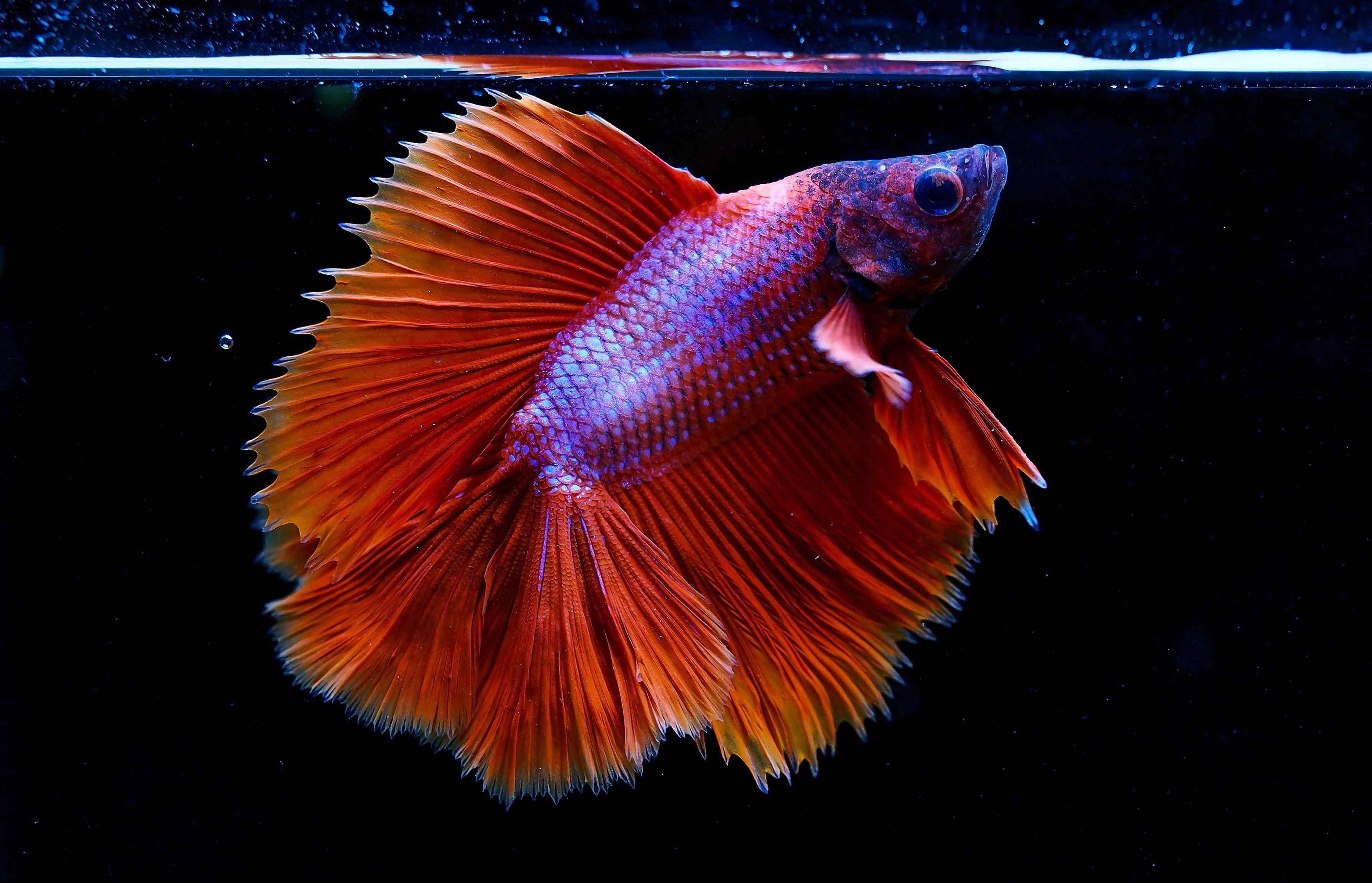
How did we go from a brown, short-finned fighter to a "Halfmoon Rosepetal" betta? The answer is human selection. Breeders noticed that sometimes a baby fish would be born with a slightly longer fin or a splash of red. By breeding those specific fish together, we essentially created a new kind of animal. Today’s domestic bettas have fins so large they wouldn’t last ten minutes in a wild swamp. But in your home tank, they are spectacular.
What Makes a Betta Special?
To give your fish a great life, you have to understand its "superpowers." It has some very strange biological tools that help them survive.
The Labyrinth Organ: The "Backup Lung"
The coolest thing about a betta fish is the labyrinth organ. Have you ever seen your fish dart to the surface, grab a gulp of air, and dive back down? That’s not just a quirk; they are actually breathing.
This organ is located just above their gills. It allows them to absorb oxygen directly from the air. In a stagnant pond where the water has no oxygen, this "backup lung" keeps them alive.
A Word of Caution: Just because they can breathe air doesn't mean they want to live in dirty water. I’ve seen many people use this as an excuse to skip water changes. Don't fall for that. They still have gills and still need clean, fresh water to stay healthy.
The Four Layers of Color
Ever wonder why your betta looks different depending on how the light hits him? It’s because their color is like a four-layer cake. According to betta genetics, their skin has four layers of pigment cells:
1. The Yellow Layer (Xanthophores): The deepest part.
2. The Red Layer (Erythrophores): This is where those fiery crimsons come from.
3. The Black Layer (Melanophores): This adds depth and that "solid" look.
4. The Iridescent Layer (Iridophores): The top layer. It has crystals that reflect light to create blues, greens, and purples.
If you have a marble betta, you’re watching "jumping genes" at work. These genes turn these layers on and off. I’ve had fish start as solid white and turn into a "blue marble" in just a few months.
Sharp Vision and Hearing
Have you ever walked into the room and noticed your betta immediately swimming to the front of the glass, wiggling with excitement?
Research shows their visual focus is so sharp that they prioritize movement and specific shapes when deciding whether to flare at a rival. This high-definition sight even allows them to recognize their owners' faces over time.
In another research it is shown that Bettas have a "Best Hearing Range" (BHR) between 100 and 400 Hz, which is perfectly tuned to the quiet, natural soundscapes of their native tropical marshes. This adaptation allows them to detect subtle acoustic cues from predators like kingfishers or rivals during territorial defense.
They also use chemical cues to sense the social status of other fish. This combination of senses helps them map their 3D environment and identify friends or foes before they even see them.
Types of Betta Fish
One of the best things about the betta fish is the variety. When you go to buy fish, you’ll see many different betta types. We can easily classify them by their physical appearances, starting from colors to different body types and fin shapes. Here is a breakdown of the most popular varieties and what you should know about them.
Popular Tail Shapes
The shape of a betta's tail (the caudal fin) tells you a lot about their personality and the kind of care they need.
Veiltail Betta
This is the classic betta. If you’ve seen a betta in a movie or a book, it was likely a Veiltail. They have long, flowing fins that arch downward like a veil. They are usually the hardiest of the bunch, which makes them perfect for beginners. One thing to watch out for: if their tank is too empty, they can get bored and start "fin nipping" (biting their own tails).
Halfmoon Betta
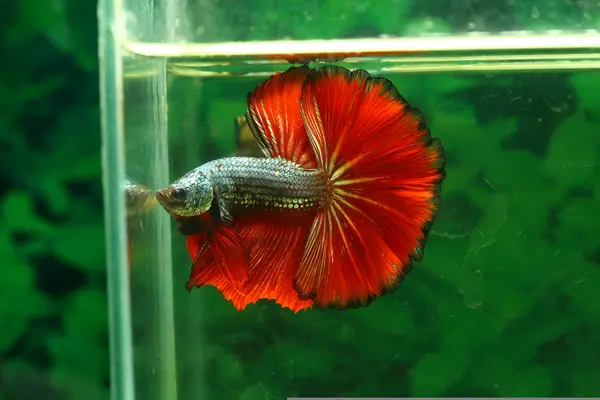
These are the "supermodels" of the aquatic world. When they flare, their tail spreads out in a perfect 180-degree "D" shape. They are breathtaking to look at, but those heavy fins are a lot of work to carry around. I’ve noticed that Halfmoons often struggle in tanks with even a medium water flow. They need very calm water so they don't get exhausted just trying to swim.
Rosetail Betta
These are essentially a more extreme version of the Halfmoon. The fins have so much extra detail that they overlap and ruffle, looking exactly like the petals of a rose. While they are visually spectacular, they carry a bit of a genetic burden. Those fins are very heavy. These fish get tired easily and are more prone to stress or tail-biting because they are literally weighed down by their own beauty. To help them out, you should keep the water level a bit lower and provide plenty of "betta hammocks" near the surface so they can rest and breathe easily.
Crowntail Betta
You’ll recognize these by their spiky, "punk rock" look. The webbing between the fin rays is reduced, making the fins look like a crown. Because those spikes are so thin and delicate, Crowntails are a bit more prone to fin rot and breakage. You’ll want to be extra careful with water cleanliness if you choose this variety.
Elephant Ear Betta (Dumbo Betta)
They have massive, colorful pectoral fins that look like giant ears, hence the name Elephant Ear Betta. Instead of the usual tiny clear fins on their sides, these fish look like they are "flying" or rowing through the water. It’s a very cute look, but it can make them a bit clunky as swimmers. It is critical to use a very gentle filter so they don't get worn out fighting the current.
Plakat Betta
This is the short-finned version of the betta. They look much more like the wild fighters. Plakats are becoming huge favorites among experienced hobbyists. Why? Because they are athletes. They are faster, more active, and don't suffer from the swimming difficulties that long-finned fish do. They are generally much healthier and live longer.
Eye-Catching Designer Patterns
Beyond the fins, breeders have created some incredible color patterns. But some of these "designer" looks come with unique quirks.
Koi Betta
These look just like the koi fish you see in garden ponds. They have splashes of red, orange, black, and white. This look comes from something called the "marble gene." Here’s a fun fact: this gene is like a surprise box. Because of it, Koi betta’s colors are often unstable. Don't be shocked if your fish looks completely different six months after you buy him.
Mustard Gas Betta
This is a classic "bi-color" look that has been a favorite for years. A true Mustard Gas betta has a dark blue or green body that contrasts sharply with bright yellow or orange fins. Many also have a dark, smoky edge along the very tips of their fins, which makes the yellow "pop" even more. To keep those yellow fins looking vibrant, I recommend feeding high-quality live or frozen foods like bloodworms. The natural pigments in high-quality food help maintain those warm orange and yellow tones.
Dragon Scale Betta
These are stunning fish with thick, metallic-white scales that look like a suit of armor. While they look like little knights, they have a specific health risk called "Diamond Eye." Over time, those thick scales can actually grow over the fish's eyes, causing them to go partially or totally blind. If you have a Dragon Scale, you may eventually need to train them to find food using sound or scent - "station feeding" - tapping the same spot on the tank every day so they learn to find food by sound and habit.
Samurai Betta (Black Samurai)
Usually found on a Plakat body, this is one of the coolest modern patterns. They usually have a solid black body with thick, metallic silver or white scales covering the top half of their head and back, like a "shattered" or "masked" metallic look. It looks just like a samurai’s helmet or a piece of armor. Because they share the same genes as the Dragon Scale, they also run the risk of Diamond Eye. Same type care should be given to this as well.
Black Orchid Betta
If you like a darker aesthetic, this is the fish for you. They have deep black bodies and fins, but with electric blue or steel-colored iridescence streaking through them. When the fish flares, the blue streaks look like moonbeams against the dark fins. It’s an incredibly elegant look. Because the blue "iridescent" layer is on top of the black layer of their skin, these fish often "blue up" as they get older.
Alien Betta
These are a very cool, modern trend. They have a sleek "snakeskin" pattern and a high-contrast metallic shine. Unlike most pet store fish, they are hybrids - a mix of domestic Betta splendens and wild species. They are considered rare betta fish and are a top choice for collectors who want a fish with a "wild" edge.
The "Bowl Myth" and the 5-Gallon Truth
This is a topic I feel very strongly about. For years, the story has been: "Bettas live in puddles in the wild, so they like small bowls." Let me be clear: This is a myth, and it’s a dangerous one.
Why You Need a 5 Gallon Betta Tank
In the wild, those "puddles" are part of a massive ecosystem. Research shows that in the wild, a single betta usually has about its own "square meter" of territory. That is a lot of space! When we put them in a small bowl, the water becomes toxic very fast. Many veterinarians suggest larger containers with enough space to swim freely. I always recommend a 5 gallon betta tank as the absolute minimum. Here is why:
Steady Water Quality
In a 1-gallon bowl, ammonia from fish waste and uneaten food reaches poisonous levels in just a few hours. But, in a 5-gallon tank, the larger amount of water dilutes those toxins. This gives you a buffer and allows the nitrogen cycle to work.
Rest, Exercise and Exploration
Bettas are surprisingly smart and curious. They have individual personalities and they can actually get frustrated quickly. When they are stuck in a tiny, bare container, like a bowl, they often start "glass surfing" - swimming back and forth against the glass in a repetitive, stressed-out way.
To be truly happy, they need enrichment. This means providing live plants, rocks, and caves, all of which need a bigger tank. Research shows that bettas spend nearly half of their resting time leaning against plants or hideouts. They love to "sleep" on a broad leaf near the surface. When they are awake, you’ll see them patrolling their territory and exploring plants.
Stable Temperature
I cannot stress this enough: Bettas are tropical fish. They are not adapted for room-temperature life.
Metabolic Function: In the wild, their water can reach nearly 86°F during the breeding season! In your home, they need a steady range between 76°F and 81°F.
The Consequence of Cold: When a betta gets cold (below 76°F), its body literally slows down. Its metabolism crashes, it loses its appetite, and its immune system stops working. This is why "cold" bettas get sick with things like Fin Rot or Ich.
It is much easier to keep a steady temperature in a 5-gallon tank because larger volumes of water lose heat slowly. A small bowl, on the other hand, can change temperature every time a draft blows through the room. A heater and a thermometer are life support systems. Make sure you have them!
Pro-tip: Many aquarium kits are sold as "5 gallons," but once you add gravel and decor, the actual water volume is lower. To make sure your betta has the space he needs, use our Aquarium Volume Calculator to get an accurate measurement of your tank's capacity.
Feeding Your Betta
In the wild, bettas are hunters. They eat bugs, larvae, and tiny shrimp. To keep their colors bright, we need to feed them like the predators they are.
Pellets vs. Live and Frozen Feeds
A high-quality pellet should be the main meal. Look for a brand where the first ingredient is whole fish or shrimp, not "wheat flour". While pallets are the most convenient main meal, they aren't always enough on their own. It is a known fact that Bettas fed only commercial pellets grow much slower - sometimes gaining only half as much weight as fish on a varied diet.
The reason comes down to the Nutritional Gap. A standard fish pellet is usually around 44% protein. That sounds like a lot, but a bloodworm is over 60% protein. That extra boost is what helps those long fins develop and gives the fish the energy to flare and explore.
Here is a simple rule:
Frozen Treats: Once or twice a week, give them something "real." Frozen bloodworms or brine shrimp are like steak for a betta.
The "Size of an Eye" Rule: A betta’s stomach is roughly the size of its eye. Don't overfeed! I usually give 2-3 pellets twice a day. An even better rule is to limit their daily portion to an amount they can consume within 3 to 5 minutes.
The Bloat Problem
One of the biggest killers of pet bettas is overfeeding. If your fish looks like he swallowed a marble, he has betta fish bloated symptoms. This can lead to "Swim Bladder Disorder," where they can't swim straight. If this happens, don't feed him for two days. Often, a little "fasting" is all they need to get back to normal. After a 3-day fast, I recommend feeding a little bit of Daphnia. It’s a tiny crustacean that acts as a natural laxative. It’s much safer and more effective than the old "boiled pea" trick you might see online.
Important: If your fish looks like it "swallowed a marble," it’s likely just bloated. But look closely at the scales. If the scales begin to stick out like a pinecone, this is a symptom of Dropsy. Dropsy is a very serious sign of organ failure and, unfortunately, is very difficult to treat.
Betta Behaviors and Social Life
One of the most rewarding parts of owning a betta fish is realizing they have more individual personality than almost any other fish. Some owners describe their bettas as shy and gentle, while others have "bold" fish that act like the boss of the tank. As mentioned previously they are naturally curious and smart.
The "Flare" and Mirror Stress
When a betta sees another male (or his reflection), he will flare. He pushes his gill covers (called operculae) out and stretches his fins. He is trying to say, "This is my spot, get out!".
While a little flaring is good exercise, don't leave a mirror near the tank all day. It’s exhausting for them to fight a "ghost" for hours. Five minutes a day is plenty.
Building Bubble Nests
If you see a cluster of bubbles at the top of your tank, don't worry - it’s not soap! This is a bubble nest. Male bettas build these (using the labyrinth organ to create mucus-coated air bubbles) when they are healthy and feeling "ready to mingle." In the wild, he would put eggs in those bubbles and guard them. Even without a female, a happy male will build these instinctively. It is sign that the water is the perfect temperature (near 80°F) and his stress levels are low.
Breeding
After the bubble nest ritual, when the male and female are introduced, they perform a "nuptial embrace." The male wraps his body around the female, and as she releases eggs, he fertilizes them. He then catches the eggs in his mouth and carefully tucks them into the bubble nest. The male is the sole protector of the eggs; he will even chase away the mother to keep the "babies" safe. Make sure to separate the female from the tank with the male and the eggs.
Can They Have Friends?
The "fighting fish" label leads many to believe bettas are solitary by choice, but they are actually territorial by necessity. While two males can never be housed together - as they will fight until someone is seriously injured, they don't necessarily hate all other life forms. Keeping a group of females (often called a "sorority") is possible, but it is much more complex than people realize. Interestingly, females are often more aggressive toward other females than they are toward males! They form very strict social hierarchies. In the wild, they actually prefer to swim with other fish that have similar colors to help them hide from predators. If you want to try a sorority, you need a large tank with very dense plants so each girl has a "safe space" to escape the group drama.
For a male betta, the secret to "friends" is choosing species that don't look like another betta and stay in a different part of the tank.
Snails: Nerite snails are my favorite roommates for a betta. They are peaceful, have hard shells for protection, and don't have long, flowy fins that might trigger a betta’s aggression.
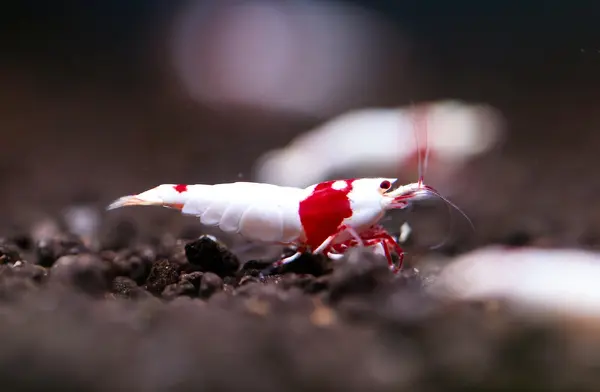
Shrimp: Betta and shrimp setups are beautiful, but be cautious. Ghost shrimp are a popular choice, but some bettas are active "hunters" and will view a small shrimp as a high-protein snack.
Cory Catfish: These are ideal tank mates. They are bottom-dwellers that "mind their own business." Since they stay at the bottom and your betta prefers the top and middle, they rarely cross paths.
FAQ: Questions I Get Asked All The Time
For How long do betta fish live?
Typically 3 to 5 years. However, if you keep them healthy, feed them well, and provide them a stress free life, some can live beyond that. It is essential to know that, lifespan is heavily influenced by genetics and care.
You can read more: For How long do Betta fish live?
Can I keep two female bettas together?
It’s possible, but very difficult. This is called a "sorority." Surprisingly, females are often more aggressive toward other females than they are toward males! If you try this, you need a large tank with thick plants so each fish has a "safe space" to hide and escape the social hierarchy.
Do they need a light?
Yes, but they need a "bedtime" too. Keep the light on for 8-10 hours a day so they have a natural day/night cycle.
Why is my betta fish "glass surfing"?
He is stressed! This is usually a reaction to his own reflection. It happens most often in small, empty tanks where the fish feels exposed. To stop this, move him to a larger furnished tank and add live plants to the edges to break up the reflections.
What is "Pineconing"?
This is a serious condition called Dropsy. The fish’s scales stick out like a pinecone. It’s usually a sign of organ failure. If you see this, you need to act fast with specialized medicine, though it is often hard to cure.
Can bettas eat human food?
No. Bettas are carnivorous hunters and need insect-based protein. They cannot survive on bread or plant roots. If your fish is bloated, skip the old "boiled pea" trick. Instead, fast your fish for two days and then feed Daphnia (tiny water fleas). It’s a natural laxative that works much better for their digestive systems.
Is "Beta" or "Betta" the right spelling?
It’s Betta (with two T's). based on the scientific name Betta splendens. Many believe the name Betta was inspired by an ancient warrior clan in asia known as the “Bettah”.
My betta looks like he's sleeping at the top. Is he okay?
Probably! Bettas love to rest on leaves near the surface so they can breathe air easily. If he swims away normally when you tap the glass, he’s just taking a nap.