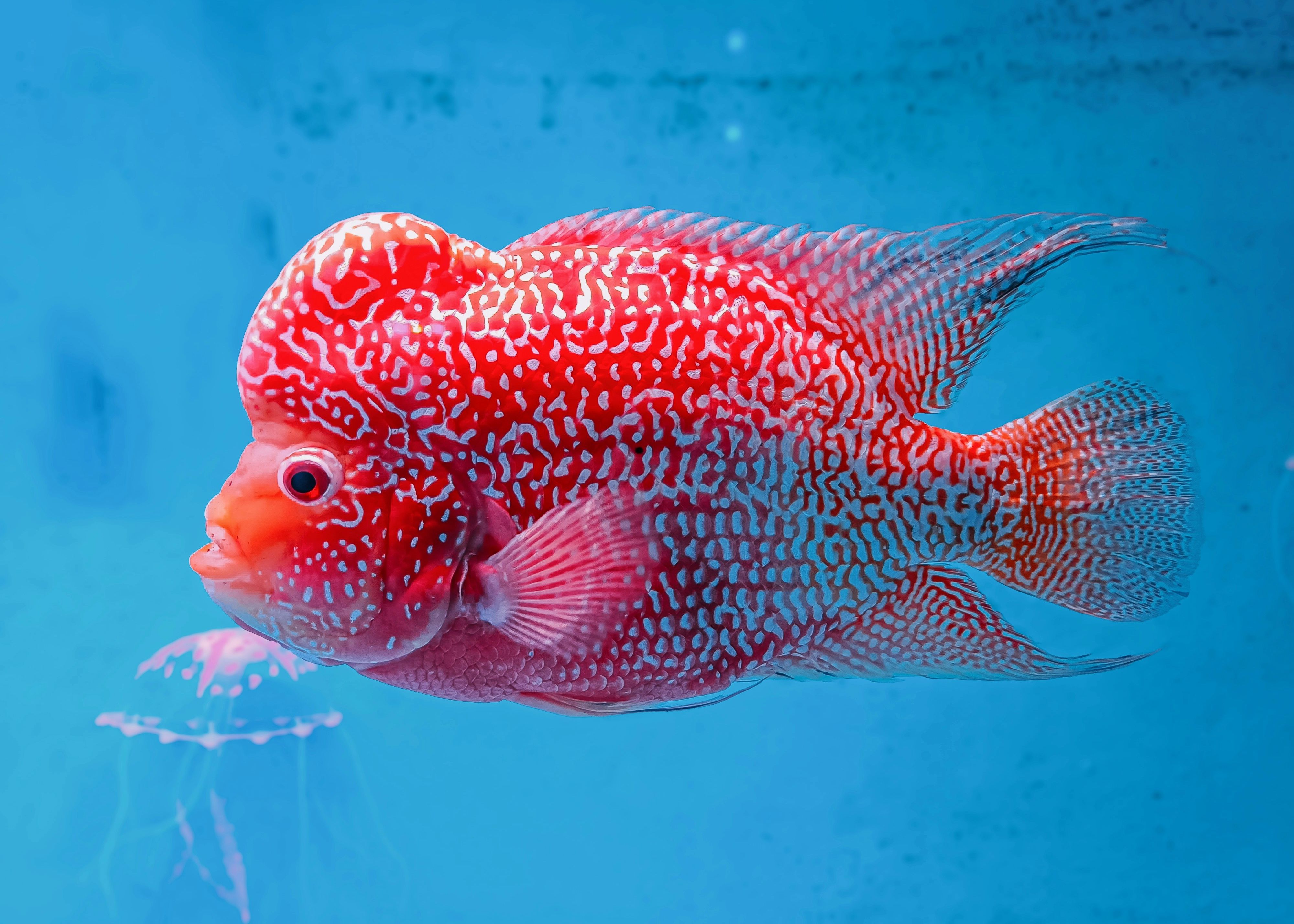
If you’ve ever walked into a high-end aquarium shop and seen a fish that looked more like a living piece of art, complete with vibrant colors, an impossible head shape, and eyes that seem to follow your every move, you’ve likely met a Flowerhorn cichlid. These aren't just fish; they are pets with massive personalities. Known for their vivid, almost neon colors, their distinctive "kok" (nuchal hump), and a bold personality. Flowerhorns represent the pinnacle of designer fishkeeping.
But keeping a Flowerhorn isn't quite like keeping a school of Neon Tetras or even a standard Oscar. They are demanding, intelligent, and physically imposing. In this comprehensive guide, we’re going to dive deep into everything you need to know about the Flowerhorn. We dive deep into areas like its origin, deeper look at flowerhorn varieties, flowerhorn buying guide and grading systems, tank setup, care & maintenance guide, and many more. Whether you’re a beginner looking for your first "showstopper" or a seasoned hobbyist wanting to master the art of grooming and ready to hop into competition, this is your ultimate resource.
The Fascinating Story of the Flowerhorn
The Flowerhorn cichlid is a unique phenomenon in the world of fishkeeping because, unlike almost every other species in your tank, it doesn’t exist in nature. It is a man-made marvel, a "designer" fish born from the creativity and dedication of breeders.
From Southeast Asian Breeders to Global Success
The story began in the late 1990s in Malaysia, Taiwan, and Thailand. Breeders wanted to create a fish that synthesized the most striking traits of Central and South American cichlids. While the exact genetic recipe is often a "trade secret" among top-tier breeders, ichthyologists and experienced hobbyists have identified the likely ancestors:
- The Red Devil (Amphilophus citrinellus): Contributes the aggressive "alpha" personality and the base for red coloration.
- The Trimac (Vieja synspila): Responsible for the characteristic "flower" markings along the side.
- The Blood Parrot Cichlid: A fellow hybrid that likely contributed to the rounded body shape and the potential for a larger nuchal hump.
The goal wasn't just a healthy fish, but an aesthetic one. By the early 2000s, the first true Flowerhorns, initially called Luo Han, emerged, sparking a global boom. Today, they are a global icon of the hobby, representing a complex mix of genetic manipulation and high-stakes commercialism.
The Meaning Behind the "Flower" and the "Kok"
Why the name "Flowerhorn"? It comes from two distinct features that breeders prize above all else:
The "Flower": These are the black calligraphic markings along the fish's lateral line. In many Asian cultures, these markings are thought to resemble Chinese characters, bringing messages of good luck and prosperity to the household.
The "Kok": This is the prominent nuchal hump on the head. Also known as a "water head," a large, well-shaped kok is a symbol of longevity and status.
For many owners, keeping a Flowerhorn isn't just about fishkeeping; it’s about inviting positive energy and fortune into their homes.
Popular Flowerhorn Varieties
Navigating the world of Flowerhorn strains can feel like learning a new language. While there are hundreds of local names, most fish fall into a few primary categories.
The "Big Two" - Understanding the Main Varieties
Almost every Flowerhorn on the market today descends from two primary "root" strains. Understanding the distinction between Zhen Zhu and Kamfa is the fundamental first step for any collector.
The Zhen Zhu (ZZ) - The "Pearl" of the Orient
The Zhen Zhu (meaning "Pearl") is the most iconic and widely available variety. If you see a Flowerhorn that is hyper-interactive, possesses a massive, balloon-like head, and is covered in metallic silver speckles, it is likely a ZZ.
- The Look: ZZ varieties typically have a more elongated, "pear-shaped" body compared to other strains. Their most defining feature is their intense "pearling"-tiny, reflective spots that look like they were dusted onto the scales.
- The Eyes: One of the easiest ways to identify a ZZ is by the eyes. They are usually protruding (bulging) and vivid red.
- The Nuchal Hump (Kok): ZZ koks are often "water-filled" (soft to the touch) and can grow to massive, gravity-defying proportions.
- The Sub-Strains: * Super Red Dragon (SRD): The "Gold Standard" of ZZ. Prized for a deep, blood-red front half and a contrasting silver-pearled back half.
- Magma: Known for a "lava" like pattern where the red and pearls create a cracked, volcanic appearance.
The Kamfa - The "King" of Structure
While the ZZ is flashy and high-energy, the Kamfa represents the pinnacle of "classic" beauty. Developed by crossing Flowerhorns back with Parrot Cichlids and Vieja species, the Kamfa is the refined, "boxy" cousin of the ZZ.
- The Look: Kamfas are known for their square, muscular body shape. Unlike the ZZ’s roundness, a Kamfa should look solid and sturdy.
- The "Sunken" Eyes: This is the hallmark of a true Kamfa. Their eyes are not protruding; they are set deep into the head. The most prized colors are white or yellow, though orange is common. Red eyes in a Kamfa are often seen as a sign of ZZ hybridization (the "Kamfamalau").
- The Fins (The Wrap): High-grade Kamfas must have wrapped fins. This means the dorsal (top) and anal (bottom) fins are so long and wide that they overlap the tail (caudal) fin, creating a "fan" look with no visible gaps.
- The Mouth: Kamfas have a shorter, "parrot-like" snout where the top and bottom lips meet evenly, unlike the ZZ's often protruding lower jaw.
The Designer Elite - Rare and Specialty Strains
Beyond the ZZ and Kamfa lies the world of "Boutique" Flowerhorns-fish bred for specific, often ethereal, aesthetic qualities.
The Thai Silk (Titanium)
A relatively modern marvel, the Thai Silk is a departure from the traditional red-and-black aesthetic.
- Coloration: These fish are covered in a solid, metallic sheen. It ranges from a pale "Platinum" silver to a deep "Cobalt" blue.
- The "Clean" Look: Most Thai Silks are "flowerless," meaning they lack the black lateral line. Their beauty comes from the way light dances off their metallic scales.
The Golden Monkey (Kamalau)
The Golden Monkey is the "Legend" strain. Originally developed in Malaysia, true Kamalau lineage is rare and incredibly expensive.
- The "Face": They are known for having a "human-like" face with very expressive features.
- The Pearls: Unlike the "dots" of the ZZ, Kamalau pearls are often "worm-like" or "calligraphic," creating intricate mazes across the body.
- The Hybrid King: Today, many "Kamfamalaus" attempt to replicate this look by crossing ZZ pearling with Kamfa body structure.
The Fader (Golden Base)
The Fader is a biological wonder. These fish are born black or grey, and at a certain point in their juvenile stage, they "molt" or fade.
- The Transformation: The black pigment peels away to reveal a vibrant solid yellow or orange base.
- The "Golden" Appeal: A high-grade Fader with a large red kok and a solid yellow body is considered a massive "Good Luck" symbol in Feng Shui.
The Bonsai (Short Body)
For collectors with limited space or a love for the "cute" factor, the Bonsai is a genetic mutation where the spine is compressed.
- The Shape: They are nearly circular. A perfect Bonsai should have no "tail gap"-the body should transition almost immediately into the tail.
- Health Note: Because their organs are compressed, they require high-quality, easily digestible food to prevent swim bladder issues.
Ultimate Buying Guide - How to Spot a "King"
If you are looking to buy a Flowerhorn as an investment or for competition, you need to use the "Point System" used by international judges (such as the United Flowerhorn Association). A "Masterpiece" is graded on five critical pillars.
Pillar 1: The Kok (Nuchal Hump) - 30% of Total Grade
In the Flowerhorn world, size matters - but shape matters more.
- The "Button": In fry, judges look for a "rise" or "button." If the forehead is flat at 3 inches, the fish is likely "Low Grade."
- The Proportions: A "King-grade" kok should be proportional to the body. It should be "forward-leaning" (overshadowing the mouth) and perfectly rounded.
- Crossover: The ultimate prize is a "Crossover Kok," where the metallic pearls and red coloration extend fully onto the hump itself.
Pillar 2: The Script/Flowerline - 20% of Total Grade
The "Flower" in Flowerhorn refers to the black markings along the side.
- The Calligraphy: The markings should look like Chinese characters. If the "ink" is messy, blurry, or faded, the grade drops.
- Double Row: A rare and highly sought-after trait where the fish has two parallel rows of black flowers.
- Completeness: A "Show Grade" fish must have a flowerline that extends at least 75% to 100% of the body length, from the tail base up to the gill cover (and sometimes onto the head).
Pillar 3: The Pearling (Texturing) - 20% of Total Grade
Pearls provide the "glitter" that makes the fish pop under aquarium lights.
- Consistency: The pearls should be evenly distributed. "Bald spots" (areas with no pearls) are a major defect.
- The Eyes: High-grade specimens often have "eye pearls" - tiny metallic dots on the actual "whites" of the eyes.
- Face Pearls: If the pearls cover the face and gill covers (often called "Worm Pearls"), the value of the fish triples.
Pillar 4: Coloration - 20% of Total Grade
- The "Red" Standard: The red should be deep, solid, and "bloody." It should ideally cover the front half of the fish (from the nose to the pectoral fins).
- Fading: If the color looks "washed out" or pinkish, it indicates poor genetics or high stress.
Pillar 5: Body Shape & Finnage - 10% of Total Grade
- The "Box" vs. The "Pear": For Kamfas, a "Square" body is the goal. For ZZs, a "Stout" but balanced body is preferred.
- Tail Strength: The tail must be strong and fan-like. If the tail "droops" or "folds" when the fish swims, it is considered a defect.
- Wrapped Fins: As mentioned, the "wrapped" look - where fins create a continuous circle around the back of the fish - is the hallmark of competition-grade Kamfas.
How to Grade a 2-Inch Fry
The hardest part of the hobby is "Fry Selection." You are trying to predict what a 2-inch "ugly duckling" will look like as a 12-inch "Swan."
- The "Active Bully": Never pick the shy fish. Pick the one that is attacking the others or following your finger. That aggression is a sign of high testosterone, which fuels kok growth.
- Check the Lips: Look for even jaw alignment. An underbite at 2 inches will become a massive deformity at 8 inches.
- The Eye Glow: Even in tiny fry, the eyes should be bright and clear. Cloudy eyes in a juvenile often hint at internal parasites or poor breeding.
- The "Black Spot" Rule: Look at the flowerline on the fry. If it’s already dark and distinct, it will likely stay that way. If it’s "broken" or faint, it rarely fills in later.
Male or Female? A Guide to Sexing and Venting Flowerhorns
In most fish species, telling males from females is easy. In the world of hybrid Flowerhorns, it is a high-stakes guessing game. While many hobbyists want a male for that iconic massive "kok" (nuchal hump), a high-quality female can be just as stunning and often more manageable.
Venting: The Only "100% Sure" Method
If you want to move beyond guesswork, you have to look at the "vent" (the area between the anus and the anal fin). This requires steady hands and a gentle touch.
- The Male (The "V"): A male’s vent is small, narrow, and comes to a triangular point. Think of it as a sharp "V" shape.
- The Female (The "U"): A female’s vent is noticeably wider and rounded, shaped like a broad "U". This is an evolutionary design to allow for the passage of eggs.
The Nuchal Hump: A Clue, Not a Guarantee
It’s the biggest myth in the hobby: "If it has a big head, it’s a male." * The Reality: While males are biologically predisposed to grow larger koks due to higher testosterone levels, top-tier female Flowerhorns (especially in the Kamfa line) can develop impressive humps.
The Warning: Conversely, a male with "poor" genetics or one that has been stunted by bad water quality may never grow a hump at all. Never judge a fish’s gender solely by its forehead.
Behavioral "Tell-Tales"
If your fish is over 5-6 inches, its behavior will start to give it away.
- The Egg Layer: If you wake up to find a flat rock covered in hundreds of tiny translucent beads, congratulations! you have a female. Sexually mature females will "drop eggs" roughly once a month, even if there isn't a male in the tank to fertilize them.
- The Aggression Scale: While both genders are full of personality, males typically exhibit a higher level of territorial aggression and "mirror-play" intensity.
Sourcing Your Flowerhorn Fish: Reputable Breeders vs. Local Stores
Where you buy your Flowerhorn determines its ceiling. A fish from a generic "mixed cichlid" tank at a big-box pet store might look cute now, but its genetic potential is likely capped.
The Power of "Lineage"
In the Flowerhorn world, Lineage is everything. When you buy from a reputable breeder, you aren't just paying for a fish; you are paying for the years of selective breeding that went into it.
- Ask for the "Parental Blueprint": A professional breeder will always be able to show you photos or videos of the Sire (Father) and Dam (Mother).
- Predicting the Future: If the father is a "King Kamfa" with wrapped fins and a massive crossover kok, there is a high statistical probability that the fry will inherit those traits. Without parent photos, you are essentially gambling.
The Price of Quality
- The "LPS" (Local Pet Store) Fish: Usually 50. Great for beginners, but often results in a "ZZ" with faded colors and a small head.
- The Breeder/Import Fish: 1,000+. These are "Competition Grade." You are paying for guaranteed deep reds, intense pearling, and a kok that will become the centerpiece of your room.
Pro Tip: If you're looking for a specific look, search for "SRD" (Super Red Dragon) for intense reds, or "Thai Silk" if you want a metallic, pearlless blue titan. Always buy the fish you love today, but invest in the genetics you want to see tomorrow.
Setting Up the Perfect Flowerhorn Habitat: Tank and Water Requirements
Flowerhorns are tough, but if you want them to reach their full potential (and grow that massive kok), you need to provide more than just "good enough" water.
Essential Tank Size and Filtration for a Growing Giant
Flowerhorns are large, active predators that can reach 12 to 16 inches in length.
Minimum Size: A single adult needs at least a 55-75 gallon tank. However, a 125-gallon tank is much better for stability and growth.
Filtration: These fish eat a lot and produce a massive bio-load. You need high-capacity filtration, ideally large canister filters or sumps, to keep the water pristine.
Flow: While they are strong swimmers, avoid "whirlpool" levels of flow, which can stress the fish and lead to "dropped" fins or koks.
Ideal Water Parameters: Managing pH, Hardness, and Temperature
Stability is the secret to a happy Flowerhorn. Aim for these targets:
Temperature: 80-86°F (27-30°C). Warm water is crucial for their metabolism and immune system.
pH: 7.4-8.0. They prefer slightly alkaline water.
Maintenance: Weekly water changes of 25-50% are non-negotiable. High nitrate levels are one of the leading causes of "Hole-in-the-Head" disease.
Recommended products
We may earn from qualifying purchases


Minimalist vs. Naturalistic: Best Practices for Flowerhorn Decor
Most Flowerhorn pros keep their tanks minimalist.
Bare Bottom: Many keepers skip substrate entirely. This makes it easier to vacuum waste and prevents the fish from swallowing gravel or injuring its kok while digging.
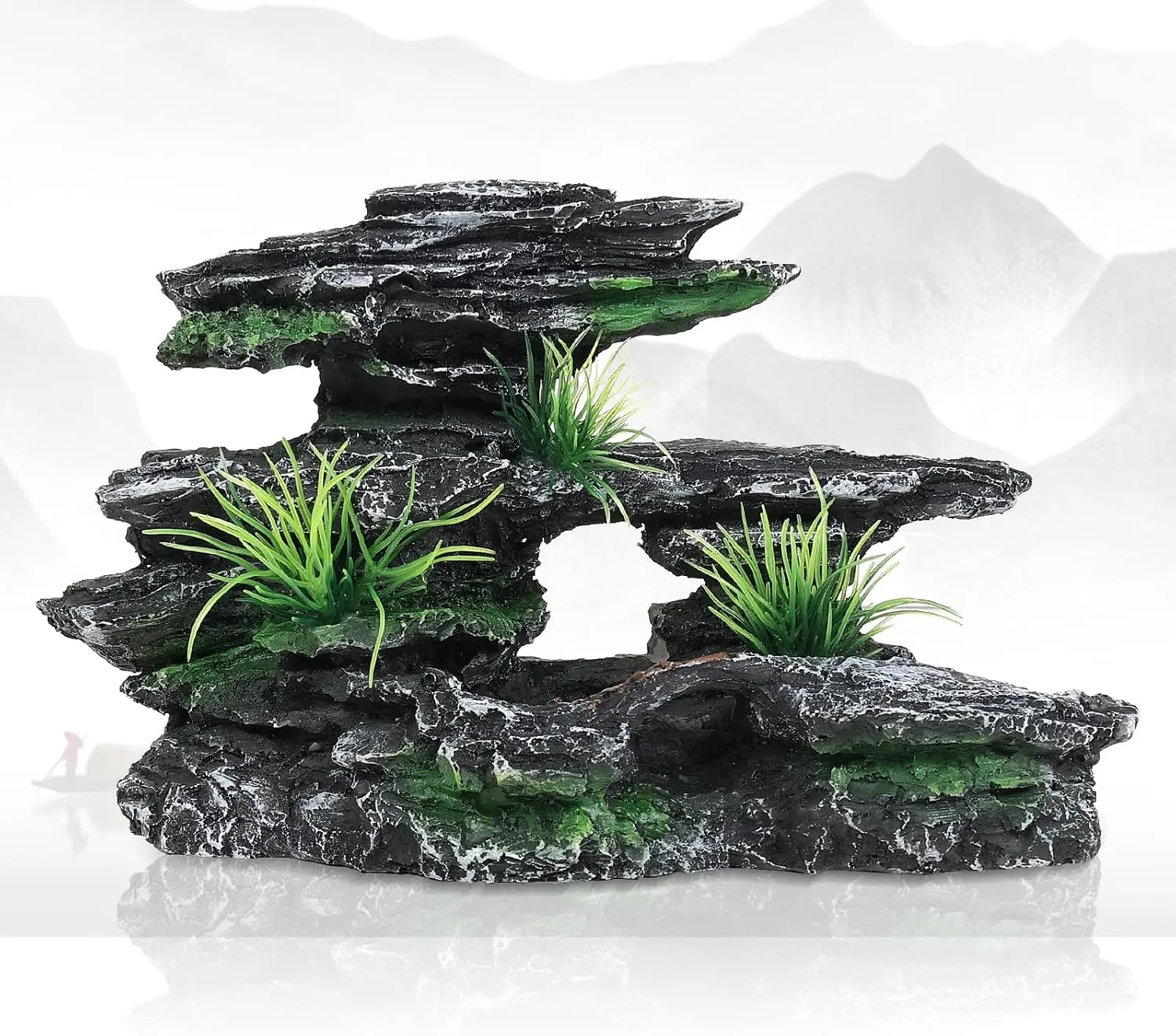
Decor: If you add decor, avoid sharp edges. A Flowerhorn in a fit of aggression or "grooming" excitement can easily scrape itself. A few smooth river stones are usually plenty.
Recommended products
We may earn from qualifying purchases
Daily Care and Advanced Grooming Techniques
One of the most rewarding aspects of Flowerhorn ownership is "grooming" - the process of using diet and environmental stimuli to bring out the fish's best features.
Mastering the Diet: High-Protein Pellets and Supplemental Foods
Your fish is what it eats. To maintain that vibrant red and large kok, use a high-quality staple.
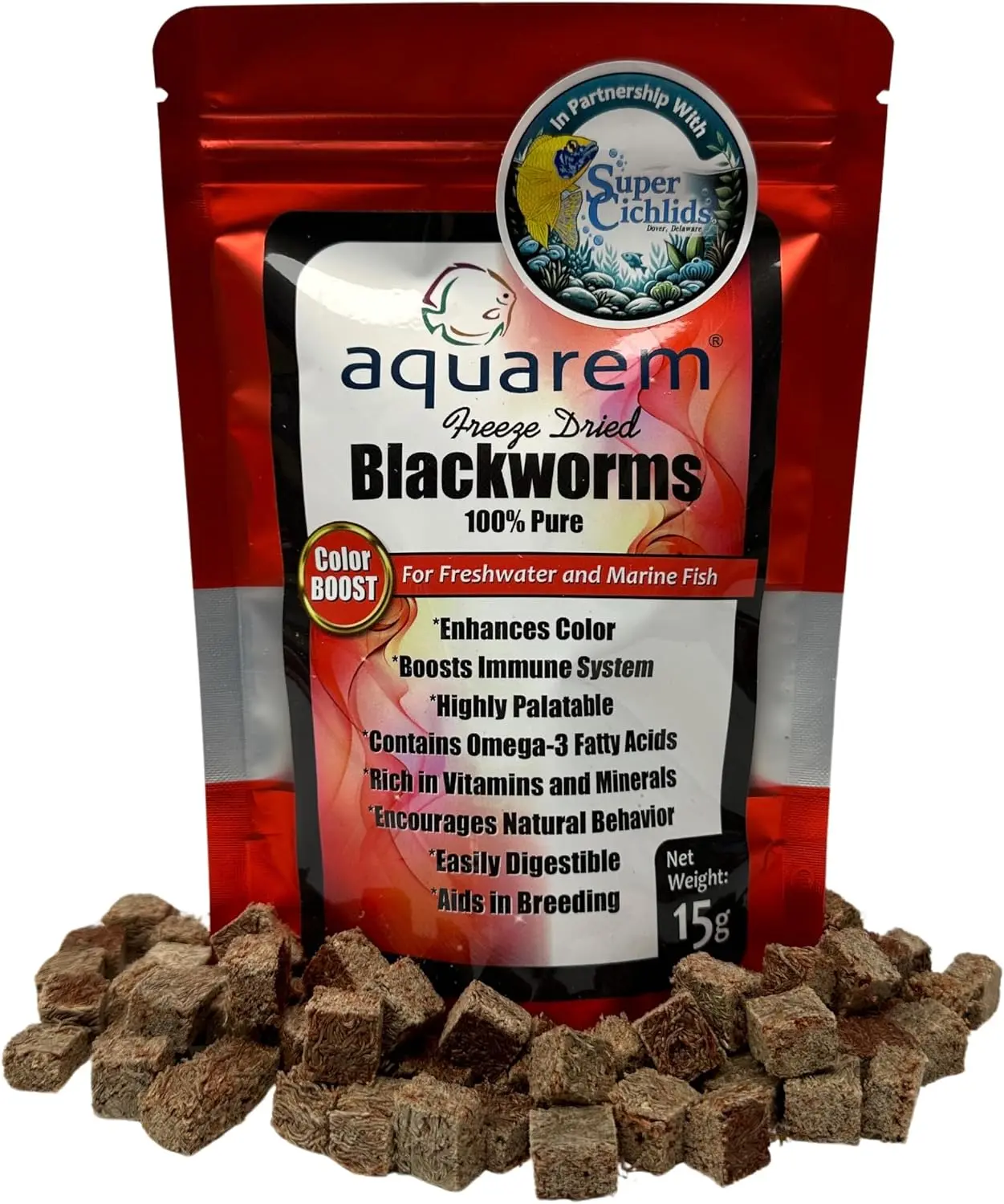
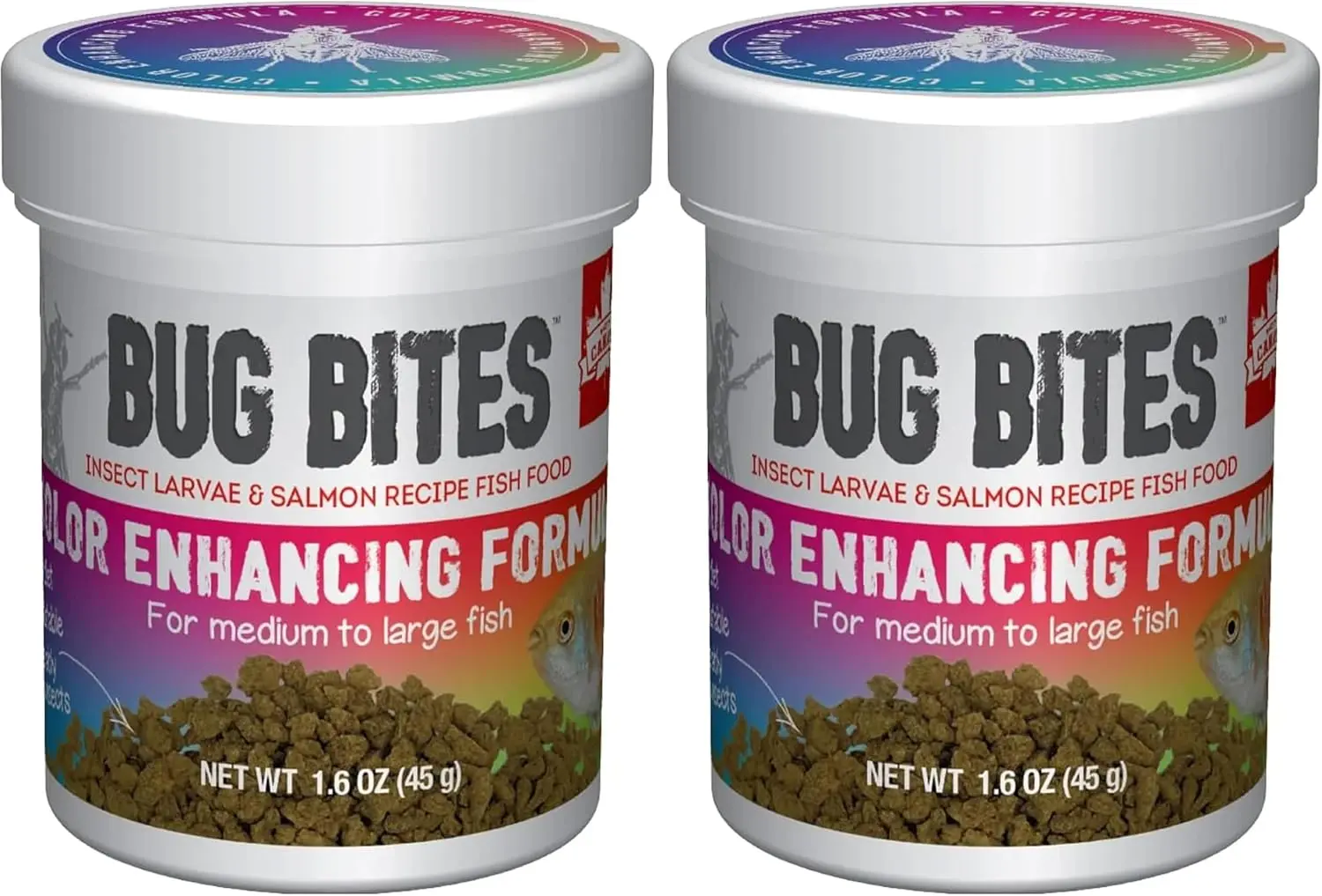
Pellets: Look for pellets enriched with astaxanthin (for red color) and spirulina (for health).
Fresh/Frozen: Supplemental treats like frozen bloodworms, krill, or mysis shrimp are great.
What to avoid: Never feed "feeder fish" from a shop, as they often carry diseases that can be fatal to your prized Flowerhorn.
Recommended products
We may earn from qualifying purchases
The Art of Grooming: Mirror Training and Mental Stimulation
Because they are so intelligent and territorial, Flowerhorns need mental stimulation.
Mirror Training: Place a mirror against the glass for 5-10 minutes, once or twice a day. The fish will "fight" its reflection, which triggers hormones that stimulate the growth of the nuchal hump and keeps the fins strong and upright.
Hand Interaction: Many Flowerhorns can be trained to follow your hand or even be gently petted (though watch out for bites!). This interaction reduces stress and makes the fish more "attentive".
Enhancing Color and Kok: Tips for Show-Quality Results
If you are preparing for a show or just want a "show-quality" look:
Light Cycle: Maintain a strict 10-hour light cycle.
Backgrounds: Using a blue or black background can often make the fish's colors "pop" more intensely.
Specialized Foods: Use color-enhancing foods specifically for 6-8 weeks before you want the fish at its peak.
Compatibility and Social Life: Choosing the Right Tank Mates
This is the section where most hobbyists run into trouble. Flowerhorns are notoriously aggressive. They don't just "dislike" roommates; they often actively try to eliminate them.
Why Most Flowerhorns Thrive Alone
For the average hobbyist, the best tank mate for a Flowerhorn is... nobody. Keeping them solo allows the fish to feel like the "king" of its territory, which reduces stress and leads to better color and kok development.
Keeping Flowerhorns with Arowanas and Oscars
If you have a massive tank (200+ gallons), you might succeed with:
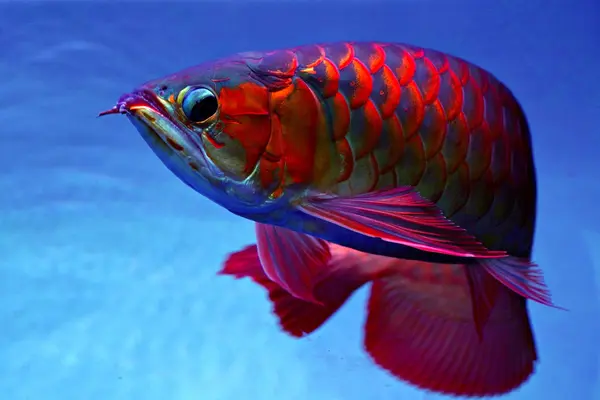
Silver Arowana: Because Arowanas stay at the surface and Flowerhorns usually occupy the middle/bottom, they can sometimes coexist. Plus, an Arowana is large enough to defend itself.
Large Plecos: A large armored catfish can sometimes work as a bottom-dweller, though the Flowerhorn may still nip at its fins.
Oscars: These are tough enough to hold their own, but both fish need plenty of individual territory to avoid constant war.
The Goldfish Dilemma: Why They Are Poor Roommates
Can you keep a Flowerhorn with a Goldfish? No.
Temperature: Goldfish prefer 65-72°F; Flowerhorns need 80°F+.
Aggression: Goldfish are slow, peaceful, and have no way to defend themselves from a predator like a Flowerhorn.
Diet: Their nutritional needs are completely different.
Common Diseases and Treatments
Because of their hybrid nature, Flowerhorns can be susceptible to specific health issues. Early detection is everything.
Battling Hole-in-the-Head (HITH) and Hexamitiasis
This is the most common Flowerhorn ailment.
Symptoms: Small pits or "craters" on the head and lateral line.
Causes: Poor water quality and the Hexamita parasite.
Treatment: Use Metronidazole in the water or food. Some traditional breeders use a method called "cupping," but for most hobbyists, improving water quality and using medicine is the safest route.
Managing Internal Bloat and Parasitic Infections
If your fish stops eating and looks "swollen," it may have bloat.
The "White Poop" Sign: Long, stringy white feces are a classic sign of internal parasites.
Treatment: Stop feeding immediately. Use Epsom salt baths (1 tablespoon per 5 gallons) to help the fish "clear out" its system.
First Aid for Injuries and External Fungal Issues
Aggressive fish often bump into things.
Bubbles on the Kok: Sometimes fluid-filled bubbles appear on the hump. These are usually caused by minor infections or stress. Clean water and a small amount of aquarium salt usually resolve this.
Fungus/Ick: Treated like any other tropical fish with standard copper or malachite green-based medications.
Is flowerhorn a right choice for you?
Owning a Flowerhorn is more like adopting a high-energy puppy than keeping a typical fish. Because of their legendary territorial aggression, these fishes require a solo kingdom, meaning a dedicated 75-to-100-gallon tank just for one fish. While they won’t tolerate roommates, they will bond deeply with you, following your movements and begging for attention the moment you walk into the room.
Before you dive in, make sure you're ready for the "behind-the-scenes" work required to keep them healthy and vibrant:
- A Decade-Long Pact: They live for 10-12 years, so this isn't a short-term hobby.
- High-Octane Maintenance: Expect weekly 50% water changes and a budget for premium, hump-enhancing nutrition.
- Active Grooming: To reach their "Masterpiece" potential, they need frequent interaction and mirror training to stimulate their hormones and head growth.
Ultimately, a Flowerhorn is the perfect choice if you want an interactive, "living art" centerpiece with a massive personality. However, it’s likely not for you if you prefer a peaceful community tank or a low-maintenance pet. If you’re ready for the commitment, you’ll find that the bond you build with your Flowerhorn is one of the most rewarding experiences in the aquarium world.