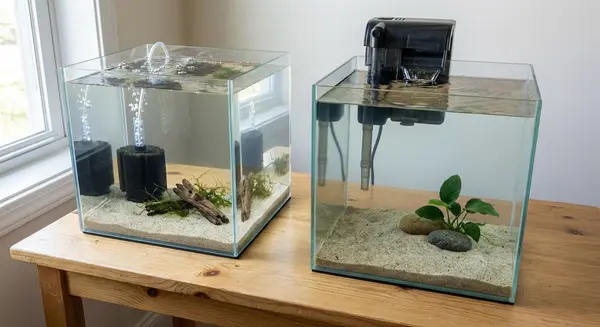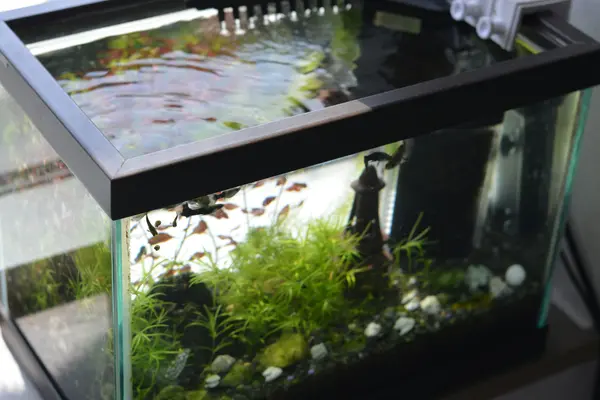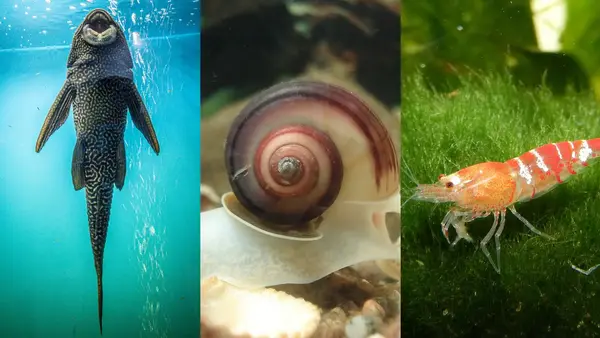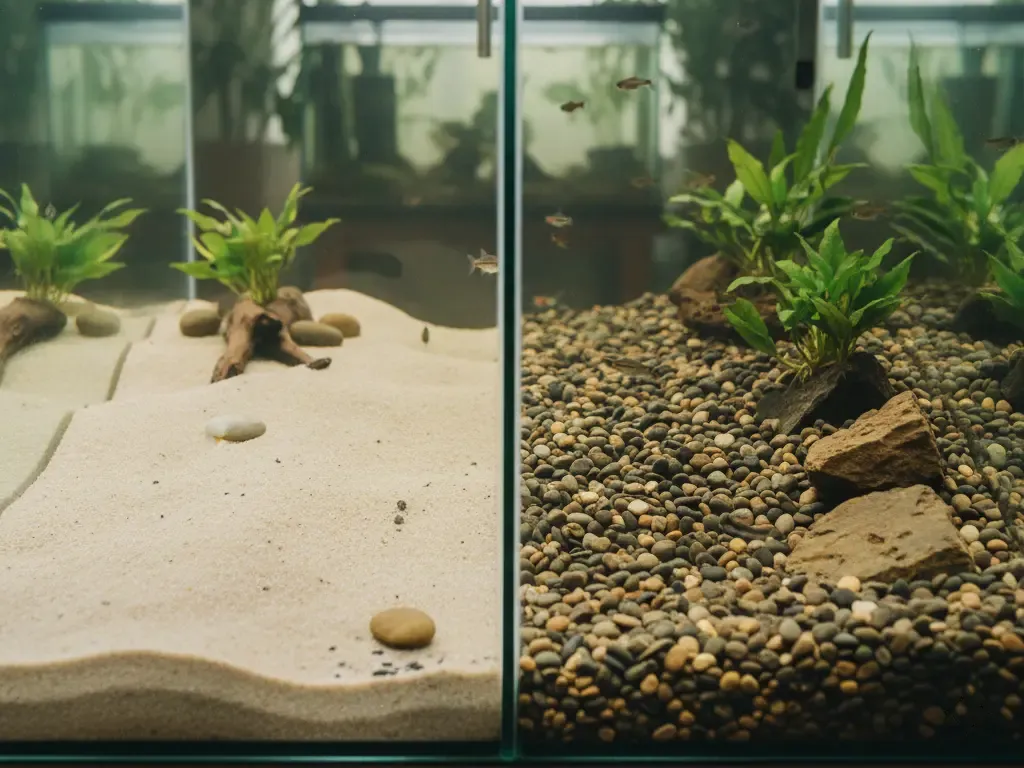
Choosing a substrate is one of the few decisions in the aquarium hobby that is truly foundational. Unlike a filter or a heater, which can be swapped out in minutes, the floor of your aquarium is essentially a permanent commitment. It is the stage upon which your aquatic world is built, and it influences everything from the health of your plants to the happiness of your fish and your weekend maintenance schedule.
In the world of aquascaping, the debate between sand and gravel is legendary. Some swear by the pristine, beach-like look of sand, while others would not dream of abandoning the classic reliability of gravel. In this guide, we break down the mechanics, the aesthetics, and the maintenance realities of both options. Whether you are setting up your first 10 gallon community tank or a high-tech masterpiece, here is everything you need to know about the sand vs. gravel showdown.
Why Your Choice Matters
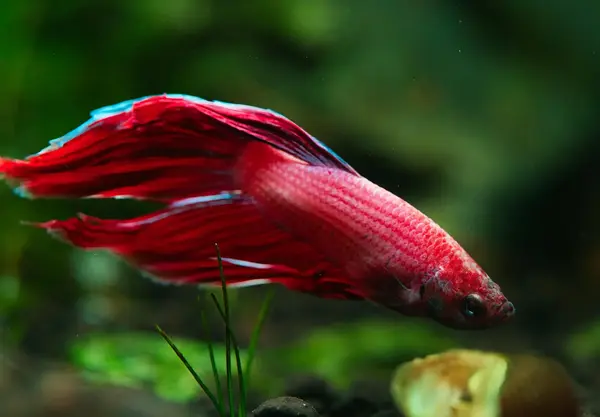
When setting up a new aquarium, the initial excitement often centers on the livestock. We envision schools of neon tetras or the graceful flow of a long-finned betta. However, the experienced hobbyist knows that the success of those fish depends entirely on the invisible world beneath them. The substrate is not just a decorative choice or a way to hide the glass bottom of the tank. It is the literal foundation of your miniature ecosystem. Choosing between sand and gravel is the first major fork in the road of tank management, and the path you choose will dictate your maintenance routine, your water chemistry, and even the lifespan of your fish for years to come.
Beyond Aesthetics
It is easy to view substrate through the lens of interior design. We want a floor that complements our living room decor or makes the green of our plants pop. But from a biological perspective, the substrate acts as a physical and chemical buffer for the entire environment. One of the most overlooked aspects of substrate is its impact on light reflection and fish stress. Many species of fish have evolved in environments with dark, leaf-littered floors or murky riverbeds. When we place them in an aquarium with bright white sand or highly reflective gravel, the light from the aquarium lamp bounces off the bottom, creating a high-stress environment that can wash out a fish's color and suppress its immune system.
Furthermore, the physical structure of the substrate dictates how water moves through the tank. In a natural river or lake, the bed is a dynamic zone where water, nutrients, and waste interact. In the confined space of an aquarium, this interaction is amplified. A substrate that is too compact can lead to stagnation, while one that is too loose might not provide the stability needed for hardscaping. By viewing the substrate as a functional piece of equipment rather than just a bag of rocks, you begin to understand why this decision carries so much weight.
The Biological Engine
The most critical role of any substrate is its service as a massive biological filter. While your power filter or canister filter handles a significant portion of the nitrogen cycle, the surface area provided by several inches of substrate is often far greater. This is where the nitrogen cycle truly lives and breathes. Research into the Microbial Ecology of Aquatic Systems confirms that nitrifying bacteria like Nitrosomonas and Nitrobacter do not just float in the water; they require surfaces to attach to, forming complex structures known as biofilms.
These biofilms are the primary defense against ammonia and nitrite spikes. The choice between sand and gravel significantly alters the landscape for these bacteria. Gravel, with its large interstitial spaces, allows for high levels of oxygenated water to flow deep into the bed. Since nitrifying bacteria are aerobic, this creates a powerhouse of filtration throughout the entire depth of the substrate. Sand, conversely, provides a massive surface area on its top layer but can become oxygen-depleted just an inch or two down. This shift in oxygen levels leads to different types of microbial colonization, including facultative anaerobes that can assist in the final stage of the nitrogen cycle: the reduction of nitrates into nitrogen gas. Understanding this microbial balance is the difference between a tank that is merely surviving and one that is thriving.
Understanding Your Goal
Before you make a purchase, you must define the long-term goal of your aquarium. Not every substrate is suited for every type of hobbyist. If your goal is a high-energy planted tank, your substrate needs to act as a nutrient reservoir. If your goal is a high-flow hillstream loach setup, your substrate must be heavy enough not to wash away in the current.
For the average hobbyist, the goal is usually a balance of beauty and ease of maintenance. This is where the debate becomes personal. Are you the type of keeper who enjoys the zen-like process of a deep-clean water change every Sunday? Or do you prefer a system that requires less frequent intervention? Your substrate choice will lock you into one of these paths. A gravel bed is forgiving of a missed week of cleaning but accumulates more waste over time. A sand bed shows every speck of dirt immediately, demanding a more frequent but often quicker cleaning touch. By aligning your choice with your personal maintenance style, you ensure that the hobby remains a joy rather than a chore.
The weight of this decision cannot be overstated because, unlike a light fixture or a heater, the substrate is the soul of the tank. Once the water is in, the plants are rooted, and the fish are acclimated, changing your mind becomes a logistical nightmare that often involves tearing the entire ecosystem down. Taking the time to weigh the biological, physical, and aesthetic consequences now is the best investment you can make for your future aquarium.
Aquarium Sand: Pros, Cons, and Common Myths
Sand has surged in popularity over the last decade, largely thanks to the rise of nature aquarium aesthetics. It offers a sleek, sophisticated look that gravel simply cannot replicate.
The Natural Appeal and Behavioral Benefits
In nature, sand is the most common substrate found in freshwater ecosystems. From the slow-moving tributaries of the Amazon to the vast, rocky coastlines of Lake Tanganyika, sand plays a pivotal role in the life cycles of countless species. For the average hobbyist, choosing sand is the first step toward creating a truly biotope-accurate home for their fish.
The benefits of sand go beyond simple aesthetics. For many species, sand is a functional requirement for their mental and physical health. Research into Benthic Fish Behavior published in journals like Environmental Biology of Fishes highlights how certain species use substrate to forage, hide, and even clean their gills. When we force sand-sifting species onto gravel, we are essentially depriving them of their primary natural behavior. Sand allows for a level of interaction that gravel simply cannot match. Watching a group of Corydoras bury their faces up to their eyes in a soft sand bed is one of the most rewarding sights in the hobby, and it is a behavior that is physically impossible, and potentially dangerous, on a gravel floor.
Debunking the Myth of the Gas Pocket
If you spend five minutes on an aquarium forum, you will likely encounter a warning about anaerobic gas pockets. The legend goes like this: because sand is so fine, it packs down tightly, cutting off all oxygen. This creates an environment where deadly hydrogen sulfide gas builds up. Eventually, a bubble of this gas escapes, enters the water column, and wipes out every fish in the tank.
While the chemistry behind this is technically possible, the practical danger is significantly exaggerated. In a study on Sediment Microbial Ecology, researchers found that while anaerobic (oxygen-free) zones do exist in fine sediments, they are often a natural part of a healthy nitrogen cycle. In the average home aquarium with a substrate depth of 2 or 3 inches, the pressure and volume are rarely enough to create a toxic event.
Most of what hobbyists perceive as gas pockets are actually harmless pockets of nitrogen gas or plain air trapped during the initial setup. To maintain total peace of mind, you only need to perform very basic maintenance. Keeping a population of Malaysian Trumpet Snails, often called the earthworms of the aquarium, ensures the sand is constantly being turned and oxygenated. Alternatively, a quick stir with a chopstick during your monthly water change is more than enough to prevent any significant compaction.
The Floating Detritus Effect
One of the most profound differences between sand and gravel is how they handle waste. In a gravel tank, fish waste, uneaten food, and decaying plant matter fall into the large gaps between the stones and disappear from sight. While this makes the tank look clean in the short term, that waste is actually rotting at the bottom of the pile, contributing to rising nitrate levels.
Sand operates on a completely different principle. Because the grains are so small and the surface is so dense, detritus cannot sink. Instead, it sits right on top of the sand bed. At first, this might frustrate a hobbyist who wants a pristine look, but it is actually a massive advantage for mechanical filtration. Because the waste stays on the surface, it remains in the flow of the water column, making it far more likely to be sucked up by your filter. This means your filter is actually doing its job of removing waste from the system, rather than just letting it ferment in the substrate. For the hobbyist, this turns a deep-cleaning chore into a simple task of waving a siphon over the surface to whisk away the visible debris.
Potential Pitfalls and Filter Safety
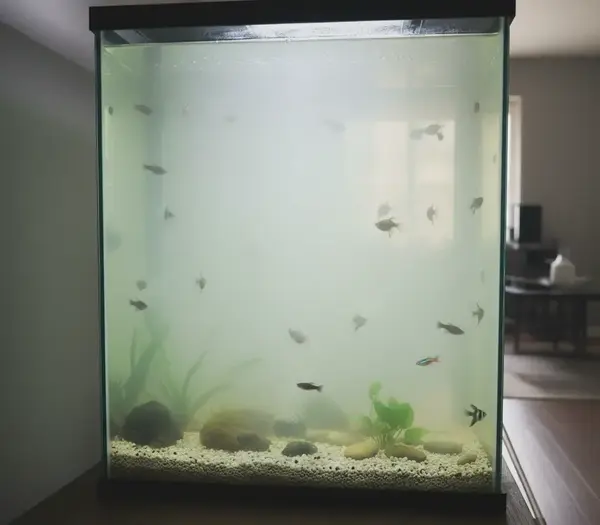
Despite its many benefits, sand does come with a learning curve. The most common complaint involves the initial setup. Unlike gravel, which can be rinsed in a few minutes, sand requires a very thorough cleaning process. If you pour unwashed sand into a tank, the fine dust particles will remain suspended, creating a milky cloud that can take days or even weeks to settle. The best method is the bucket-and-hose technique: filling a bucket halfway with sand and running water through it while stirring vigorously until the overflow runs crystal clear.
Another valid concern is the impact of sand on your equipment. Because sand is light, it can be easily kicked up by large fish or high-flow powerheads. If these fine grains find their way into the intake of your filter, they can get stuck in the magnetic impeller assembly. Over time, the abrasive nature of the sand can wear down the plastic or even seize the motor.
To prevent this, it is essential to keep your filter intakes at least 3 to 4 inches above the sand line. Many hobbyists also choose to use a pre-filter sponge over the intake. This simple addition acts as a physical barrier, ensuring that even if a fish decides to have a sand-throwing contest near the filter, your motor remains protected and silent.
The Verdict on Sand
Sand is the substrate of choice for the modern, informed hobbyist. It rewards the keeper with a cleaner biological environment and provides a safer, more natural home for the inhabitants. While it requires a bit more care during the initial rinse and a watchful eye on filter placement, the trade-off is a tank that looks significantly more professional and stays biologically healthier with less effort. It moves the maintenance of the tank from the invisible, hard-to-reach depths of a gravel bed to the easily accessible surface, giving you total control over the cleanliness of your aquatic world.
Recommended products
We may earn from qualifying purchases



Aquarium Gravel: The Classic Choice Explored
While sand has captured the spotlight in modern aquascaping, gravel remains the foundation upon which the aquarium hobby was built. For decades, those small, smooth stones have been the first choice for millions of hobbyists, and for good reason. Gravel is not just a relic of the past; it is a highly functional, forgiving, and robust substrate that excels in areas where sand occasionally struggles. To understand why so many veteran fish keepers refuse to switch to sand, we have to look past the surface and explore the complex relationship between stone, water flow, and microbiology.
The Power of Pore Space and Oxygen Flow
The defining characteristic of gravel is the size of the gaps between individual stones, scientifically referred to as interstitial space. In the study of Hydrogeology and Porous Media, the permeability of a substrate is directly linked to its grain size. Because gravel consists of larger, irregular particles, it creates a labyrinth of open channels that allow water to circulate far below the surface of the substrate bed.
This internal water movement is the secret weapon of a gravel-based aquarium. In a sand bed, water movement is largely restricted to the top layer, but in a gravel bed, the weight of the water and the pull of your filter create a slow but steady exchange of oxygenated water throughout the entire depth of the floor. This creates a massive, three-dimensional habitat for aerobic nitrifying bacteria. While sand offers more surface area per square inch, gravel offers a more accessible environment for bacteria to colonize without the risk of being smothered by compaction. Research into Biofilm Development in Porous Media indicates that these aerobic environments are significantly more efficient at processing ammonia and nitrite because they are constantly being refreshed with oxygenated water. For the average hobbyist, this means a gravel bed acts as a secondary, silent filter that provides an incredible amount of biological stability.
Aesthetic Versatility and Natural Stone Science
One of the biggest misconceptions about gravel is that it only comes in the neon-blue or bright-pink varieties seen in basic starter kits. In reality, the world of natural aquarium gravel is vast and artistically diverse. From the deep, matte blacks of volcanic basalt to the warm, rounded tones of natural river pebbles, gravel can be used to create stunningly realistic environments.
The choice of stone type also has a direct impact on your water chemistry. Most high-quality aquarium gravels are inert, meaning they are made of silicate-based stones like quartz that will not alter your pH. However, some gravels are derived from crushed coral or aragonite, which leach calcium carbonate into the water. This is a vital tool for hobbyists keeping African Cichlids or Livebearers that require hard, alkaline water. Understanding the mineral composition of your gravel allows you to chemically buffer your tank from the ground up, a feat that is much harder to achieve with standard play sands. By selecting a natural, water-worn gravel, you provide a texture that looks organic and provides a beautiful contrast to the delicate leaves of aquatic plants.
The Hidden Nitrate Trap: A Maintenance Reality
If gravel has a weakness, it is its tendency to act as a mechanical trap for organic waste. In a sand-based system, waste stays on the surface, but in a gravel system, gravity and water flow pull fish waste, decaying plant matter, and uneaten food deep into the interstitial spaces. Once this waste is trapped, it begins to decompose. This process produces mulm, a brown, earthy substance that is essentially a concentrated source of nitrates and phosphates.
This is why gravel-based tanks often suffer from what hobbyists call nitrate creep. If you do not perform regular maintenance, the waste hidden beneath the surface will slowly degrade your water quality, leading to stubborn algae blooms and stressed fish. However, this trap is also what makes gravel look cleaner on a daily basis. While a sand bed shows every piece of waste immediately, a gravel bed hides it, allowing the aquarium to maintain a pristine look between water changes. The key to long-term success with gravel is recognizing that just because you cannot see the dirt does not mean it is not there. This necessitates the use of a gravel vacuum, a tool designed to tumble the stones in a column of water, stripping away the mulm while leaving the heavy gravel and beneficial biofilms behind.
Structural Integrity and Hardscaping
For the hobbyist who loves to build elaborate rock formations or stack heavy pieces of driftwood, gravel offers superior structural integrity. Because the stones lock together based on their irregular shapes, they provide a stable base for heavy ornaments. Sand, which acts more like a fluid under pressure, can shift and slide over time, especially if you have fish that like to dig. This can lead to heavy rocks tipping over or even cracking the glass if they are not supported by the bottom pane.
Gravel also makes the process of planting much easier for beginners. While delicate roots can sometimes struggle to anchor in very fine sand, the weight and texture of gravel hold stems firmly in place, preventing them from floating to the surface shortly after you plant them. This stability is particularly helpful in high-flow tanks, such as those designed for Goldfish or Hillstream Loaches, where the current might otherwise blow sand into a corner, leaving the glass bottom exposed. Gravel stays exactly where you put it, allowing you to design a landscape that remains consistent over the months and years.
Recommended products
We may earn from qualifying purchases
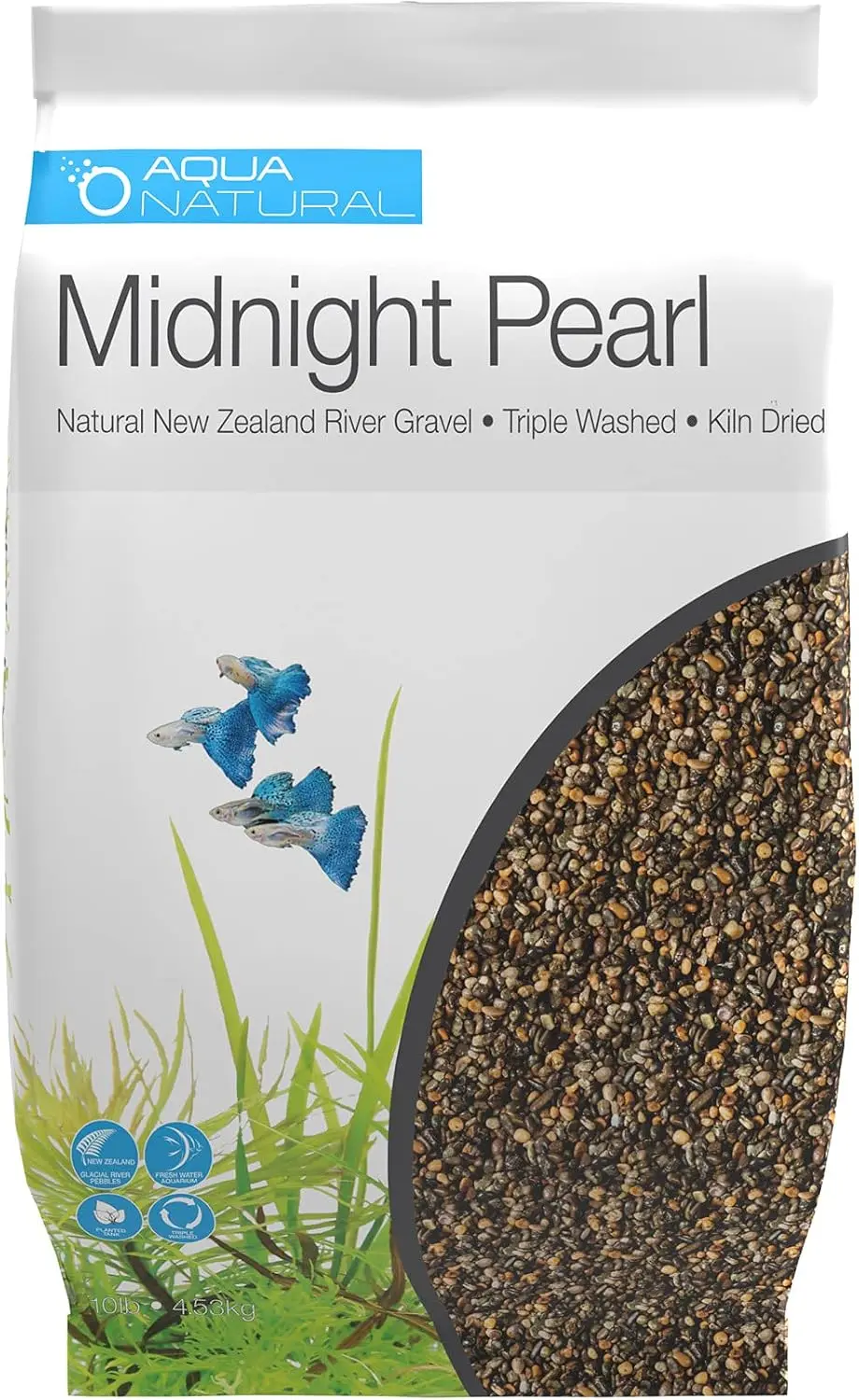
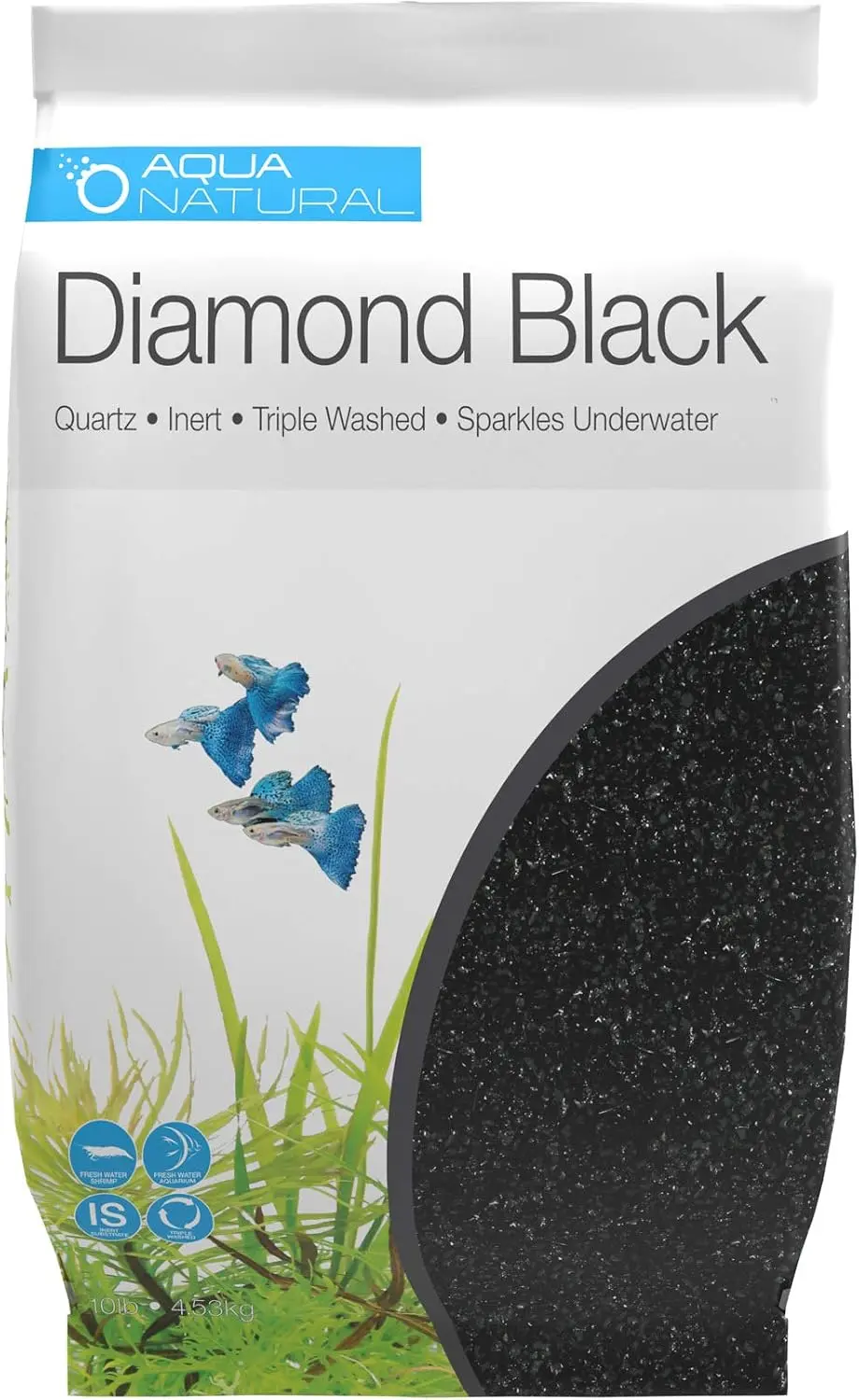
The Maintenance Showdown: Which Is Actually Easiest to Clean?
This is where the theoretical debate meets the practical reality of the Sunday morning water change. For many hobbyists, the decision isn't based on biology or aesthetics, but on the clock. We want a tank that looks pristine with the least amount of "grunt work." However, "easy" is subjective. To one keeper, easy means a fast surface clean; to another, it means a thorough deep-clean that lasts longer. To understand which substrate wins the maintenance showdown, we have to look at the physics of how waste interacts with each material.
The Mechanics of the Gravel Vacuum
Cleaning gravel is an invasive, mechanical process. Because gravel is porous, it acts as a sink for every piece of organic matter that enters the tank. This material, composed of fish waste, decaying plant tissue, and uneaten proteins, eventually breaks down into a fine, brown silt. If left undisturbed, this silt clogs the oxygen channels between the stones, leading to the "old tank syndrome" where nitrates spiral out of control.
To clean this effectively, you must use a gravel vacuum (a wide-diameter plastic tube attached to a siphon hose). The technique involves plunging the tube deep into the gravel bed until it hits the bottom glass. The rush of water creates a localized "fluidized bed" where the stones tumble against each other, knocking the waste loose. The waste, being lighter than the stone, is carried up the hose and out of the tank, while the heavy gravel falls back into place.
The advantage here is thoroughness. When you finish vacuuming a section of gravel, you know with absolute certainty that the "fuel" for algae and nitrates has been removed. The disadvantage is time. In a 55-gallon tank, vacuuming the entire floor can take 30 to 45 minutes, and you often run out of water (reaching your 50% change limit) before you’ve finished the entire substrate bed.
Recommended products
We may earn from qualifying purchases

The Hover Method: Cleaning Sand with Finesse
Cleaning sand is the complete opposite of vacuuming gravel. You never, under any circumstances, want to plunge your siphon into the sand bed. If you do, the fine grains will be sucked up instantly, clogging your hose or ending up in your wastewater bucket.
Instead, sand maintenance relies on the "hover" or "swirl" technique. Because sand is dense, waste cannot penetrate the surface. It sits on top like dust on a hardwood floor. To clean it, you hold the siphon about half an inch above the sand and move it in small, circular motions. This creates a miniature vortex that lifts the light detritus into the water column, where the siphon whisk it away.
This method is incredibly fast. You can "sweep" the entire floor of a large tank in under five minutes. For the hobbyist who values a "clean aesthetic," this is a dream. However, it requires a steady hand. If you get too close, you lose substrate; if you stay too far away, the waste remains. Additionally, because the waste is visible on the sand, you may find yourself wanting to clean it every three days rather than every two weeks, which can actually increase your total maintenance time through "micro-cleaning."
Total Organic Carbon (TOC) and Water Quality
From a scientific perspective, the maintenance ease isn't just about how long you spend with a hose; it's about the "Total Organic Carbon" (TOC) load in the system. A study in the Journal of Fish Diseases suggests that high organic loads in the substrate can lead to increased bacterial pressure on fish, making them more susceptible to infections like Fin Rot or Ich.
In a gravel system, the TOC is often higher because waste is "stored" in the substrate between cleanings. If you are diligent, this isn't an issue. However, if you are a "relaxed" maintainer, gravel can become a ticking time bomb of organic decay. Sand, because it forces you to see and remove waste immediately, often results in a lower overall TOC and more stable water chemistry. For the hobbyist who wants the healthiest water with the least amount of deep-diving, sand technically wins on a chemical level, even if it requires more frequent "spot" touch-ups.
The Problem of "Dead Zones"
A common maintenance fear with sand is the development of anaerobic zones, areas where the sand has compacted so much that oxygen can no longer reach the bacteria. In gravel, the large gaps make dead zones almost impossible. In sand, they are a possibility if the bed is deeper than three inches and never disturbed.
To maintain a "low-effort" sand bed, many hobbyists employ biological help. As mentioned previously, Malaysian Trumpet Snails are the ultimate maintenance tool. They live under the sand during the day, constantly turning it over and preventing compaction. This "automated maintenance" means the hobbyist only has to worry about the surface, while the snails handle the deep-layer oxygenation. This makes sand maintenance almost entirely a surface-level job.
The Living Ecosystem: Matching Substrate to Fish and Plants
In the aquarium hobby, we often talk about fish-only tanks or planted tanks as separate entities, but for the average hobbyist, the goal is usually a balanced community. When you choose a substrate, you aren't just picking a floor; you are choosing the interface where your fish forage and your plants feed. If this interface is mismatched, you can end up with injured fish or stunted, yellowing leaves.
The Biological Needs of Bottom Dwellers
For many fish, the substrate is their primary world. Species like Corydoras, Kuhli Loaches, and various species of Catfish have evolved over millions of years to interact with the riverbed. These fish possess delicate sensory organs called barbels, whiskers that they use to "taste" and feel for food hidden in the sediment.
Research in the Journal of Fish Biology on the foraging ecology of benthic fishes emphasizes that the physical texture of the substrate directly impacts fish health. When these sensitive species are kept on sharp, jagged gravel, the constant friction can cause micro-abrasions on their barbels. These tiny wounds are gateways for opportunistic bacteria, leading to a condition known as barbel erosion.
Sand is the gold standard for these species. It allows them to perform their natural sifting behavior, where they take a mouthful of sand, filter out microorganisms, and expel the grains through their gills. If you are a fan of bottom-dwelling "cleanup crews," sand isn't just an aesthetic choice; it’s a requirement for their physiological well-being.
The Sifters and the Architects
Beyond the small bottom dwellers, larger fish like African Cichlids or the South American Geophagus (the Earth Eaters) are famous for their "earth-moving" capabilities. These fish are the architects of the aquarium. They move substrate to build nests, establish territories, or find hidden morsels of food.
If you provide a substrate that is too heavy or sharp, these fish can become stressed or even physically injured. Furthermore, large gravel can be a choking hazard for "mouth-brooding" cichlids. Fine sand or very small, smooth gravel allows these fish to exhibit their complex social behaviors, which is often the most rewarding part of keeping these intelligent species.
The Planted Perspective: Rooting and Nutrition
When we shift our focus to the flora, the substrate’s role changes from a "cushion" to a "pantry." Aquatic plants are generally divided into two categories: water-column feeders (like Anubias or Java Fern) and root feeders (like Amazon Swords or Cryptocoryne). For root feeders, the substrate is their primary source of minerals.
One of the most important scientific concepts here is Cation Exchange Capacity (CEC). This is a measure of how well a substrate can hold onto positively charged nutrients like potassium, calcium, and magnesium.
- Gravel and Sand: Both inert sand and standard gravel have a CEC near zero. They do not naturally hold nutrients.
- The Solution: To grow lush plants in these substrates, you must supplement them. Using root tabs, compressed fertilizer capsules, effectively turns a "dead" sand bed into a nutrient-rich garden.
There is a common myth that sand is too dense for roots to breathe. While sand can compact, most aquatic plants are adapted to grow in fine silts in the wild. Their roots are surprisingly strong and will navigate through sand without issue as long as the bed isn't excessively deep (stay under 3 to 4 inches). Gravel, however, offers better interstitial water flow, which can be beneficial for preventing root rot in certain sensitive species by ensuring oxygen reaches the rhizospheres.
Finding the Middle Ground: The Hybrid Approach
For the hobbyist who wants a heavily planted tank with sand-sifting fish, the best approach is often a "layered" or "zoned" substrate. You can use a nutrient-rich aqua-soil in the back where the heavy-rooting plants are located, and keep a clear "sand path" in the front for your Corydoras to play.
This hybrid method provides the best of both worlds:
- Plants get the high CEC and porous structure of specialized soils.
- Fish get the soft, safe foraging grounds of fine sand.
- The Hobbyist gets a clean, professional aesthetic that mimics a natural riverbank.
Making the Final Decision: A Quick-Reference Guide
For the average hobbyist, the decision often comes down to a trade-off between the classic reliability of gravel and the sleek, behavioral benefits of sand. To ensure you make the right choice for the long term, we need to look at the logistical realities of cost, the difficulty of changing your mind later, and the final verdict based on your personal "keeper style."
The Cost and Setup Factor
In the aquarium hobby, price is rarely just about the initial purchase. While you can find budget-friendly options for both materials, the "true cost" includes the time spent preparing the substrate for use.
- Sand Logistics: Sand is often cheaper per pound, especially if you source high-quality pool filter sand or industrial-grade blasting sand. However, the labor cost is high. Sand requires significantly more rinsing than gravel. If you do not dedicate an hour to washing your sand in a bucket until the water runs completely clear, you will pay the price with a cloudy aquarium that can take days to settle and may even damage your filter impellers.
- Gravel Logistics: Gravel is generally more expensive at the register, particularly for specialized, water-worn natural stones. The advantage is convenience. Most aquarium-grade gravels come pre-washed or require only a quick rinse to remove dust. If you are looking for a "plug and play" setup experience, gravel is the undisputed winner.
The Commitment: Can You Change Your Mind?
One of the most important pieces of advice for any aquarium owner is this: Choose your substrate as if it is permanent. While it is physically possible to swap substrate in an established tank, it is one of the most stressful events you can put your fish through.
Changing substrate requires removing all livestock, draining the water, and essentially "re-cycling" the tank. Because such a large portion of your beneficial bacteria lives in the substrate, removing it can trigger a massive ammonia spike. If you start with gravel and decide you want the "clean aesthetic" of sand six months later, you are looking at a full day of labor and a high risk of losing fish. It is far better to spend an extra week researching and looking at "inspiration" photos than to rush into a substrate you aren't 100% committed to.
Final Comparison: Which One Wins for You?
To make this as simple as possible, let’s look at which substrate matches your personality and goals as a hobbyist.
The Case for Sand You should choose sand if you prioritize a modern, high-end aesthetic and want to keep bottom-dwelling species like Corydoras or Loaches. Sand is the "speed-cleaner's" choice. If you prefer doing a quick, five-minute surface sweep every week to keep the tank looking showroom-ready, sand will be your best friend. It keeps waste on the surface where it can be dealt with quickly, and it provides the most natural environment for the widest variety of fish species.
The Case for Gravel You should choose gravel if you want a robust, forgiving system that mimics the classic aquarium look. Gravel is the "marathon-cleaner's" choice. If you don't mind a longer, deeper cleaning session once every two weeks in exchange for a substrate that hides dirt well on a day-to-day basis, gravel is for you. It provides a massive amount of biological stability and is the safest choice for beginners who might be prone to overfeeding, as the gravel can "absorb" the excess waste better than sand can in the short term.
The Final Verdict
For the hobbyist who wants the absolute "No. 1" result in both health and beauty, sand is the modern winner. It forces better maintenance habits, protects the health of your fish, and offers a level of realism that gravel cannot match. However, if you are setting up a low-maintenance community tank or a heavy-duty goldfish system, gravel remains the undisputed king of durability.
Whichever path you choose, remember that your substrate is the foundation of your aquatic home. Treat it with the same respect you give your fish and your plants, and it will reward you with a stable, beautiful ecosystem for years to come.