
Siamese Tiger Fish
Datnioides pulcher
The true Siamese Tiger Fish is a massive, highly sought-after, and critically endangered apex predator native to Southeast Asian river basins. Known for its striking wide black vertical bands against a gold body. It is a strictly freshwater species. Highly predatory, it will consume any fish that fits into its large protrusible mouth, but is generally peaceful with tank mates that are too large to eat.
Siamese Tiger Fish At a Glance
Siamese Tiger Fish Tank Requirements
Will Siamese Tiger Fish fit in your tank?
Care guides tell you what Siamese Tiger Fish needs, the next question is whether your tank can safely provide it. Test Siamese Tiger Fish against your tank size, maintenance needs, and the fish you already keep before you buy.
Siamese Tiger Fish Water Parameters
Siamese Tiger Fish Temperament & Compatibility
Siamese Tiger Fish Varieties
Each variety inherits the species defaults above. Only differences are highlighted.
Adult (Standard)
The adult form. Requires a massive custom aquarium (180+ gallons minimum, preferably much larger). They are territorial towards other datnoids; if keeping multiple, a group of 5+ is required to disperse aggression, which demands an exceptionally large tank.
Differs in 1 trait from base species
Also known as: Adult Datnoid, Monster Fish
Juvenile (Grow-out)
Juvenile size typically found in the aquarium trade. While Datnoids are biologically slow growers compared to other monster fish, they will inevitably outgrow standard tanks. They are often shy and require secure hiding spots (driftwood) to prevent stress.
Differs in 5 traits from base species
Also known as: Baby Datnoid, Small ST
Siamese Tiger Fish Care Guide Summary
The Siamese Tiger Fish, scientifically known as Datnioides pulcher, belongs to the Oddballs family group. Adults reach a maximum size of approximately 45 cm and have a compressed body shape with a slow growth rate. Classified as semi-aggressive, this species primarily occupies the mid-level and bottom zones of the aquarium and produces a extreme level of biological waste.
To thrive, the Siamese Tiger Fish requires a freshwater only aquarium with a minimum volume of 680 litres and a tank length of at least 180 cm. Water temperature should be maintained between 24°C and 28°C, with a pH range of 6.5–7.5 and a general hardness of 5–15 dGH. A moderate water flow is preferred.
The Siamese Tiger Fish is a rewarding species to keep, provided its core environmental needs are met. This species is available in 2 varieties: Adult (Standard) and Juvenile (Grow-out). Each may differ slightly in size, temperament, or care needs, so it is worth checking the specific requirements of the variety you plan to keep.
Siamese Tiger Fish Habitat Setup
When setting up an aquarium for the Siamese Tiger Fish, a moderate water flow best suits their natural preferences. Because this species occupies the mid-level and bottom zones, the aquarium layout should prioritise open swimming space in the centre of the tank for free movement and sufficient floor space with hiding spots among rocks, wood, or dense planting. Useful additions include smooth gravel or rounded substrate to protect their sensitive barbels and driftwood, which can serve as both a hiding place and a dietary supplement.
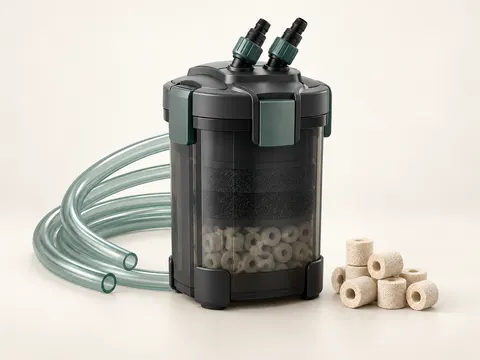
Supplies for Siamese Tiger Fish
We may earn from qualifying purchases



Siamese Tiger Fish Compatibility Notes
Classified as semi-aggressive, the Siamese Tiger Fish is adaptable and can be kept singly or in a small group, offering flexibility when planning a community tank. When choosing tankmates, any fish small enough to fit in its mouth will likely be eaten, ornamental shrimp are not safe companions, territorial behaviour may cause issues if hiding spots or floor space are limited, and boisterous or fast-moving tankmates may cause this species undue stress. Selecting tankmates that favour different water layers from the mid-level and bottom zones can help reduce competition and territorial overlap.
Who Siamese Tiger Fish Is Actually For
Siamese Tiger Fish is best for a fishkeeper who wants a species that can settle into a calmer community setup and can provide someone who understands its individual space requirements. It makes the most sense for a hobbyist who will actually build around its needs, especially driftwood.
The most common mistake is buying Siamese Tiger Fish for looks first and only later discovering how its adult size, behavior, or bioload changes the whole tank plan. Another frequent problem is forcing it into an over-busy community when it would do better with more room or more deliberate tankmate choices.
Siamese Tiger Fish Recommended Tank Sizes
Standard aquarium sizes that meet the minimum volume and length requirements for Siamese Tiger Fish.
Siamese Tiger Fish Feeding & Diet Considerations
The Siamese Tiger Fish is a predatory species that will readily consume small fish, so nano or bite-sized tankmates should be avoided, will hunt and eat ornamental shrimp, making it unsuitable for shrimp-focused setups, and will eat fry, so breeding efforts in the same tank are unlikely to succeed.
Frequently Asked Questions About Siamese Tiger Fish
How big does Siamese Tiger Fish get?
Siamese Tiger Fish (Datnioides pulcher) typically reaches a maximum adult size of approximately 45 cm. They have a compressed body shape and a slow growth rate.
What tank size does Siamese Tiger Fish need?
A minimum aquarium volume of 680 litres and a tank length of at least 180 cm are recommended for Siamese Tiger Fish. This ensures enough swimming space and helps maintain stable water conditions.
What water parameters does Siamese Tiger Fish need?
Siamese Tiger Fish thrives in freshwater only conditions with a temperature range of 24–28°C, a pH between 6.5 and 7.5, and a general hardness of 5–15 dGH. A moderate water flow is preferred.
Is Siamese Tiger Fish peaceful or aggressive?
Siamese Tiger Fish is classified as semi-aggressive with an aggression score of 6 out of 10. They can work in community setups but may clash with certain tankmates.
Can Siamese Tiger Fish live alone?
Yes, Siamese Tiger Fish can be kept singly or in a group. They are flexible and adapt well to both setups.
Is Siamese Tiger Fish safe with shrimp?
No. Siamese Tiger Fish is known to eat ornamental shrimp and is not recommended for shrimp tanks. Even larger shrimp species like Amano Shrimp may be at risk.
Does Siamese Tiger Fish have any special tank requirements?
Yes. Siamese Tiger Fish benefits from driftwood (digestion/hiding) and smooth gravel (sensitive barbels) in the aquarium. These features help replicate their natural habitat and promote overall health and well-being.
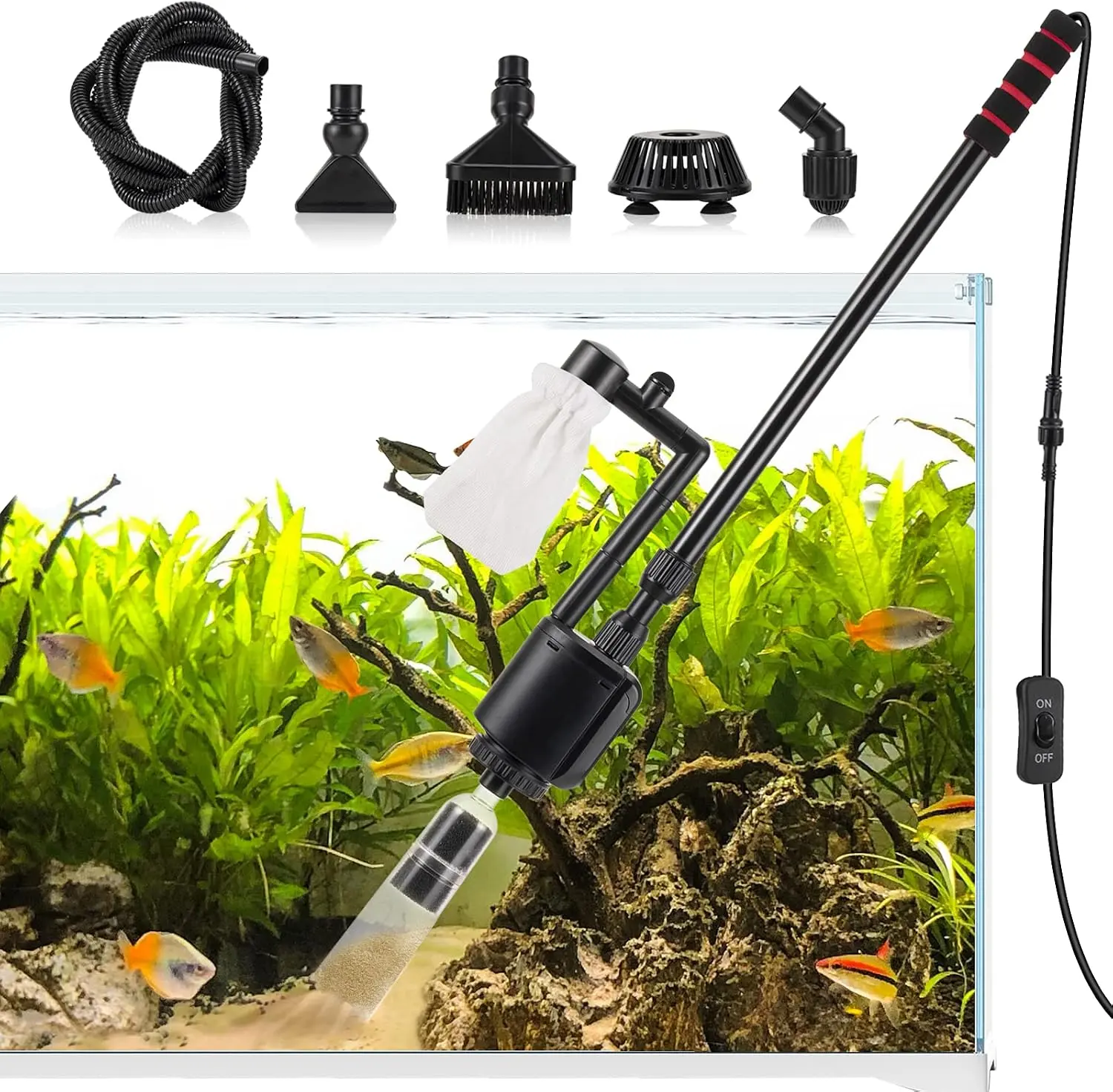
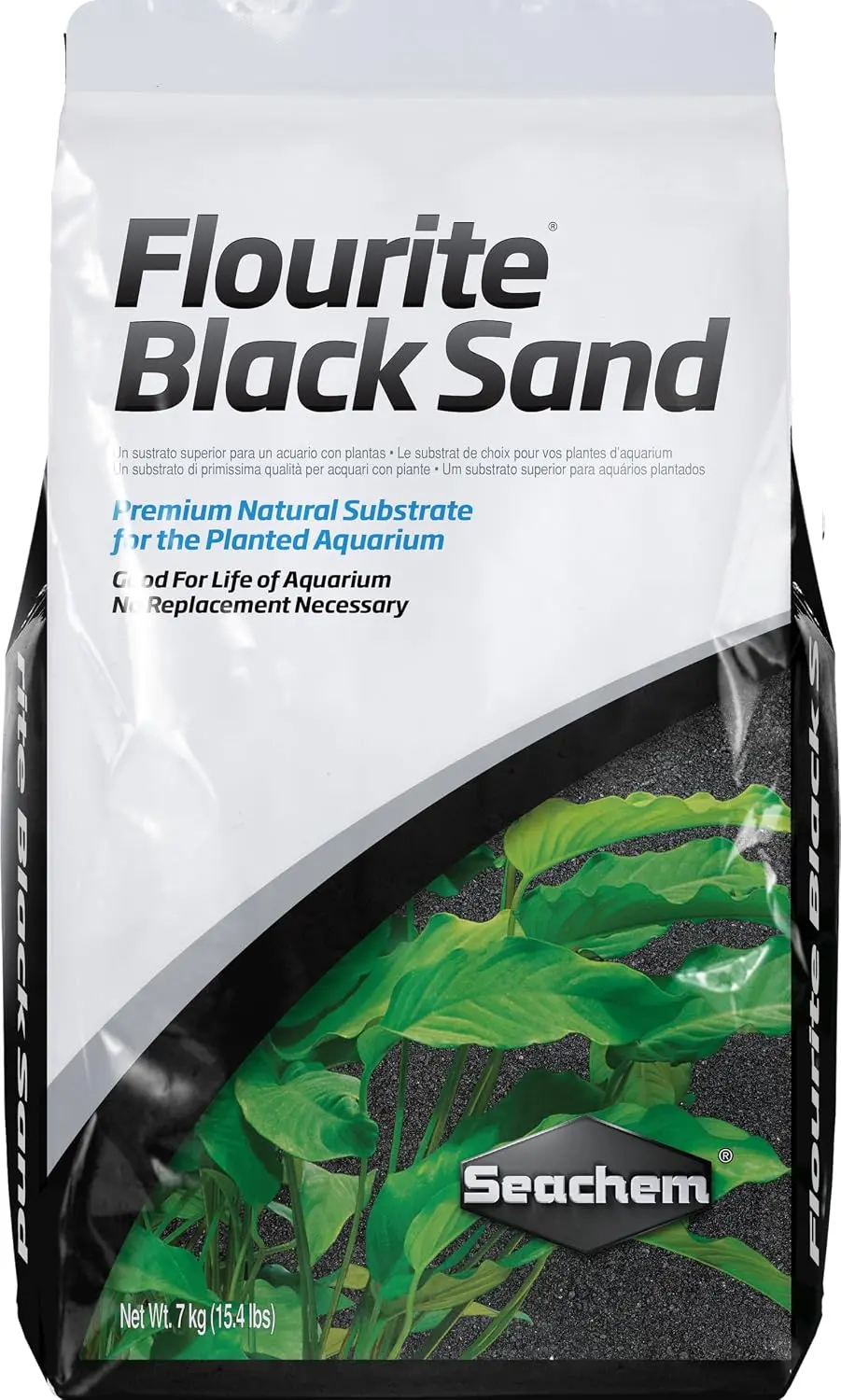
Useful setup supplies
We may earn from qualifying purchases

Guidarium Editorial Desk
Reviewed against Guidarium care, stocking, and compatibility standards. Read the editorial policy.
- Last reviewed
- May 11, 2026
- Last updated
- May 11, 2026
- Issues or corrections?
- Contact the editorial team
Plants That Suit Siamese Tiger Fish
These plants pair well with Siamese Tiger Fish based on shared water preferences, layout fit, and how likely they are to hold up in the same aquarium.
African Onion Plant
Crinum calamistratum
Afzel's Anubias
Anubias afzelii
Amazon Sword
Echinodorus amazonicus
Anacharis
Egeria densa
Anubias Barteri
Anubias barteri
Ashy Pipewort
Eriocaulon cinereum
Fish Similar to Siamese Tiger Fish
Indonesian Datnoid (Tiger Fish)
Datnioides microlepis
A massive, deep-bodied ambush predator highly prized by monster fish keepers for its striking black and gold 'tiger' stripes. Native to the freshwater rivers of Southeast Asia, they possess huge mouths and will consume any fish small enough to fit. They are notoriously shy when young but grow into bold, impressive centerpieces. Due to intense conspecific aggression, they should be kept entirely solitary or in groups of 4 or more to disperse bullying.
Thinbar Datnoid
Datnioides undecimradiatus
A large, striking predatory fish native to the Mekong basin, easily identified by its relatively narrow vertical stripes. It is highly sought after but listed as Vulnerable (VU) on the IUCN Red List due to overfishing and habitat degradation. They are stealthy ambush predators with large, highly protrusible mouths capable of swallowing remarkably large prey. They prefer dimly lit tanks with ample driftwood for cover.
New Guinea Tigerfish
Datnioides campbelli
A highly prized, large predatory fish native to the coastal and estuarine waters of New Guinea. Characterized by striking black and gold vertical banding and a deep, compressed body. They are strict piscivores with a massive mouth, capable of eating surprisingly large tank mates. While often kept in freshwater, they are highly tolerant of brackish conditions and often thrive better with some salinity.
Helicopter Catfish
Wallagonia leerii
A massive, apex predator catfish native to Southeast Asia. Known for its enormous mouth and voracious appetite, this 'monster fish' is completely unsuitable for standard home aquariums. In the wild, they migrate through large rivers and flooded forests. They will consume any tankmate that fits in their massive mouth. Kept almost exclusively by specialized monster fish keepers or public aquaria.
Siamese Algae Eater
Crossocheilus oblongus
Famous for being one of the few freshwater fish that actively consumes Black Beard Algae (BBA). A torpedo-shaped, active bottom-to-midwater swimmer native to Southeast Asian streams. True Siamese Algae Eaters feature a distinct black horizontal stripe that extends all the way through the tail fin. As they mature, they can become lazy, preferring prepared foods over algae, and may occasionally chase other bottom dwellers.
Chao Phraya Giant Catfish (Paroon Shark)
Pangasius sanitwongsei
An apex predator native to the Mekong and Chao Phraya basins. This true 'monster fish' is completely unsuitable for home aquariums. They grow to massive proportions, are highly active, and easily startled—often severely injuring themselves by crashing into tank walls. They possess a massive appetite and are highly piscivorous, consuming any tank mate that fits in their mouth.