
Raspy River Stingray
Potamotrygon scobina
A relatively small freshwater stingray native to the Amazon basin. While smaller than other Potamotrygon species, it still requires massive aquariums with extremely strong filtration due to its high metabolism and extreme waste output. It is a benthic carnivore that needs a deep, fine sand substrate to bury itself and avoid scratching its soft underside. Warning: Possesses a venomous tail barb.
Raspy River Stingray At a Glance
Raspy River Stingray Tank Requirements
Will Raspy River Stingray fit in your tank?
Care guides tell you what Raspy River Stingray needs, the next question is whether your tank can safely provide it. Test Raspy River Stingray against your tank size, maintenance needs, and the fish you already keep before you buy.
Raspy River Stingray Water Parameters
Raspy River Stingray Temperament & Compatibility
Raspy River Stingray Varieties
Each variety inherits the species defaults above. Only differences are highlighted.
Female (Adult / Standard)
Females are the larger sex, reaching up to 14 inches (35cm) in disc width and 24 inches (60cm) in total length. They require immense filtration and a tank with a very large footprint.
Same care requirements as the base species
Also known as: Adult, Standard Female
Male (Adult)
Males stay slightly smaller, reaching around 12 inches (30cm) in disc width and 20 inches (50cm) in total length. They are easily identified by the presence of claspers near the pelvic fins.
Differs in 2 traits from base species
Also known as: Male
Juvenile (Grow-out Pup)
Stingray pups are born around 5 inches (12-14cm) in total length. They have exceptionally high metabolic rates and require feeding multiple times a day. As 'Monster Fish', they will rapidly outgrow starter tanks.
Differs in 4 traits from base species
Also known as: Pup, Baby, Teacup
Raspy River Stingray Care Guide Summary
The Raspy River Stingray, scientifically known as Potamotrygon scobina, belongs to the Oddballs family group. Adults reach a maximum size of approximately 60 cm and have a depressed body shape with a moderate growth rate. Classified as mostly peaceful, this species primarily occupies the bottom zone of the aquarium and produces a extreme level of biological waste.
To thrive, the Raspy River Stingray requires a freshwater only aquarium with a minimum volume of 850 litres and a tank length of at least 180 cm. Water temperature should be maintained between 24°C and 28°C, with a pH range of 6–7.5 and a general hardness of 2–10 dGH. A moderate water flow is preferred.
The Raspy River Stingray is a rewarding species to keep, provided its core environmental needs are met. This species is available in 3 varieties: Female (Adult / Standard), Male (Adult), and Juvenile (Grow-out Pup). Each may differ slightly in size, temperament, or care needs, so it is worth checking the specific requirements of the variety you plan to keep.
Raspy River Stingray Habitat Setup
When setting up an aquarium for the Raspy River Stingray, a moderate water flow best suits their natural preferences. Because this species occupies the bottom zone, the aquarium layout should prioritise sufficient floor space with hiding spots among rocks, wood, or dense planting. Useful additions include a sand substrate to accommodate their sifting behaviour and smooth gravel or rounded substrate to protect their sensitive barbels. Keepers should note that expect substrate disturbance, so lightweight décor should be secured and live planted layouts may be difficult to maintain, as this species tends to uproot or consume vegetation.
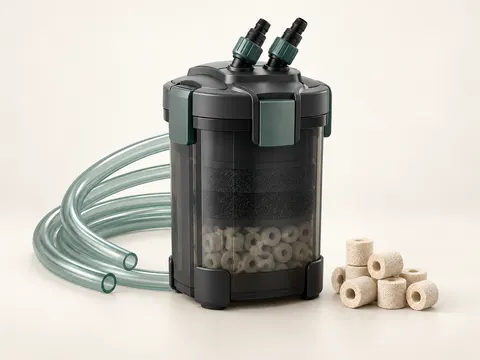
Supplies for Raspy River Stingray
We may earn from qualifying purchases



Raspy River Stingray Compatibility Notes
Classified as mostly peaceful, the Raspy River Stingray is adaptable and can be kept singly or in a small group, offering flexibility when planning a community tank. When choosing tankmates, any fish small enough to fit in its mouth will likely be eaten and ornamental shrimp are not safe companions. Selecting tankmates that favour different water layers from the bottom zone can help reduce competition and territorial overlap.
Who Raspy River Stingray Is Actually For
Raspy River Stingray is best for a fishkeeper who wants a species that can settle into a calmer community setup and can provide someone who understands its individual space requirements. It makes the most sense for a hobbyist who will actually build around its needs, especially sand.
The most common mistake is treating Raspy River Stingray like any other community fish and skipping the soft sand it needs to forage safely. Another frequent problem is forcing it into an over-busy community when it would do better with more room or more deliberate tankmate choices.
Raspy River Stingray Feeding & Diet Considerations
The Raspy River Stingray is a predatory species that will readily consume small fish, so nano or bite-sized tankmates should be avoided, will hunt and eat ornamental shrimp, making it unsuitable for shrimp-focused setups, and will eat fry, so breeding efforts in the same tank are unlikely to succeed.
Frequently Asked Questions About Raspy River Stingray
How big does Raspy River Stingray get?
Raspy River Stingray (Potamotrygon scobina) typically reaches a maximum adult size of approximately 60 cm. They have a depressed body shape and a moderate growth rate.
What tank size does Raspy River Stingray need?
A minimum aquarium volume of 850 litres and a tank length of at least 180 cm are recommended for Raspy River Stingray. This ensures enough swimming space and helps maintain stable water conditions.
What water parameters does Raspy River Stingray need?
Raspy River Stingray thrives in freshwater only conditions with a temperature range of 24–28°C, a pH between 6 and 7.5, and a general hardness of 2–10 dGH. A moderate water flow is preferred.
Is Raspy River Stingray peaceful or aggressive?
Raspy River Stingray is classified as mostly peaceful with an aggression score of 4 out of 10. They are generally well-suited to peaceful community tanks.
Can Raspy River Stingray live alone?
Yes, Raspy River Stingray can be kept singly or in a group. They are flexible and adapt well to both setups.
Is Raspy River Stingray safe with shrimp?
No. Raspy River Stingray is known to eat ornamental shrimp and is not recommended for shrimp tanks. Even larger shrimp species like Amano Shrimp may be at risk.
Does Raspy River Stingray have any special tank requirements?
Yes. Raspy River Stingray benefits from sand (sifters) and smooth gravel (sensitive barbels) in the aquarium. These features help replicate their natural habitat and promote overall health and well-being.
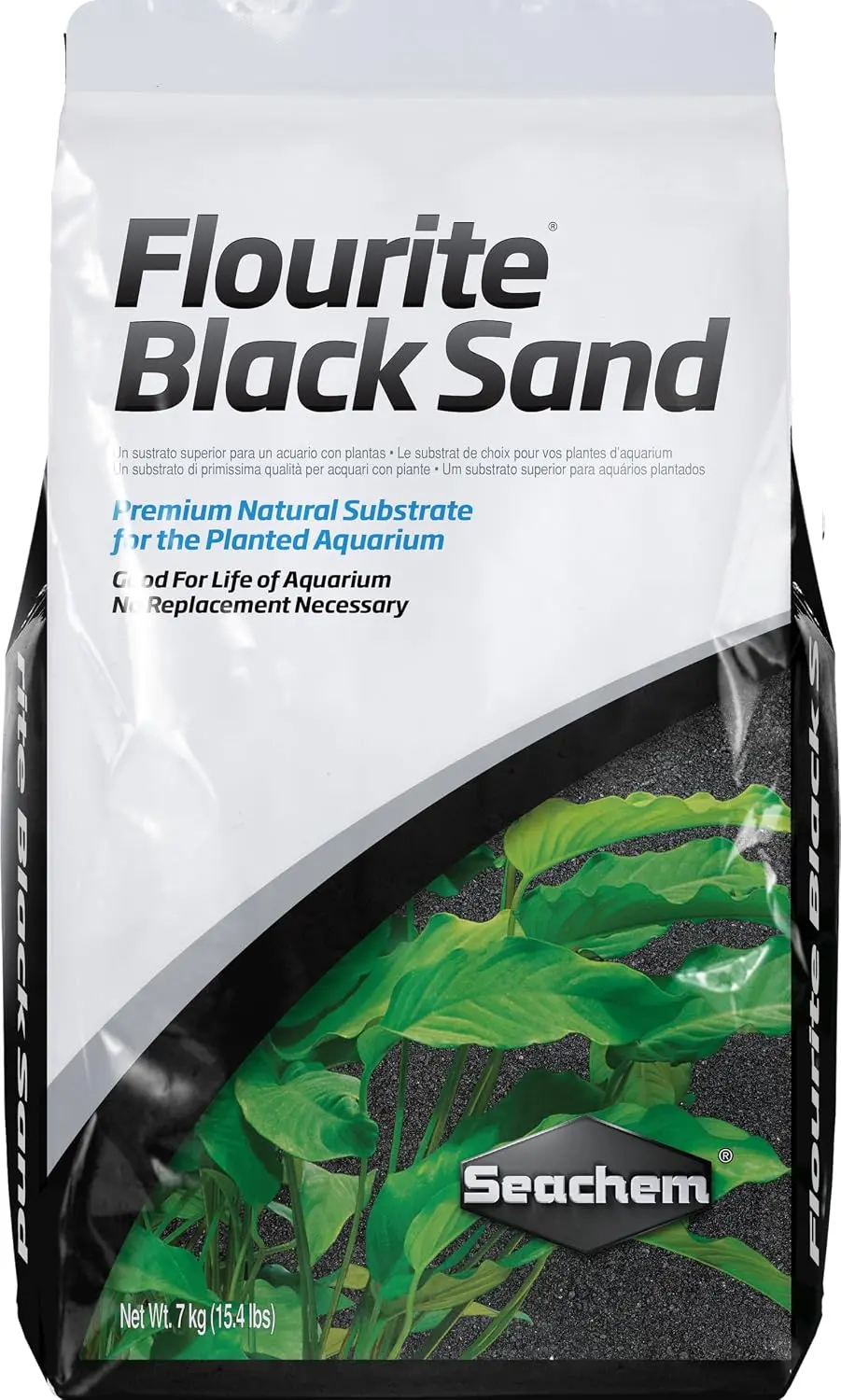
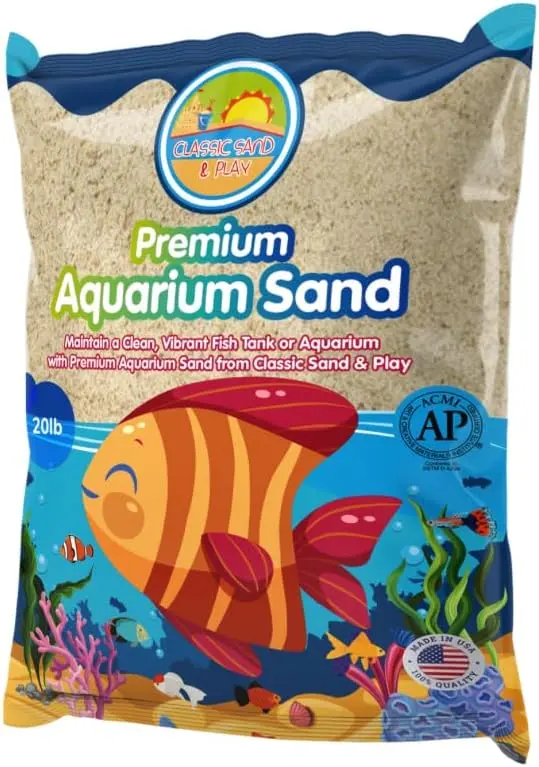
Useful setup supplies
We may earn from qualifying purchases


Guidarium Editorial Desk
Reviewed against Guidarium care, stocking, and compatibility standards. Read the editorial policy.
- Last reviewed
- May 11, 2026
- Last updated
- May 11, 2026
- Issues or corrections?
- Contact the editorial team
Top Tank Mates for Raspy River Stingray
These fish are strong compatibility matches for Raspy River Stingray based on water preferences, temperament, adult size, and tank behavior.
Tiger Danio
Devario maetaengensis
Ideal Tank MatesSorong Rainbowfish
Melanotaenia fredericki
Ideal Tank MatesMurray River Rainbowfish
Melanotaenia fluviatilis
Ideal Tank MatesMadagascar Rainbowfish
Bedotia madagascariensis
Ideal Tank MatesLong-Finned African Tetra
Brycinus longipinnis
Ideal Tank MatesEastern Rainbowfish
Melanotaenia splendida
Ideal Tank MatesPlants That Suit Raspy River Stingray
These plants pair well with Raspy River Stingray based on shared water preferences, layout fit, and how likely they are to hold up in the same aquarium.
Afzel's Anubias
Anubias afzelii
Anubias Barteri
Anubias barteri
Belinda's Buce
Bucephalandra belindae
Buce Motleyana
Bucephalandra motleyana
Congo Anubias
Anubias heterophylla
Dwarf Buce
Bucephalandra pygmaea
Fish Similar to Raspy River Stingray
Antennae Stingray
Plesiotrygon iwamae
The Antennae Stingray is a delicate, rare freshwater ray native to the Amazon basin. It is distinctive for its extremely long, whip-like tail that can be more than twice its disc width. They require a massive aquarium with an enormous footprint, pristine water quality, and a soft, fine sand substrate to bury themselves. As large piscivores, they will consume any tank mate small enough to fit in their mouths.
Flower Stingray
Potamotrygon schroederi
A stunning, large-growing freshwater stingray native to the Rio Negro and Orinoco basins. They feature intricate rosette or flower-like patterns. As apex predators, they require massive aquariums, exceptional biological filtration due to extreme bioloads, and a fine sand substrate to prevent injury to their soft bellies. They possess a venomous tail barb and must be handled with extreme caution.
Reticulated Stingray (Teacup Ray)
Potamotrygon orbignyi
The Reticulated Stingray is a stunning bottom-dwelling freshwater ray native to South America. It is commonly sold under the deceptive trade name 'Teacup Ray' as a juvenile. They grow massive, have a venomous tail spine, and demand pristine water quality, massive aquariums, and a strict carnivorous diet. A fine sand substrate is an absolute requirement to prevent fatal bacterial infections from underside abrasions.
Motoro Stingray
Potamotrygon motoro
A spectacular but highly demanding freshwater stingray native to South America, instantly recognizable by its orange-spot 'peacock' pattern. They are massive, heavy-polluting predators that require huge aquariums with pristine water quality. A soft sand substrate is absolutely mandatory to prevent severe bacterial infections on their delicate underbellies. Note: They possess a venomous tail stinger.
Hystrix Stingray (Porcupine Ray)
Potamotrygon hystrix
One of the smaller species of freshwater stingray, yet it still requires a massive aquarium with a vast floor footprint. They are bottom-dwelling predators that absolutely require a fine sand substrate to bury themselves; coarse gravel will cause fatal infections to their soft underbellies. They possess a venomous tail barb and demand extreme filtration due to their massive bioload.
Teacup Stingray (Common Freshwater Ray)
Potamotrygon laticeps
The term 'Teacup Stingray' is a highly deceptive trade name used for juvenile freshwater stingrays (often P. laticeps, P. motoro, or P. reticulata). They are not a miniature species. They are highly intelligent, predatory bottom-dwellers that require pristine water, massive aquariums, and fine sand to prevent lethal infections on their soft underbellies.