
A rare example of a true orchid that can adapt to fully submerged aquarium conditions. Spiranthes odorata features thick, fleshy roots and bright green strap-like leaves. While it naturally thrives as a marginal or marsh plant where it produces a fragrant white flower spike, it adapts well to aquatic life under water, though it grows slowly and benefits significantly from a nutrient-rich substrate.
Water Orchid At a Glance
Water Orchid Care and Setup
Layout Fit
Water Orchid usually works best from the midground into the background and needs enough room to mature at about 30 cm tall and 15 cm wide.
Water Window
Aim for freshwater conditions with a steady current, plus 18 to 28 °C, pH 6 to 7.5, and 2 to 12 dGH.
Upkeep Rhythm
Expect slow growth with low maintenance. It usually stays easy to manage between normal maintenance sessions.
Water Orchid Care Guide Summary
The Water Orchid is a rosette or crown plant that usually works best from the midground into the background. Give it room to reach about 30 cm tall and 15 cm wide, so the mature plant still fits the layout. It tends to look its best when the light, feeding, and trimming routine stay predictable from week to week. In day-to-day care, it responds best to moderate light, freshwater conditions, and a steady current. It is noticeably easier to keep attractive and stable with added CO2. Keep this species within a comfortable range of 18 to 28 °C, pH 6 to 7.5, and 2 to 12 dGH.
Water Orchid Planting, Feeding & Maintenance
The Water Orchid does best when the setup matches the way it naturally grows. Plant it with enough room for the crown and new roots to establish cleanly. Most of its uptake happens through the root zone, so root tabs or an enriched bed matter more than frequent water-column dosing. A nutrient-rich substrate helps it settle faster and usually supports fuller growth. Keep the routine steady: moderate light and moderate nutrient demand usually give better results than big swings from week to week. This plant can also adapt to emersed growth, which is useful for growers who propagate outside the display tank.
Supplies for Water Orchid
We may earn from qualifying purchases
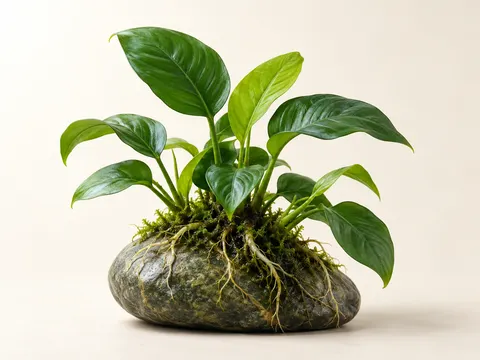

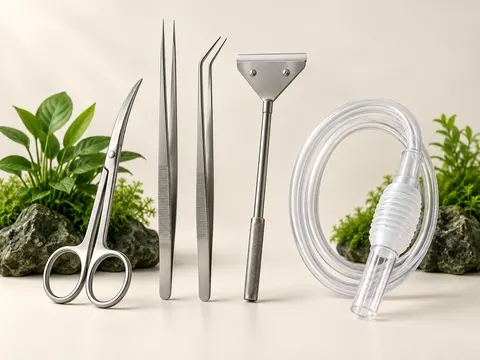
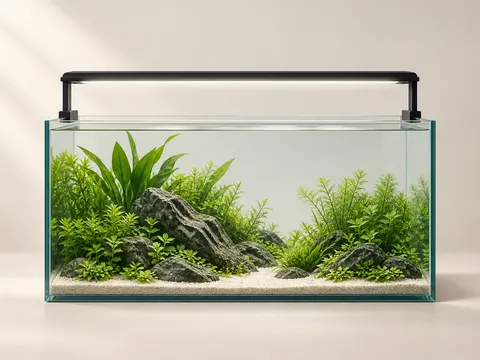
Best Use Case for Water Orchid
Water Orchid is usually at its best when you want a midground and background plant with moderate light demands and a low maintenance rhythm that fits into a real weekly routine. It is especially useful when you want a plant that keeps doing its job even in a busier community tank.
Water Orchid Compatibility
Use these signals as quick context, not hard rules. They help you judge how well Water Orchid is likely to stay in place, tolerate curious fish, and contribute real cover in a mixed planted tank.
Aquarium Benefits
The Water Orchid can work very well in a mixed tank, but its value depends on how well it handles fish pressure and how much usable cover it really provides. It is less likely to be chewed by curious fish, and its standard leaves usually help it hold up in calm community tanks. Once rooted or attached, it is relatively dependable and easier to keep in place around more active fish. It adds more structure than true shelter, so it should not be the only refuge plant in the tank. It does not block much light, making it easier to mix with smaller plants nearby. Aquarists also lean on it for breaking up sight lines, not just for appearance.
Water Orchid Propagation
This species is usually propagated by offsets. With slow growth and low upkeep, it rarely crowds neighboring plants in a hurry. That gives you a better sense of whether simple trimming is enough or whether it is smarter to plan division, replanting, or thinning before the layout closes in.
Frequently Asked Questions About Water Orchid
Is Water Orchid a good beginner aquarium plant?
It sits somewhere in the middle. As a intermediate species with low maintenance needs, it is a better fit once you already have the basics of light, feeding, and trimming under control.
Where should Water Orchid be placed in an aquarium?
This plant usually looks best from the midground into the background. At full size it can reach about 30 cm tall by 15 cm wide, so leave room for it to mature. It is best rooted into the substrate.
Does Water Orchid need strong light or CO2?
For the best results, provide it with moderate lighting. Additionally, it is noticeably easier to keep attractive and stable with added CO2.
What water conditions suit Water Orchid?
Aim for freshwater conditions, a steady current, and a range around 18 to 28 °C, pH 6 to 7.5, and 2 to 12 dGH to keep this species inside its comfort zone.
How does Water Orchid spread or help the aquarium?
It is usually propagated by offsets. In the display tank, aquarists value this plant for breaking up sight lines.
Plant care products
We may earn from qualifying purchases


Guidarium Editorial Desk
Reviewed against Guidarium care, stocking, and compatibility standards. Read the editorial policy.
- Last reviewed
- April 22, 2026
- Last updated
- April 22, 2026
- Issues or corrections?
- Contact the editorial team
Plants That Grow Well With Water Orchid
These plants share compatible water parameters and growth habits with Water Orchid, making them reliable companions in a shared aquascape.
Micro Sword
Lilaeopsis brasiliensis
Water Rose
Samolus valerandi
Downoi
Pogostemon helferi
Dwarf Hairgrass
Eleocharis parvula
S. Repens
Staurogyne repens
Slender Hairgrass
Eleocharis acicularis
Side-by-side comparisons for Water Orchid
These guides compare Water Orchid directly with another plant, helping you choose between similar roles, care needs, and layout tradeoffs.
Beckett's Water Trumpet
Cryptocoryne beckettii
Broad-leaved Crypt
Cryptocoryne pontederiifolia
Undulata
Cryptocoryne undulata
Balansae
Cryptocoryne crispatula
Sivadasan's Crypt
Cryptocoryne sivadasanii
Spiral Crypt
Cryptocoryne spiralis
Fish That Suit Water Orchid
These fish pair well with Water Orchid based on shared water preferences and temperament, helping you build a balanced tank around this plant.
Scissortail Rasbora
Rasbora trilineata
Rosy Red Minnow / Fathead Minnow
Pimephales promelas
Sorong Rainbowfish
Melanotaenia fredericki
Siamese Tiger Fish
Datnioides pulcher
Saddled Bichir
Polypterus endlicheri
Silvertip Tetra
Hasemania nana
Related plant profiles
These cards open plant profiles directly. They are chosen by overall care, layout, and growth-pattern similarity, rather than a side-by-side comparison guide.
Water Hyacinth
Eichhornia crassipes
A remarkably fast-growing, free-floating aquatic plant known for its bulbous, spongy leaf stalks and striking purple flowers. Its extensive feathery root system provides unmatched filtration, nutrient uptake, and refuge for fry. However, its highly aggressive growth rate and massive shade cast require extremely frequent culling, making it more common in ponds or large open-top aquariums.
Orchid Lily
Barclaya longifolia
Barclaya longifolia, commonly known as the Orchid Lily, is an elegant bulbous aquatic plant native to Southeast Asia. It features long, undulating, ribbon-like leaves that can display striking shades of olive green to vibrant red, often with bright pink or red undersides. Known for its delicate foliage, it requires a nutrient-rich substrate and may occasionally enter a natural resting phase where it sheds its leaves. It is highly prized by aquascapers for midground to background placement but needs protection from herbivorous fish and snails due to its highly palatable, fragile leaves.
Beckett's Water Trumpet
Cryptocoryne beckettii
Cryptocoryne beckettii is a classic and highly adaptable aquarium plant from Sri Lanka. It features gracefully arching leaves with brownish-green tops and reddish undersides. Like most Cryptocoryne species, it is prone to 'crypt melt' when parameters change suddenly, but it bounces back strongly once established. It develops extensive root systems and thrives with substrate nutrition.
Water Violet
Hottonia palustris
Hottonia palustris, commonly known as the Water Violet, is an elegant stem plant native to Europe and northern Asia. It features unique, deeply pinnate, feather-like bright green leaves. In the aquarium, it creates a highly textured focal point in the midground or background. It thrives in slightly cooler water temperatures and benefits significantly from CO2 injection and moderate to high lighting, which encourages dense, bushy growth.
Waterweed
Elodea canadensis
Elodea canadensis is an extremely hardy, fast-growing stem plant renowned for its oxygenating capabilities. While it can tolerate a wide range of water conditions, it particularly thrives in cooler temperatures and is often used in coldwater setups or unheated tanks. Its dense growth provides excellent refuge for fry and shrimp, though it requires frequent trimming to prevent it from overtaking the aquarium.
Banana Plant
Nymphoides aquatica
The Banana Plant is a unique, eye-catching aquarium plant famous for its cluster of thick, banana-shaped root tubers that store nutrients. It initially produces light green, heart-shaped submerged leaves and will rapidly shoot lily-like pads to the water surface if allowed. To maintain bushy submerged growth, surface-reaching leaves should be routinely trimmed.