
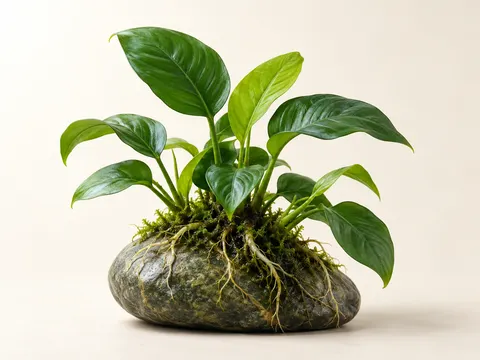
Nuphar japonica is a striking aquatic plant known for its beautiful, translucent, arrow-shaped submerged leaves. Grown from a thick, fleshy rhizome or tuber, it requires a nutrient-rich substrate to thrive. If left unpruned, it may send floating lily pads to the surface, but pruning these surface leaves encourages a lush, bushy, submerged growth form. Its delicate leaves are highly palatable and prone to being eaten by herbivorous fish and large snails.
Spatterdock At a Glance
Spatterdock Care and Setup
Layout Fit
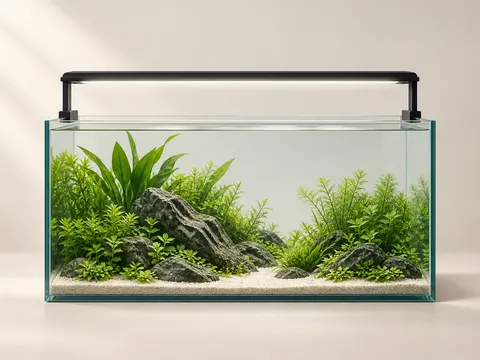
Spatterdock usually works best from the midground into the background and needs enough room to mature at about 60 cm tall and 30 cm wide.
Water Window
Aim for freshwater conditions with gentle water movement, plus 15 to 28 °C, pH 6 to 8, and 2 to 15 dGH.
Upkeep Rhythm
Expect moderate growth with moderate maintenance. It usually stays easy to manage between normal maintenance sessions.
Spatterdock Care Guide Summary
The Spatterdock is a bulb or tuber plant that usually works best from the midground into the background. Give it room to reach about 60 cm tall and 30 cm wide, so the mature plant still fits the layout. It tends to look its best when the light, feeding, and trimming routine stay predictable from week to week. In day-to-day care, it responds best to moderate light, freshwater conditions, and gentle water movement. It can grow without added CO2, but it usually looks fuller and recovers faster when CO2 is available. Keep this species within a comfortable range of 15 to 28 °C, pH 6 to 8, and 2 to 15 dGH.
Spatterdock Planting, Feeding & Maintenance
The Spatterdock does best when the setup matches the way it naturally grows. Leave the upper part of the bulb exposed so it does not soften and rot in the substrate. Most of its uptake happens through the root zone, so root tabs or an enriched bed matter more than frequent water-column dosing. A nutrient-rich substrate helps it settle faster and usually supports fuller growth. Keep the routine steady: moderate light and high nutrient demand usually give better results than big swings from week to week. This plant can also adapt to emersed growth, which is useful for growers who propagate outside the display tank.
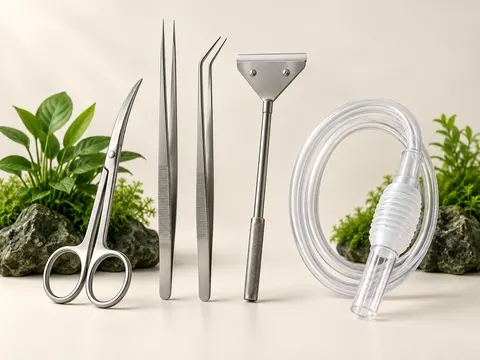
Supplies for Spatterdock
We may earn from qualifying purchases

Best Use Case for Spatterdock
Spatterdock is usually at its best when you want a midground and background plant with moderate light demands and a moderate maintenance rhythm that fits into a real weekly routine. It makes the most sense in a layout where you can protect its space and let its growth pattern show.
Spatterdock Compatibility
Use these signals as quick context, not hard rules. They help you judge how well Spatterdock is likely to stay in place, tolerate curious fish, and contribute real cover in a mixed planted tank.
Aquarium Benefits
The Spatterdock can work very well in a mixed tank, but its value depends on how well it handles fish pressure and how much usable cover it really provides. It is a poor match for plant-eating or rough fish because the leaves are easy for them to damage. Once established, it handles average community activity reasonably well, but fresh plantings still need a little protection. It adds some usable cover without turning the layout into a dense thicket. Its canopy can shade neighboring plants, so leave space around lower growers that need direct light. Aquarists also lean on it for surface cover, breaking up sight lines, and a grazing surface, not just for appearance.
Spatterdock Propagation
This species is usually propagated by rhizome division, bulb division, and offsets. With moderate growth and moderate upkeep, it rarely crowds neighboring plants in a hurry. That gives you a better sense of whether simple trimming is enough or whether it is smarter to plan division, replanting, or thinning before the layout closes in.
Spatterdock Variants
Trade names and cultivated forms do not always change how a plant behaves in the tank. The notes below call out the differences that actually matter in care and layout planning, while anything not mentioned still follows the base profile.
Rubra
A highly sought-after red color morph of Nuphar japonica. It demands stronger lighting and more precise care, including CO2 injection, to maintain its vibrant reddish-orange to copper coloration and to prevent the delicate tuber from melting.
Compared with the base plant, it leans toward advanced difficulty, high maintenance, high light, and added CO2 is recommended.
Also known as: Nuphar japonica var. rubra, Red Spatterdock, Red Nuphar
Frequently Asked Questions About Spatterdock
Is Spatterdock a good beginner aquarium plant?
It sits somewhere in the middle. As a intermediate species with moderate maintenance needs, it is a better fit once you already have the basics of light, feeding, and trimming under control.
Where should Spatterdock be placed in an aquarium?
This plant usually looks best from the midground into the background. At full size it can reach about 60 cm tall by 30 cm wide, so leave room for it to mature. It is best set with the bulb partly exposed rather than buried deeply.
Does Spatterdock need strong light or CO2?
For the best results, provide it with moderate lighting. Additionally, it can grow without added CO2, but it usually looks fuller and recovers faster when CO2 is available.
What water conditions suit Spatterdock?
Aim for freshwater conditions, gentle water movement, and a range around 15 to 28 °C, pH 6 to 8, and 2 to 15 dGH to keep this species inside its comfort zone.
How does Spatterdock spread or help the aquarium?
It is usually propagated by rhizome division, bulb division, and offsets. In the display tank, aquarists value this plant for surface cover, breaking up sight lines, and a grazing surface.
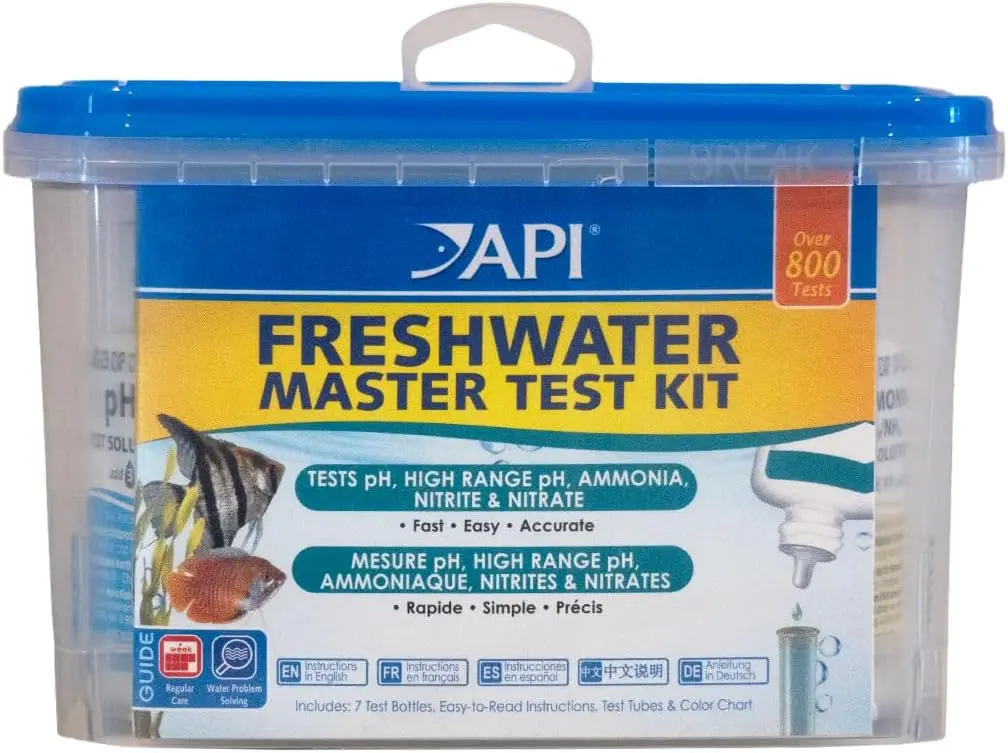
Plant care products
We may earn from qualifying purchases


Guidarium Editorial Desk
Reviewed against Guidarium care, stocking, and compatibility standards. Read the editorial policy.
- Last reviewed
- April 21, 2026
- Last updated
- April 21, 2026
- Issues or corrections?
- Contact the editorial team
Plants That Grow Well With Spatterdock
These plants share compatible water parameters and growth habits with Spatterdock, making them reliable companions in a shared aquascape.
Green Lily
Nymphaea glandulifera
Tricolor Lily
Nymphaea micrantha
Dwarf Crypt
Cryptocoryne parva
Dwarf Water Lily
Nymphaea stellata
Japanese Bamboo
Blyxa japonica
Monte Carlo
Micranthemum tweediei
Side-by-side comparisons for Spatterdock
These guides compare Spatterdock directly with another plant, helping you choose between similar roles, care needs, and layout tradeoffs.
Tiger Lotus
Nymphaea lotus
Orchid Lily
Barclaya longifolia
Ruffled Aponogeton
Aponogeton crispus
Compact Aponogeton
Aponogeton ulvaceus
African Onion Plant
Crinum calamistratum
Dwarf Water Lily
Nymphaea stellata
Fish That Suit Spatterdock
These fish pair well with Spatterdock based on shared water preferences and temperament, helping you build a balanced tank around this plant.
Rhomb Barb
Desmopuntius rhomboocellatus
Red Dwarf Rasbora
Microrasbora rubescens
Rio Negro Dwarf Cichlid
Ivanacara adoketa
Red Breasted Acara
Laetacara dorsigera
Freshwater Toadfish (Prehistoric Monster Fish)
Thalassophryne amazonica
Zebra Apple Snail
Asolene spixi
Related plant profiles
These cards open plant profiles directly. They are chosen by overall care, layout, and growth-pattern similarity, rather than a side-by-side comparison guide.
Banana Plant
Nymphoides aquatica
The Banana Plant is a unique, eye-catching aquarium plant famous for its cluster of thick, banana-shaped root tubers that store nutrients. It initially produces light green, heart-shaped submerged leaves and will rapidly shoot lily-like pads to the water surface if allowed. To maintain bushy submerged growth, surface-reaching leaves should be routinely trimmed.
Water Fern
Azolla filiculoides
Azolla filiculoides, commonly known as Fairy Moss or Water Fern, is a highly prolific floating fern. It forms dense, velvety mats on the water surface and is famous for its ability to fix atmospheric nitrogen via a symbiotic relationship with cyanobacteria. Under high light or nutrient limitation, its leaves develop a striking reddish hue. While it provides excellent cover for fry and resting areas for surface-dwelling species, it grows aggressively and requires frequent culling to prevent it from blocking essential light to submerged plants.
Japanese Bamboo
Blyxa japonica
Blyxa japonica is an obligate aquatic plant that resembles a grassy rosette but is biologically a stem plant with tightly packed internodes. Under high light and with CO2 supplementation, it forms dense, bushy, golden-green to reddish thickets, making it an extremely popular midground transition plant in aquascaping. It develops a massive root system and benefits significantly from nutrient-rich substrates.
Water Cabbage
Pistia stratiotes
A highly popular and recognizable floating plant that forms rosettes of thick, velvety, ribbed leaves resembling small heads of cabbage. It develops long, trailing feathery roots that are exceptional for taking up excess nutrients from the water column and providing safe harbor for fish fry and shrimp. It requires gentle surface movement, as splashing water on its leaves can cause them to rot.
Dwarf Water Lily
Nymphaea stellata
A beautiful bulbous plant known for its arrow-shaped to rounded leaves and striking red, pink, or green foliage in the aquarium. It will eagerly send lily pads to the surface if allowed, which provides excellent shade and cover, but it can be trained to stay submerged and bushy by regularly trimming the floating surface leaves.
Orchid Lily
Barclaya longifolia
Barclaya longifolia, commonly known as the Orchid Lily, is an elegant bulbous aquatic plant native to Southeast Asia. It features long, undulating, ribbon-like leaves that can display striking shades of olive green to vibrant red, often with bright pink or red undersides. Known for its delicate foliage, it requires a nutrient-rich substrate and may occasionally enter a natural resting phase where it sheds its leaves. It is highly prized by aquascapers for midground to background placement but needs protection from herbivorous fish and snails due to its highly palatable, fragile leaves.