
Spadeleaf Plant
Gymnocoronis spilanthoides
Gymnocoronis spilanthoides is an extremely fast-growing, adaptable stem plant known for its distinctive spade-shaped leaves. Often considered a weed in its native and introduced habitats, it makes an excellent background plant for aquariums due to its rapid nutrient uptake, though it requires frequent trimming to prevent it from shading out other plants or breaching the surface.
Spadeleaf Plant At a Glance
Spadeleaf Plant Care and Setup
Layout Fit
Spadeleaf Plant usually works best in the background and needs enough room to mature at about 60 cm tall and 15 cm wide.
Water Window
Aim for freshwater conditions with a steady current, plus 15 to 30 °C, pH 5.5 to 8, and 2 to 15 dGH.
Upkeep Rhythm
Expect fast growth with high maintenance. Plan to trim and thin it regularly so it does not crowd slower plants.
Spadeleaf Plant Care Guide Summary
The Spadeleaf Plant is a stem plant that usually works best in the background. Give it room to reach about 60 cm tall and 15 cm wide, so the mature plant still fits the layout. It rewards stable conditions and a deliberate routine with light, nutrients, and pruning. In day-to-day care, it responds best to moderate light, freshwater conditions, and a steady current. It usually grows well without added CO2. Keep this species within a comfortable range of 15 to 30 °C, pH 5.5 to 8, and 2 to 15 dGH.
Spadeleaf Plant Planting, Feeding & Maintenance
The Spadeleaf Plant does best when the setup matches the way it naturally grows. Plant it with enough room for the crown and new roots to establish cleanly. It can use both the root zone and the water column, so a balanced fertilization routine is usually the safest approach. An inert substrate is workable as long as the rest of the fertilization plan is consistent. Keep the routine steady: moderate light and high nutrient demand usually give better results than big swings from week to week. This plant can also adapt to emersed growth, which is useful for growers who propagate outside the display tank.
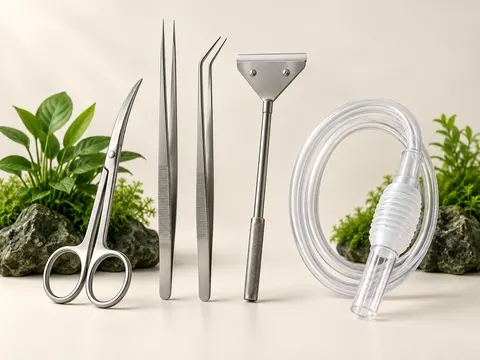
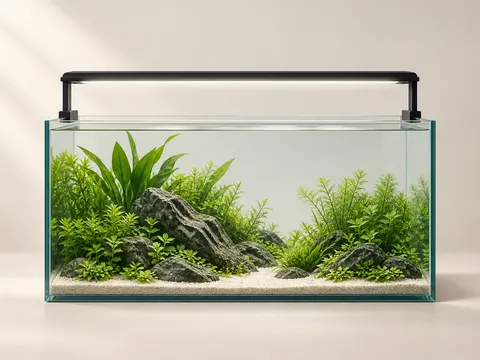
Supplies for Spadeleaf Plant
We may earn from qualifying purchases

Best Use Case for Spadeleaf Plant
Spadeleaf Plant is usually at its best when you want a background plant with moderate light demands and a high maintenance rhythm that fits into a real weekly routine. It makes the most sense in a layout where you can protect its space and let its growth pattern show.
Spadeleaf Plant Compatibility
Use these signals as quick context, not hard rules. They help you judge how well Spadeleaf Plant is likely to stay in place, tolerate curious fish, and contribute real cover in a mixed planted tank.
Aquarium Benefits
The Spadeleaf Plant can work very well in a mixed tank, but its value depends on how well it handles fish pressure and how much usable cover it really provides. It can be sampled by omnivores, so it fits best with tankmates that do not constantly pick at foliage. Once established, it handles average community activity reasonably well, but fresh plantings still need a little protection. It adds some usable cover without turning the layout into a dense thicket. Its canopy can shade neighboring plants, so leave space around lower growers that need direct light. Aquarists also lean on it for breaking up sight lines and surface cover, not just for appearance.
Spadeleaf Plant Propagation
This species is usually propagated by stem cuttings and offsets. With fast growth and high upkeep, it can overtake nearby space if you let maintenance slide. That gives you a better sense of whether simple trimming is enough or whether it is smarter to plan division, replanting, or thinning before the layout closes in.
Frequently Asked Questions About Spadeleaf Plant
Is Spadeleaf Plant a good beginner aquarium plant?
This is not the easiest starter plant. It is considered a beginner species that requires high upkeep, and it rewards aquarists who can keep light, nutrients, and CO2 stable.
Where should Spadeleaf Plant be placed in an aquarium?
This plant usually looks best in the background. At full size it can reach about 60 cm tall by 15 cm wide, so leave room for it to mature. It is best rooted into the substrate.
Does Spadeleaf Plant need strong light or CO2?
For the best results, provide it with moderate lighting. Additionally, it usually grows well without added CO2.
What water conditions suit Spadeleaf Plant?
Aim for freshwater conditions, a steady current, and a range around 15 to 30 °C, pH 5.5 to 8, and 2 to 15 dGH to keep this species inside its comfort zone.
How does Spadeleaf Plant spread or help the aquarium?
It is usually propagated by stem cuttings and offsets. In the display tank, aquarists value this plant for breaking up sight lines and surface cover.
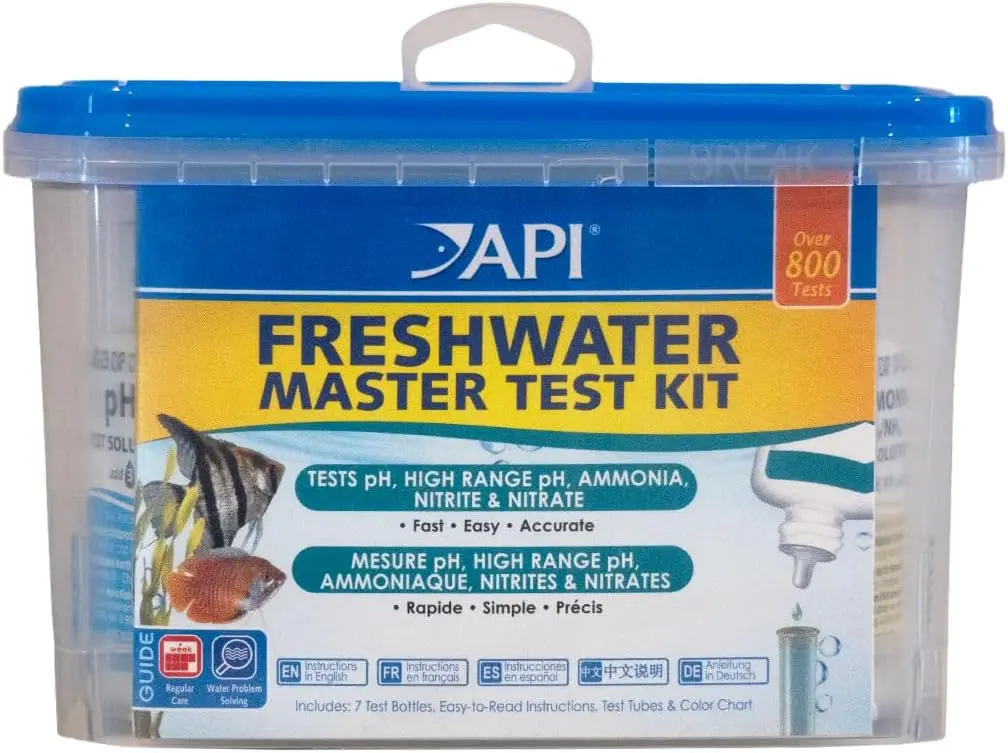
Plant care products
We may earn from qualifying purchases


Guidarium Editorial Desk
Reviewed against Guidarium care, stocking, and compatibility standards. Read the editorial policy.
- Last reviewed
- April 24, 2026
- Last updated
- April 24, 2026
- Issues or corrections?
- Contact the editorial team
Plants That Grow Well With Spadeleaf Plant
These plants share compatible water parameters and growth habits with Spadeleaf Plant, making them reliable companions in a shared aquascape.
Japan Clover
Hydrocotyle tripartita
Mexican Oak Leaf
Shinnersia rivularis
Water Wisteria
Hygrophila difformis
Floating Water Sprite
Ceratopteris cornuta
Water Cabbage
Pistia stratiotes
Dwarf Chain Sword
Helanthium tenellum
Side-by-side comparisons for Spadeleaf Plant
These guides compare Spadeleaf Plant directly with another plant, helping you choose between similar roles, care needs, and layout tradeoffs.
Mexican Oak Leaf
Shinnersia rivularis
Octopus Plant
Pogostemon stellatus
Parrot's Feather
Myriophyllum aquaticum
Dwarf Hygro
Hygrophila polysperma
Dwarf Rotala
Rotala rotundifolia
Guppy Grass
Najas guadalupensis
Fish That Suit Spadeleaf Plant
These fish pair well with Spadeleaf Plant based on shared water preferences and temperament, helping you build a balanced tank around this plant.
Scissortail Rasbora
Rasbora trilineata
Rummynose Rasbora
Sawbwa resplendens
Rosy Red Minnow / Fathead Minnow
Pimephales promelas
Rose Danio
Danio roseus
Tequila Splitfin
Zoogoneticus tequila
Sunset Platy (Variatus Platy)
Xiphophorus variatus
Related plant profiles
These cards open plant profiles directly. They are chosen by overall care, layout, and growth-pattern similarity, rather than a side-by-side comparison guide.
Spade-leaf Anubias
Anubias hastifolia
Anubias hastifolia is a striking, larger species of Anubias known for its long stems and distinctive spade- or halberd-shaped leaves. Due to its size, it is best suited for the background of larger aquariums or allowed to grow emergently in paludariums and open-top tanks. Like other Anubias species, it is extremely hardy, requires minimal care, and should have its rhizome attached to hardscape rather than buried.
Dwarf Rotala
Rotala rotundifolia
A highly popular and versatile stem plant that adapts well to a variety of aquarium conditions. In its emersed state, it features round green leaves, but when submerged, the leaves become narrow and can develop pink to red hues depending on light intensity and nutrient limitation. Frequent trimming encourages dense, bushy growth.
Cardinal Plant
Lobelia cardinalis
A striking, robust stem plant well known for its use in creating distinct 'streets' in Dutch-style aquascapes. While it grows tall and produces bright red flowers in its emersed form, the submerged form produces compact, light green foliage that grows relatively slowly compared to most other stem plants.
Creeping Ludwigia
Ludwigia repens
A classic, highly adaptable stem plant known for its oval leaves that develop attractive reddish hues under good lighting. It is one of the easiest red plants to grow in the aquarium, making it a popular choice for beginners looking to add contrast to their aquascape.
Broadleaf Sagittaria
Sagittaria latifolia
A robust, fast-growing marginal plant that can be grown submerged in large aquariums. While famous for its large, arrowhead-shaped emersed leaves, it produces long, strap-like foliage when grown completely underwater. It spreads vigorously via thick stolons and forms a strong root system, often attempting to breach the water surface.
Giant Sagittaria
Sagittaria platyphylla
Giant Sagittaria is a robust, grass-like plant that features relatively broad, strap-shaped submerged leaves. It spreads via underground runners to form dense clusters. Often used as a background plant in smaller aquariums or a midground accent in larger setups, it is highly adaptable and makes an excellent choice for beginners.