
Myriophyllum tuberculatum is a stunning, finely-leaved stem plant known for its intense red to rust-colored foliage. It is one of the more demanding Myriophyllum species, requiring high light, consistent CO2 injection, and comprehensive water column fertilization (especially iron and micronutrients) to maintain its vibrant coloration and prevent lower leaves from melting or dropping. When grown in optimal conditions, its dense, feathery whorls make it a spectacular focal point in the midground or background.
Red Milfoil At a Glance
Red Milfoil Care and Setup
Layout Fit
Red Milfoil usually works best from the midground into the background and needs enough room to mature at about 60 cm tall and 8 cm wide.
Water Window
Aim for freshwater conditions with a steady current, plus 22 to 28 °C, pH 5.5 to 7, and 2 to 10 dGH.
Upkeep Rhythm
Expect fast growth with high maintenance. Routine trimming keeps it tidy and stops it from drifting into neighboring space.
Red Milfoil Care Guide Summary
The Red Milfoil is a stem plant that usually works best from the midground into the background. Give it room to reach about 60 cm tall and 8 cm wide, so the mature plant still fits the layout. It rewards stable conditions and a deliberate routine with light, nutrients, and pruning. In day-to-day care, it responds best to high light, freshwater conditions, and a steady current. It really needs steady injected CO2 to stay on track. Keep this species within a comfortable range of 22 to 28 °C, pH 5.5 to 7, and 2 to 10 dGH.
Red Milfoil Planting, Feeding & Maintenance
The Red Milfoil does best when the setup matches the way it naturally grows. Plant it with enough room for the crown and new roots to establish cleanly. Most of its nutrition comes from the water column, so steady liquid fertilization matters more than heavy root feeding. A nutrient-rich substrate helps it settle faster and usually supports fuller growth. Keep the routine steady: high light and high nutrient demand usually give better results than big swings from week to week. This plant can also adapt to emersed growth, which is useful for growers who propagate outside the display tank.
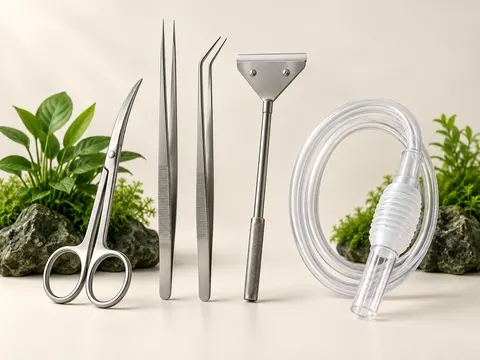
Supplies for Red Milfoil
We may earn from qualifying purchases

Best Use Case for Red Milfoil
Red Milfoil is usually at its best when you want a midground and background plant with high light demands and a high maintenance rhythm that fits into a real weekly routine. It is especially useful when you want a plant that keeps doing its job even in a busier community tank.
Red Milfoil Compatibility
Use these signals as quick context, not hard rules. They help you judge how well Red Milfoil is likely to stay in place, tolerate curious fish, and contribute real cover in a mixed planted tank.
Aquarium Benefits
The Red Milfoil can work very well in a mixed tank, but its value depends on how well it handles fish pressure and how much usable cover it really provides. It can be sampled by omnivores, so it fits best with tankmates that do not constantly pick at foliage. Its anchoring strength is limited early on, so avoid pairing it with persistent diggers or boisterous substrate movers. It creates meaningful shelter for fry, shrimp, and cautious fish. It casts a moderate amount of shade, which is helpful when you want softer pockets of cover. Aquarists also lean on it for breaking up sight lines, shelter for fry, shelter for shrimp, and a useful spawning site, not just for appearance.
Red Milfoil Propagation
This species is usually propagated by stem cuttings and offsets. With fast growth and high upkeep, it stays manageable with routine thinning and trimming. That gives you a better sense of whether simple trimming is enough or whether it is smarter to plan division, replanting, or thinning before the layout closes in.
Frequently Asked Questions About Red Milfoil
Is Red Milfoil a good beginner aquarium plant?
This is not the easiest starter plant. It is considered a advanced species that requires high upkeep, and it rewards aquarists who can keep light, nutrients, and CO2 stable.
Where should Red Milfoil be placed in an aquarium?
This plant usually looks best from the midground into the background. At full size it can reach about 60 cm tall by 8 cm wide, so leave room for it to mature. It is best rooted into the substrate.
Does Red Milfoil need strong light or CO2?
For the best results, provide it with high lighting. Additionally, it really needs steady injected CO2 to stay on track.
What water conditions suit Red Milfoil?
Aim for freshwater conditions, a steady current, and a range around 22 to 28 °C, pH 5.5 to 7, and 2 to 10 dGH to keep this species inside its comfort zone.
How does Red Milfoil spread or help the aquarium?
It is usually propagated by stem cuttings and offsets. In the display tank, aquarists value this plant for breaking up sight lines, shelter for fry, shelter for shrimp, and a useful spawning site.
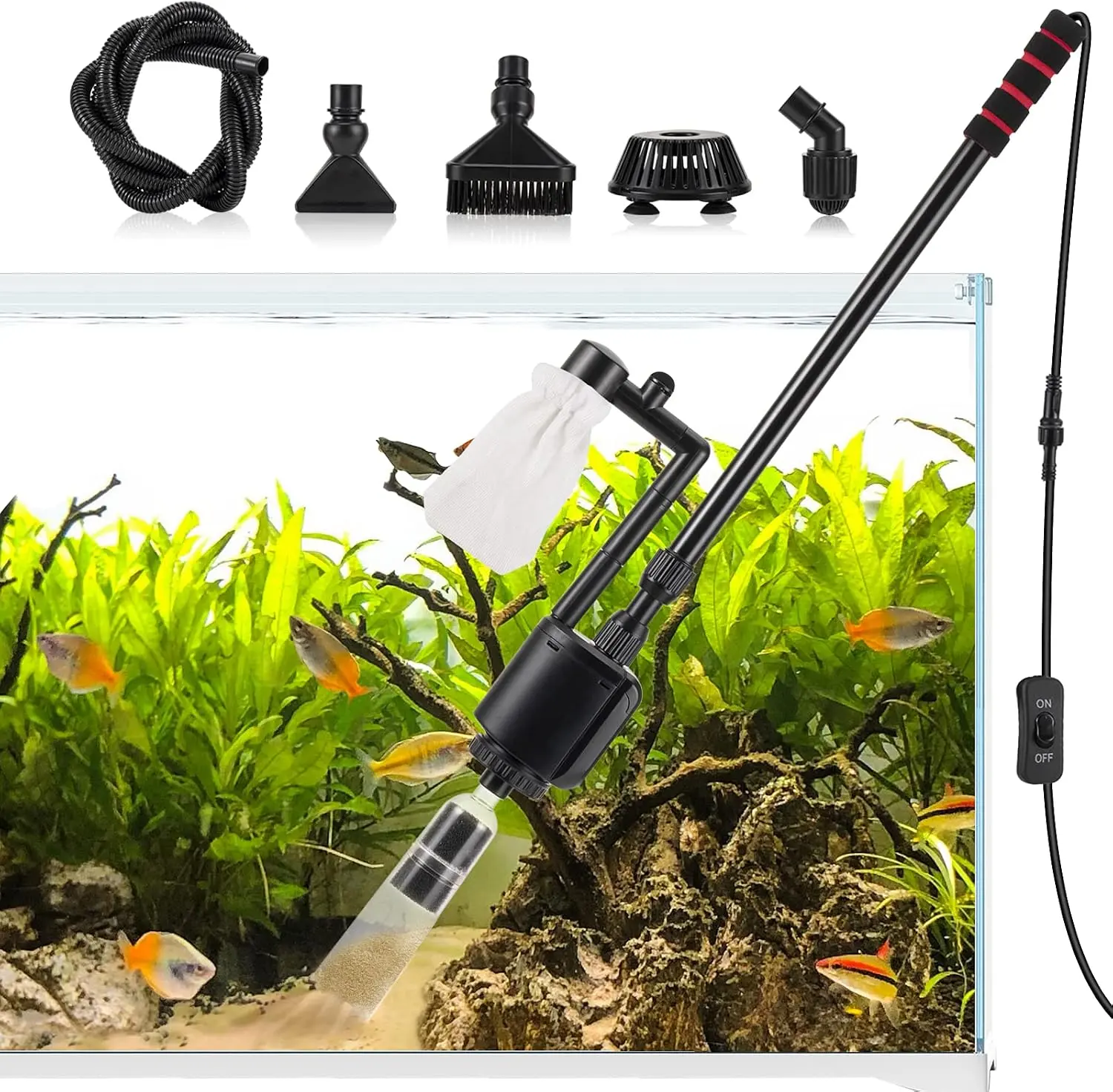
Plant care products
We may earn from qualifying purchases



Guidarium Editorial Desk
Reviewed against Guidarium care, stocking, and compatibility standards. Read the editorial policy.
- Last reviewed
- April 24, 2026
- Last updated
- April 24, 2026
- Issues or corrections?
- Contact the editorial team
Plants That Grow Well With Red Milfoil
These plants share compatible water parameters and growth habits with Red Milfoil, making them reliable companions in a shared aquascape.
Glosso
Glossostigma elatinoides
HC Cuba / Dwarf Baby Tears
Hemianthus callitrichoides
Giant Baby Tears
Micranthemum umbrosum
Giant Red Rotala
Rotala macrandra
Whorly Rotala
Rotala wallichii
Ashy Pipewort
Eriocaulon cinereum
Side-by-side comparisons for Red Milfoil
These guides compare Red Milfoil directly with another plant, helping you choose between similar roles, care needs, and layout tradeoffs.
Large Ammannia
Ammannia gracilis
Matto Grosso Milfoil
Myriophyllum mattogrossense
Dwarf Rotala
Rotala rotundifolia
Octopus Plant
Pogostemon stellatus
Parrot's Feather
Myriophyllum aquaticum
Temple Plant
Hygrophila corymbosa
Fish That Suit Red Milfoil
These fish pair well with Red Milfoil based on shared water preferences and temperament, helping you build a balanced tank around this plant.
Scissortail Rasbora
Rasbora trilineata
Rosy Red Minnow / Fathead Minnow
Pimephales promelas
Rose Danio
Danio roseus
Tequila Splitfin
Zoogoneticus tequila
Sunset Platy (Variatus Platy)
Xiphophorus variatus
Yellow Perch
Perca flavescens
Related plant profiles
These cards open plant profiles directly. They are chosen by overall care, layout, and growth-pattern similarity, rather than a side-by-side comparison guide.
Matto Grosso Milfoil
Myriophyllum mattogrossense
A fast-growing, bright green stem plant with deeply incised, feathery leaves. Native to South America, it provides excellent textural contrast against broad-leaved or red plants and creates dense, bushy thickets when regularly trimmed.
Water Hedge
Didiplis diandra
Didiplis diandra, commonly known as Water Hedge, is a delicate and attractive stem plant native to North America. It features fine, cross-opposite needle-like leaves that form dense, bushy structures. Under high light with adequate CO2 and iron, the leaf tips develop striking orange to deep reddish-purple hues. It is highly valued for creating distinct textures in the midground or background, though it can be somewhat demanding, requiring good water circulation to prevent debris buildup in its dense thickets and sufficient lower lighting to prevent the bottom leaves from rotting.
Needle Leaf Ludwigia
Ludwigia arcuata
A graceful, fine-leaved stem plant that develops striking orange to deep red coloration under intense lighting and CO2 injection. Frequent trimming encourages dense, bushy growth, making it an excellent midground or background accent in aquascapes.
Giant Red Rotala
Rotala macrandra
Rotala macrandra is a stunning, but highly demanding, stem plant known for its large, undulating, brightly colored leaves. To achieve its signature vibrant red coloration and prevent stunting or leaf melting, it requires intense lighting, strictly managed CO2 injection, and a robust nutrient dosing regimen.
Mosaic Plant
Ludwigia sedioides
A highly unique and beautiful stem plant best known for its striking diamond-shaped leaves that form geometric, mosaic-like rosettes on the water surface. Though rooted in the substrate, it sends long, brittle stems upward to display its vibrant red and green foliage at the top of the tank. It requires intense lighting, a nutrient-rich substrate, and still surface water to thrive indoors, making it a delicate but highly rewarding centerpiece for advanced aquarists.
Red Ammannia
Ammannia pedicellata
Ammannia pedicellata, historically traded as Nesaea pedicellata, is a striking and robust stem plant known for its thick, vibrantly colored stems and contrasting foliage. It can be somewhat demanding, requiring high light and ample nutrients to prevent the lower leaves from blackening or shedding.