
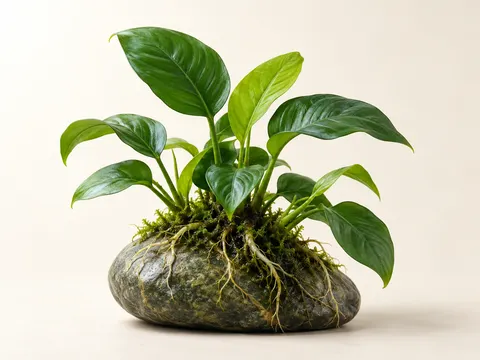
Monosolenium tenerum, commonly known in the hobby as Pelia or Pellia, is a thalloid liverwort that lacks true leaves and stems. It forms beautiful, translucent green cushions but has a very delicate and brittle structure. Because it lacks roots and does not attach firmly to surfaces on its own, it is typically tied to rocks or driftwood, or trapped between hardscape elements where it can form a bushy mound. It is an excellent refuge for shrimp and fry, though it should be kept in low flow areas to prevent the brittle thallus from breaking apart and scattering around the aquarium.
Pelia At a Glance
Pelia Care and Setup
Layout Fit
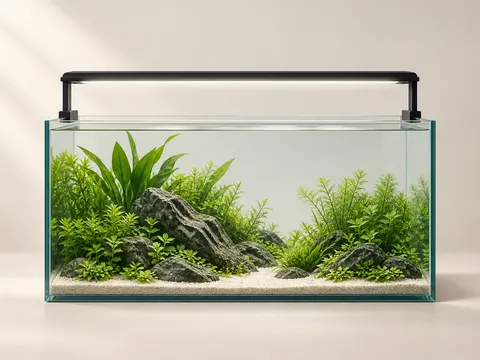
Pelia usually works best attached to wood or stone in the foreground or midground and needs enough room to mature at about 5 cm tall and 15 cm wide.
Water Window
Aim for freshwater conditions with gentle water movement, plus 15 to 28 °C, pH 5.5 to 8, and 2 to 15 dGH.
Upkeep Rhythm
Expect moderate growth with low maintenance. It usually stays easy to manage between normal maintenance sessions.
Pelia Care Guide Summary
The Pelia is a moss or liverwort that usually works best attached to wood or stone in the foreground or midground. Give it room to reach about 5 cm tall and 15 cm wide, so the mature plant still fits the layout. It is approachable for newer planted-tank keepers once the initial planting is done correctly. In day-to-day care, it responds best to low light, freshwater conditions, and gentle water movement. It can grow without added CO2, but it usually looks fuller and recovers faster when CO2 is available. Keep this species within a comfortable range of 15 to 28 °C, pH 5.5 to 8, and 2 to 15 dGH.
Pelia Planting, Feeding & Maintenance
The Pelia does best when the setup matches the way it naturally grows. It should be tied or wedged to wood or stone until the roots grip securely. Most of its nutrition comes from the water column, so steady liquid fertilization matters more than heavy root feeding. It does not need a nutrient substrate to stay viable in an aquarium. Keep the routine steady: low light and low nutrient demand usually give better results than big swings from week to week. This plant can also adapt to emersed growth, which is useful for growers who propagate outside the display tank.
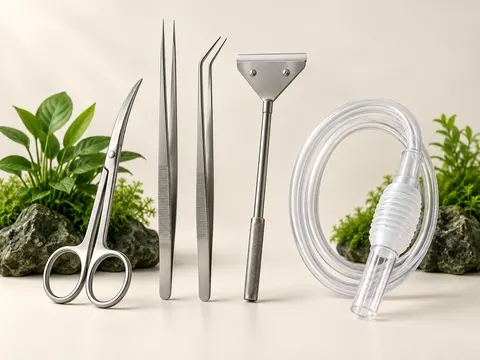
Supplies for Pelia
We may earn from qualifying purchases

Best Use Case for Pelia
Pelia is usually at its best when you want a foreground, midground, and attached to hardscape plant with low light demands and a low maintenance rhythm that fits into a real weekly routine. It is especially useful when you want a plant that keeps doing its job even in a busier community tank.
Pelia Compatibility
Use these signals as quick context, not hard rules. They help you judge how well Pelia is likely to stay in place, tolerate curious fish, and contribute real cover in a mixed planted tank.
Aquarium Benefits
The Pelia can work very well in a mixed tank, but its value depends on how well it handles fish pressure and how much usable cover it really provides. It is less likely to be chewed by curious fish, and its delicate leaves usually help it hold up in calm community tanks. Its anchoring strength is limited early on, so avoid pairing it with persistent diggers or boisterous substrate movers. It creates meaningful shelter for fry, shrimp, and cautious fish. It does not block much light, making it easier to mix with smaller plants nearby. Aquarists also lean on it for shelter for shrimp, shelter for fry, and a grazing surface, not just for appearance.
Pelia Propagation
This species is usually propagated by physical division. With moderate growth and low upkeep, it rarely crowds neighboring plants in a hurry. That gives you a better sense of whether simple trimming is enough or whether it is smarter to plan division, replanting, or thinning before the layout closes in.
Frequently Asked Questions About Pelia
Is Pelia a good beginner aquarium plant?
Yes, the Pelia is an excellent, low-maintenance choice for beginner aquarists. Newer hobbyists can do well with it as long as the planting method and weekly routine stay consistent.
Where should Pelia be placed in an aquarium?
This plant usually looks best attached to wood or stone in the foreground or midground. At full size it can reach about 5 cm tall by 15 cm wide, so leave room for it to mature. It is best tied or wedged onto wood or stone.
Does Pelia need strong light or CO2?
For the best results, provide it with low lighting. Additionally, it can grow without added CO2, but it usually looks fuller and recovers faster when CO2 is available.
What water conditions suit Pelia?
Aim for freshwater conditions, gentle water movement, and a range around 15 to 28 °C, pH 5.5 to 8, and 2 to 15 dGH to keep this species inside its comfort zone.
How does Pelia spread or help the aquarium?
It is usually propagated by physical division. In the display tank, aquarists value this plant for shelter for shrimp, shelter for fry, and a grazing surface.
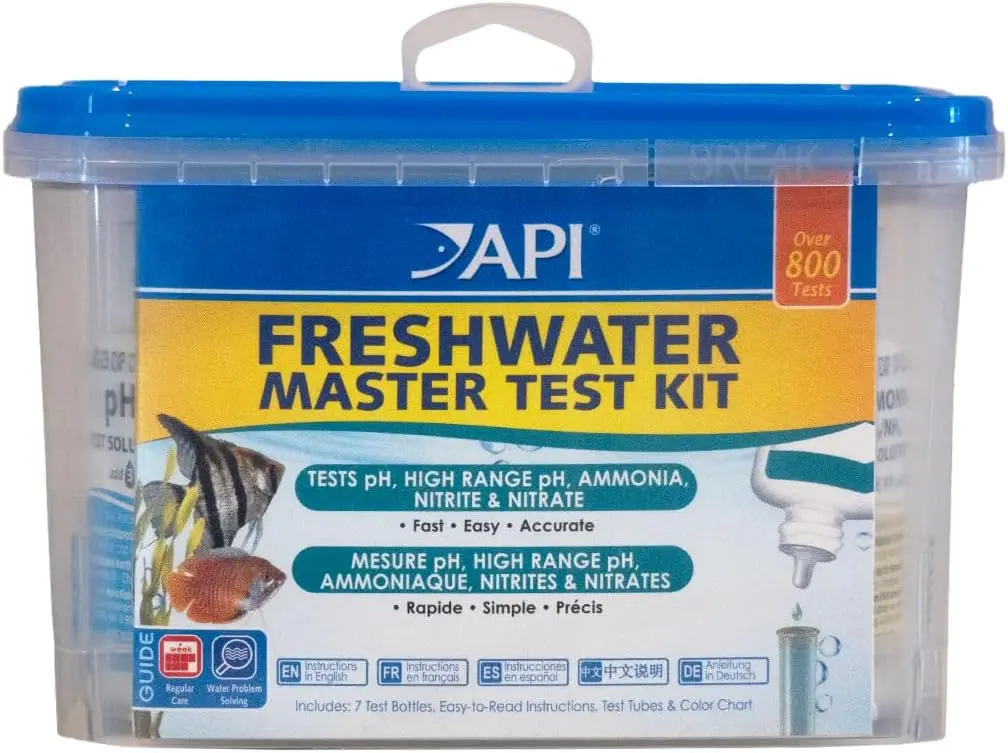
Plant care products
We may earn from qualifying purchases


Guidarium Editorial Desk
Reviewed against Guidarium care, stocking, and compatibility standards. Read the editorial policy.
- Last reviewed
- April 21, 2026
- Last updated
- April 21, 2026
- Issues or corrections?
- Contact the editorial team
Plants That Grow Well With Pelia
These plants share compatible water parameters and growth habits with Pelia, making them reliable companions in a shared aquascape.
Süßwassertang
Lomariopsis lineata
Stringy Moss
Leptodictyum riparium
Crypt Wendtii
Cryptocoryne wendtii
Lucky Bamboo
Dracaena sanderiana
Beckett's Water Trumpet
Cryptocoryne beckettii
Belinda's Buce
Bucephalandra belindae
Side-by-side comparisons for Pelia
These guides compare Pelia directly with another plant, helping you choose between similar roles, care needs, and layout tradeoffs.
Christmas Moss
Vesicularia montagnei
Coral Pelia
Riccardia chamedryfolia
Phoenix Moss
Fissidens fontanus
Singapore Moss
Vesicularia dubyana
Süßwassertang
Lomariopsis lineata
Taiwan Moss
Taxiphyllum alternans
Fish That Suit Pelia
These fish pair well with Pelia based on shared water preferences and temperament, helping you build a balanced tank around this plant.
Kabia rainbowfish
Glossolepis kabia
Rhomb Barb
Desmopuntius rhomboocellatus
Red Dwarf Rasbora
Microrasbora rubescens
Steindachner Dwarf Cichlid
Apistogramma steindachneri
Red Breasted Acara
Laetacara dorsigera
Freshwater Toadfish (Prehistoric Monster Fish)
Thalassophryne amazonica
Related plant profiles
These cards open plant profiles directly. They are chosen by overall care, layout, and growth-pattern similarity, rather than a side-by-side comparison guide.
Coral Pelia
Riccardia chamedryfolia
Riccardia chamedryfolia, commonly known as Coral Pelia or Mini Pelia, is a highly sought-after aquatic liverwort that forms dense, intricately branching mats resembling miniature green coral. It is a slow-growing plant that is excellent for tying or gluing to rocks and driftwood. While it can survive in low-tech setups, it requires moderate to high light and CO2 injection to achieve its most compact, attractive growth and to prevent algae from outcompeting it.
Ashy Pipewort
Eriocaulon cinereum
Eriocaulon cinereum is a striking, hedgehog-like rosette plant that is highly sought after by advanced aquascapers. Originating from marshy areas and rice paddies in Asia and Australia, it demands intense lighting, high CO2 injection, soft acidic water, and a nutrient-rich substrate to thrive. It develops an extraordinarily large root system relative to its size, requiring deep and rich aquasoil. Due to its rigid but delicate crown and strict parameter demands, it is recommended only for experienced hobbyists.
Glosso
Glossostigma elatinoides
Glossostigma elatinoides, commonly known as Glosso, is a classic and highly popular aquarium carpeting plant native to the swamps and bogs of Australia and New Zealand. Prized for its ability to form a dense, bright green mat along the aquarium floor, it is often a centerpiece in high-tech nature aquariums. It is a demanding plant that requires intense lighting and carbon dioxide supplementation to creep horizontally; without these, it tends to grow leggy and vertical. Frequent trimming is necessary to prevent the carpet from overgrowing itself, which can lead to the lower layers dying off and the mat detaching from the substrate.
Süßwassertang
Lomariopsis lineata
Süßwassertang is a unique aquatic plant that is actually the gametophyte (prothallium) stage of the fern Lomariopsis lineata. Treated functionally as a moss or liverwort in the aquarium hobby, it forms dense, beautiful mounds of translucent, ribbon-like thalli. It is extremely undemanding, adaptable, and thrives in low-tech setups. Because it does not root, it is typically tied or glued to hardscape, or allowed to sink and settle in low-flow areas. It is highly valued by breeders for providing an exceptional grazing surface and dense refuge for shrimp and fry.
Dwarf Chain Sword
Helanthium tenellum
A popular and classic foreground plant that propagates rapidly via runners to form a dense, grass-like carpet. Under high lighting and good nutrition, its delicate leaves can develop an attractive reddish or brownish hue.
Water Wisteria
Hygrophila difformis
A highly popular, hardy stem plant known for its deeply lobed, fern-like submerged foliage. It is exceptionally forgiving for beginners and absorbs excess nutrients rapidly, making it excellent for outcompeting algae. Its leaf shape changes drastically depending on light levels and whether it is grown emersed or submerged.