
A highly unique, slow-growing species of filamentous green algae that naturally forms into velvety green spheres. Native to cold water lakes, it thrives in cooler aquariums and is a favorite among shrimp keepers due to the immense grazing surface it provides.
Marimo Moss Ball At a Glance
Marimo Moss Ball Care and Setup
Layout Fit
Marimo Moss Ball usually works best from the foreground into the midground and needs enough room to mature at about 12 cm tall and 12 cm wide.
Water Window
Aim for freshwater to lightly brackish conditions with a steady current, plus 5 to 25 °C, pH 6 to 8.5, and 2 to 20 dGH.
Upkeep Rhythm
Expect slow growth with low maintenance. It usually stays easy to manage between normal maintenance sessions.
Marimo Moss Ball Care Guide Summary
The Marimo Moss Ball is a specialty aquarium plant that usually works best from the foreground into the midground. Give it room to reach about 12 cm tall and 12 cm wide, so the mature plant still fits the layout. It is approachable for newer planted-tank keepers once the initial planting is done correctly. In day-to-day care, it responds best to low light, freshwater to lightly brackish conditions, and a steady current. It usually grows well without added CO2. Keep this species within a comfortable range of 5 to 25 °C, pH 6 to 8.5, and 2 to 20 dGH.
Marimo Moss Ball Planting, Feeding & Maintenance
The Marimo Moss Ball does best when the setup matches the way it naturally grows. Plant it with enough room for the crown and new roots to establish cleanly. Most of its nutrition comes from the water column, so steady liquid fertilization matters more than heavy root feeding. An inert substrate is workable as long as the rest of the fertilization plan is consistent. Keep the routine steady: low light and low nutrient demand usually give better results than big swings from week to week. It is usually treated as a submerged display plant rather than an emersed grow-out choice.
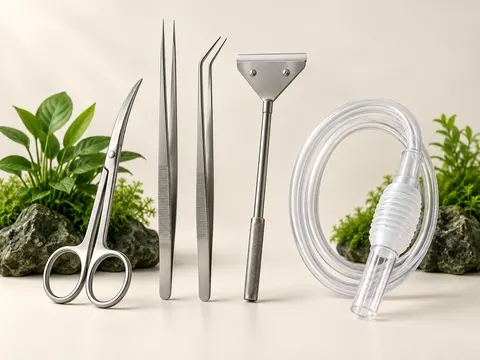
Supplies for Marimo Moss Ball
We may earn from qualifying purchases

Best Use Case for Marimo Moss Ball
Marimo Moss Ball is usually at its best when you want a foreground and midground plant with low light demands and a low maintenance rhythm that fits into a real weekly routine. It makes the most sense in a layout where you can protect its space and let its growth pattern show.
Marimo Moss Ball Compatibility
Use these signals as quick context, not hard rules. They help you judge how well Marimo Moss Ball is likely to stay in place, tolerate curious fish, and contribute real cover in a mixed planted tank.
Aquarium Benefits
The Marimo Moss Ball can work very well in a mixed tank, but its value depends on how well it handles fish pressure and how much usable cover it really provides. It is less likely to be chewed by curious fish, and its tough / leathery leaves usually help it hold up in calm community tanks. Its anchoring strength is limited early on, so avoid pairing it with persistent diggers or boisterous substrate movers. It adds some usable cover without turning the layout into a dense thicket. It does not block much light, making it easier to mix with smaller plants nearby. Aquarists also lean on it for shelter for shrimp and a grazing surface, not just for appearance.
Marimo Moss Ball Propagation
This species is usually propagated by physical division. With slow growth and low upkeep, it rarely crowds neighboring plants in a hurry. That gives you a better sense of whether simple trimming is enough or whether it is smarter to plan division, replanting, or thinning before the layout closes in.
Frequently Asked Questions About Marimo Moss Ball
Is Marimo Moss Ball a good beginner aquarium plant?
Yes, the Marimo Moss Ball is an excellent, low-maintenance choice for beginner aquarists. Newer hobbyists can do well with it as long as the planting method and weekly routine stay consistent.
Where should Marimo Moss Ball be placed in an aquarium?
This plant usually looks best from the foreground into the midground. At full size it can reach about 12 cm tall by 12 cm wide, so leave room for it to mature. It is best rooted into the substrate.
Does Marimo Moss Ball need strong light or CO2?
For the best results, provide it with low lighting. Additionally, it usually grows well without added CO2.
What water conditions suit Marimo Moss Ball?
Aim for freshwater to lightly brackish conditions, a steady current, and a range around 5 to 25 °C, pH 6 to 8.5, and 2 to 20 dGH to keep this species inside its comfort zone.
How does Marimo Moss Ball spread or help the aquarium?
It is usually propagated by physical division. In the display tank, aquarists value this plant for shelter for shrimp and a grazing surface.
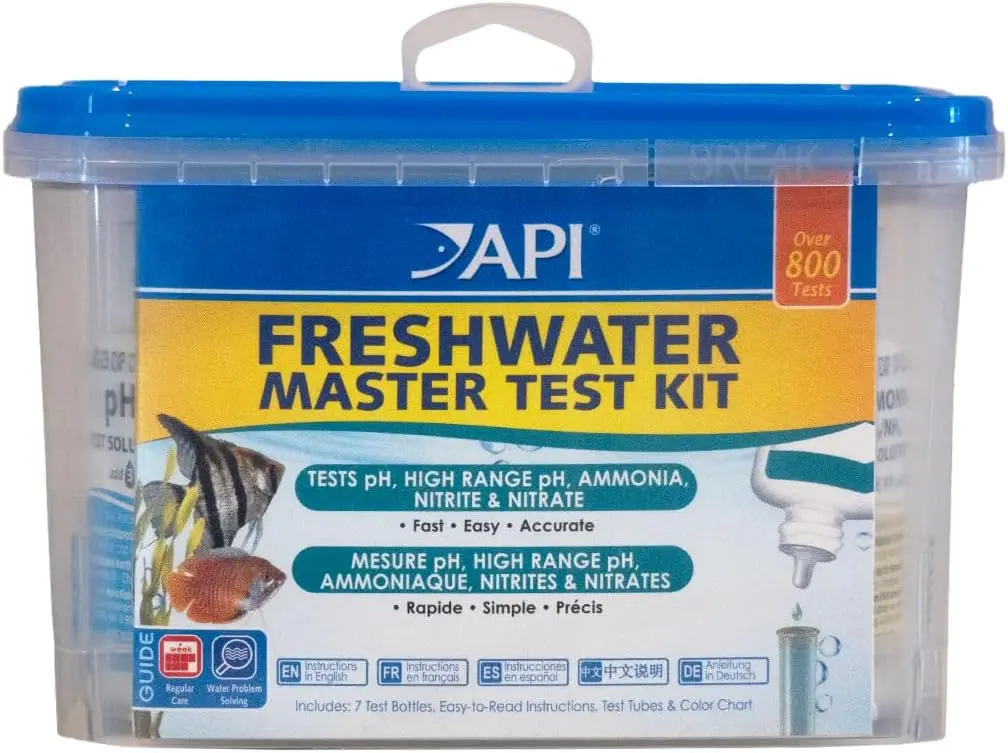
Plant care products
We may earn from qualifying purchases



Guidarium Editorial Desk
Reviewed against Guidarium care, stocking, and compatibility standards. Read the editorial policy.
- Last reviewed
- April 21, 2026
- Last updated
- April 21, 2026
- Issues or corrections?
- Contact the editorial team
Plants That Grow Well With Marimo Moss Ball
These plants share compatible water parameters and growth habits with Marimo Moss Ball, making them reliable companions in a shared aquascape.
Afzel's Anubias
Anubias afzelii
Anubias Barteri
Anubias barteri
Congo Anubias
Anubias heterophylla
Gillet's Anubias
Anubias gilletii
Java Fern
Leptochilus pteropus
Slender Anubias
Anubias gracilis
Side-by-side comparisons for Marimo Moss Ball
These guides compare Marimo Moss Ball directly with another plant, helping you choose between similar roles, care needs, and layout tradeoffs.
Belinda's Buce
Bucephalandra belindae
Buce Motleyana
Bucephalandra motleyana
Christmas Moss
Vesicularia montagnei
Coral Pelia
Riccardia chamedryfolia
Cryptocoryne Lutea
Cryptocoryne walkeri var. lutea
Downoi
Pogostemon helferi
Fish That Suit Marimo Moss Ball
These fish pair well with Marimo Moss Ball based on shared water preferences and temperament, helping you build a balanced tank around this plant.
Scissortail Rasbora
Rasbora trilineata
Rummynose Rasbora
Sawbwa resplendens
Rosy Red Minnow / Fathead Minnow
Pimephales promelas
Rose Danio
Danio roseus
Tequila Splitfin
Zoogoneticus tequila
Sunset Platy (Variatus Platy)
Xiphophorus variatus
Related plant profiles
These cards open plant profiles directly. They are chosen by overall care, layout, and growth-pattern similarity, rather than a side-by-side comparison guide.
Quillwort
Isoetes lacustris
Isoetes lacustris, commonly known as Lake Quillwort, is a unique, ancient lycophyte featuring stiff, dark green, quill-like leaves. It grows very slowly from a corm-like base and is best suited for cool-water aquariums with soft water and clear conditions. Because of its remarkably slow growth, it is susceptible to algae if lighting is excessively high without adequate balance.
Willow Moss
Fontinalis antipyretica
A dark green, trailing aquatic moss native to the Northern Hemisphere. It produces elongated, densely leaved fronds that resemble the drooping branches of a willow tree. It thrives in cooler water temperatures and moderate to high flow environments, making it an excellent choice for unheated setups or cool-water biotopes. It is highly valued for providing dense shelter for shrimp and fish fry.
Taiwan Moss
Taxiphyllum alternans
Taiwan Moss is a popular and versatile aquatic moss known for its dense, triangular, fern-like fronds. Similar in appearance to Christmas Moss but with a finer texture and a more weeping growth habit, it is ideal for attaching to driftwood or rocks. It provides excellent refuge for shrimp and fry and creates natural-looking aquascapes.
Java Moss
Taxiphyllum barbieri
An incredibly hardy, versatile moss widely used in the aquarium hobby. It easily attaches to hardscape, creating natural-looking green textures while providing excellent refuge for fry and shrimp. It also serves as a premium grazing surface for biofilm.
Stringy Moss
Leptodictyum riparium
Stringy Moss is an easy, adaptable aquatic moss characterized by its distinctively upright, vertical growth habit. Unlike many spreading or weeping mosses, its delicate shoots consistently grow upwards toward the light, making it a unique textural addition when attached to wood or rock in the aquascape.
Singapore Moss
Vesicularia dubyana
Singapore Moss is a highly adaptable and robust aquatic moss. Historically confused with Java Moss (Taxiphyllum barbieri) in the aquarium trade, it grows into dense, branching mats with a slightly more fern-like structure under good lighting. It readily attaches to hardscape materials such as driftwood and rocks, making it an exceptional plant for aquascaping and providing critical refuge for shrimp, fry, and spawning fish.