
Crystalwort
Riccia fluitans
A popular and highly versatile liverwort that naturally floats at the water surface, providing excellent refuge for fry and surface cover. It was famously popularized in the aquascaping hobby by Takashi Amano, who tied it to hardscape to create bright green, oxygen-pearling submerged carpets. Left to float, it is completely undemanding, but maintaining it as a submerged carpet requires intense care.
Crystalwort At a Glance
Crystalwort Care and Setup
Layout Fit
Crystalwort usually works best at the surface and needs enough room to mature at about 5 cm tall and 15 cm wide.
Water Window
Aim for freshwater conditions with gentle water movement, plus 15 to 30 °C, pH 6 to 8, and 2 to 15 dGH.
Upkeep Rhythm
Expect fast growth with low maintenance. Routine trimming keeps it tidy and stops it from drifting into neighboring space.
Crystalwort Care Guide Summary
The Crystalwort is a moss or liverwort that usually works best at the surface. Give it room to reach about 5 cm tall and 15 cm wide, so the mature plant still fits the layout. It is approachable for newer planted-tank keepers once the initial planting is done correctly. In day-to-day care, it responds best to moderate light, freshwater conditions, and gentle water movement. It usually grows well without added CO2. Keep this species within a comfortable range of 15 to 30 °C, pH 6 to 8, and 2 to 15 dGH.
Crystalwort Planting, Feeding & Maintenance
The Crystalwort does best when the setup matches the way it naturally grows. It is best left free-floating so the plant can spread naturally at the surface. Most of its nutrition comes from the water column, so steady liquid fertilization matters more than heavy root feeding. It does not need a nutrient substrate to stay viable in an aquarium. Keep the routine steady: moderate light and moderate nutrient demand usually give better results than big swings from week to week. This plant can also adapt to emersed growth, which is useful for growers who propagate outside the display tank.
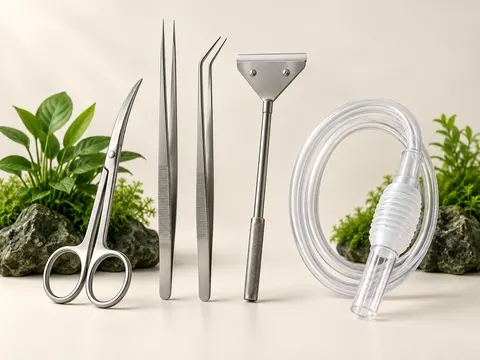
Supplies for Crystalwort
We may earn from qualifying purchases

Best Use Case for Crystalwort
Crystalwort is usually at its best when you want a floating plant with moderate light demands and a low maintenance rhythm that fits into a real weekly routine. It is especially useful when you want a plant that keeps doing its job even in a busier community tank.
Crystalwort Compatibility
Use these signals as quick context, not hard rules. They help you judge how well Crystalwort is likely to stay in place, tolerate curious fish, and contribute real cover in a mixed planted tank.
Aquarium Benefits
The Crystalwort can work very well in a mixed tank, but its value depends on how well it handles fish pressure and how much usable cover it really provides. It can be sampled by omnivores, so it fits best with tankmates that do not constantly pick at foliage. Its anchoring strength is limited early on, so avoid pairing it with persistent diggers or boisterous substrate movers. It creates meaningful shelter for fry, shrimp, and cautious fish. Its canopy can shade neighboring plants, so leave space around lower growers that need direct light. Aquarists also lean on it for surface cover, shelter for fry, shelter for shrimp, and a useful spawning site, not just for appearance.
Crystalwort Propagation
This species is usually propagated by physical division. With fast growth and low upkeep, it stays manageable with routine thinning and trimming. That gives you a better sense of whether simple trimming is enough or whether it is smarter to plan division, replanting, or thinning before the layout closes in.
Crystalwort Variants
Trade names and cultivated forms do not always change how a plant behaves in the tank. The notes below call out the differences that actually matter in care and layout planning, while anything not mentioned still follows the base profile.
Attached Form
The submerged application of Crystalwort where the plant is tied tightly to rocks, wood, or mesh. When grown underwater, it demands strong light and CO2 injection to pearl and thrive, along with rigorous and frequent trimming to prevent the unlit lower layers from decaying and causing the entire mat to detach and float to the surface.
This form is most often used attached to wood or stone as a foreground carpet and best kept attached to wood or stone. Compared with the base plant, it leans toward advanced difficulty, high maintenance, high light, and added CO2 is recommended. In the aquarium, expect a steady current and low shade cast. It is often chosen for shelter for shrimp, shelter for fry, and a grazing surface.
Also known as: Submerged Riccia, Tied Riccia, Riccia Carpet
Frequently Asked Questions About Crystalwort
Is Crystalwort a good beginner aquarium plant?
Yes, the Crystalwort is an excellent, low-maintenance choice for beginner aquarists. Newer hobbyists can do well with it as long as the planting method and weekly routine stay consistent.
Where should Crystalwort be placed in an aquarium?
This plant usually looks best at the surface. At full size it can reach about 5 cm tall by 15 cm wide, so leave room for it to mature. It is best left free-floating at the surface.
Does Crystalwort need strong light or CO2?
For the best results, provide it with moderate lighting. Additionally, it usually grows well without added CO2.
What water conditions suit Crystalwort?
Aim for freshwater conditions, gentle water movement, and a range around 15 to 30 °C, pH 6 to 8, and 2 to 15 dGH to keep this species inside its comfort zone.
How does Crystalwort spread or help the aquarium?
It is usually propagated by physical division. In the display tank, aquarists value this plant for surface cover, shelter for fry, shelter for shrimp, and a useful spawning site.
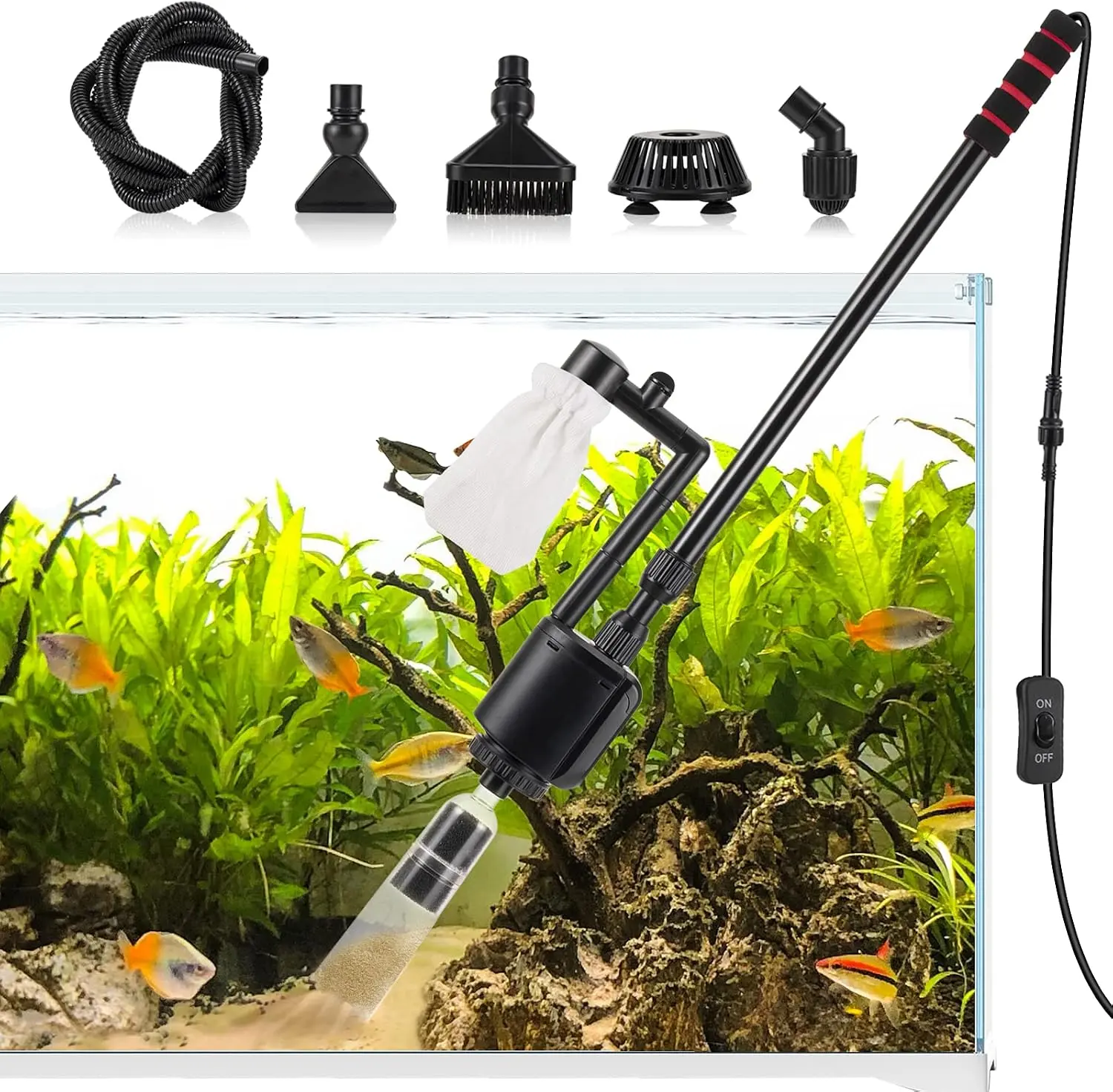
Plant care products
We may earn from qualifying purchases

Guidarium Editorial Desk
Reviewed against Guidarium care, stocking, and compatibility standards. Read the editorial policy.
- Last reviewed
- April 21, 2026
- Last updated
- April 21, 2026
- Issues or corrections?
- Contact the editorial team
Plants That Grow Well With Crystalwort
These plants share compatible water parameters and growth habits with Crystalwort, making them reliable companions in a shared aquascape.
Amazon Frogbit
Limnobium laevigatum
Asian Watermoss
Salvinia cucullata
Floating Fern
Salvinia natans
Red Root Floater
Phyllanthus fluitans
Carolina Mosquito Fern
Azolla caroliniana
Giant Salvinia
Salvinia molesta
Side-by-side comparisons for Crystalwort
These guides compare Crystalwort directly with another plant, helping you choose between similar roles, care needs, and layout tradeoffs.
Asian Watermoss
Salvinia cucullata
Floating Fern
Salvinia natans
Red Root Floater
Phyllanthus fluitans
Water Spangles
Salvinia minima
Christmas Moss
Vesicularia montagnei
Coral Pelia
Riccardia chamedryfolia
Fish That Suit Crystalwort
These fish pair well with Crystalwort based on shared water preferences and temperament, helping you build a balanced tank around this plant.
Rhomb Barb
Desmopuntius rhomboocellatus
Redline Rasbora
Rasbora pauciperforata
Red Dwarf Rasbora
Microrasbora rubescens
Steindachner Dwarf Cichlid
Apistogramma steindachneri
Red Breasted Acara
Laetacara dorsigera
Rainbow Snakehead
Channa bleheri
Related plant profiles
These cards open plant profiles directly. They are chosen by overall care, layout, and growth-pattern similarity, rather than a side-by-side comparison guide.
Red Root Floater
Phyllanthus fluitans
A highly sought-after floating plant characterized by its vibrant red roots and round, water-repellent leaves. Under high light and slightly limited nitrates, the entire plant can flush a deep crimson red. It is excellent for absorbing excess nutrients and providing habitat for fry and shrimp, but requires low surface flow as water splashing over its leaves can cause rot.
Asian Watergrass
Hygroryza aristata
Hygroryza aristata is unique as the only true grass commonly used in aquariums. It features inflated leaf sheaths that allow it to float on the water surface, while trailing feathery roots provide excellent refuge for fry and shrimp. Because of its fast horizontal growth and tough leaves, it is ideal for open-top aquariums and paludariums.
Water Fern
Azolla filiculoides
Azolla filiculoides, commonly known as Fairy Moss or Water Fern, is a highly prolific floating fern. It forms dense, velvety mats on the water surface and is famous for its ability to fix atmospheric nitrogen via a symbiotic relationship with cyanobacteria. Under high light or nutrient limitation, its leaves develop a striking reddish hue. While it provides excellent cover for fry and resting areas for surface-dwelling species, it grows aggressively and requires frequent culling to prevent it from blocking essential light to submerged plants.
Hornwort
Ceratophyllum demersum
An incredibly fast-growing, fully aquatic, rootless stem plant. Hornwort acts as a massive nutrient sponge, absorbing compounds directly from the water column. Because it completely lacks true roots, it is biologically a floating plant and will rot at the base if buried in substrate. While it can be wedged into hardscape or weighted down, it is most successfully utilized left free-floating. It is highly valued in breeding setups, as its dense, needle-like foliage provides an exceptional refuge for fry and shrimp. It is sensitive to sudden changes in water parameters and may temporarily shed its needles if shocked, but usually recovers quickly.
Floating Water Sprite
Ceratopteris cornuta
A fast-growing, adaptable fern that thrives when floated on the water surface. It produces broad, lobed leaves and dense trailing root systems that provide excellent cover for fry, shrimp, and shy inhabitants, while heavily reducing excess nutrients in the water column.
Floating Fern
Salvinia natans
Salvinia natans is a fast-growing, rootless floating fern characterized by small, oval leaves covered in water-repellent hairs. It is excellent for absorbing excess nutrients from the water column and providing a secure canopy for shy fish and fry, but it requires regular culling to prevent it from completely blocking light to submerged plants.