
Broad-leaved Crypt
Cryptocoryne pontederiifolia
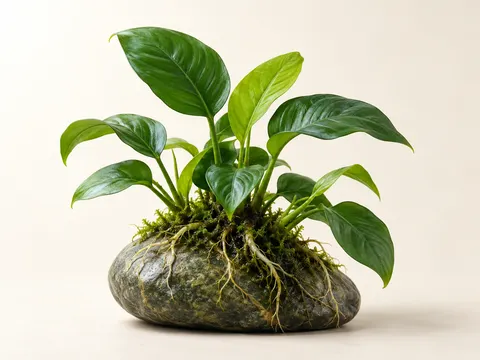
Cryptocoryne pontederiifolia is a robust, broad-leaved rosette plant native to Sumatra. Known for its distinct ovate, light green leaves that can sometimes exhibit a pinkish hue on the underside, it is a hardy and adaptable species. It makes an excellent midground to background plant in the aquarium. Like many Cryptocoryne species, it establishes an extensive root system and thrives best when provided with a nutrient-rich substrate, eventually forming dense thickets via runners.
Broad-leaved Crypt At a Glance
Broad-leaved Crypt Care and Setup
Layout Fit
Broad-leaved Crypt usually works best from the midground into the background and needs enough room to mature at about 25 cm tall and 20 cm wide.
Water Window
Aim for freshwater conditions with gentle water movement, plus 20 to 28 °C, pH 5.5 to 8, and 2 to 15 dGH.
Upkeep Rhythm
Expect moderate growth with low maintenance. It usually stays easy to manage between normal maintenance sessions.
Broad-leaved Crypt Care Guide Summary
The Broad-leaved Crypt is a rosette or crown plant that usually works best from the midground into the background. Give it room to reach about 25 cm tall and 20 cm wide, so the mature plant still fits the layout. It is approachable for newer planted-tank keepers once the initial planting is done correctly. In day-to-day care, it responds best to low light, freshwater conditions, and gentle water movement. It usually grows well without added CO2. Keep this species within a comfortable range of 20 to 28 °C, pH 5.5 to 8, and 2 to 15 dGH.
Broad-leaved Crypt Planting, Feeding & Maintenance
The Broad-leaved Crypt does best when the setup matches the way it naturally grows. Plant it with enough room for the crown and new roots to establish cleanly. Most of its uptake happens through the root zone, so root tabs or an enriched bed matter more than frequent water-column dosing. A nutrient-rich substrate helps it settle faster and usually supports fuller growth. Keep the routine steady: low light and moderate nutrient demand usually give better results than big swings from week to week. This plant can also adapt to emersed growth, which is useful for growers who propagate outside the display tank.
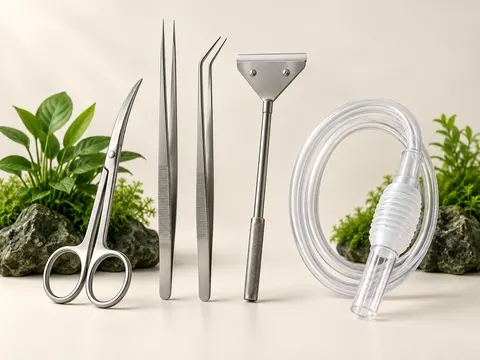
Supplies for Broad-leaved Crypt
We may earn from qualifying purchases

Best Use Case for Broad-leaved Crypt
Broad-leaved Crypt is usually at its best when you want a midground and background plant with low light demands and a low maintenance rhythm that fits into a real weekly routine. It is especially useful when you want a plant that keeps doing its job even in a busier community tank.
Broad-leaved Crypt Compatibility
Use these signals as quick context, not hard rules. They help you judge how well Broad-leaved Crypt is likely to stay in place, tolerate curious fish, and contribute real cover in a mixed planted tank.
Aquarium Benefits
The Broad-leaved Crypt can work very well in a mixed tank, but its value depends on how well it handles fish pressure and how much usable cover it really provides. It is less likely to be chewed by curious fish, and its standard leaves usually help it hold up in calm community tanks. Once rooted or attached, it is relatively dependable and easier to keep in place around more active fish. It adds some usable cover without turning the layout into a dense thicket. It casts a moderate amount of shade, which is helpful when you want softer pockets of cover. Aquarists also lean on it for breaking up sight lines, shelter for shrimp, and a useful spawning site, not just for appearance.
Broad-leaved Crypt Propagation
This species is usually propagated by runners and rhizome division. With moderate growth and low upkeep, it rarely crowds neighboring plants in a hurry. That gives you a better sense of whether simple trimming is enough or whether it is smarter to plan division, replanting, or thinning before the layout closes in.
Frequently Asked Questions About Broad-leaved Crypt
Is Broad-leaved Crypt a good beginner aquarium plant?
Yes, the Broad-leaved Crypt is an excellent, low-maintenance choice for beginner aquarists. Newer hobbyists can do well with it as long as the planting method and weekly routine stay consistent.
Where should Broad-leaved Crypt be placed in an aquarium?
This plant usually looks best from the midground into the background. At full size it can reach about 25 cm tall by 20 cm wide, so leave room for it to mature. It is best rooted into the substrate.
Does Broad-leaved Crypt need strong light or CO2?
For the best results, provide it with low lighting. Additionally, it usually grows well without added CO2.
What water conditions suit Broad-leaved Crypt?
Aim for freshwater conditions, gentle water movement, and a range around 20 to 28 °C, pH 5.5 to 8, and 2 to 15 dGH to keep this species inside its comfort zone.
How does Broad-leaved Crypt spread or help the aquarium?
It is usually propagated by runners and rhizome division. In the display tank, aquarists value this plant for breaking up sight lines, shelter for shrimp, and a useful spawning site.
Plant care products
We may earn from qualifying purchases




Guidarium Editorial Desk
Reviewed against Guidarium care, stocking, and compatibility standards. Read the editorial policy.
- Last reviewed
- April 21, 2026
- Last updated
- April 21, 2026
- Issues or corrections?
- Contact the editorial team
Plants That Grow Well With Broad-leaved Crypt
These plants share compatible water parameters and growth habits with Broad-leaved Crypt, making them reliable companions in a shared aquascape.
Crypt Wendtii
Cryptocoryne wendtii
Beckett's Water Trumpet
Cryptocoryne beckettii
Cryptocoryne Lutea
Cryptocoryne walkeri var. lutea
Undulata
Cryptocoryne undulata
Wendtii Crypt
Cryptocoryne wendtii
Willisii
Cryptocoryne x willisii
Side-by-side comparisons for Broad-leaved Crypt
These guides compare Broad-leaved Crypt directly with another plant, helping you choose between similar roles, care needs, and layout tradeoffs.
Beckett's Water Trumpet
Cryptocoryne beckettii
Undulata
Cryptocoryne undulata
Water Orchid
Spiranthes odorata
Balansae
Cryptocoryne crispatula
Sivadasan's Crypt
Cryptocoryne sivadasanii
Afzel's Anubias
Anubias afzelii
Fish That Suit Broad-leaved Crypt
These fish pair well with Broad-leaved Crypt based on shared water preferences and temperament, helping you build a balanced tank around this plant.
Kabia rainbowfish
Glossolepis kabia
Rhomb Barb
Desmopuntius rhomboocellatus
Red Dwarf Rasbora
Microrasbora rubescens
Rio Negro Dwarf Cichlid
Ivanacara adoketa
Red Breasted Acara
Laetacara dorsigera
Freshwater Toadfish (Prehistoric Monster Fish)
Thalassophryne amazonica
Related plant profiles
These cards open plant profiles directly. They are chosen by overall care, layout, and growth-pattern similarity, rather than a side-by-side comparison guide.
Wendtii Crypt
Cryptocoryne wendtii
Cryptocoryne wendtii is one of the most popular and adaptable rosette plants in the aquarium hobby. Commonly traded in color varieties such as 'Red', 'Green', and 'Brown' (which share identical care and sizing), it forms deep, robust roots and thrives in a wide range of water parameters. While prone to 'crypt melt' when first introduced to new water chemistry, it recovers quickly from its established root system.
Willisii
Cryptocoryne x willisii
Cryptocoryne x willisii is a highly adaptable, slow-growing rosette plant native to Sri Lanka. Frequently confused in the aquarium trade with C. lucens and C. nevillii, it develops narrow, bright green leaves that form dense, bushy clusters. Once established, it develops a deep and extensive root system, making it an excellent and resilient foreground to midground plant. Like most Cryptocoryne species, it is prone to 'crypt melt' when transitioning to new environments but will reliably bounce back under stable conditions.
Undulata
Cryptocoryne undulata
Cryptocoryne undulata is a hardy and popular rosette plant recognized for its distinctive wavy leaf margins and green to brown coloration. It is highly adaptable, thriving in low-tech aquariums and developing an extensive root system, making it an excellent midground choice.
Giant Crypt
Cryptocoryne usteriana
A towering rosette plant originating from the Philippines, Cryptocoryne usteriana is highly valued for its long, deeply dimpled (bullate) leaves that often feature striking burgundy undersides. Because it thrives in harder, alkaline water and possesses tough foliage, it is one of the few plants perfectly suited for African cichlid aquariums. As it matures, its massive leaves reach the water's surface and gracefully drape across it, creating a natural canopy and casting significant shade over the aquarium.
Crypt Wendtii
Cryptocoryne wendtii
One of the most popular and hardy aquarium plants, Cryptocoryne wendtii is highly adaptable and comes in numerous color variations. Known for its crinkled leaves and robust root system, it is an excellent choice for beginners. Like many Crypts, it may experience 'Crypt melt' when introduced to new water parameters, but typically bounces back from the root system.
Dwarf Crypt
Cryptocoryne parva
Cryptocoryne parva is the extremely slow-growing and smallest known species of Cryptocoryne, originating from the central highlands of Sri Lanka. Unlike many other crypts, its leaf shape and vibrant green color remain consistent under a wide variety of aquarium conditions. It is an excellent foreground and carpeting plant, though its incredibly slow growth rate requires immense patience. Once established, its deep root system makes it very hardy and resilient.