
Silver Flying Fox
Crossocheilus reticulatus
A highly active, fast-swimming cyprinid from Southeast Asia renowned for its voracious appetite for nuisance algae, including Black Beard Algae (BBA). They are distinguished from the Siamese Algae Eater by a net-like (reticulated) scale pattern and a distinct black spot at the base of the tail. They require highly oxygenated, fast-flowing water. Due to their strict social hierarchy, it is highly recommended to keep them entirely solitary or in a group of 5 or more; keeping 2 to 4 often results in the subdominant fish being bullied to death.
Silver Flying Fox At a Glance
Silver Flying Fox Tank Requirements
Will Silver Flying Fox fit in your tank?
Care guides tell you what Silver Flying Fox needs, the next question is whether your tank can safely provide it. Test Silver Flying Fox against your tank size, maintenance needs, and the fish you already keep before you buy.
Silver Flying Fox Water Parameters
Silver Flying Fox Temperament & Compatibility
Silver Flying Fox Varieties
Each variety inherits the species defaults above. Only differences are highlighted.
Standard
Same care requirements as the base species
Also known as: Adult, Wild Type
Silver Flying Fox Care Guide Summary
The Silver Flying Fox, scientifically known as Crossocheilus reticulatus, belongs to the Cyprinids family group. Adults reach a maximum size of approximately 16 cm and have a fusiform body shape with a moderate growth rate. Classified as mostly peaceful, this species primarily occupies the bottom and mid-level zones of the aquarium and produces a medium level of biological waste.
To thrive, the Silver Flying Fox requires a freshwater only aquarium with a minimum volume of 200 litres and a tank length of at least 120 cm. Water temperature should be maintained between 20°C and 26°C, with a pH range of 6–7.5 and a general hardness of 2–15 dGH. A high water flow is preferred.
Due to its specialist needs, the Silver Flying Fox is best suited for fishkeepers who can provide a carefully planned setup. The Silver Flying Fox is typically available in one standard form.
Silver Flying Fox Habitat Setup
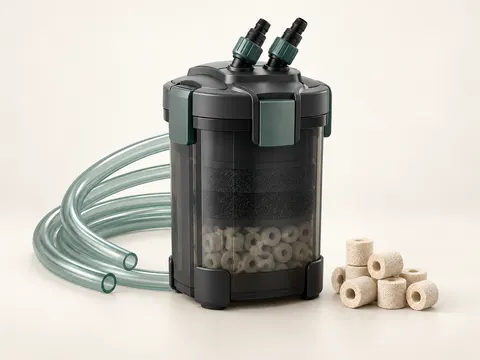
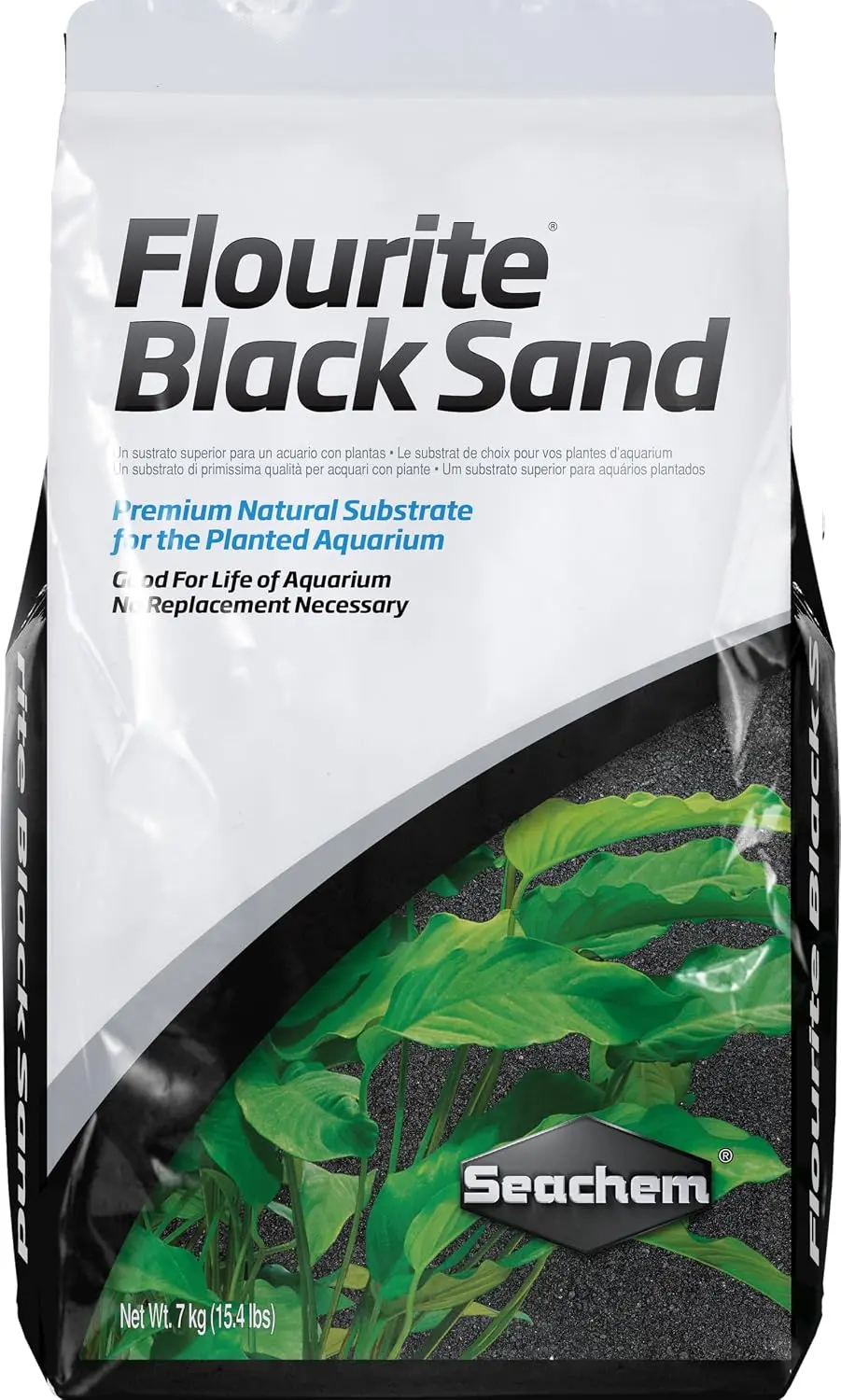
When setting up an aquarium for the Silver Flying Fox, a high water flow best suits their natural preferences. Because this species occupies the bottom and mid-level zones, the aquarium layout should prioritise open swimming space in the centre of the tank for free movement and sufficient floor space with hiding spots among rocks, wood, or dense planting. Useful additions include smooth gravel or rounded substrate to protect their sensitive barbels, driftwood, which can serve as both a hiding place and a dietary supplement, and an established tank with natural algae growth, as they depend on it as a primary food source. Keepers should note that a tight-fitting lid is essential, as this species is a known jumper.
Supplies for Silver Flying Fox
We may earn from qualifying purchases



Silver Flying Fox Compatibility Notes
Classified as mostly peaceful, the Silver Flying Fox is adaptable and can be kept singly or in a small group, offering flexibility when planning a community tank. When choosing tankmates, conspecific aggression can be intense, especially in smaller tanks, shy or slow-feeding tankmates may be outcompeted at feeding time, and their energetic swimming style may stress more sedentary or timid species. Selecting tankmates that favour different water layers from the bottom and mid-level zones can help reduce competition and territorial overlap.
Who Silver Flying Fox Is Actually For
Silver Flying Fox is best for a fishkeeper who wants a species that can settle into a calmer community setup and can provide someone who understands its individual space requirements. It makes the most sense for a hobbyist who will actually build around its needs, especially established algae.
The most common mistake is buying Silver Flying Fox for looks first and only later discovering how its adult size, behavior, or bioload changes the whole tank plan. Another frequent problem is forcing it into an over-busy community when it would do better with more room or more deliberate tankmate choices.
Silver Flying Fox Recommended Tank Sizes
Standard aquarium sizes that meet the minimum volume and length requirements for Silver Flying Fox.
55 Gallon Standard
60 Gallon Breeder
75 Gallon Standard
90 Gallon Standard
125 Gallon Standard
150 Gallon High
Frequently Asked Questions About Silver Flying Fox
How big does Silver Flying Fox get?
Silver Flying Fox (Crossocheilus reticulatus) typically reaches a maximum adult size of approximately 16 cm. They have a fusiform body shape and a moderate growth rate.
What tank size does Silver Flying Fox need?
A minimum aquarium volume of 200 litres and a tank length of at least 120 cm are recommended for Silver Flying Fox. This ensures enough swimming space and helps maintain stable water conditions.
What water parameters does Silver Flying Fox need?
Silver Flying Fox thrives in freshwater only conditions with a temperature range of 20–26°C, a pH between 6 and 7.5, and a general hardness of 2–15 dGH. A high water flow is preferred.
Is Silver Flying Fox peaceful or aggressive?
Silver Flying Fox is classified as mostly peaceful with an aggression score of 3 out of 10. They are generally well-suited to peaceful community tanks.
Can Silver Flying Fox live alone?
Yes, Silver Flying Fox can be kept singly or in a group. They are flexible and adapt well to both setups.
Does Silver Flying Fox have any special tank requirements?
Yes. Silver Flying Fox benefits from established algae (otocinclus), smooth gravel (sensitive barbels), and driftwood (digestion/hiding) in the aquarium. These features help replicate their natural habitat and promote overall health and well-being.
Does Silver Flying Fox need a lid on the tank?
Yes. Silver Flying Fox is a known jumper, and a tight-fitting lid or cover is essential to prevent escape. Even a small gap can be enough for a determined fish to leap out.
Useful setup supplies
We may earn from qualifying purchases


Guidarium Editorial Desk
Reviewed against Guidarium care, stocking, and compatibility standards. Read the editorial policy.
- Last reviewed
- May 11, 2026
- Last updated
- May 11, 2026
- Issues or corrections?
- Contact the editorial team
Top Tank Mates for Silver Flying Fox
These fish are strong compatibility matches for Silver Flying Fox based on water preferences, temperament, adult size, and tank behavior.
Celebes Halfbeak
Nomorhamphus liemi
Ideal Tank MatesWrestling Halfbeak
Dermogenys pusilla
Ideal Tank MatesScissortail Rasbora
Rasbora trilineata
Ideal Tank MatesRosy Red Minnow / Fathead Minnow
Pimephales promelas
Ideal Tank MatesRose Danio
Danio roseus
Ideal Tank MatesSpotted Hillstream Loach
Gastromyzon punctulatus
Ideal Tank MatesPlants That Suit Silver Flying Fox
These plants pair well with Silver Flying Fox based on shared water preferences, layout fit, and how likely they are to hold up in the same aquarium.
African Water Fern
Bolbitis heudelotii
Boivin's Aponogeton
Aponogeton boivinianus
Capuron's Aponogeton
Aponogeton capuronii
Madagascar Lace Plant
Aponogeton madagascariensis
African Onion Plant
Crinum calamistratum
Afzel's Anubias
Anubias afzelii
Fish Similar to Silver Flying Fox
False Siamese Algae Eater (Stonelapping Minnow)
Garra cambodgiensis
A cyprinid native to fast-flowing streams in Southeast Asia. It is notoriously sold misidentified as the true Siamese Algae Eater (Crossocheilus oblongus). Unlike the true SAE, its black lateral stripe stops at the base of the tail fin rather than extending through it, and it features a yellowish stripe above the black line. It is an excellent biofilm grazer but does not eat Black Beard Algae as effectively. They require highly oxygenated water and become very territorial with conspecifics as they age.
Siamese Algae Eater
Crossocheilus oblongus
Famous for being one of the few freshwater fish that actively consumes Black Beard Algae (BBA). A torpedo-shaped, active bottom-to-midwater swimmer native to Southeast Asian streams. True Siamese Algae Eaters feature a distinct black horizontal stripe that extends all the way through the tail fin. As they mature, they can become lazy, preferring prepared foods over algae, and may occasionally chase other bottom dwellers.
Silver Tiger Perch (American Tigerfish)
Datnioides polota
A large, predatory, and fascinating species widely known in the hobby as the 'American Tigerfish' (AT) or Silver Datnoid. Note: Scientific consensus now recognizes Datnioides polota as the valid name, with D. quadrifasciatus often used as a synonym. Naturally found in brackish estuaries and river mouths, they adapt to freshwater but thrive in hard, alkaline, light-brackish conditions. They are aggressive predators and best kept singly or in very large groups.
Flying Fox
Epalzeorhynchos kalopterus
A striking, torpedo-shaped bottom dweller often confused with the Siamese Algae Eater. While they eat some algae when young, adults are primarily omnivores that become notoriously territorial and aggressive, especially towards their own kind, similar-looking fish, and other bottom dwellers. They are best kept as a single specimen in a community of mid-to-top swimming fish.
Red Tailed Black Shark
Epalzeorhynchos bicolor
A striking and highly active bottom-dwelling cyprinid known for its jet-black body and vibrant red tail. While beautiful, they are notoriously territorial, especially toward their own kind, similar-looking species (like Rainbow Sharks), and sometimes other bottom-dwellers. They must be kept as the only 'shark' in the tank and require a large footprint with plenty of caves and broken sightlines.
Tiger Barb
Puntigrus tetrazona
A highly active, schooling cyprinid famous for its striking black stripes and infamous reputation as a fin-nipper. They are boisterous and must be kept in larger groups (6+) to keep their pecking order internal. They should never be housed with slow-moving or long-finned tankmates like Bettas, Guppies, or Angelfish.