
A highly distinctive, predatory catfish native to South America known for its elongated, flattened snout resembling a duckbill. They frequently rest vertically or head-down among driftwood to camouflage themselves. While generally peaceful toward fish too large to be eaten, they are highly effective nocturnal ambush predators and will swallow any tank mate that fits into their surprisingly large mouths.
Lima Shovelnose Catfish At a Glance
Lima Shovelnose Catfish Tank Requirements
Will Lima Shovelnose Catfish fit in your tank?
Care guides tell you what Lima Shovelnose Catfish needs, the next question is whether your tank can safely provide it. Test Lima Shovelnose Catfish against your tank size, maintenance needs, and the fish you already keep before you buy.
Lima Shovelnose Catfish Water Parameters
Lima Shovelnose Catfish Temperament & Compatibility
Lima Shovelnose Catfish Varieties
Each variety inherits the species defaults above. Only differences are highlighted.
Standard (Adult)
The standard adult form. Requires a massive aquarium with a large footprint due to their rigid bodies and inability to turn tightly in narrow spaces.
Same care requirements as the base species
Also known as: Adult, Full Grown
Juvenile (Grow-out)
Common commercial sale size. They will grow very quickly on a high-protein diet and will soon require upgrading to their adult tank size. Do not keep with small fish even at this size.
Differs in 3 traits from base species
Also known as: Baby, Juvenile
Lima Shovelnose Catfish Care Guide Summary
The Lima Shovelnose Catfish, scientifically known as Sorubim lima, belongs to the Catfish family group. Adults reach a maximum size of approximately 45 cm and have a depressed body shape with a fast growth rate. Classified as mostly peaceful, this species primarily occupies the mid-level and bottom zones of the aquarium and produces a extreme level of biological waste.
To thrive, the Lima Shovelnose Catfish requires a freshwater only aquarium with a minimum volume of 500 litres and a tank length of at least 150 cm. Water temperature should be maintained between 23°C and 28°C, with a pH range of 6–7.5 and a general hardness of 4–15 dGH. A moderate water flow is preferred.
Due to its specialist needs, the Lima Shovelnose Catfish is best suited for fishkeepers who can provide a carefully planned setup. This species is available in 2 varieties: Standard (Adult) and Juvenile (Grow-out). Each may differ slightly in size, temperament, or care needs, so it is worth checking the specific requirements of the variety you plan to keep.
Lima Shovelnose Catfish Habitat Setup
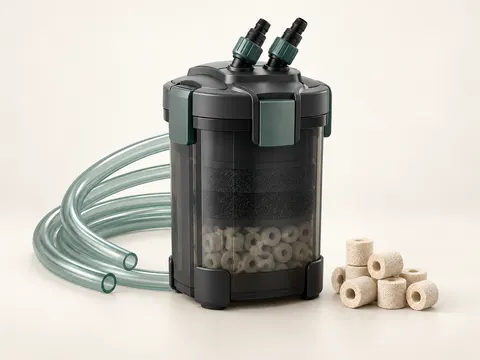
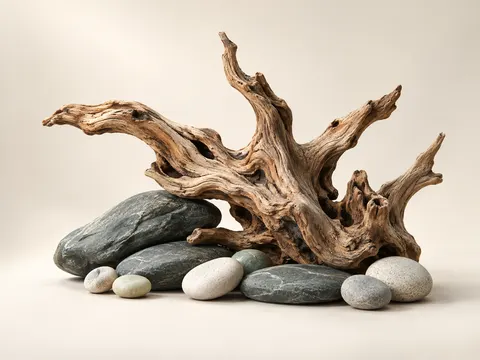
When setting up an aquarium for the Lima Shovelnose Catfish, a moderate water flow best suits their natural preferences. Because this species occupies the mid-level and bottom zones, the aquarium layout should prioritise open swimming space in the centre of the tank for free movement and sufficient floor space with hiding spots among rocks, wood, or dense planting. Useful additions include a sand substrate to accommodate their sifting behaviour, smooth gravel or rounded substrate to protect their sensitive barbels, driftwood, which can serve as both a hiding place and a dietary supplement, and floating plants to diffuse overhead light and create shaded areas. Keepers should note that a tight-fitting lid is essential, as this species is a known jumper.
Supplies for Lima Shovelnose Catfish
We may earn from qualifying purchases


Lima Shovelnose Catfish Compatibility Notes
Classified as mostly peaceful, the Lima Shovelnose Catfish is adaptable and can be kept singly or in a small group, offering flexibility when planning a community tank. When choosing tankmates, any fish small enough to fit in its mouth will likely be eaten and ornamental shrimp are not safe companions. Selecting tankmates that favour different water layers from the mid-level and bottom zones can help reduce competition and territorial overlap.
Who Lima Shovelnose Catfish Is Actually For
Lima Shovelnose Catfish is best for a fishkeeper who wants a species that can settle into a calmer community setup and can provide someone who understands its individual space requirements. It makes the most sense for a hobbyist who will actually build around its needs, especially sand.
The most common mistake is treating Lima Shovelnose Catfish like any other community fish and skipping the soft sand it needs to forage safely. Another frequent problem is forcing it into an over-busy community when it would do better with more room or more deliberate tankmate choices.
Lima Shovelnose Catfish Recommended Tank Sizes
Standard aquarium sizes that meet the minimum volume and length requirements for Lima Shovelnose Catfish.
Lima Shovelnose Catfish Feeding & Diet Considerations
The Lima Shovelnose Catfish is a predatory species that will readily consume small fish, so nano or bite-sized tankmates should be avoided, will hunt and eat ornamental shrimp, making it unsuitable for shrimp-focused setups, and is primarily active at dusk and dawn, so offering food shortly after lights-off ensures it receives adequate nutrition.
Frequently Asked Questions About Lima Shovelnose Catfish
How big does Lima Shovelnose Catfish get?
Lima Shovelnose Catfish (Sorubim lima) typically reaches a maximum adult size of approximately 45 cm. They have a depressed body shape and a fast growth rate.
What tank size does Lima Shovelnose Catfish need?
A minimum aquarium volume of 500 litres and a tank length of at least 150 cm are recommended for Lima Shovelnose Catfish. This ensures enough swimming space and helps maintain stable water conditions.
What water parameters does Lima Shovelnose Catfish need?
Lima Shovelnose Catfish thrives in freshwater only conditions with a temperature range of 23–28°C, a pH between 6 and 7.5, and a general hardness of 4–15 dGH. A moderate water flow is preferred.
Is Lima Shovelnose Catfish peaceful or aggressive?
Lima Shovelnose Catfish is classified as mostly peaceful with an aggression score of 4 out of 10. They are generally well-suited to peaceful community tanks.
Can Lima Shovelnose Catfish live alone?
Yes, Lima Shovelnose Catfish can be kept singly or in a group. They are flexible and adapt well to both setups.
Is Lima Shovelnose Catfish safe with shrimp?
No. Lima Shovelnose Catfish is known to eat ornamental shrimp and is not recommended for shrimp tanks. Even larger shrimp species like Amano Shrimp may be at risk.
Does Lima Shovelnose Catfish have any special tank requirements?
Yes. Lima Shovelnose Catfish benefits from sand (sifters), smooth gravel (sensitive barbels), driftwood (digestion/hiding), and plants - floating in the aquarium. These features help replicate their natural habitat and promote overall health and well-being.
Does Lima Shovelnose Catfish need a lid on the tank?
Yes. Lima Shovelnose Catfish is a known jumper, and a tight-fitting lid or cover is essential to prevent escape. Even a small gap can be enough for a determined fish to leap out.
Useful setup supplies
We may earn from qualifying purchases



Guidarium Editorial Desk
Reviewed against Guidarium care, stocking, and compatibility standards. Read the editorial policy.
- Last reviewed
- May 6, 2026
- Last updated
- May 6, 2026
- Issues or corrections?
- Contact the editorial team
Top Tank Mates for Lima Shovelnose Catfish
These fish are strong compatibility matches for Lima Shovelnose Catfish based on water preferences, temperament, adult size, and tank behavior.
Celebes Halfbeak
Nomorhamphus liemi
Ideal Tank MatesWrestling Halfbeak
Dermogenys pusilla
Ideal Tank MatesKabia rainbowfish
Glossolepis kabia
Ideal Tank MatesSunset Platy (Variatus Platy)
Xiphophorus variatus
Ideal Tank MatesTiger Danio
Devario maetaengensis
Ideal Tank MatesWestern Rainbowfish
Melanotaenia australis
Ideal Tank MatesPlants That Suit Lima Shovelnose Catfish
These plants pair well with Lima Shovelnose Catfish based on shared water preferences, layout fit, and how likely they are to hold up in the same aquarium.
African Onion Plant
Crinum calamistratum
Afzel's Anubias
Anubias afzelii
Amazon Sword
Echinodorus amazonicus
Anacharis
Egeria densa
Anubias Barteri
Anubias barteri
Ashy Pipewort
Eriocaulon cinereum
Fish Similar to Lima Shovelnose Catfish
Tiger Shovelnose Catfish
Pseudoplatystoma tigrinum
A truly massive, highly predatory South American catfish distinguished by its long, flattened snout and striking tiger-like stripes. It grows exceptionally fast and reaches sizes suitable only for the largest custom aquariums, indoor ponds, or public aquaria. Will swallow any tank mate that fits in its cavernous mouth.
Sturgeon Catfish
Platystomatichthys sturio
A striking, ancient-looking predatory catfish native to the fast-flowing rivers of the Amazon basin. Known for its highly elongated, delicate snout and long maxillary barbels, it resembles a sturgeon. They are very active swimmers that require massive aquariums with massive footprints to prevent permanently damaging their snouts against the glass. They are highly predatory toward small fish but peaceful with large, deep-bodied tank mates.
Zebra Shovelnose (Tigrinus Catfish)
Brachyplatystoma tigrinum
A striking and highly sought-after predatory catfish from the fast-flowing Amazonian rapids. Known for its striking vertical zebra stripes and incredibly long dorsal fin streamer. They are a 'monster fish' requiring massive enclosures, pristine water, and extreme oxygenation. They are very sensitive to poor water quality.
Parnahyba Whiptail Catfish
Loricaria parnahybae
A distinctive, slender armored catfish native to the Parnaíba River basin in Brazil. Known for its extremely elongated tail and flattened body, it blends perfectly with sandy substrates. It is a peaceful, fascinating bottom-dweller. Like other members of the genus Loricaria, they are remarkable 'lip brooders', where males carry clusters of eggs attached to their enlarged lower lips until they hatch.
Common Whiptail Catfish
Rineloricaria eigenmanni
A highly distinctive, slender, and peaceful bottom-dwelling catfish from South America. Known for its extremely elongated tail and excellent camouflaging abilities. They are non-aggressive grazers that feed on biofilm, aufwuchs, and sinking foods. Their rigid, twig-like bodies mean they need broad, smooth resting places.
Frogmouth Catfish
Chaca chaca
An incredibly bizarre ambush predator native to South Asia. With a massive, flat head and cryptic coloration, they perfectly mimic a dead leaf or piece of wood. They are entirely sedentary, moving only to gulp down prey that wanders too close to their cavernous mouths. Because they can easily consume fish up to half their own length, tank mates must be chosen with extreme caution.