
Royal Pleco (L190)
Panaque nigrolineatus
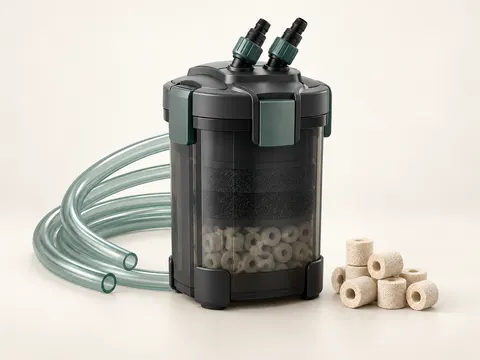
A stunning, large-growing pleco famous for its red eyes, grey/green coloration, and dark horizontal stripes. Belonging to the genus Panaque, they are xylophagous (obligate wood-eaters); real driftwood in the aquarium is absolutely essential for their digestion and survival. They produce extreme amounts of sawdust-like waste and require heavy, high-flow filtration.
Royal Pleco (L190) At a Glance
Royal Pleco (L190) Tank Requirements
Will Royal Pleco (L190) fit in your tank?
Care guides tell you what Royal Pleco (L190) needs, the next question is whether your tank can safely provide it. Test Royal Pleco (L190) against your tank size, maintenance needs, and the fish you already keep before you buy.
Royal Pleco (L190) Water Parameters
Royal Pleco (L190) Temperament & Compatibility
Royal Pleco (L190) Varieties
Each variety inherits the species defaults above. Only differences are highlighted.
Standard (Adult)
The fully grown adult form. Requires a massive aquarium, extremely heavy filtration to handle wood waste, and a large established territory.
Differs in 1 trait from base species
Also known as: Adult Royal Pleco, Full Grown
Juvenile (Grow-out)
Small juveniles commonly sold in stores. While they start small and can temporarily be kept in smaller aquariums, they will eventually require a massive tank. They must have access to driftwood immediately.
Differs in 6 traits from base species
Also known as: Baby Royal Pleco, Small L190
Royal Pleco (L190) Care Guide Summary
The Royal Pleco (L190), scientifically known as Panaque nigrolineatus, belongs to the Catfish family group. Adults reach a maximum size of approximately 43 cm and have a depressed body shape with a slow growth rate. Classified as semi-aggressive, this species primarily occupies the bottom zone of the aquarium and produces a extreme level of biological waste.
To thrive, the Royal Pleco (L190) requires a freshwater only aquarium with a minimum volume of 450 litres and a tank length of at least 150 cm. Water temperature should be maintained between 22°C and 28°C, with a pH range of 6.5–7.5 and a general hardness of 5–15 dGH. A high water flow is preferred.
The Royal Pleco (L190) is a rewarding species to keep, provided its core environmental needs are met. This species is available in 2 varieties: Standard (Adult) and Juvenile (Grow-out). Each may differ slightly in size, temperament, or care needs, so it is worth checking the specific requirements of the variety you plan to keep.
Royal Pleco (L190) Habitat Setup
When setting up an aquarium for the Royal Pleco (L190), a high water flow best suits their natural preferences. Because this species occupies the bottom zone, the aquarium layout should prioritise sufficient floor space with hiding spots among rocks, wood, or dense planting. Useful additions include driftwood, which can serve as both a hiding place and a dietary supplement. Keepers should note that live planted layouts may be difficult to maintain, as this species tends to uproot or consume vegetation.
Supplies for Royal Pleco (L190)
We may earn from qualifying purchases



Royal Pleco (L190) Compatibility Notes
Classified as semi-aggressive, the Royal Pleco (L190) is best housed alone, as they do not tolerate others of their kind in confined spaces. When choosing tankmates, conspecific aggression can be intense, especially in smaller tanks and territorial behaviour may cause issues if hiding spots or floor space are limited. Selecting tankmates that favour different water layers from the bottom zone can help reduce competition and territorial overlap.
Who Royal Pleco (L190) Is Actually For
Royal Pleco (L190) is best for a fishkeeper who wants a species that can settle into a calmer community setup and can provide someone who understands its individual space requirements. It makes the most sense for a hobbyist who will actually build around its needs, especially driftwood.
The most common mistake is buying Royal Pleco (L190) for looks first and only later discovering how its adult size, behavior, or bioload changes the whole tank plan. Another frequent problem is forcing it into an over-busy community when it would do better with more room or more deliberate tankmate choices.
Royal Pleco (L190) Recommended Tank Sizes
Standard aquarium sizes that meet the minimum volume and length requirements for Royal Pleco (L190).
Frequently Asked Questions About Royal Pleco (L190)
How big does Royal Pleco (L190) get?
Royal Pleco (L190) (Panaque nigrolineatus) typically reaches a maximum adult size of approximately 43 cm. They have a depressed body shape and a slow growth rate.
What tank size does Royal Pleco (L190) need?
A minimum aquarium volume of 450 litres and a tank length of at least 150 cm are recommended for Royal Pleco (L190). This ensures enough swimming space and helps maintain stable water conditions.
What water parameters does Royal Pleco (L190) need?
Royal Pleco (L190) thrives in freshwater only conditions with a temperature range of 22–28°C, a pH between 6.5 and 7.5, and a general hardness of 5–15 dGH. A high water flow is preferred.
Is Royal Pleco (L190) peaceful or aggressive?
Royal Pleco (L190) is classified as semi-aggressive with an aggression score of 5 out of 10. They can work in community setups but may clash with certain tankmates.
Can Royal Pleco (L190) live with others of its kind?
No. Only one Royal Pleco (L190) should be kept per tank. Keeping multiples in the same aquarium typically results in aggression and stress.
Does Royal Pleco (L190) have any special tank requirements?
Yes. Royal Pleco (L190) benefits from driftwood (digestion/hiding) in the aquarium. These features help replicate their natural habitat and promote overall health and well-being.
Useful setup supplies
We may earn from qualifying purchases


Guidarium Editorial Desk
Reviewed against Guidarium care, stocking, and compatibility standards. Read the editorial policy.
- Last reviewed
- April 28, 2026
- Last updated
- April 28, 2026
- Issues or corrections?
- Contact the editorial team
Plants That Suit Royal Pleco (L190)
These plants pair well with Royal Pleco (L190) based on shared water preferences, layout fit, and how likely they are to hold up in the same aquarium.
African Water Fern
Bolbitis heudelotii
Boivin's Aponogeton
Aponogeton boivinianus
Capuron's Aponogeton
Aponogeton capuronii
African Onion Plant
Crinum calamistratum
Afzel's Anubias
Anubias afzelii
Anubias Barteri
Anubias barteri
Fish Similar to Royal Pleco (L190)
Tiger Pleco (L002)
Panaqolus sp. L002
The L002 Tiger Pleco is a striking dwarf species of wood-eating catfish (Panaqolus). Characterized by high-contrast yellow and dark brown banded patterns, it is an excellent bottom dweller for smaller aquariums. As a xylophagous (wood-eating) species, it absolutely requires natural driftwood in the aquarium for grazing, digestion, and shelter.
Clown Pleco (L104)
Panaqolus maccus
A popular, distinctly striped dwarf pleco native to Venezuela. It is a strictly wood-eating species (xylivore); real driftwood is mandatory for its survival and digestion. Because of this diet, it produces massive amounts of sawdust-like waste, requiring excellent mechanical filtration despite its small size. They are shy and predominantly nocturnal.
Flash Pleco (L204)
Panaqolus albomaculatus
A striking, small loricariid known for its vibrant yellow/white stripes on a dark body. Note: The scientific name 'P. albomaculatus' correctly refers to the Mustard Spot Pleco (LDA31), while the true Flash Pleco is 'P. albivermis'. Both share identical husbandry. As xylophagous (wood-eating) catfish, they absolutely require real driftwood in the aquarium to digest properly and will produce copious amounts of sawdust-like waste.
Common Pleco (Amazon Sailfin)
Pterygoplichthys pardalis
One of the most widely sold (and misunderstood) fish in the aquarium trade. Often purchased as small 'algae eaters', Common Plecos grow into massive, heavy-waste-producing giants. They require driftwood for digestion and large aquariums. As they age, they may become territorial and lazy, sometimes latching onto flat-bodied fish (like Discus) to eat their slime coat.
Golden Bristlenose Pleco
Ancistrus sp. L144
A highly popular, smaller pleco morph known for its bright yellow/gold coloration and striking blue/black eyes. Unlike the common pleco, Bristlenoses stay relatively small and are superb algae eaters. They produce a massive amount of waste and absolutely require driftwood in their tank, as they consume the lignin for digestion.
Common Pleco
Hypostomus plecostomus
A heavily armored, nocturnal catfish famous for eating algae. However, they grow incredibly large, produce massive amounts of waste, and frequently outgrow standard aquariums. They require driftwood in their diet for digestion. As they age, they may become territorial or develop a taste for the slime coat of slow-moving, flat-bodied tank mates.