
Pseudotropheus Acei
Pseudotropheus acei
The Acei is a uniquely behaved Mbuna from Lake Malawi. Unlike their strictly rock-dwelling relatives, they are active, shoaling mid-water swimmers that naturally graze on algae growing on submerged wood. They are considered one of the most peaceful Mbuna species, making them excellent for a Lake Malawi community tank provided they have ample swimming space.
Pseudotropheus Acei At a Glance
Pseudotropheus Acei Tank Requirements
Will Pseudotropheus Acei fit in your tank?
Care guides tell you what Pseudotropheus Acei needs, the next question is whether your tank can safely provide it. Test Pseudotropheus Acei against your tank size, maintenance needs, and the fish you already keep before you buy.
Pseudotropheus Acei Water Parameters
Pseudotropheus Acei Temperament & Compatibility
Pseudotropheus Acei Varieties
Each variety inherits the species defaults above. Only differences are highlighted.
Standard (Yellow-Tail / Msuli)
The standard and most common variant in the aquarium trade. Features a stunning deep blue or purplish body contrasting with bright yellow fins.
Same care requirements as the base species
Also known as: Msuli, Yellow Tail Acei, Standard, Luwala, Itungi
White-Tail (Ngara)
A geographically distinct variant from the Ngara region of Lake Malawi. It shares the same blue/purple body but features stark white fins instead of yellow.
Same care requirements as the base species
Also known as: Ngara, White Tail Acei
Pseudotropheus Acei Care Guide Summary
The Pseudotropheus Acei, scientifically known as Pseudotropheus acei, belongs to the Cichlids - African family group. Adults reach a maximum size of approximately 15 cm and have a fusiform body shape with a moderate growth rate. Classified as mostly peaceful, this species primarily occupies the surface, mid-level, and bottom zones of the aquarium and produces a high level of biological waste.
To thrive, the Pseudotropheus Acei requires a freshwater only aquarium with a minimum volume of 200 litres and a tank length of at least 120 cm. Water temperature should be maintained between 24°C and 28°C, with a pH range of 7.8–8.6 and a general hardness of 10–25 dGH. A moderate water flow is preferred.
Due to its specialist needs, the Pseudotropheus Acei is best suited for fishkeepers who can provide a carefully planned setup. This species is available in 2 varieties: Standard (Yellow-Tail / Msuli) and White-Tail (Ngara). Each may differ slightly in size, temperament, or care needs, so it is worth checking the specific requirements of the variety you plan to keep.
Pseudotropheus Acei Habitat Setup
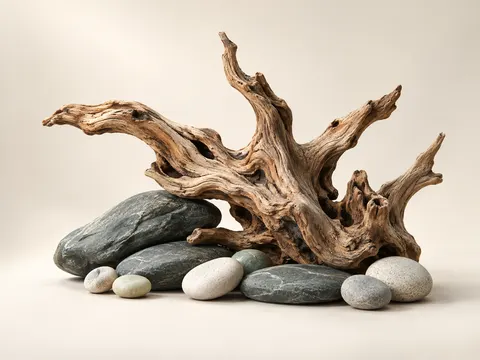
When setting up an aquarium for the Pseudotropheus Acei, a moderate water flow best suits their natural preferences. Because this species occupies the surface, mid-level, and bottom zones, the aquarium layout should prioritise adequate surface area with floating cover to make them feel secure near the waterline, open swimming space in the centre of the tank for free movement, and sufficient floor space with hiding spots among rocks, wood, or dense planting. Useful additions include a sand substrate to accommodate their sifting behaviour, smooth gravel or rounded substrate to protect their sensitive barbels, and driftwood, which can serve as both a hiding place and a dietary supplement. Keepers should note that live planted layouts may be difficult to maintain, as this species tends to uproot or consume vegetation.
Supplies for Pseudotropheus Acei
We may earn from qualifying purchases

Pseudotropheus Acei Compatibility Notes
Classified as mostly peaceful, the Pseudotropheus Acei is adaptable and can be kept singly or in a small group, offering flexibility when planning a community tank. When choosing tankmates, territorial behaviour may cause issues if hiding spots or floor space are limited and their energetic swimming style may stress more sedentary or timid species. Selecting tankmates that favour different water layers from the surface, mid-level, and bottom zones can help reduce competition and territorial overlap.
Who Pseudotropheus Acei Is Actually For
Pseudotropheus Acei is best for a fishkeeper who wants a species that can settle into a calmer community setup and can provide a keeper who can commit to a proper group of at least 5. It makes the most sense for a hobbyist who will actually build around its needs, especially sand.
The most common mistake is treating Pseudotropheus Acei like any other community fish and skipping the soft sand it needs to forage safely. Another frequent problem is underestimating its social needs. A token pair or trio often behaves very differently from a real group.
Pseudotropheus Acei Recommended Tank Sizes
Standard aquarium sizes that meet the minimum volume and length requirements for Pseudotropheus Acei.
55 Gallon Standard
60 Gallon Breeder
75 Gallon Standard
90 Gallon Standard
125 Gallon Standard
150 Gallon High
Frequently Asked Questions About Pseudotropheus Acei
How big does Pseudotropheus Acei get?
Pseudotropheus Acei (Pseudotropheus acei) typically reaches a maximum adult size of approximately 15 cm. They have a fusiform body shape and a moderate growth rate.
What tank size does Pseudotropheus Acei need?
A minimum aquarium volume of 200 litres and a tank length of at least 120 cm are recommended for Pseudotropheus Acei. This ensures enough swimming space and helps maintain stable water conditions.
What water parameters does Pseudotropheus Acei need?
Pseudotropheus Acei thrives in freshwater only conditions with a temperature range of 24–28°C, a pH between 7.8 and 8.6, and a general hardness of 10–25 dGH. A moderate water flow is preferred.
Is Pseudotropheus Acei peaceful or aggressive?
Pseudotropheus Acei is classified as mostly peaceful with an aggression score of 4 out of 10. They are generally well-suited to peaceful community tanks.
Can Pseudotropheus Acei live alone?
Yes, Pseudotropheus Acei can be kept singly or in a group. They are flexible and adapt well to both setups.
Does Pseudotropheus Acei have any special tank requirements?
Yes. Pseudotropheus Acei benefits from sand (sifters), smooth gravel (sensitive barbels), and driftwood (digestion/hiding) in the aquarium. These features help replicate their natural habitat and promote overall health and well-being.
Useful setup supplies
We may earn from qualifying purchases




Guidarium Editorial Desk
Reviewed against Guidarium care, stocking, and compatibility standards. Read the editorial policy.
- Last reviewed
- May 7, 2026
- Last updated
- May 7, 2026
- Issues or corrections?
- Contact the editorial team
Top Tank Mates for Pseudotropheus Acei
These fish are strong compatibility matches for Pseudotropheus Acei based on water preferences, temperament, adult size, and tank behavior.
Xenotilapia ochrogenys
Xenotilapia ochrogenys
Ideal Tank MatesPetricola Catfish
Synodontis petricola
Ideal Tank MatesWrestling Halfbeak
Dermogenys pusilla
Ideal Tank MatesNeon Blue Cichlid
Paracyprichromis nigripinnis
Ideal Tank MatesMadagascar Rainbowfish
Bedotia madagascariensis
Ideal Tank MatesEastern Rainbowfish
Melanotaenia splendida
Ideal Tank MatesPlants That Suit Pseudotropheus Acei
These plants pair well with Pseudotropheus Acei based on shared water preferences, layout fit, and how likely they are to hold up in the same aquarium.
African Onion Plant
Crinum calamistratum
Afzel's Anubias
Anubias afzelii
Anubias Barteri
Anubias barteri
Balansae
Cryptocoryne crispatula
Broadleaf Crinum
Crinum natans
Congo Anubias
Anubias heterophylla
Fish Similar to Pseudotropheus Acei
Elongatus Cichlid (Pseudotropheus Elongatus)
Chindongo elongatus
The Elongatus Cichlid is a highly active, slender mbuna endemic to Lake Malawi. Formerly classified as Pseudotropheus elongatus, it is notorious for being one of the most aggressive and territorial of all mbuna. They require a strictly herbivorous diet (grazing on algae/aufwuchs) and a large aquarium heavily decorated with rocks to break sightlines. Due to extreme conspecific aggression, they are best kept in harems (1 male to 4+ females) or in a carefully planned, overstocked mixed-species mbuna tank.
Kenyi Cichlid
Maylandia lombardoi
The Kenyi Cichlid is a stunning but notoriously aggressive Mbuna from Lake Malawi. They exhibit extreme sexual dimorphism: females and juveniles are pale blue with dark vertical bars, while mature males undergo a complete transformation to a vibrant golden-yellow. Due to their extreme territoriality, they must be kept in large, overstocked, rock-heavy tanks to disperse aggression, typically in a harem (one male to multiple females).
Pseudotropheus sp. Kingsizei
Metriaclima pulpican
A striking 'dwarf' Mbuna from Lake Malawi. Originally known in the trade as Pseudotropheus sp. 'Kingsizei', it is a highly active and deeply territorial rock-dwelling cichlid. They require hard, alkaline water, a sandy substrate for digging, and an algae-heavy, low-protein diet to prevent 'Malawi Bloat'.
Flavus Cichlid (Pseudotropheus Flavus)
Chindongo flavus
An aggressive but striking Mbuna cichlid endemic to Lake Malawi (specifically around Chinyankwazi Island). Formerly classified as Pseudotropheus, they inhabit rocky areas and graze on aufwuchs (algae and microorganisms). They require hard, alkaline water, complex rockwork for territories, and are best kept in harems to manage their extreme conspecific aggression.
Auratus Cichlid (Mbuna)
Melanochromis auratus
The Auratus Cichlid is a stunning but notoriously aggressive Mbuna from Lake Malawi. They exhibit extreme sexual dimorphism. They are strictly rock-dwellers that graze on algae (aufwuchs). Due to their hyper-aggressive nature, they must be kept in species-only or carefully managed, overstocked Mbuna setups with a strict harem ratio (1 male to several females) to disperse aggression.
Socolofi Cichlid (Pseudotropheus Socolofi)
Chindongo socolofi
A stunning and highly active Mbuna cichlid endemic to Lake Malawi. Unusually for Mbuna, both males and females share the same striking powder blue coloration. Like most Mbuna, they are highly aggressive, territorial, and require a rock-filled aquarium with hard, alkaline water. They graze on algae (aufwuchs) in the wild and are prone to fatal 'Malawi bloat' if fed diets high in animal protein.