
Neolamprologus Fasciatus
Neolamprologus fasciatus
An ambush predator endemic to Lake Tanganyika. It is a specialized shrimp-eater and piscivore, famous for a unique hunting technique where it remains completely motionless before striking its prey. Unlike many Tanganyikan cichlids, they are not strictly rock-bound and often utilize empty snail shells on sandy bottoms for spawning.
Neolamprologus Fasciatus At a Glance
Neolamprologus Fasciatus Tank Requirements
Will Neolamprologus Fasciatus fit in your tank?
Care guides tell you what Neolamprologus Fasciatus needs, the next question is whether your tank can safely provide it. Test Neolamprologus Fasciatus against your tank size, maintenance needs, and the fish you already keep before you buy.
Neolamprologus Fasciatus Water Parameters
Neolamprologus Fasciatus Temperament & Compatibility
Neolamprologus Fasciatus Varieties
Each variety inherits the species defaults above. Only differences are highlighted.
Standard / Unsexed
The standard representation of the species. Usually found in the aquarium trade as juveniles or unsexed adults. Highly predatory toward anything that fits in its mouth, including smaller cichlid fry and all ornamental shrimp.
Same care requirements as the base species
Also known as: Adult, Wild Type
Neolamprologus Fasciatus Care Guide Summary
The Neolamprologus Fasciatus, scientifically known as Neolamprologus fasciatus, belongs to the Cichlids - African family group. Adults reach a maximum size of approximately 15 cm and have a fusiform body shape with a moderate growth rate. Classified as semi-aggressive, this species primarily occupies the bottom and mid-level zones of the aquarium and produces a high level of biological waste.
To thrive, the Neolamprologus Fasciatus requires a freshwater only aquarium with a minimum volume of 200 litres and a tank length of at least 120 cm. Water temperature should be maintained between 24°C and 27°C, with a pH range of 7.8–9 and a general hardness of 10–25 dGH. A moderate water flow is preferred.
The Neolamprologus Fasciatus is a rewarding species to keep, provided its core environmental needs are met. The Neolamprologus Fasciatus is typically available in one standard form.
Neolamprologus Fasciatus Habitat Setup
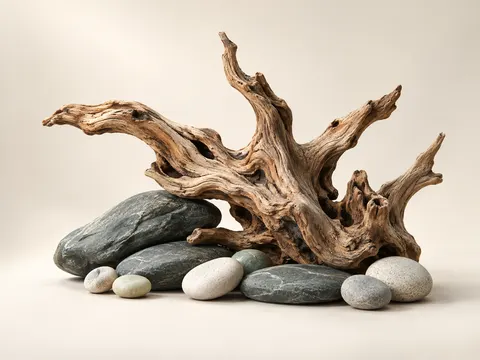
When setting up an aquarium for the Neolamprologus Fasciatus, a moderate water flow best suits their natural preferences. Because this species occupies the bottom and mid-level zones, the aquarium layout should prioritise open swimming space in the centre of the tank for free movement and sufficient floor space with hiding spots among rocks, wood, or dense planting. Useful additions include a sand substrate to accommodate their sifting behaviour and shells for breeding and shelter.
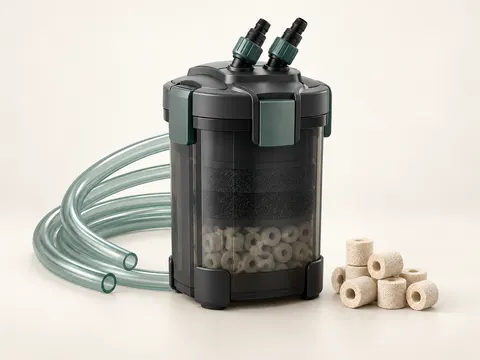
Supplies for Neolamprologus Fasciatus
We may earn from qualifying purchases


Neolamprologus Fasciatus Compatibility Notes
Classified as semi-aggressive, the Neolamprologus Fasciatus is adaptable and can be kept singly or in a small group, offering flexibility when planning a community tank. When choosing tankmates, any fish small enough to fit in its mouth will likely be eaten, ornamental shrimp are not safe companions, conspecific aggression can be intense, especially in smaller tanks, and territorial behaviour may cause issues if hiding spots or floor space are limited. Selecting tankmates that favour different water layers from the bottom and mid-level zones can help reduce competition and territorial overlap.
Who Neolamprologus Fasciatus Is Actually For
Neolamprologus Fasciatus is best for a fishkeeper who wants a species that can settle into a calmer community setup and can provide someone who understands its individual space requirements. It makes the most sense for a hobbyist who will actually build around its needs, especially sand.
The most common mistake is treating Neolamprologus Fasciatus like any other community fish and skipping the soft sand it needs to forage safely. Another frequent problem is forcing it into an over-busy community when it would do better with more room or more deliberate tankmate choices.
Neolamprologus Fasciatus Recommended Tank Sizes
Standard aquarium sizes that meet the minimum volume and length requirements for Neolamprologus Fasciatus.
55 Gallon Standard
60 Gallon Breeder
75 Gallon Standard
90 Gallon Standard
125 Gallon Standard
150 Gallon High
Neolamprologus Fasciatus Feeding & Diet Considerations
The Neolamprologus Fasciatus is a predatory species that will readily consume small fish, so nano or bite-sized tankmates should be avoided, will hunt and eat ornamental shrimp, making it unsuitable for shrimp-focused setups, and will eat fry, so breeding efforts in the same tank are unlikely to succeed.
Frequently Asked Questions About Neolamprologus Fasciatus
How big does Neolamprologus Fasciatus get?
Neolamprologus Fasciatus (Neolamprologus fasciatus) typically reaches a maximum adult size of approximately 15 cm. They have a fusiform body shape and a moderate growth rate.
What tank size does Neolamprologus Fasciatus need?
A minimum aquarium volume of 200 litres and a tank length of at least 120 cm are recommended for Neolamprologus Fasciatus. This ensures enough swimming space and helps maintain stable water conditions.
What water parameters does Neolamprologus Fasciatus need?
Neolamprologus Fasciatus thrives in freshwater only conditions with a temperature range of 24–27°C, a pH between 7.8 and 9, and a general hardness of 10–25 dGH. A moderate water flow is preferred.
Is Neolamprologus Fasciatus peaceful or aggressive?
Neolamprologus Fasciatus is classified as semi-aggressive with an aggression score of 6 out of 10. They can work in community setups but may clash with certain tankmates.
Can Neolamprologus Fasciatus live alone?
Yes, Neolamprologus Fasciatus can be kept singly or in a group. They are flexible and adapt well to both setups.
Is Neolamprologus Fasciatus safe with shrimp?
No. Neolamprologus Fasciatus is known to eat ornamental shrimp and is not recommended for shrimp tanks. Even larger shrimp species like Amano Shrimp may be at risk.
Does Neolamprologus Fasciatus have any special tank requirements?
Yes. Neolamprologus Fasciatus benefits from sand (sifters) and shells (breeding/hiding) in the aquarium. These features help replicate their natural habitat and promote overall health and well-being.
Useful setup supplies
We may earn from qualifying purchases




Guidarium Editorial Desk
Reviewed against Guidarium care, stocking, and compatibility standards. Read the editorial policy.
- Last reviewed
- May 6, 2026
- Last updated
- May 6, 2026
- Issues or corrections?
- Contact the editorial team
Plants That Suit Neolamprologus Fasciatus
These plants pair well with Neolamprologus Fasciatus based on shared water preferences, layout fit, and how likely they are to hold up in the same aquarium.
African Onion Plant
Crinum calamistratum
Afzel's Anubias
Anubias afzelii
Anacharis
Egeria densa
Anubias Barteri
Anubias barteri
Balansae
Cryptocoryne crispatula
Broadleaf Crinum
Crinum natans
Fish Similar to Neolamprologus Fasciatus
Neolamprologus Tretocephalus
Neolamprologus tretocephalus
An endemic cichlid from Lake Tanganyika known for its striking resemblance to the much larger Frontosa cichlid. Despite its moderate size, the 'Tret' is highly aggressive and territorial. In the wild, they are specialized molluscivores (snail eaters) with powerful jaws. They require hard, alkaline water and rockwork caves.
Neolamprologus Pulcher
Neolamprologus pulcher
An elegant but fiercely territorial African cichlid native to Lake Tanganyika. Known in the hobby as the Daffodil Cichlid, they are famous for their unique 'stepped' colony breeding behavior, where multiple generations of older siblings help raise the newest batches of fry.
Altolamprologus Compressiceps
Altolamprologus compressiceps
A highly specialized, predatory African Cichlid endemic to Lake Tanganyika. It features an extremely laterally compressed (paper-thin) body and steep forehead, designed to slip into narrow rocky crevices to hunt fry and invertebrates. They are notorious for their very slow growth rate and heavily 'armored' scales.
Horei Cichlid
Ctenochromis horei
A robust and highly aggressive haplochromine cichlid native to Lake Tanganyika. Known for its striking coloration and dynamic, albeit violent, territorial behavior. Adults are opportunistic predators and piscivores. They are maternal mouthbrooders, and males are fiercely intolerant of other males. They require hard, alkaline water.
Neolamprologus Similis
Neolamprologus similis
A fascinating dwarf cichlid endemic to Lake Tanganyika. Known as a 'shell dweller' (or shellie), they live, breed, and seek refuge in empty snail shells (like Escargot or Neothauma shells). They are highly social, forming complex multi-generational colonies. They require hard, alkaline water, a sandy substrate for excavation, and at least 2-3 shells per fish.
Tanganyikan Clown Cichlid (Eretmodus)
Eretmodus cyanostictus
An intriguing, goby-like cichlid native to the shallow, highly oxygenated surge zones of Lake Tanganyika. They have a reduced swim bladder, causing them to 'hop' along the rocky bottom rather than swim freely. They require highly oxygenated water, strong flow, and a strict herbivorous diet (aufwuchs/algae) to avoid fatal intestinal bloat. They are highly intolerant of conspecifics unless kept as a bonded pair.