
Goldfish (Comet / Common)
Carassius auratus
One of the most commonly kept and misunderstood fish in the hobby. Single-tailed goldfish (Comets, Commons, Shubunkins) are fast-growing, highly active coldwater fish that produce enormous amounts of waste. They are best suited for ponds or massive aquariums. They will uproot plants, sift substrate constantly, and eat anything that fits in their mouths.
Goldfish (Comet / Common) At a Glance
Goldfish (Comet / Common) Tank Requirements
Will Goldfish (Comet / Common) fit in your tank?
Care guides tell you what Goldfish (Comet / Common) needs, the next question is whether your tank can safely provide it. Test Goldfish (Comet / Common) against your tank size, maintenance needs, and the fish you already keep before you buy.
Goldfish (Comet / Common) Water Parameters
Goldfish (Comet / Common) Temperament & Compatibility
Goldfish (Comet / Common) Varieties
Each variety inherits the species defaults above. Only differences are highlighted.
Standard (Single-Tail Adult)
The adult form of the standard single-tailed goldfish. Extremely active, robust, and best suited for outdoor ponds or very large indoor tanks (4 feet minimum).
Differs in 1 trait from base species
Also known as: Comet, Common, Shubunkin, Pond Goldfish
Juvenile (Grow-out)
Small juveniles commonly sold in pet stores. While they can temporarily be housed in smaller aquariums, they grow extremely fast and will quickly require their adult tank size or a pond.
Differs in 4 traits from base species
Also known as: Feeder Fish, Baby Goldfish, Small Comet
Fancy Goldfish (Adult)
Radical morphs with compressed, shortened spines and double-tails. Because of their modified anatomy, they are slow, clumsy swimmers prone to swim bladder issues. They require strictly low flow and slightly warmer water than single-tails.
Differs in 7 traits from base species
Also known as: Oranda, Ranchu, Ryukin, Fantail, Black Moor, Pearlscale
Goldfish (Comet / Common) Care Guide Summary
The Goldfish (Comet / Common), scientifically known as Carassius auratus, belongs to the Goldfish & Koi family group. Adults reach a maximum size of approximately 30 cm and have a fusiform body shape with a fast growth rate. Classified as peaceful, this species primarily occupies the surface, mid-level, and bottom zones of the aquarium and produces a extreme level of biological waste.
To thrive, the Goldfish (Comet / Common) requires a freshwater only aquarium with a minimum volume of 200 litres and a tank length of at least 120 cm. Water temperature should be maintained between 10°C and 24°C, with a pH range of 6.5–8 and a general hardness of 5–20 dGH. A moderate water flow is preferred.
The Goldfish (Comet / Common) is a rewarding species to keep, provided its core environmental needs are met. This species is available in 3 varieties: Standard (Single-Tail Adult), Juvenile (Grow-out), and Fancy Goldfish (Adult). Each may differ slightly in size, temperament, or care needs, so it is worth checking the specific requirements of the variety you plan to keep.
Goldfish (Comet / Common) Habitat Setup
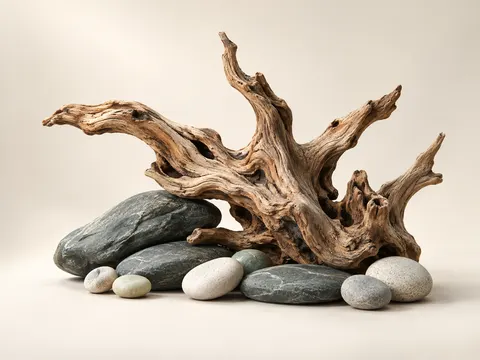
When setting up an aquarium for the Goldfish (Comet / Common), a moderate water flow best suits their natural preferences. Because this species occupies the surface, mid-level, and bottom zones, the aquarium layout should prioritise adequate surface area with floating cover to make them feel secure near the waterline, open swimming space in the centre of the tank for free movement, and sufficient floor space with hiding spots among rocks, wood, or dense planting. Useful additions include a sand substrate to accommodate their sifting behaviour and smooth gravel or rounded substrate to protect their sensitive barbels. Keepers should note that expect substrate disturbance, so lightweight décor should be secured and live planted layouts may be difficult to maintain, as this species tends to uproot or consume vegetation.
Supplies for Goldfish (Comet / Common)
We may earn from qualifying purchases


Goldfish (Comet / Common) Compatibility Notes
Classified as peaceful, the Goldfish (Comet / Common) is adaptable and can be kept singly or in a small group, offering flexibility when planning a community tank. When choosing tankmates, shy or slow-feeding tankmates may be outcompeted at feeding time and their energetic swimming style may stress more sedentary or timid species. Selecting tankmates that favour different water layers from the surface, mid-level, and bottom zones can help reduce competition and territorial overlap.
Who Goldfish (Comet / Common) Is Actually For
Goldfish (Comet / Common) is best for a fishkeeper who wants a species that can settle into a calmer community setup and can provide someone who understands its individual space requirements. It makes the most sense for a hobbyist who will actually build around its needs, especially sand.
The most common mistake is treating Goldfish (Comet / Common) like any other community fish and skipping the soft sand it needs to forage safely. Another frequent problem is forcing it into an over-busy community when it would do better with more room or more deliberate tankmate choices.
Goldfish (Comet / Common) Recommended Tank Sizes
Standard aquarium sizes that meet the minimum volume and length requirements for Goldfish (Comet / Common).
55 Gallon Standard
60 Gallon Breeder
75 Gallon Standard
90 Gallon Standard
125 Gallon Standard
150 Gallon High
Frequently Asked Questions About Goldfish (Comet / Common)
How big does Goldfish (Comet / Common) get?
Goldfish (Comet / Common) (Carassius auratus) typically reaches a maximum adult size of approximately 30 cm. They have a fusiform body shape and a fast growth rate.
What tank size does Goldfish (Comet / Common) need?
A minimum aquarium volume of 200 litres and a tank length of at least 120 cm are recommended for Goldfish (Comet / Common). This ensures enough swimming space and helps maintain stable water conditions.
What water parameters does Goldfish (Comet / Common) need?
Goldfish (Comet / Common) thrives in freshwater only conditions with a temperature range of 10–24°C, a pH between 6.5 and 8, and a general hardness of 5–20 dGH. A moderate water flow is preferred.
Is Goldfish (Comet / Common) peaceful or aggressive?
Goldfish (Comet / Common) is classified as peaceful with an aggression score of 1 out of 10. They are generally well-suited to peaceful community tanks.
Can Goldfish (Comet / Common) live alone?
Yes, Goldfish (Comet / Common) can be kept singly or in a group. They are flexible and adapt well to both setups.
Does Goldfish (Comet / Common) have any special tank requirements?
Yes. Goldfish (Comet / Common) benefits from sand (sifters) and smooth gravel (sensitive barbels) in the aquarium. These features help replicate their natural habitat and promote overall health and well-being.
Useful setup supplies
We may earn from qualifying purchases




Guidarium Editorial Desk
Reviewed against Guidarium care, stocking, and compatibility standards. Read the editorial policy.
- Last reviewed
- April 28, 2026
- Last updated
- April 28, 2026
- Issues or corrections?
- Contact the editorial team
Top Tank Mates for Goldfish (Comet / Common)
These fish are strong compatibility matches for Goldfish (Comet / Common) based on water preferences, temperament, adult size, and tank behavior.
Spotted Hillstream Loach
Gastromyzon punctulatus
Ideal Tank MatesTrapdoor Snail
Cipangopaludina chinensis
Ideal Tank MatesShovelnose Sturgeon
Scaphirhynchus platorynchus
Ideal Tank MatesSkunk Cory
Corydoras arcuatus
Ideal Tank MatesSan Juan Cory
Corydoras bilineatus
Ideal Tank MatesPacific Sturgeon
Acipenser transmontanus
Ideal Tank MatesPlants That Suit Goldfish (Comet / Common)
These plants pair well with Goldfish (Comet / Common) based on shared water preferences, layout fit, and how likely they are to hold up in the same aquarium.
Afzel's Anubias
Anubias afzelii
Anubias Barteri
Anubias barteri
Belinda's Buce
Bucephalandra belindae
Buce Motleyana
Bucephalandra motleyana
Congo Anubias
Anubias heterophylla
Dwarf Buce
Bucephalandra pygmaea
Fish Similar to Goldfish (Comet / Common)
Lake Eacham Rainbowfish
Melanotaenia eachamensis
The Lake Eacham Rainbowfish is a rare, highly active shoaling fish from Australia. It is famous in conservation circles for having been extirpated in its namesake crater lake, though it survives in surrounding watersheds and the aquarium hobby. They are peaceful but voracious surface feeders that require pristine water, moderate flow, and ample horizontal swimming space to thrive.
Common Pleco (Amazon Sailfin)
Pterygoplichthys pardalis
One of the most widely sold (and misunderstood) fish in the aquarium trade. Often purchased as small 'algae eaters', Common Plecos grow into massive, heavy-waste-producing giants. They require driftwood for digestion and large aquariums. As they age, they may become territorial and lazy, sometimes latching onto flat-bodied fish (like Discus) to eat their slime coat.
Guppy
Poecilia reticulata
One of the most iconic and widely kept aquarium fish. Renowned for their incredible colors, hardiness, and prolific breeding. As livebearers, they give birth to fully formed, free-swimming fry. Males constantly pursue females for mating; therefore, a ratio of at least 2 females per male is strongly recommended to disperse stress.
Gold Barb
Barbodes semifasciolatus
A highly active, peaceful schooling fish. The common 'Gold' variant is a captive-bred color morph (Schuberti) of the wild Green Barb. They are remarkably hardy and prefer slightly cooler sub-tropical water, making them excellent candidates for unheated indoor aquariums.
Paradise Fish
Macropodus opercularis
One of the first ornamental fish in the hobby (pre-dating the Goldfish in Europe). Paradise Fish are stunning, hardy, subtropical Anabantoids. However, they are notoriously aggressive, often exceeding the aggression of Bettas. They are cold-tolerant and thrive in unheated indoor aquariums, but they will readily attack smaller tank mates, eat fry, and fight conspecifics to the death.
Gold Tetra
Hemigrammus rodwayi
A peaceful, active schooling fish perfect for community planted tanks. Fascinatingly, the brilliant metallic gold coloration of wild specimens is a harmless immune response (guanin deposits) to a trematode parasite. Captive-bred specimens lack this parasite and display a silvery-yellow sheen instead. They thrive in mature, dimly lit aquariums with soft water.