
A robust, highly active schooling fish native to the fast-flowing rivers of southern India. Known for their striking vertical bars and the beautiful dorsal fin extensions developed by mature males. Because of their energetic swimming habits and size, they require highly oxygenated water, decent current, and a spacious aquarium with plenty of horizontal swimming room.
Arulius Barb At a Glance
Arulius Barb Tank Requirements
Will Arulius Barb fit in your tank?
Care guides tell you what Arulius Barb needs, the next question is whether your tank can safely provide it. Test Arulius Barb against your tank size, maintenance needs, and the fish you already keep before you buy.
Arulius Barb Water Parameters
Arulius Barb Temperament & Compatibility
Arulius Barb Varieties
Each variety inherits the species defaults above. Only differences are highlighted.
Standard / Unsexed
Typically sold as juveniles where sexing is difficult. Must be kept in a group of 6 or more to prevent them from becoming stressed or overly nippy towards other tank mates.
Same care requirements as the base species
Also known as: Juvenile
Male
Mature males develop stunning filament extensions on their dorsal fins and exhibit more intense, contrasting coloration, especially when displaying to females or sparring with other males.
Differs in 2 traits from base species
Also known as: Male Arulius, Show Male
Female
Females are slightly deeper-bodied (plumper) and strictly lack the filamentous dorsal fin extensions seen in males. While less flashy, they are essential for a balanced, low-stress shoal.
Differs in 1 trait from base species
Also known as: Female
Arulius Barb Care Guide Summary
The Arulius Barb, scientifically known as Dawkinsia arulius, belongs to the Cyprinids family group. Adults reach a maximum size of approximately 12 cm and have a fusiform body shape with a fast growth rate. Classified as mostly peaceful, this species primarily occupies the mid-level and bottom zones of the aquarium and produces a medium level of biological waste.
To thrive, the Arulius Barb requires a freshwater only aquarium with a minimum volume of 200 litres and a tank length of at least 120 cm. Water temperature should be maintained between 19°C and 25°C, with a pH range of 6–7.5 and a general hardness of 2–15 dGH. A high water flow is preferred.
The Arulius Barb is a rewarding species to keep, provided its core environmental needs are met. This species is available in 3 varieties: Standard / Unsexed, Male, and Female. Each may differ slightly in size, temperament, or care needs, so it is worth checking the specific requirements of the variety you plan to keep.
Arulius Barb Habitat Setup
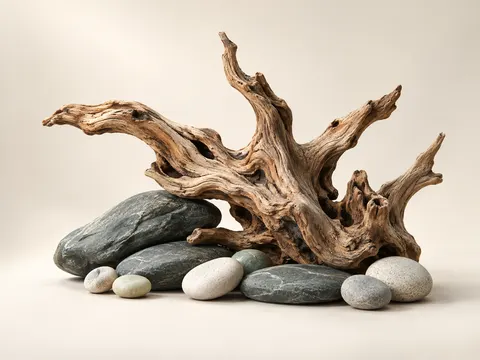
When setting up an aquarium for the Arulius Barb, a high water flow best suits their natural preferences. Because this species occupies the mid-level and bottom zones, the aquarium layout should prioritise open swimming space in the centre of the tank for free movement and sufficient floor space with hiding spots among rocks, wood, or dense planting. Useful additions include smooth gravel or rounded substrate to protect their sensitive barbels. Keepers should note that a tight-fitting lid is essential, as this species is a known jumper.
Supplies for Arulius Barb
We may earn from qualifying purchases

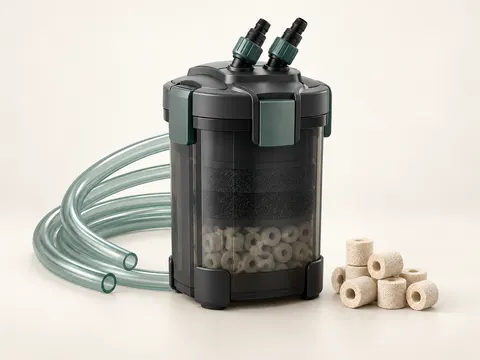

Arulius Barb Compatibility Notes
Classified as mostly peaceful, the Arulius Barb is a schooling species that feels most secure in a sizeable group, where natural shoaling behaviour reduces stress and brings out their best colours. When choosing tankmates, avoid housing with slow-moving or long-finned species that may become targets for fin nipping, shy or slow-feeding tankmates may be outcompeted at feeding time, and their energetic swimming style may stress more sedentary or timid species. Selecting tankmates that favour different water layers from the mid-level and bottom zones can help reduce competition and territorial overlap.
Who Arulius Barb Is Actually For
Arulius Barb is best for a fishkeeper who wants a species that can settle into a calmer community setup and can provide a keeper who can commit to a proper group of at least 6. It makes the most sense for a hobbyist who will actually build around its needs, especially smooth gravel.
The most common mistake is buying Arulius Barb for looks first and only later discovering how its adult size, behavior, or bioload changes the whole tank plan. Another frequent problem is underestimating its social needs. A token pair or trio often behaves very differently from a real group.
Arulius Barb Recommended Tank Sizes
Standard aquarium sizes that meet the minimum volume and length requirements for Arulius Barb.
55 Gallon Standard
60 Gallon Breeder
75 Gallon Standard
90 Gallon Standard
125 Gallon Standard
150 Gallon High
Frequently Asked Questions About Arulius Barb
How big does Arulius Barb get?
Arulius Barb (Dawkinsia arulius) typically reaches a maximum adult size of approximately 12 cm. They have a fusiform body shape and a fast growth rate.
What tank size does Arulius Barb need?
A minimum aquarium volume of 200 litres and a tank length of at least 120 cm are recommended for Arulius Barb. This ensures enough swimming space and helps maintain stable water conditions.
What water parameters does Arulius Barb need?
Arulius Barb thrives in freshwater only conditions with a temperature range of 19–25°C, a pH between 6 and 7.5, and a general hardness of 2–15 dGH. A high water flow is preferred.
Is Arulius Barb peaceful or aggressive?
Arulius Barb is classified as mostly peaceful with an aggression score of 4 out of 10. They are generally well-suited to peaceful community tanks.
How many Arulius Barb should be kept together?
Arulius Barb is a schooling species and should be kept in groups of at least 6. Larger groups help distribute aggression and encourage natural schooling behaviour.
Does Arulius Barb have any special tank requirements?
Yes. Arulius Barb benefits from smooth gravel (sensitive barbels) in the aquarium. These features help replicate their natural habitat and promote overall health and well-being.
Does Arulius Barb need a lid on the tank?
Yes. Arulius Barb is a known jumper, and a tight-fitting lid or cover is essential to prevent escape. Even a small gap can be enough for a determined fish to leap out.
Useful setup supplies
We may earn from qualifying purchases




Guidarium Editorial Desk
Reviewed against Guidarium care, stocking, and compatibility standards. Read the editorial policy.
- Last reviewed
- April 29, 2026
- Last updated
- April 29, 2026
- Issues or corrections?
- Contact the editorial team
Top Tank Mates for Arulius Barb
These fish are strong compatibility matches for Arulius Barb based on water preferences, temperament, adult size, and tank behavior.
Celebes Halfbeak
Nomorhamphus liemi
Ideal Tank MatesSpotted Hillstream Loach
Gastromyzon punctulatus
Ideal Tank MatesSunset Platy (Variatus Platy)
Xiphophorus variatus
Ideal Tank MatesWhite Cheeked Goby
Rhinogobius duospilus
Ideal Tank MatesTiger Danio
Devario maetaengensis
Ideal Tank MatesWestern Rainbowfish
Melanotaenia australis
Ideal Tank MatesPlants That Suit Arulius Barb
These plants pair well with Arulius Barb based on shared water preferences, layout fit, and how likely they are to hold up in the same aquarium.
African Water Fern
Bolbitis heudelotii
Boivin's Aponogeton
Aponogeton boivinianus
Capuron's Aponogeton
Aponogeton capuronii
Madagascar Lace Plant
Aponogeton madagascariensis
African Onion Plant
Crinum calamistratum
Afzel's Anubias
Anubias afzelii
Fish Similar to Arulius Barb
Filament Barb
Dawkinsia filamentosa
The Filament Barb is a lively, active schooling fish native to the rivers of southern India. They are known for their shimmering bodies, distinct black caudal spot, and preference for open swimming space. Due to their size and high energy, they require large aquariums with robust filtration. They can be fin-nippers if kept in too small of a school and may nibble on soft-leaved plants.
Tambraparni Barb
Puntius tambraparniei
The Tambraparni Barb (now scientifically classified as Dawkinsia tambraparniei) is a medium-sized, highly active schooling fish native to the fast-flowing rivers of the Western Ghats in India. Known for their shimmering silver bodies adorned with striking dark blotches, they require a spacious aquarium with high water flow and high dissolved oxygen. While peaceful, their boisterous swimming can stress shy tank mates.
Tinfoil Barb
Barbonymus schwanenfeldii
A large, active, and schooling riverine species that quickly outgrows standard aquariums. Known for their metallic silver scales and red fins. They are notoriously skittish, robust eaters, and will consume almost any live plant or small fish that fits in their mouths. A massive tank with strong filtration is strictly required.
Barred Rainbowfish
Chilatherina fasciata
A robust, active, and highly colorful schooling fish native to the clear, fast-flowing streams of New Guinea. They are named for the distinctive vertical black bars on their lower flanks. As highly active swimmers that do best in hard, alkaline water, they require a spacious, long aquarium (minimum 4 feet) with strong oxygenation and plenty of open swimming space.
Odessa Barb
Pethia padamya
A highly active, stunning schooling fish known for the brilliant red lateral stripe running across the males. Originating from central Myanmar, they thrive in slightly cooler, sub-tropical water compared to typical tropical fish. They are robust and peaceful when kept in proper shoals, but may nip fins if stressed or kept in numbers too small.
Rosy Barb
Pethia conchonius
A hardy, active, and colorful subtropical schooling fish. Known for the male's striking rosy-red breeding dress, while females are more golden/silver. They are voracious eaters, very active swimmers, and can be fin-nippers if kept in too small a group. Best kept in cooler water compared to tropical species. The Long Finned morph is also popular but requires gentler flow.