
Altum Angel
Pterophyllum altum
The True Altum Angelfish is the 'holy grail' of freshwater angelfish. Native to the Orinoco river basin, they are known for their extreme vertical height (often exceeding 35cm/14 inches), striking vertical bars, and notched upper snout. They are true blackwater fish requiring highly acidic, warm, pristine water, and very tall aquariums. They are predatory toward small fish like neon tetras.
Altum Angel At a Glance
Altum Angel Tank Requirements
Will Altum Angel fit in your tank?
Care guides tell you what Altum Angel needs, the next question is whether your tank can safely provide it. Test Altum Angel against your tank size, maintenance needs, and the fish you already keep before you buy.
Altum Angel Water Parameters
Altum Angel Temperament & Compatibility
Altum Angel Varieties
Each variety inherits the species defaults above. Only differences are highlighted.
Standard (Adult)
Adult True Altums. Because of their towering vertical fins, the aquarium must be exceptionally tall (minimum 60cm/24 inches high, ideally higher). They should be kept in groups to reduce skittishness and disperse cichlid aggression.
Same care requirements as the base species
Also known as: Wild Caught, Adult Altum
Juvenile (Grow-out)
Juvenile Altums are extremely sensitive and require pristine water conditions to develop their iconic tall fins properly. They grow quite slowly compared to standard P. scalare.
Differs in 3 traits from base species
Also known as: Baby Altum, Dime Size, Quarter Size
Altum Angel Care Guide Summary
The Altum Angel, scientifically known as Pterophyllum altum, belongs to the Cichlids - South American family group. Adults reach a maximum size of approximately 20 cm and have a compressed body shape with a slow growth rate. Classified as semi-aggressive, this species primarily occupies the mid-level zone of the aquarium and produces a medium level of biological waste.
To thrive, the Altum Angel requires a freshwater only aquarium with a minimum volume of 400 litres and a tank length of at least 120 cm. Water temperature should be maintained between 27°C and 32°C, with a pH range of 4.5–6.5 and a general hardness of 1–5 dGH. A low water flow is preferred.
Due to its specialist needs, the Altum Angel is best suited for fishkeepers who can provide a carefully planned setup. This species is available in 2 varieties: Standard (Adult) and Juvenile (Grow-out). Each may differ slightly in size, temperament, or care needs, so it is worth checking the specific requirements of the variety you plan to keep.
Altum Angel Habitat Setup
When setting up an aquarium for the Altum Angel, a low water flow best suits their natural preferences. Because this species occupies the mid-level zone, the aquarium layout should prioritise open swimming space in the centre of the tank for free movement. Useful additions include a sand substrate to accommodate their sifting behaviour, driftwood, which can serve as both a hiding place and a dietary supplement, leaf litter or blackwater tannins to replicate their natural soft-water habitat, and floating plants to diffuse overhead light and create shaded areas.
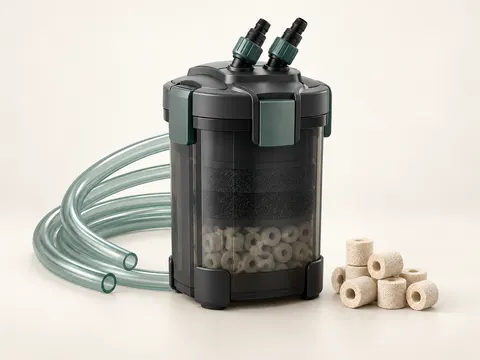
Supplies for Altum Angel
We may earn from qualifying purchases



Altum Angel Compatibility Notes
Classified as semi-aggressive, the Altum Angel is a social species that requires the company of its own kind to thrive. When choosing tankmates, any fish small enough to fit in its mouth will likely be eaten, ornamental shrimp are not safe companions, territorial behaviour may cause issues if hiding spots or floor space are limited, and boisterous or fast-moving tankmates may cause this species undue stress. Selecting tankmates that favour different water layers from the mid-level zone can help reduce competition and territorial overlap.
Who Altum Angel Is Actually For
Altum Angel is best for a fishkeeper who wants a species that can settle into a calmer community setup and can provide a keeper who can commit to a proper group of at least 5. It makes the most sense for a hobbyist who will actually build around its needs, especially sand.
The most common mistake is treating Altum Angel like any other community fish and skipping the soft sand it needs to forage safely. Another frequent problem is underestimating its social needs. A token pair or trio often behaves very differently from a real group.
Altum Angel Recommended Tank Sizes
Standard aquarium sizes that meet the minimum volume and length requirements for Altum Angel.
Altum Angel Feeding & Diet Considerations
The Altum Angel is a predatory species that will readily consume small fish, so nano or bite-sized tankmates should be avoided, will hunt and eat ornamental shrimp, making it unsuitable for shrimp-focused setups, and will eat fry, so breeding efforts in the same tank are unlikely to succeed.
Frequently Asked Questions About Altum Angel
How big does Altum Angel get?
Altum Angel (Pterophyllum altum) typically reaches a maximum adult size of approximately 20 cm. They have a compressed body shape and a slow growth rate.
What tank size does Altum Angel need?
A minimum aquarium volume of 400 litres and a tank length of at least 120 cm are recommended for Altum Angel. This ensures enough swimming space and helps maintain stable water conditions.
What water parameters does Altum Angel need?
Altum Angel thrives in freshwater only conditions with a temperature range of 27–32°C, a pH between 4.5 and 6.5, and a general hardness of 1–5 dGH. A low water flow is preferred.
Is Altum Angel peaceful or aggressive?
Altum Angel is classified as semi-aggressive with an aggression score of 5 out of 10. They can work in community setups but may clash with certain tankmates.
Can Altum Angel live alone?
No, Altum Angel should be kept in groups of at least 5 to reduce stress and encourage natural behaviour.
Is Altum Angel safe with shrimp?
No. Altum Angel is known to eat ornamental shrimp and is not recommended for shrimp tanks. Even larger shrimp species like Amano Shrimp may be at risk.
Does Altum Angel have any special tank requirements?
Yes. Altum Angel benefits from sand (sifters), driftwood (digestion/hiding), leaf litter/blackwater, and plants - floating in the aquarium. These features help replicate their natural habitat and promote overall health and well-being.
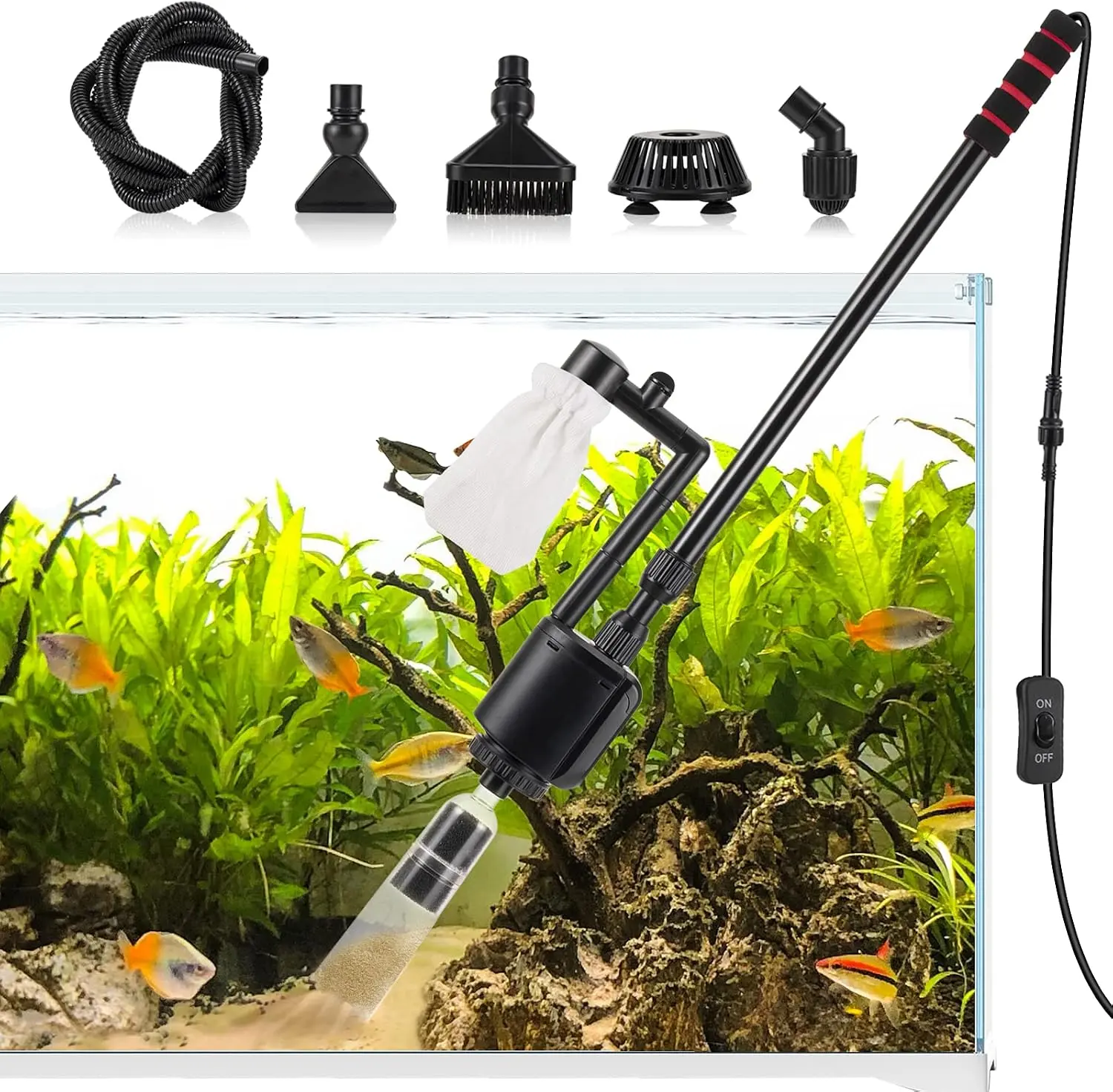
Useful setup supplies
We may earn from qualifying purchases



Guidarium Editorial Desk
Reviewed against Guidarium care, stocking, and compatibility standards. Read the editorial policy.
- Last reviewed
- May 2, 2026
- Last updated
- May 2, 2026
- Issues or corrections?
- Contact the editorial team
Plants That Suit Altum Angel
These plants pair well with Altum Angel based on shared water preferences, layout fit, and how likely they are to hold up in the same aquarium.
Amazon Frogbit
Limnobium laevigatum
Asian Watergrass
Hygroryza aristata
Asian Watermoss
Salvinia cucullata
Carolina Mosquito Fern
Azolla caroliniana
Common Duckweed
Lemna minor
Crystalwort
Riccia fluitans
Fish Similar to Altum Angel
Freshwater Angelfish
Pterophyllum scalare
The most iconic South American Cichlid, known for its distinct arrowhead shape and majestic fins. While domestic strains are hardy, they remain cichlids: they are semi-aggressive predators that will eat any fish small enough to fit in their mouths (like Neon Tetras). They form loose shoals as juveniles but pair off and become territorial as they mature. Height is more important than length for this species.
Ornate Rainbowfish
Rhadinocentrus ornatus
A highly sought-after, elegant dwarf rainbowfish native to the coastal 'wallum' habitats and sand dune lakes of eastern Australia. Known for its intricate scale patterns and iridescent colors, it thrives in soft, slightly acidic, tannin-stained waters (blackwater). Unlike many larger rainbowfish, they are adapted to calm backwaters and prefer gentle flow. They are active but peaceful schooling fish that display fascinating courtship behaviors.
Shortbarbel Pangasius
Pangasius micronemus
A massive, highly active riverine catfish native to Southeast Asia. Like its cousin the Iridescent Shark, it is a nervous and skittish swimmer prone to panicking and injuring itself on tank glass. Due to its enormous adult size of up to 1 meter (39 inches), it is strictly suited for only the largest custom aquariums, indoor ponds, or public aquaria. It is an opportunistic predator that will consume any tank mate small enough to fit in its large mouth.
Arapaima
Arapaima gigas
One of the largest true freshwater fish in the world, native to the Amazon basin. Arapaima are obligate air-breathers and extreme predators. Due to their massive adult size and explosive growth rate, they are almost entirely unsuited for home aquaria and require highly specialized, heated, pond-sized enclosures.
Piraiba
Brachyplatystoma filamentosum
One of the largest freshwater fish in the world, native to the Amazon Basin. It is a highly active, migratory apex predator. This 'Monster Fish' is almost entirely unsuitable for home aquaria, requiring an enormous, custom-built heated indoor pool or public aquarium setting for its adult life stage.
Cardinal Tetra
Paracheirodon axelrodi
A stunning schooling fish native to the upper Orinoco and Rio Negro basins in South America. Famous for its brilliant iridescent blue line and a vivid red stripe that extends the full length of its body (distinguishing it from the Neon Tetra). They are strictly schooling fish that thrive in warm, acidic blackwater environments.